
 Gabriela Annisa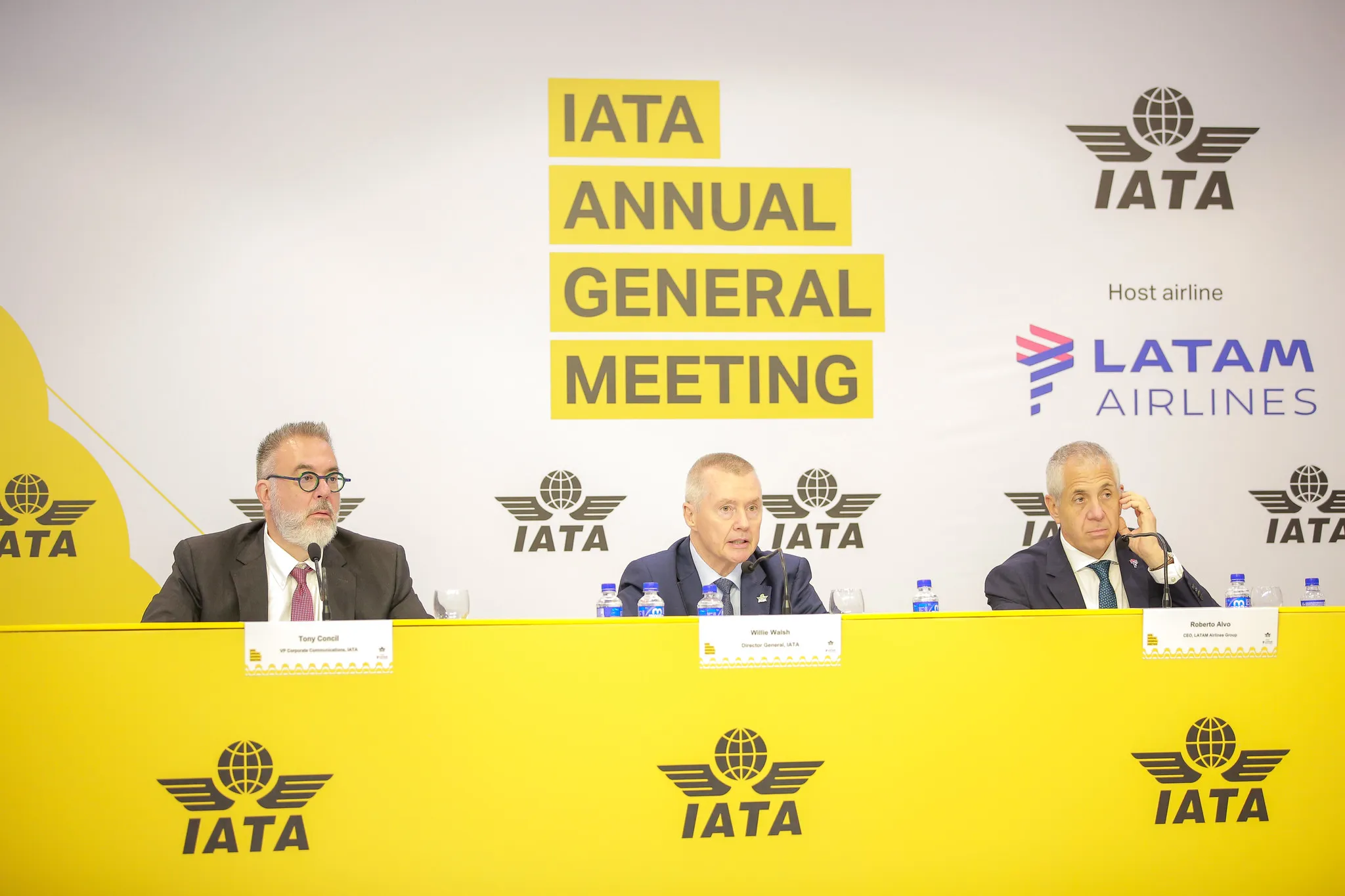
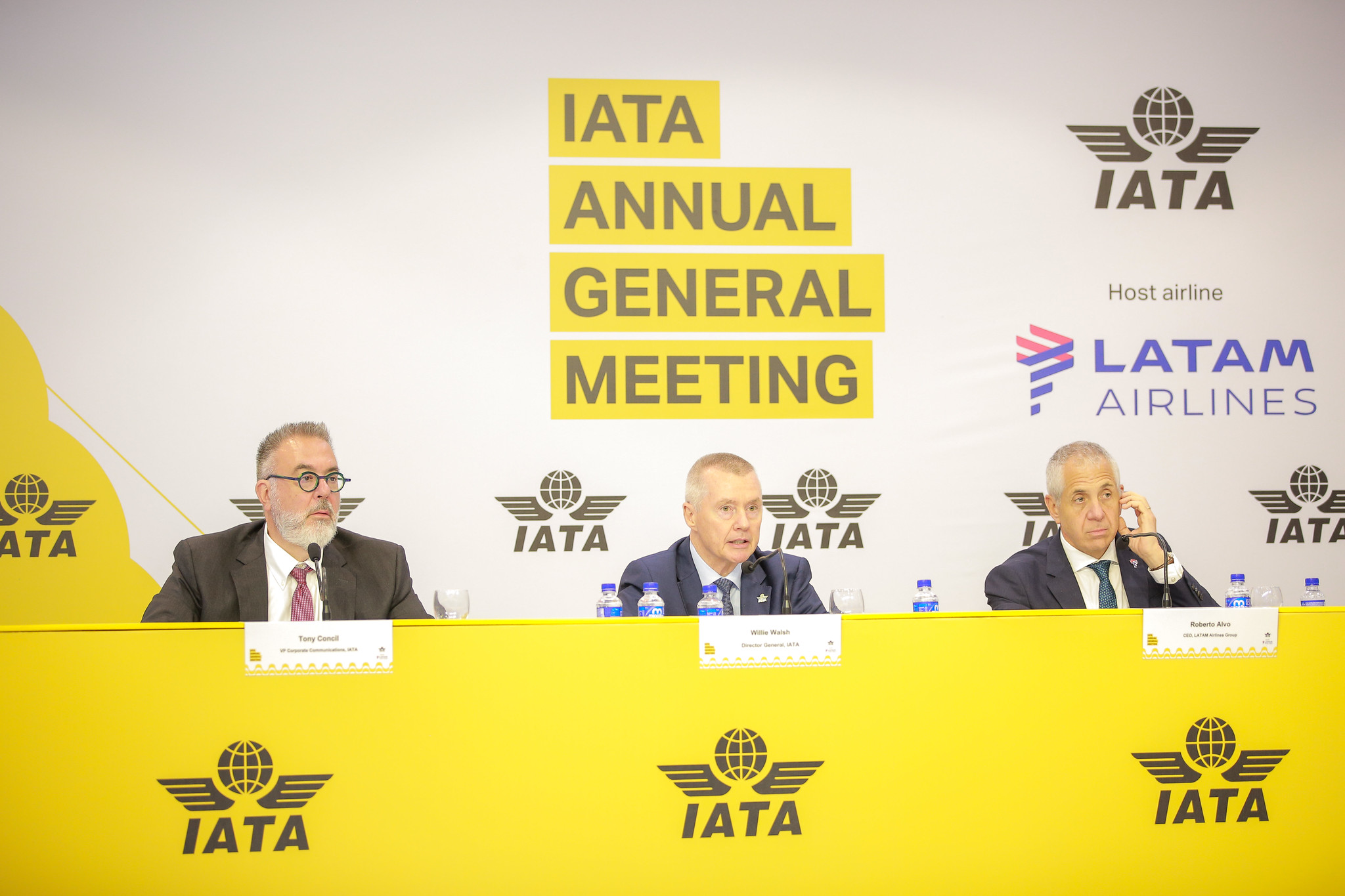
The International Air Transport Association (IATA) Annual General Meeting (AGM), held this year in the vibrant metropolis of Rio de Janeiro, Brazil, concluded with a robust discussion on the global aviation industry’s trajectory and a particular spotlight on the host nation’s unique, highly consolidated aviation landscape. Industry leaders, policymakers, and stakeholders converged to deliberate on critical issues ranging from profitability and sustainability to the future of air travel and the regulatory environments shaping it. The event provided a crucial platform for assessing the industry’s recovery and charting a course for sustainable growth amidst evolving geopolitical and economic challenges.
A Global Pulse from Rio: The IATA AGM 2026 Concludes
The 2026 IATA AGM, a cornerstone event in the aviation calendar, brought together approximately 300 airline CEOs and senior executives from IATA’s 330 member airlines, representing over 80% of global air traffic. Hosted from June 9th to June 11th, the meeting served as an essential forum for strategic dialogue, policy formulation, and networking. Key themes dominating the agenda included the industry’s ongoing efforts to achieve net-zero carbon emissions by 2050, the imperative for improved profitability across the value chain, addressing infrastructure bottlenecks, and leveraging technological advancements for operational efficiency and passenger experience.
IATA Director General Willie Walsh, in his opening remarks, underscored the industry’s resilience, noting a significant rebound in passenger traffic that has, in many regions, surpassed pre-pandemic levels. However, he also cautioned against complacency, highlighting persistent challenges such as inflationary pressures, supply chain disruptions, and the urgent need for governments to provide greater support for the development of sustainable aviation fuels (SAF). "Our industry is recovering, but not without hurdles," Walsh stated during a press briefing. "The commitment to decarbonization is unwavering, yet it requires a united front from governments, fuel producers, and airlines to truly accelerate progress. We cannot do this alone."
Financial forecasts presented by IATA painted a cautiously optimistic picture for 2026. While global airline revenues were projected to exceed $900 billion, consolidated net profit margins remained historically thin, estimated to hover around 2.5-3.0%. This figure, though an improvement from recent years, continues to emphasize the capital-intensive nature of the industry and its vulnerability to external shocks. Passenger numbers were forecast to reach an unprecedented 4.5 billion globally, reflecting robust demand across both leisure and business segments, particularly in emerging markets. Cargo volumes, while slightly moderating from their pandemic-induced highs, remained a vital revenue stream for many carriers, supported by e-commerce growth.
Deep Dive into Brazil: A Giant with Concentrated Skies
Following the global industry overview, a significant portion of the AGM’s focus, particularly in sideline discussions and expert panels, shifted to Brazil. As one of the world’s largest aviation markets, Brazil presents a fascinating case study: a vast geographic expanse with a substantial population and a burgeoning middle class, yet served by a highly concentrated airline industry. This unique combination profoundly influences everything from domestic pricing structures to the competitive landscape and the accessibility of air travel for millions of Brazilians.
Brazil’s aviation market is characterized by a "triopoly" of major carriers: LATAM Brasil, GOL Linhas Aéreas, and Azul S.A. These three airlines collectively dominate over 90% of the domestic market share, a level of concentration that is notably higher than in many other large economies, including the United States, Europe, or China, where competition is often more fragmented or supported by a greater number of regional players.
The current structure is largely a legacy of historical market dynamics and a series of major airline failures in the late 20th and early 21st centuries. Icons like Varig, once Latin America’s largest airline, along with TransBrasil and VASP, succumbed to economic crises, mismanagement, and intense competition, paving the way for the emergence and consolidation of the current dominant players. This history has instilled a cautious approach to market entry and expansion among investors, contributing to the enduring stability of the existing oligopoly.
Implications of Market Consolidation: Pricing, Connectivity, and Innovation
The high degree of market concentration in Brazil carries significant implications for various stakeholders:
- Consumer Impact and Pricing: With fewer major players, the competitive pressure on pricing is inherently reduced. This often translates to higher domestic airfares, particularly on popular routes, compared to markets with more robust competition. While price wars can occasionally erupt, they are typically short-lived, with carriers often reverting to more stable, higher pricing strategies. Consumers, therefore, have fewer choices and potentially less leverage in securing affordable travel. Data from Brazil’s National Civil Aviation Agency (ANAC) consistently shows average domestic fares that can be significantly higher per kilometer than in comparable markets, especially when demand outstrips supply during peak seasons.
- Connectivity and Route Development: While consolidation can lead to economies of scale and more efficient network planning for the dominant carriers, it can also leave smaller, less profitable regional routes underserved. The three major airlines primarily focus on high-density routes connecting major metropolitan areas like São Paulo, Rio de Janeiro, and Brasília. Developing a robust regional network, crucial for a country of Brazil’s size, often requires government incentives or the emergence of smaller, specialized regional carriers, which face immense challenges competing with the established giants.
- Innovation and Service Quality: The absence of intense competition can sometimes lead to slower innovation in service offerings or a lack of urgency in adopting new technologies, although Brazilian carriers have generally kept pace with global trends in areas like digital check-in and loyalty programs. However, the pressure to differentiate purely on service quality might be less pronounced than in highly competitive environments.
- Barriers to Entry: For new airlines, the Brazilian market presents formidable barriers to entry. High capital requirements, the challenge of building a competitive network against established incumbents with significant market power, and securing airport slots make it exceedingly difficult for startups to gain a foothold. This reinforces the existing market structure and limits the potential for new competition to emerge organically.
Regulatory Landscape and Government’s Role
ANAC, Brazil’s civil aviation regulator, plays a crucial role in overseeing this consolidated market. Its mandate includes ensuring aviation safety, regulating tariffs, and promoting consumer rights. However, balancing the need for competitive markets with the reality of an established oligopoly is a complex task. ANAC often intervenes in cases of excessive cancellations, delays, or consumer complaints, and it monitors pricing practices, but its powers to fundamentally reshape the market structure are limited.
Government policies, including fuel taxation and airport concession models, also heavily influence the operating environment for airlines. Brazil’s high fuel costs and complex tax structure contribute to the overall operational expenses, which are then passed on to consumers. Recent discussions at the AGM touched upon the potential for regulatory reforms that could ease some of these burdens, making the market more attractive for investment and potentially fostering greater competition. Brazilian officials present at the AGM, while acknowledging the challenges, reiterated the government’s commitment to improving air connectivity and making air travel more accessible, possibly through incentives for regional aviation or infrastructure upgrades.
Sustainability and Technology: Global Themes in a Brazilian Context
The global push for sustainability, a central theme at the IATA AGM, resonated strongly in the Brazilian context. Airlines operating in Brazil face the same pressures to reduce emissions, transition to SAF, and invest in newer, more fuel-efficient aircraft. Given Brazil’s vast biomass resources, there is significant potential for domestic SAF production, which could not only help local carriers meet their targets but also position Brazil as a leader in this critical area. However, the investment required for large-scale SAF production and distribution remains a significant hurdle.
Technological advancements, from artificial intelligence in operations to biometrics for passenger processing, were also hot topics. Brazilian airlines are actively exploring and implementing these technologies to enhance efficiency and passenger experience. For a market with high domestic demand, streamlining airport processes and improving operational resilience through technology is paramount, especially as passenger volumes continue to grow.
Outlook and Future Implications
The IATA AGM 2026 in Rio de Janeiro served as a pivotal moment for the global aviation industry to reflect on its progress and confront its future challenges. For Brazil, the event highlighted the dual nature of its aviation market: immense potential driven by its size and population, yet constrained by its concentrated competitive landscape.
The industry’s global outlook remains one of cautious optimism, with passenger demand continuing to drive recovery, but profitability remaining a tightrope walk. The imperative for sustainable practices is now irreversible, demanding concerted action from all stakeholders. For Brazil, the ongoing challenge will be to foster an environment that encourages greater competition and expands air travel accessibility without compromising the financial health of its vital, albeit consolidated, airline sector. Future growth will likely hinge on infrastructure investments, smart regulatory frameworks, and the successful integration of global sustainability initiatives into the local market. As the world becomes increasingly interconnected, Brazil’s aviation sector, with its unique characteristics, will continue to be a crucial component of the global air transport network.




 Anjar Salim
 Chandra Hamzah
 Tatiana Tantri Indah Sari
 Budi Mulyono
 Lukman Taruna Persada Ramadan
