
 Budi Mulyono
The United States of America officially marked its 250th anniversary on July 4, 2026, a milestone known as the Semiquincentennial, commemorating two and a half centuries since the adoption of the Declaration of Independence in 1776. This historic anniversary has prompted nationwide reflection on the country’s evolution from a collection of thirteen colonies into a global superpower characterized by immense geographic diversity, economic self-sufficiency, and a pervasive cultural footprint that extends to every continent. As celebrations unfold from the Atlantic to the Pacific, historians and policy analysts are examining the unique characteristics that define the American experience in the third decade of the 21st century.
Historical Context and the Path to the Semiquincentennial
The journey to July 4, 2026, began in Philadelphia in 1776, when the Continental Congress formally adopted the Declaration of Independence, severing ties with the British Crown. Since that pivotal moment, the nation has undergone several major historical transformations. The Centennial in 1876 was marked by the Reconstruction era and the beginning of the Gilded Age, while the Bicentennial in 1976 occurred amidst the Cold War and a period of significant social change.
The 2026 Semiquincentennial arrives at a time of continued technological advancement and complex geopolitical shifts. Preparations for this event began years in advance, spearheaded by the U.S. Semiquincentennial Commission, established by Congress in 2016. The commission’s mandate was to orchestrate programs that highlight the theme of "America250," focusing on the nation’s history, its diverse citizenry, and its future aspirations. Official ceremonies in 2026 have included major events at Independence Hall in Philadelphia, the National Mall in Washington, D.C., and various historical sites across the original thirteen colonies and the expanded Western territories.
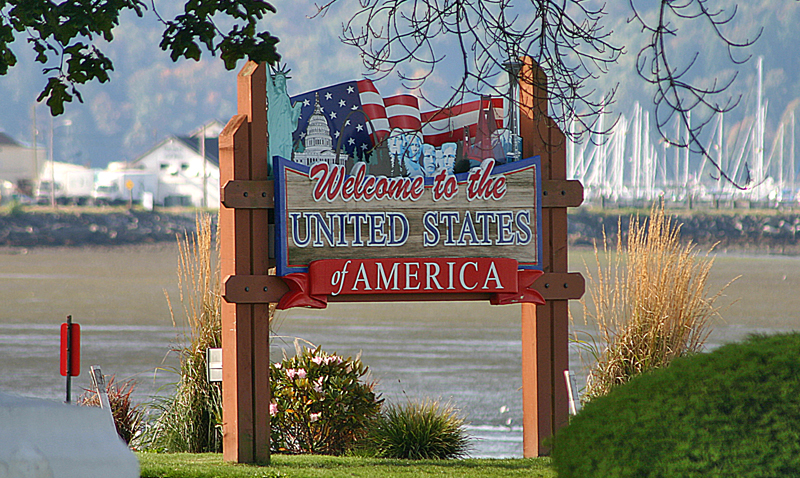
Geographic Diversity and the Concept of Economic Autarky
One of the most defining characteristics of the United States as it reaches its 250-year mark is its vast and varied topography. Spanning nearly 3.8 million square miles, the U.S. remains one of the few nations in the world capable of operating as a near-perfect autarky—a state of economic self-sufficiency. Economists point to the country’s ability to produce nearly all essential goods within its borders due to its diverse climates and abundant natural resources.
The American landscape offers an unparalleled range of environments, from the frozen Arctic tundra of Alaska to the subtropical wetlands of Florida and the coral reefs of the Virgin Islands and Hawaii. The nation’s interior is defined by the Great Plains, the Rocky Mountains—home to some of the highest peaks in North America—and the arid deserts of the Southwest. This geographic variety not only supports a robust domestic tourism industry but also provides the resource base necessary for agricultural, mineral, and energy independence.
Data from the U.S. Department of the Interior indicates that the National Park System, which now manages over 420 sites, saw record-breaking attendance in the lead-up to the 250th anniversary. These protected areas serve as a cornerstone of the American identity, offering citizens the ability to travel thousands of miles and experience vastly different ecosystems without the requirement of a passport or international visas.
The Global Proliferation of American Culture
Beyond its physical borders, the United States has exerted a profound influence on global culture through its "soft power." In 2026, the export of American entertainment, cuisine, and lifestyle remains a dominant force in international markets. Industry reports suggest that Hollywood productions and American digital streaming services account for a significant majority of global media consumption.
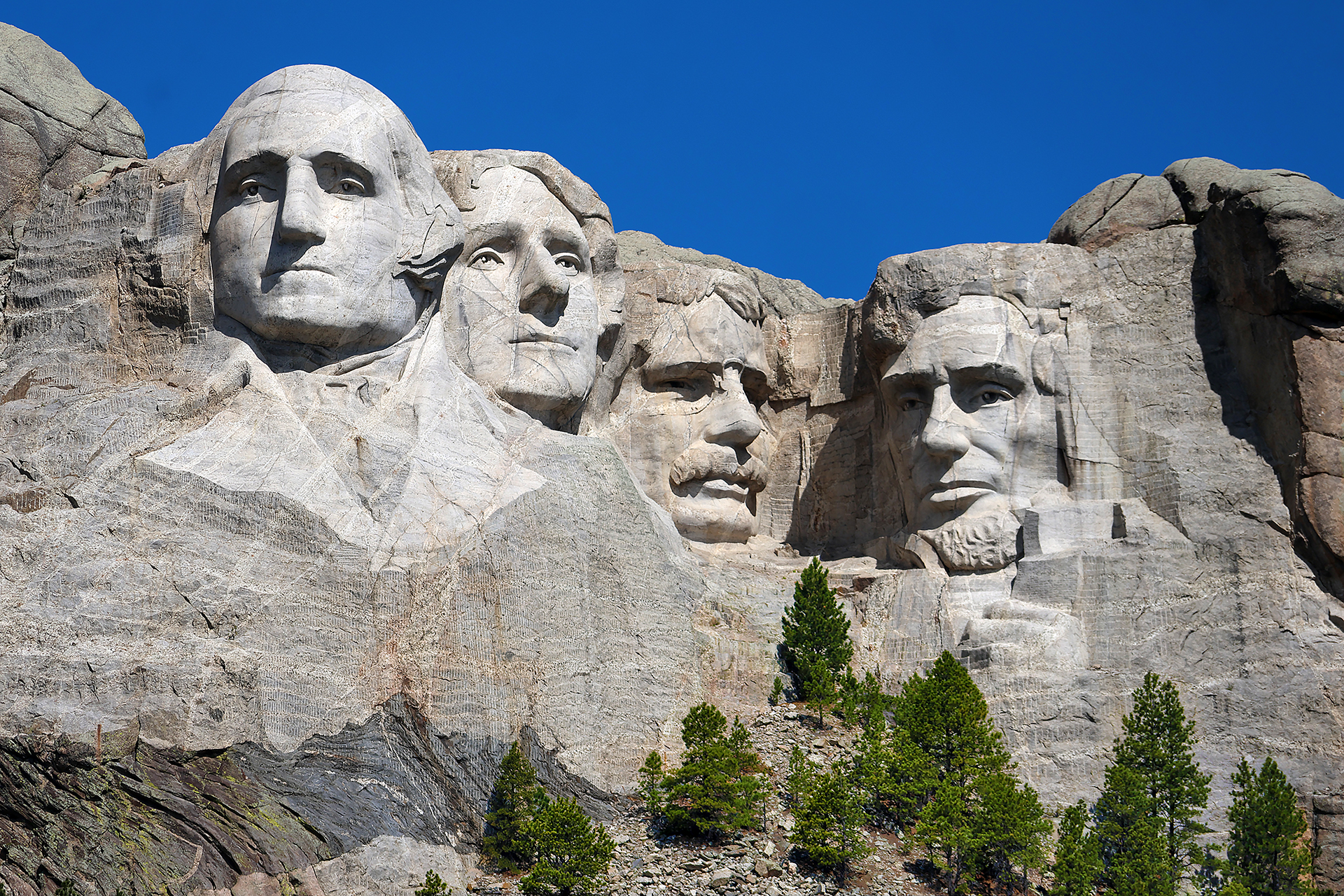
The adoption of American cultural staples is evident in urban centers worldwide. From the ubiquity of New York-style pizza and Southwestern cuisine in European and Asian capitals to the global popularity of American sports leagues like the NBA and MLB, the "American brand" continues to resonate. Notably, the New York Yankees baseball cap has transitioned from a piece of athletic equipment into a global fashion icon, frequently seen in cities from Sydney to Berlin.
Furthermore, the American tradition of holiday celebrations has seen increased adoption abroad. Thanksgiving and Halloween, once localized to North America, are now observed in various forms across the globe, driven by commercial interests and the international reach of American social media. This cultural exchange is viewed by sociologists as a testament to the nation’s ability to innovate and market concepts that achieve universal appeal.
The Evolution of American Infrastructure and the Road Trip Tradition
A central component of the American experience over the last century has been the development of the Interstate Highway System, initiated by the Federal Aid Highway Act of 1956. This network of roads fundamentally changed how Americans interact with their country, giving rise to the "quintessential American road trip."
By 2026, the infrastructure supporting domestic travel has evolved to include advanced electric vehicle charging networks and modernized highway facilities, yet the cultural significance of the road trip remains intact. Historically, the rise of the roadside hotel—exemplified by the early growth of brands like Holiday Inn—allowed for a democratization of travel, making it possible for families to traverse the continent at a relatively low cost.
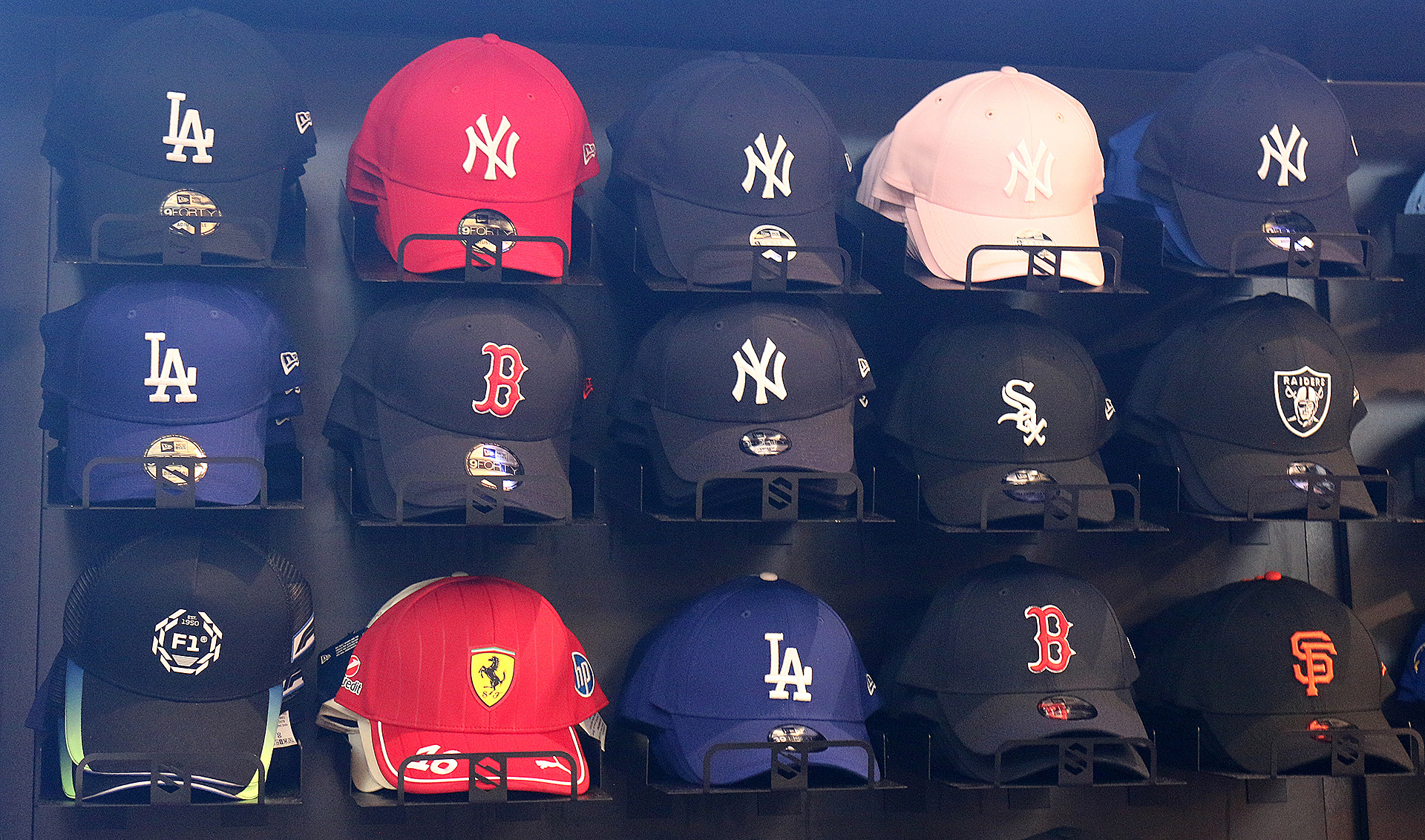
Travel industry data for 2026 shows a resurgence in domestic "impromptu" travel, where citizens opt for minimal planning and maximum exploration of the nation’s 50 states. Despite the rise of high-speed digital connectivity, the physical act of discovering the varied regions of the U.S. by road continues to be a rite of passage for many, reinforcing a sense of national unity through shared geographic exposure.
Societal Reflections and Public Sentiment
The Semiquincentennial has not only been a time of celebration but also a period of deep introspection. Public opinion polls conducted in early 2026 by major research institutions reveal a complex sentiment among the American populace. While there is a high degree of pride in the nation’s foundational principles of freedom and opportunity, there is also an acknowledgment of the challenges the country has faced in recent years, including political polarization and economic disparities.
In statements released by civic leaders and historians, the 250th anniversary is described as an opportunity to reconcile the nation’s "perfect ideals" with its "imperfect reality." The 2026 observances have included a focus on the diverse narratives that constitute American history, including the experiences of Indigenous populations, the legacy of the civil rights movement, and the contributions of immigrant communities that have shaped the nation’s demographic landscape.
Official reactions from international leaders have poured in, with many acknowledging the United States’ role in shaping the modern democratic framework. European Union representatives and members of the G7 have issued communiqués highlighting the enduring strength of the Transatlantic alliance and the importance of American leadership in global innovation and security.

Broader Implications and the Future Outlook
As the United States enters its next quarter-millennium, the implications of its current trajectory are being analyzed by policy experts. The nation remains a leader in technological innovation, particularly in fields such as artificial intelligence, aerospace, and renewable energy. The "America250" milestone serves as a launchpad for several long-term initiatives, including renewed lunar exploration and large-scale infrastructure projects aimed at ensuring climate resilience.
The concept of the "American Dream" continues to evolve. While historically associated with homeownership and upward mobility, in 2026, it is increasingly defined by the unique freedoms and plentiful opportunities that many citizens recognize as distinct when compared to other regions of the world. The ability to express dissent, pursue diverse career paths, and participate in a pluralistic society remains a core draw for millions globally.
In conclusion, the 250th anniversary of the United States of America is more than a chronological milestone; it is a celebration of a nation that has maintained its core identity while undergoing constant transformation. From the rugged peaks of its mountain ranges to the bustling streets of its metropolitan hubs, the U.S. continues to offer a vast array of experiences that define its character. As the fireworks conclude and the Semiquincentennial year progresses, the focus shifts toward the future, with the nation aiming to build upon its legacy of independence and innovation for the next 250 years.




 Chandra Hamzah
 Tatiana Tantri Indah Sari
 Anjar Salim

