
 Gabriela Annisa
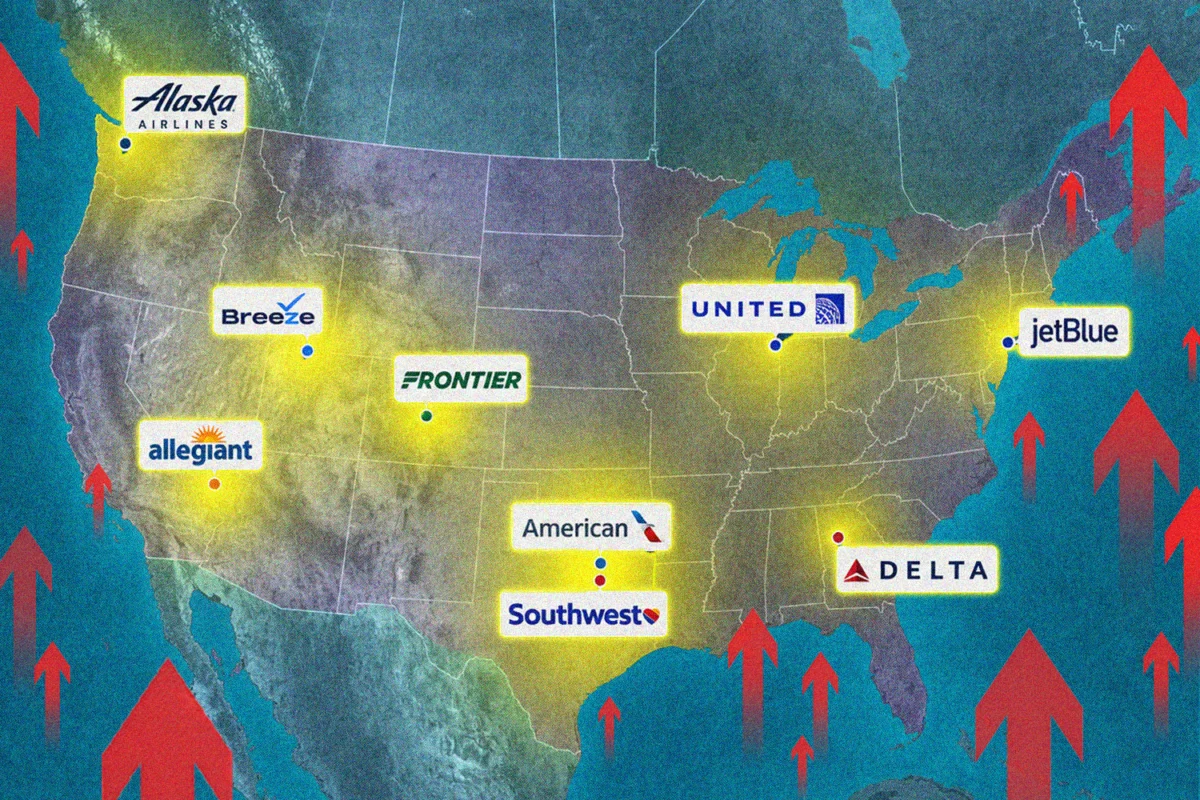
The North American aviation sector is currently navigating a period of intense operational and financial strain as jet fuel prices reach levels not seen since the volatility of the mid-2020s. While passenger demand remains robust, the sudden and aggressive escalation in fuel costs—the industry’s largest variable expense—has forced carriers to reconsider their financial outlooks for the remainder of 2026. This confluence of high load factors and skyrocketing energy expenditures has left investors and analysts questioning whether the current revenue strength is sufficient to offset the mounting pressure on bottom-line profitability.
A Chronology of the 2026 Fuel Crisis
The current predicament did not emerge overnight. Throughout the first half of 2026, the aviation industry experienced a period of relative stability, characterized by predictable fuel hedging strategies and steady, if moderate, growth in travel demand. However, by late July 2026, global geopolitical tensions began to tighten supply chains, leading to a steady climb in crude oil benchmarks.
By mid-August, the price of refined kerosene—the primary component of jet fuel—began to decouple from broader economic indicators, rising sharply as refinery capacity in North America faced maintenance-related constraints. As of September 2026, the average cost of jet fuel per gallon has climbed nearly 22% compared to the same period in 2025. This rapid acceleration has disrupted the financial planning models of major carriers, which had previously accounted for a more conservative fuel pricing scenario in their Q3 and Q4 projections.
The Revenue Paradox: Demand vs. Cost
A critical factor preventing an industry-wide collapse is the sustained strength of passenger demand. Throughout the post-summer shoulder season, booking volumes have remained elevated, particularly in the premium cabin segments. Airlines have leveraged this demand to implement tactical yield management, effectively passing on a portion of the increased fuel costs to the consumer.
Industry data indicates that while average ticket prices have risen by approximately 12% across domestic routes, there has been no significant degradation in passenger load factors. This suggests that the current consumer base—driven by a mix of corporate travel recovery and resilient leisure spending—is, for the moment, price-inelastic. However, economists warn that this dynamic may have a limited shelf life. As disposable income is squeezed by broader inflationary pressures, the industry’s ability to sustain these price points will face a rigorous test as the winter travel season approaches.
Supporting Data and Operational Impacts
To understand the severity of the current climate, one must look at the structural shift in airline cost bases. For a major carrier operating a fleet of 500 narrow-body aircraft, a $0.50 per gallon increase in jet fuel translates to hundreds of millions of dollars in additional annual expenditure.
In response, airlines have been forced to take drastic measures:
- Capacity Optimization: Several carriers have announced a reduction in low-margin regional routes to consolidate passengers onto more fuel-efficient, high-density mainline flights.
- Fleet Modernization Acceleration: Airlines are prioritizing the retirement of older, fuel-thirsty aircraft, accelerating the transition to next-generation narrow-body fleets such as the Airbus A321neo and Boeing 737 MAX 10, which offer significant per-seat fuel efficiency gains.
- Operational Efficiency: Flight planning software is being optimized to prioritize fuel-saving trajectories, though air traffic control limitations and weather patterns continue to impose constraints on these efforts.
Perspectives from the Industry and Analyst Community
While official statements from airline executives remain cautiously optimistic, the underlying tone in recent investor briefings has shifted toward prudence. Leadership teams are emphasizing "operational agility," a term that has become a euphemism for the rapid adjustment of flight schedules and pricing structures in response to real-time fuel market volatility.
Market analysts, including those from leading aviation consultancies, point to the "hedging divide." Airlines that entered 2026 with aggressive fuel-hedging programs are currently reporting significantly stronger margins than those that opted for spot-market exposure. This divide has created a two-tier market within the North American sector, where the financial stability of a carrier is increasingly correlated with its risk management department rather than its operational efficiency alone.
"The industry is currently in a state of managed endurance," says a lead analyst covering the transport sector. "The revenue side of the equation is holding up, but the margin buffer is thinning. If fuel prices remain at current levels for another two quarters, we expect to see a meaningful retraction in growth plans, particularly regarding the expansion of new, unproven routes."
Broader Implications for the Aviation Ecosystem
The ripple effects of this fuel-induced pressure extend beyond the balance sheets of airlines. Airport operators, who rely on flight volumes for revenue, are monitoring the situation closely. A reduction in flight frequency could impact non-aeronautical revenue streams, such as parking and concessions. Furthermore, the aerospace supply chain, already struggling with post-pandemic output constraints, may face renewed pressure if airlines cancel or defer new aircraft deliveries to conserve capital.
From a regulatory standpoint, there is also increased scrutiny on how these costs are being passed to the consumer. While the Department of Transportation has maintained a hands-off approach to airline pricing, any sign of predatory pricing or anti-competitive behavior in the name of "fuel recovery" could invite closer investigation.
Navigating the Winter Months
As the industry transitions into the final quarter of 2026, the focus will shift to capacity management and fuel inventory levels. The traditional holiday travel surge provides a critical revenue opportunity, but it also increases the cost of fuel consumption during a period of high operational activity.
If fuel prices continue their upward trajectory, the industry may reach a "break-point" where passenger volumes begin to contract due to the sheer cost of travel. Such a scenario would leave airlines with few options: either absorb the costs—resulting in significant net losses—or drastically reduce capacity, which could lead to service disruptions and public dissatisfaction.
For now, the sector remains in a state of high-pressure equilibrium. The success of the next few months will depend not just on the price of a barrel of oil, but on the ability of airline management teams to balance the delicate tension between protecting margins and maintaining the passenger loyalty that has been so hard-won since the recovery began. The "pressure dial" mentioned in industry reports may not yet be at the red mark, but the needle is undeniably moving closer to the center of the gauge, signaling that the margin for error in 2026 is thinner than it has been in years.
The industry is effectively betting that the consumer’s desire to fly will remain greater than their sensitivity to the price of a ticket. It is a high-stakes gamble, and as the winter months approach, the aviation world will be watching closely to see if the North American market can sustain this delicate, expensive dance.




 Lukman Taruna Persada Ramadan

 Tatiana Tantri Indah Sari

 Anjar Salim


 Dwi Wanna
