Gabriela Annisa
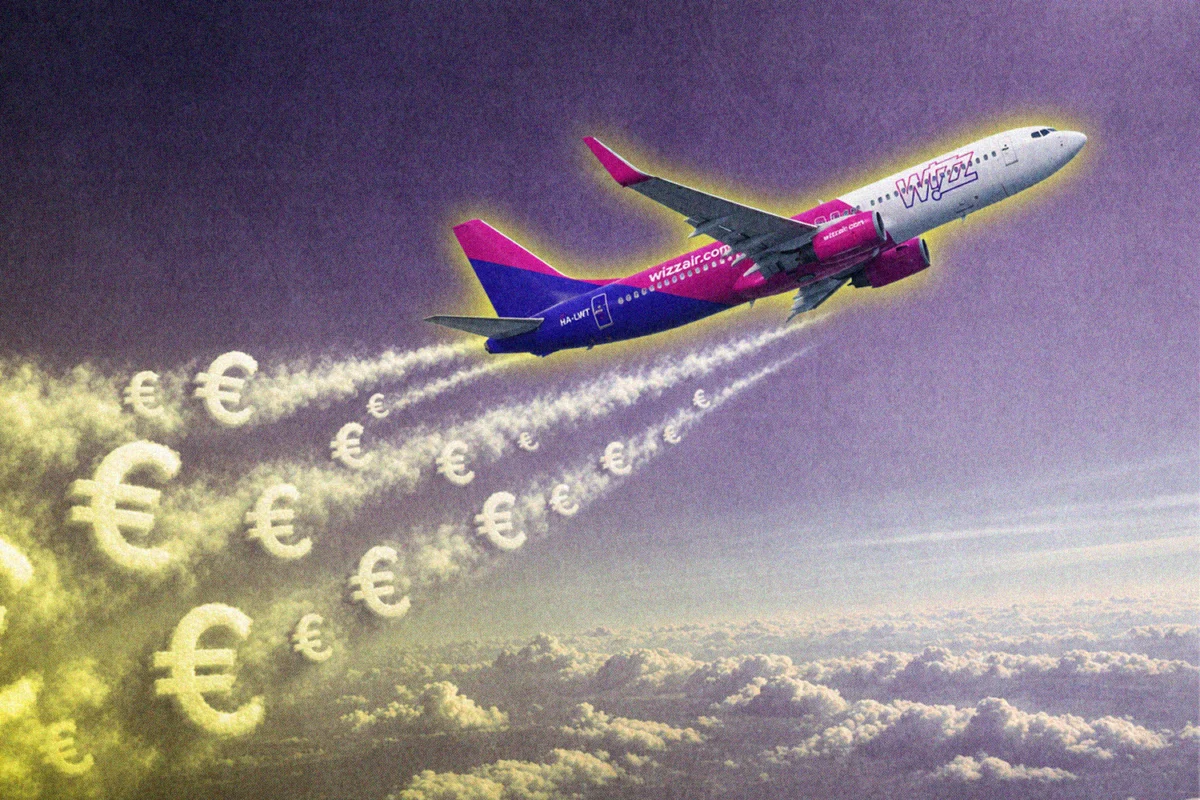
As the aviation industry approaches the final quarter of the year, the specter of volatile fuel prices has once again emerged as the primary threat to profitability, casting a long shadow over the low-cost carrier (LCC) model that has dominated European skies for the past decade. For carriers like Wizz Air, which have built their business empires on the pillars of aggressive capacity growth, fleet modernization, and ultra-low unit costs, the current macroeconomic environment feels uncomfortably reminiscent of past energy crises. Executives and analysts alike are now forced to confront a pivotal question: will the current fuel fever break through a surge in supply, mirroring the 2015 recovery, or will it be extinguished by a demand-crushing recession, echoing the dark days of 2008?
The Anatomy of the Fuel Crisis
Jet fuel prices remain the most significant variable cost for any airline, typically accounting for between 20% and 30% of total operating expenses. For Wizz Air, a carrier that prioritizes scale to keep seat-kilometer costs at industry-leading lows, price spikes are not merely accounting nuisances—they are existential challenges.
The current situation is characterized by a "triple squeeze" on airlines: elevated crude oil prices, persistent refinery capacity constraints, and a geopolitical landscape that complicates supply chains. Unlike the early 2010s, where global production could be pivoted relatively quickly to stabilize markets, today’s energy sector is hampered by years of under-investment in fossil fuel infrastructure and a volatile transition toward sustainable aviation fuels (SAF), which remain significantly more expensive than conventional kerosene.
A Chronology of Aviation Energy Shocks
To understand Wizz Air’s current predicament, it is essential to contextualize the historical milestones that shaped the modern LCC model:
- 2008: The Great Recession: The global financial crisis led to a catastrophic collapse in discretionary spending. Oil prices had spiked to record highs just before the crash, creating a "worst of both worlds" scenario where fuel was expensive, but passengers were unable to afford the ticket prices necessary to pass those costs on.
- 2014–2015: The Supply Bonanza: Following a period of high prices, global oil production surged—spurred largely by the U.S. shale revolution. This created a massive supply glut that sent prices plummeting. For airlines, this was the "golden era," allowing for rapid expansion, fleet renewal, and the democratization of air travel across Eastern and Central Europe.
- 2020–2021: The Pandemic Disruption: While demand vanished, fuel prices initially plummeted. However, the subsequent recovery saw a lack of refinery investment, leading to the current structural tightness in the market.
- 2024–2025: The Current Uncertainty: We are currently witnessing a period of high demand coupled with high energy costs. The question facing boards today is whether the energy sector will respond with the supply-side investment seen in 2015, or if the global economy will succumb to inflationary pressures, leading to a demand-side contraction.
Supporting Data and Financial Performance
Wizz Air’s strategy has long relied on the "Airbus A321neo advantage." By flying the largest, most fuel-efficient single-aisle aircraft available, the airline effectively hedges against fuel price volatility through sheer technical efficiency. However, even the most efficient fleet cannot fully offset a 30% to 50% spike in jet fuel spot prices.
In recent quarterly filings, Wizz Air reported that fuel costs represented a significantly larger share of their total operating expenditure compared to the same period in 2019. The airline’s seat-kilometer cost—the gold standard metric for LCC efficiency—has faced upward pressure. While the carrier maintains a robust balance sheet, the "cost per seat" is becoming increasingly sensitive to the price of a barrel of Brent crude.
Analysts point to the load factor—the percentage of available seats filled—as the critical indicator. During the 2008 downturn, load factors plummeted as business and leisure travelers alike opted to stay home. Conversely, in the 2015 expansionary period, load factors remained high as falling ticket prices stimulated latent demand. Current data suggests that while demand remains resilient, the "yields"—the amount of money each passenger pays—are being stretched thin by the need to cover fuel surcharges.
Industry Reactions and Expert Analysis
Industry stakeholders are divided on the outlook. Some, such as those within the International Air Transport Association (IATA), have argued that the industry’s shift toward more fuel-efficient fleets will provide a structural buffer that did not exist in 2008.
"The industry is fundamentally more robust than it was fifteen years ago," noted one senior aviation analyst. "However, Wizz Air is uniquely exposed because of its relentless growth strategy. They are essentially ‘long’ on passenger demand. If the macro economy dips, their aggressive capacity expansion—which requires high load factors to be profitable—could turn into a liability, leading to price wars that erode margins for everyone."
Wizz Air’s leadership has consistently maintained that their "ultra-low-cost" status makes them the "last airline standing" in any market. By offering the lowest fares, they argue they can capture market share from legacy carriers during downturns, as price-sensitive consumers abandon full-service airlines in favor of basic, no-frills travel. This "defensive growth" strategy assumes that there will always be a market for cheap travel, regardless of the economic climate.
Broader Impact and Economic Implications
The implications of this fuel-sensitive environment extend far beyond Wizz Air. If fuel prices remain elevated, the entire European aviation landscape faces a period of consolidation. Small-to-medium carriers with older fleets and weaker balance sheets are likely to face insolvency, potentially leading to a market with fewer, albeit larger, players.
Furthermore, the environmental imperative to adopt SAF adds another layer of complexity. SAF is currently priced at a premium, and as European Union mandates begin to require higher blending percentages, the cost of fuel will effectively be decoupled from the global oil market and linked to the costs of agricultural and synthetic production. This creates a long-term "price floor" that may permanently change the economics of low-cost travel.
For the consumer, this means the era of the €10 flight is likely reaching its natural conclusion. Airlines are no longer just fighting against the price of oil; they are fighting against a structural increase in the cost of operation that includes regulatory compliance, environmental levies, and higher debt-servicing costs in a high-interest-rate environment.
Strategic Outlook: What Comes Next?
As Wizz Air navigates the coming months, its focus will likely remain on three core pillars:
- Fleet Modernization: Continuing the transition to A321neo aircraft to squeeze every possible mile out of every gallon of fuel.
- Capacity Discipline: While the airline has been known for aggressive growth, recent signals suggest a move toward more disciplined capacity management to protect yields in high-cost environments.
- Ancillary Revenue: Increasing reliance on non-ticket revenue—baggage fees, priority boarding, and onboard sales—to diversify income streams away from the volatile base fare.
Ultimately, the lesson of 2008 and 2015 is that the aviation industry is cyclical, but the nature of the cycle changes. Wizz Air is attempting to steer through the current volatility by betting that its operational efficiency will outperform the broader economic headwinds. Whether the "fuel fever" breaks through a supply surge or a demand crash, the carrier’s ability to remain nimble will determine whether it remains the disruptor of the European market or becomes the latest victim of the industry’s long-standing energy addiction.
For now, the sector watches with bated breath. The summer season has concluded, and the winter months—traditionally a period of lower demand and higher operational costs due to weather—will serve as a bellwether for the rest of the year. If Wizz Air can maintain its margins through this period, it will have successfully navigated one of the most challenging fuel environments in its history. If not, the debate over its growth-at-all-costs model will intensify, and the industry may be forced to reckon with a future where the sky is no longer the limit for expansion.



 Lukman Taruna Persada Ramadan

 Tatiana Tantri Indah Sari

 Anjar Salim

 Budi Mulyono