
 Anjar Salim
The global outdoor recreation industry has seen a significant shift in consumer expectations over the last decade, transitioning from a "roughing it" mentality to one focused on "outdoor wellness" and restorative experiences. At the center of this evolution is the sleep system, a critical component that determines the success of multi-day expeditions and casual weekend excursions alike. In a comprehensive field study conducted during the 2025-2026 testing season, gear experts evaluated 25 distinct sleep platforms to determine whether the steep price climb from entry-level air beds to premium camping mattresses is justified by performance metrics. The results indicate that while comfort remains subjective, the technical differences in thermal insulation, material durability, and mechanical convenience provide a clear roadmap for consumer investment.
The Evolution of the Outdoor Sleep Market
For decades, the standard for backcountry sleep was defined by the closed-cell foam mat—a reliable but Spartan solution costing less than $40. However, as car camping and "glamping" have surged in popularity, manufacturers have integrated technologies previously reserved for home bedding into portable formats. The 2026 market landscape now presents a wide spectrum of options, ranging from $30 foam mats to sophisticated systems exceeding $400.
The testing methodology for this analysis involved 25 different models, which were eventually narrowed down to nine top-tier recommendations. From this selection, three models were chosen to represent the budget, mid-range, and luxury tiers of the market. These selections—the Kelty Kush Air Bed, the Nemo Roamer, and the Zempire Monstabed Twin—illustrate how price points correlate with specific engineering choices and target demographics.
The Entry-Level Tier: Analyzing the Kelty Kush Air Bed
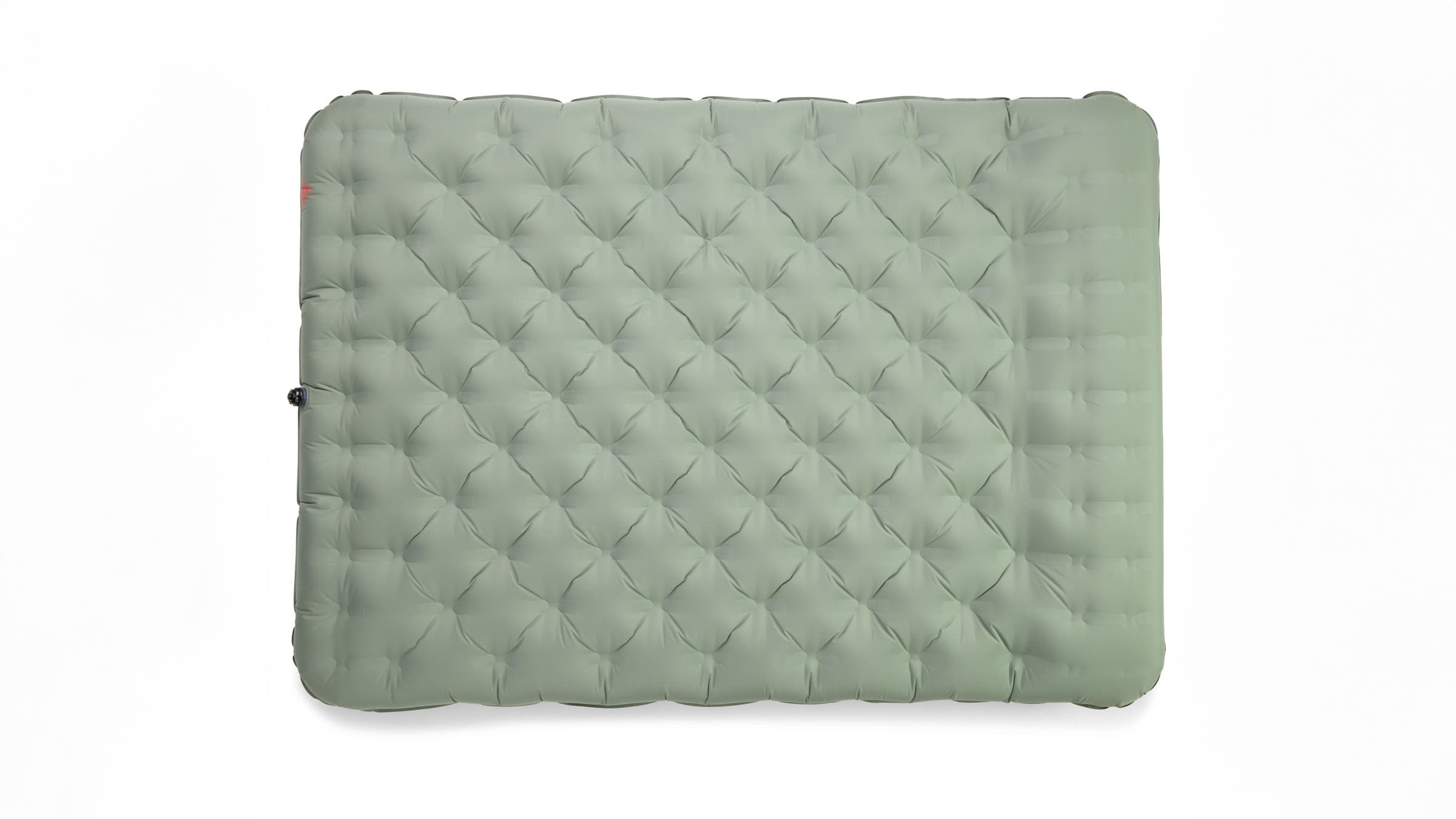
At the $140 price point, the Kelty Kush Air Bed represents the modern "budget" entry for those who prioritize elevation over advanced thermal technology. Unlike traditional $30 foam pads, which offer minimal cushioning, the Kush provides six inches of air-filled support.

Technical Specifications and Performance
The Kelty Kush measures 79 by 55.5 inches, offering a generous footprint suitable for two sleepers or one individual seeking maximum sprawl. One of its primary advantages is its packability; despite its inflated size, it compresses to roughly the dimensions of a laptop. This is achieved through a purely air-based design, omitting the heavy internal foam found in more expensive models.
A significant value-add for the Kelty Kush is the inclusion of a USB rechargeable pump. In field tests, this allowed for a full inflation time of approximately four minutes, a stark contrast to the manual exertion required for older air mattresses. However, the $140 price point necessitates certain compromises. The exterior is constructed from a 75-denier polyester that, while durable, produces a distinct "zip-zip" sound when the sleeper moves. Furthermore, the material lacks a soft-touch finish, making it less comfortable against bare skin compared to higher-end textiles.
The Mid-Range Standard: The Engineering of the Nemo Roamer
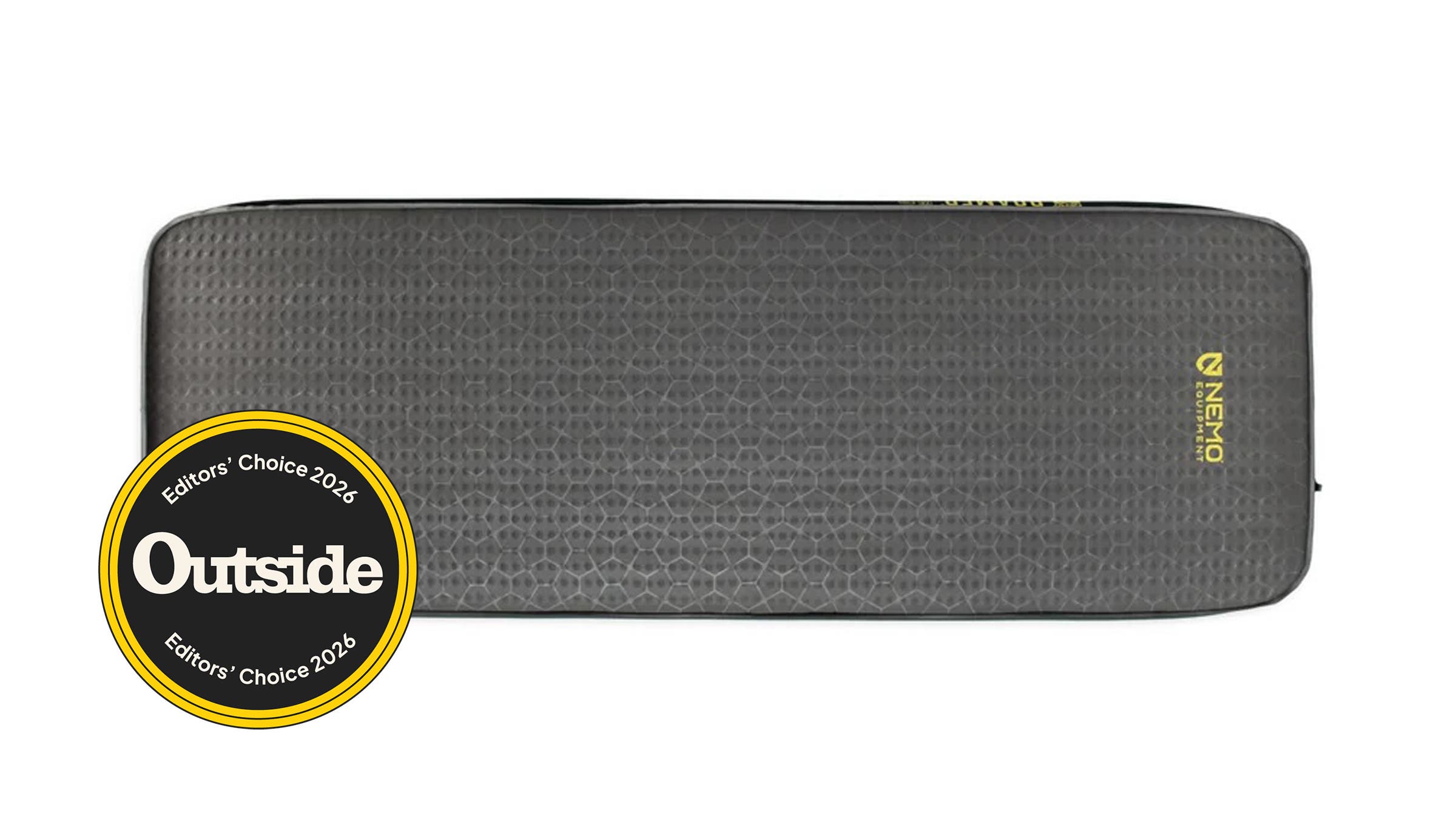
Moving into the $260 to $280 range, the Nemo Roamer serves as the industry benchmark for "self-inflating" hybrid pads. This category attempts to bridge the gap between the lightweight nature of air pads and the consistent support of home mattresses. The Roamer received the 2026 Editor’s Choice award following a major redesign that enhanced its thermal properties and material feel.
Thermal Efficiency and Material Science
The most significant upgrade in the mid-range tier is the R-value, a measure of thermal resistance. While the budget Kelty Kush does not provide a rated R-value (suggesting it is best suited for warm-weather use), the Nemo Roamer boasts an R-value of 7. This rating is achieved through an inflatable open-cell foam construction. In practical terms, this allows the pad to insulate the sleeper from the cold ground even when temperatures drop well below 30 degrees Fahrenheit.
The Roamer utilizes an updated PU stretch polyester fabric, which offers a "supple" feel that mimics traditional bed sheets. This material is also engineered for durability, reducing the risk of punctures from forest floor debris. Despite its high performance, testers noted a logistical drawback: the high-density foam that provides its comfort also makes the pad difficult to compress, often resulting in a "wrestling match" to fit the unit back into its original stuff sack.
The Luxury Tier: The Zempire Monstabed Twin Splurge
At the $400 mark, the Zempire Monstabed Twin represents the pinnacle of "glamping" technology. This unit is less of a "pad" and more of a portable furniture system, designed for those who refuse to compromise on sleep quality or those with physical limitations, such as chronic back pain, that make rising from a low ground pad difficult.
Unprecedented Elevation and Insulation
The Monstabed Twin stands 16.5 inches tall, a height comparable to a standard home guest bed. This elevation is achieved through a dual-layer system: an inflatable base platform topped with a high-density open-cell foam topper. This configuration results in a staggering R-value of 10.5, making it one of the warmest portable sleep systems on the market. Such a rating ensures that the sleeper remains thermally isolated even in sub-zero conditions.
The trade-off for this luxury is found in its physical footprint. When packed, the Monstabed is the size of a large carry-on suitcase, making it strictly a car-camping tool. Furthermore, while marketed as a "twin," its 53-inch width is actually one inch narrower than a standard full-size mattress, which may feel tight for two large adults. However, for a single camper or a couple in a large "pro-style" tent, it offers a level of comfort that testers described as superior to many home mattresses.
Comparative Data Analysis: Price vs. Performance
To understand the value proposition of these three tiers, it is necessary to look at the data across three key metrics: Thermal Resistance (R-value), Thickness (Support), and Material Quality (Durability/Noise).
| Feature | Kelty Kush (Budget) | Nemo Roamer (Mid-Range) | Zempire Monstabed (Splurge) |
|---|---|---|---|
| Price | $140 | $260–$280 | $400 |
| Thickness | 6 inches | 4 inches | 16.5 inches |
| R-Value | N/A (Est. 1-2) | 7.0 | 10.5 |
| Primary Material | 75D Polyester | PU Stretch Polyester | 150D Ripstop / Foam |
| Weight/Bulk | Low (Laptop size) | Moderate | High (Suitcase size) |
| Inflation Method | Included USB Pump | Self-Inflating Valve | External Electric Pump |
The data suggests a non-linear relationship between price and thickness, but a highly linear relationship between price and thermal insulation. While the $140 Kelty is thicker than the $280 Nemo, the Nemo is significantly warmer and quieter. The $400 Zempire maximizes both thickness and warmth, essentially removing all environmental variables from the sleep experience.
Broader Implications for the Outdoor Industry
The diversification of the camping mattress market reflects broader economic and social trends. As the "experience economy" continues to grow, consumers are increasingly willing to pay a premium for equipment that guarantees a baseline of comfort. This shift has forced traditional outdoor brands to innovate in areas like valve technology, fabric acoustics, and internal foam structures.
From a health perspective, the rise of high-end mattresses like the Zempire Monstabed makes the outdoors more accessible to an aging demographic and individuals with mobility issues. By providing a sleep surface that is 16 inches off the ground, the industry is lowering the barrier to entry for those who might otherwise find traditional camping physically prohibitive.
Conversely, the success of mid-range pads like the Nemo Roamer indicates a strong market for "versatility." Many campers are looking for a "one-and-done" purchase—a pad that is light enough for short walk-ins but comfortable enough for a week-long stay at a designated campsite.
Conclusion and Final Analysis
The testing of 25 models confirms that the difference between a $140 and a $400 sleep system is not merely a matter of "brand prestige." Instead, the price gap is accounted for by specific engineering milestones:
- Acoustics and Tactility: Higher-priced pads use stretch fabrics and silent laminates to eliminate the "plastic-bag" noise common in budget air beds.
- Thermal Integrity: The jump from an unrated air bed to a 10.5 R-value mattress represents the difference between a summer-only product and a true four-season survival tool.
- Mechanical Reliability: Premium models utilize high-flow valves and integrated foam structures that provide a fail-safe; if a $400 hybrid pad leaks, the internal foam still provides a layer of protection, whereas a budget air bed will leave the sleeper on the bare ground.
Ultimately, the choice depends on the user’s "sleep subjectivity." For those who can sleep anywhere, the $140 Kelty Kush provides ample cushion at a reasonable weight. However, for those seeking to replicate the thermal and physical support of a home bedroom in the wilderness, the $400 investment in a system like the Zempire Monstabed is a quantifiable upgrade in recovery and performance. As the 2026 season continues, these three models stand as the definitive examples of how different budgets translate into different nights under the stars.




 Chandra Hamzah
 Tatiana Tantri Indah Sari
 Budi Mulyono
 Lukman Taruna Persada Ramadan