
 Susilo Edi Turonggo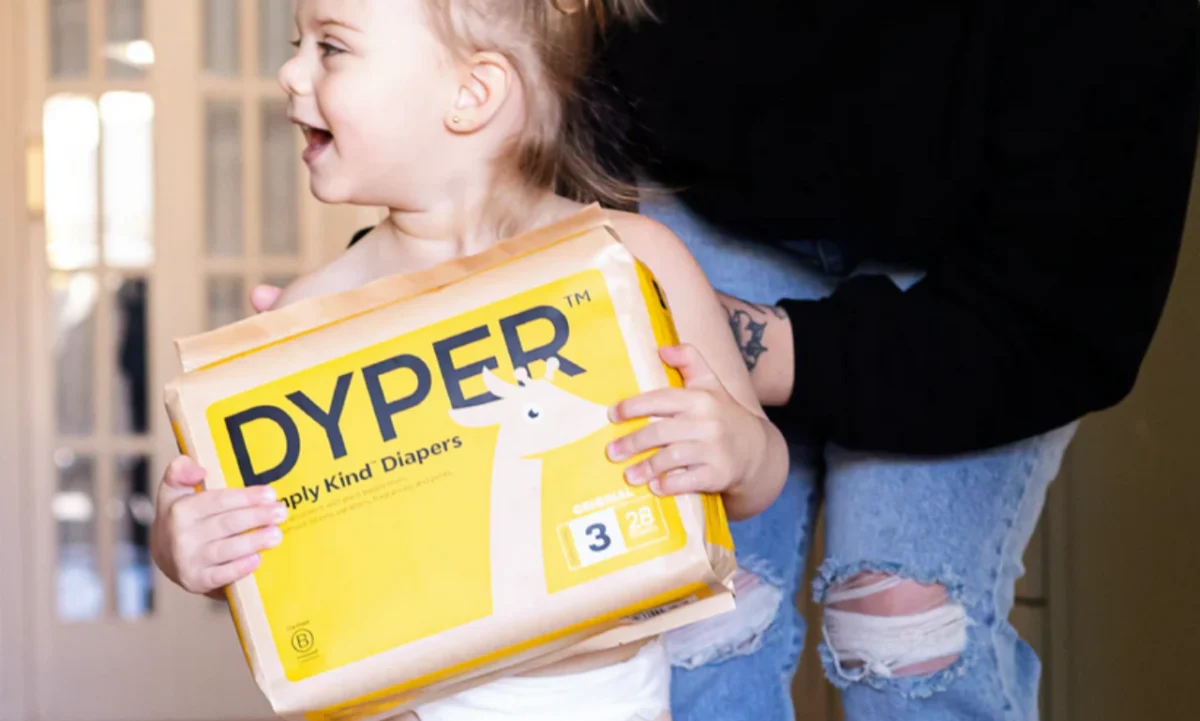
This article is sponsored by Dyper, a maker of plant-based, compostable single-use diapers. Image credit: Dyper.
The arrival of a newborn brings immense joy, but also an undeniable truth for modern parents: babies generate a substantial amount of waste, much of it in the form of disposable diapers. This reality, often an unspoken challenge, represents a significant environmental burden and, increasingly, a public health concern. Traditional single-use diapers, while convenient, contribute heavily to landfills and expose infants to a cocktail of potentially harmful chemicals. In response to this growing crisis, companies like Dyper are pioneering innovative solutions, offering plant-based, compostable alternatives designed to mitigate environmental impact and safeguard infant health.
The Unseen Burden: Diapers in the Waste Stream
The statistics paint a stark picture of the scale of the problem. A single baby typically uses an astonishing 6,000 to 7,000 disposable diapers within their first two years of life. Multiplying this by the millions of babies born globally each year reveals a staggering volume of non-biodegradable waste. In the United States alone, disposable diapers account for an estimated 3.4 million tons of waste annually, making them the third-largest single consumer item in landfills after newspapers and beverage containers. These diapers, predominantly made from plastics, super-absorbent polymers, and synthetic materials, take an estimated 250 to 500 years to decompose, if they ever fully do, leaching microplastics and potentially toxic substances into the soil and groundwater during that time.
Beyond the sheer volume, the environmental footprint extends to manufacturing. The production of traditional disposable diapers requires vast amounts of crude oil for plastics and energy for processing, contributing to greenhouse gas emissions. The bleaching processes used for pulp can also release dioxins, persistent environmental pollutants with known carcinogenic properties.
A Health Conundrum: Chemicals in Conventional Diapers
The environmental impact is only one facet of the problem; the health implications for infants are equally concerning. Traditional disposable diapers are not merely layers of absorbent material; they are complex chemical constructs. Many contain phthalates, chemicals used to make plastics more flexible, which have been linked to endocrine and reproductive disorders. Fragrances, often added to mask odors, can contain hundreds of undisclosed chemicals, many of which are known allergens or irritants, potentially leading to acute skin rashes and respiratory issues in sensitive infants.
Other common components include volatile organic compounds (VOCs) such as toluene, xylene, and ethylbenzene, which can be released as gases, and organotins, a group of chemicals that can be toxic even at low concentrations. Dioxins, byproducts of chlorine bleaching, can also be present, despite manufacturers’ efforts to reduce them. The Consumer Product Safety Commission (CPSC) in the U.S. has notably lax regulations for baby diapers, requiring testing only for lead, leaving a vast array of other potentially harmful chemicals, including carcinogens and endocrine disruptors, largely unregulated and untested. This regulatory vacuum places the onus on parents to navigate a complex landscape of product safety claims, often with limited transparent information.

The Genesis of a Sustainable Solution: Dyper’s Vision
The need for a paradigm shift in the diaper industry became clear to Tony Patron, founder of REDYPER™ and Dyper. Patron, like countless new parents, observed the weekly overflow of plastic diapers in his household bins, a tangible manifestation of an unsustainable system. This personal experience, coupled with his background as an engineer, ignited a mission to find a viable alternative. He recognized that while reusable cloth diapers offered an environmental benefit, their intensive washing requirements and logistical challenges often made them impractical for busy modern families, leaving a significant gap in the market for a convenient yet sustainable single-use option.
Patron’s journey began with a collaborative spirit, initially exploring partnerships with companies already working on compostable diaper technology. This collaborative approach eventually led to the formation of Dyper, a company committed to developing high-performance, non-toxic, and truly biodegradable diapers. The core philosophy was simple yet ambitious: create a diaper that not only performs on par with conventional brands in terms of absorbency, fit, and comfort but also drastically reduces environmental impact and ensures infant safety.
Innovation in Materials and Design: Plants Over Plastic
Dyper’s commitment to sustainability is evident in its meticulous selection of materials. The company prioritizes plant-based components, drawing primarily from US-grown, FSC-certified bamboo and eucalyptus fibers. These renewable resources form the absorbent core of their diapers, offering a natural and sustainable alternative to petroleum-derived plastics. The viscose bamboo used in Dyper products is sourced from Oeko-Tex certified suppliers, ensuring environmentally and socially responsible production. Transparency is a cornerstone of their approach, with each diaper layer clearly labeled with its specific components, empowering conscious parents with full ingredient disclosure.
The brand’s dedication to natural materials extends to its certifications. Dyper diapers are Certified USDA BioPreferred 55% Product, indicating a significant bio-based content, while their wipes achieve an impressive 95% BioPreferred certification. Beyond environmental standards, infant health is paramount. Dyper products meet stringent Oeko-Tex standards and have earned the prestigious DermaTest 5-Star Certification. This independent dermatological testing guarantees that the diapers are free from common irritants and will not cause skin reactions, offering peace of mind to parents concerned about sensitive skin, rashes, and long-term health effects associated with chemical exposure.
The "plants over plastic" philosophy guides every aspect of Dyper’s product development. Their diapers are intentionally free from phthalates, latex, parabens, chlorine, alcohol, perfumes, and other known irritants commonly found in supermarket brands. This deliberate exclusion of harmful chemicals ensures that the natural fibers are gentle on a baby’s delicate skin, minimizing the risk of irritation and supporting overall well-being. Furthermore, the responsible sourcing of these materials underscores an ethical supply chain that considers both environmental stewardship and social responsibility.
Crucially, Dyper understands that sustainability cannot come at the expense of functionality. Their plant-based diapers are engineered for high performance, designed to prevent leaks and rashes, ensuring babies remain dry, comfortable, and happy. This dual focus on ecological responsibility and practical efficacy is vital for widespread adoption, addressing the real-world needs of parents who require reliable diapering solutions.
Beyond the Diaper: The REDYPER Program and Circularity
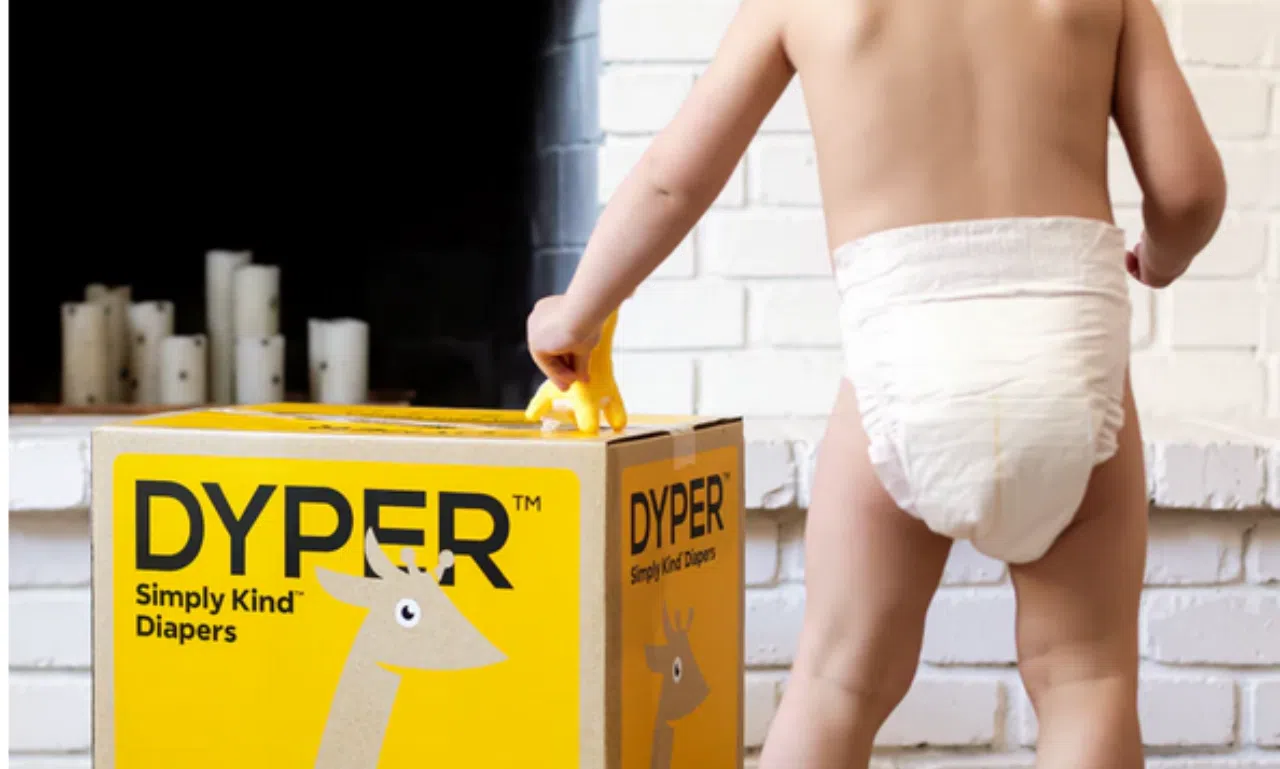
Recognizing that even biodegradable materials need proper end-of-life management, Dyper introduced its innovative REDYPER program. This optional, subscription-based service provides a convenient solution for parents to responsibly dispose of used diapers. Depending on state availability, customers can opt for weekly or biweekly pickup of their soiled diapers and wipes. These collected materials are then transported to regional composting facilities partnered with Dyper.
At these specialized facilities, the plant-based components of the diapers and wipes undergo industrial composting, breaking down within 14 to 16 weeks. While some non-biodegradable elements, such as the small Velcro tabs, are removed from the compost stream and disposed of conventionally, the vast majority of the diaper material is successfully diverted from landfills. The impact of the REDYPER program has been substantial: as of today, it has successfully diverted over 14 million pounds of waste from landfills, demonstrating the tangible benefits of a circular economy approach to baby care.
The REDYPER program addresses a critical challenge in the broader adoption of compostable products: the lack of accessible industrial composting infrastructure for consumers. By providing a convenient take-back and composting service, Dyper bridges this gap, making sustainable diaper disposal a practical reality for its customers. This initiative not only reduces landfill waste but also has the potential to create nutrient-rich compost, contributing to soil health.
Broader Impact and Implications
Dyper’s emergence represents a significant shift in the baby care industry, signaling a growing consumer demand for sustainable and non-toxic products. The company’s success underscores a broader trend where parents are increasingly scrutinizing ingredient lists and demanding greater transparency from brands. This consumer-driven pressure is compelling established players to re-evaluate their product formulations and explore more environmentally friendly alternatives.
From an industry perspective, Dyper’s model challenges the traditional linear "take-make-dispose" approach to product design. By focusing on renewable resources, non-toxic formulations, and a robust end-of-life solution through the REDYPER program, the company is demonstrating a viable pathway towards a more circular economy in baby essentials. This model could inspire other sectors grappling with single-use waste to develop similar take-back and composting initiatives.
However, scaling such solutions presents its own set of challenges. Expanding composting infrastructure, ensuring consistent material breakdown, and managing the logistics of collection across diverse geographical areas require significant investment and collaboration. Regulatory frameworks also need to evolve to support and incentivize truly compostable products and robust waste management systems.
Conclusion: A Sustainable Future for Baby Care
In a world increasingly conscious of environmental impact and health risks, Dyper offers a compelling vision for the future of baby care. By combining high-performance design with plant-based, non-toxic materials and an innovative composting program, the company is addressing the dual crises of diaper waste and chemical exposure. Parents no longer have to choose between convenience and sustainability; Dyper provides a solution that prioritizes both baby’s well-being and the health of the planet. Through its commitment to transparency, innovation, and circularity, Dyper is not merely selling diapers; it is cultivating a movement towards a more responsible and sustainable approach to raising the next generation.




 Anjar Salim
 Chandra Hamzah
 Tatiana Tantri Indah Sari
 Budi Mulyono
 Lukman Taruna Persada Ramadan
