
 Diana Nuri Rohmawati

Nineteen years after a month-long stay defined by limited electricity, pristine isolation, and $2 beachside bungalows, travelers returning to the southern Thai island of Ko Lipe are encountering a starkly different landscape. Once celebrated as an off-the-beaten-path sanctuary where visitors relied on rudimentary infrastructure and kerosene lamps, the island has undergone a profound transformation. Today, Ko Lipe serves as a prominent case study in the complex friction between rapid economic development and environmental preservation within Southeast Asia’s booming tourism sector.
The Evolution of an Isolated Paradise: A Chronology
In 2006, Ko Lipe existed on the periphery of mainstream travel itineraries. Situated in the Satun Province near the Malaysian border and enveloped by the Tarutao National Marine Park, the destination required significant effort to reach. Basic amenities characterized the daily routine: electricity operated for only a few hours each evening, dining options were restricted to a handful of local establishments, and accommodations consisted of simple bamboo and thatch structures.
For early travelers, the appeal lay precisely in this isolation. The historical context of Thai island tourism during the mid-2000s favored low-impact, slow-paced exploration. However, as international marketing expanded and regional transportation infrastructure improved—accelerated by high-speed ferry networks connecting Malaysia and mainland Thailand—remote outposts experienced sudden surges in visitor numbers.
By the late 2010s, Ko Lipe’s growth trajectory accelerated rapidly. Dirt footpaths gave way to poured concrete to accommodate the introduction of motorized vehicles and construction machinery. As demand for mid-range and luxury accommodations rose, investors acquired land from local residents, paving the way for resort complexes equipped with swimming pools—a notable burden on an island lacking a natural freshwater aquifer.
Environmental Strain and Infrastructure Challenges
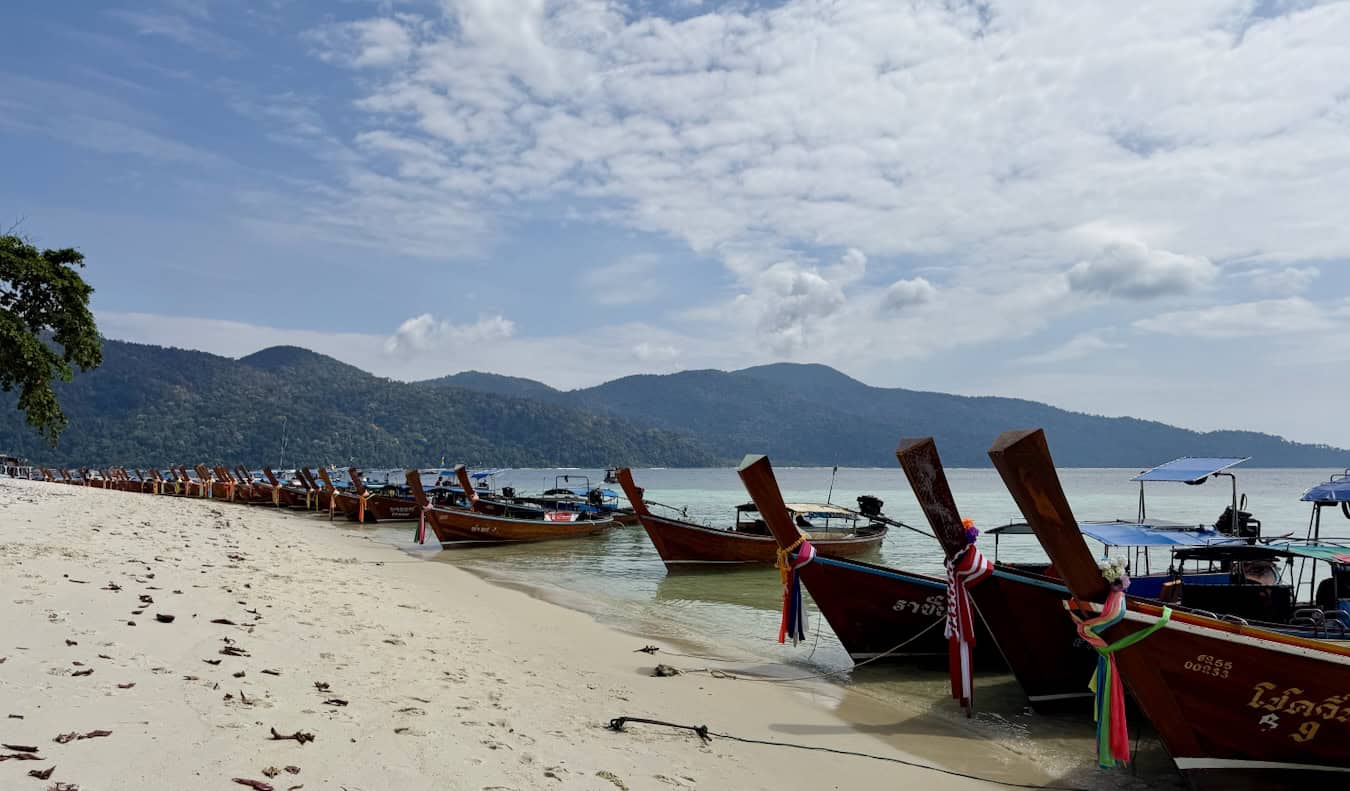
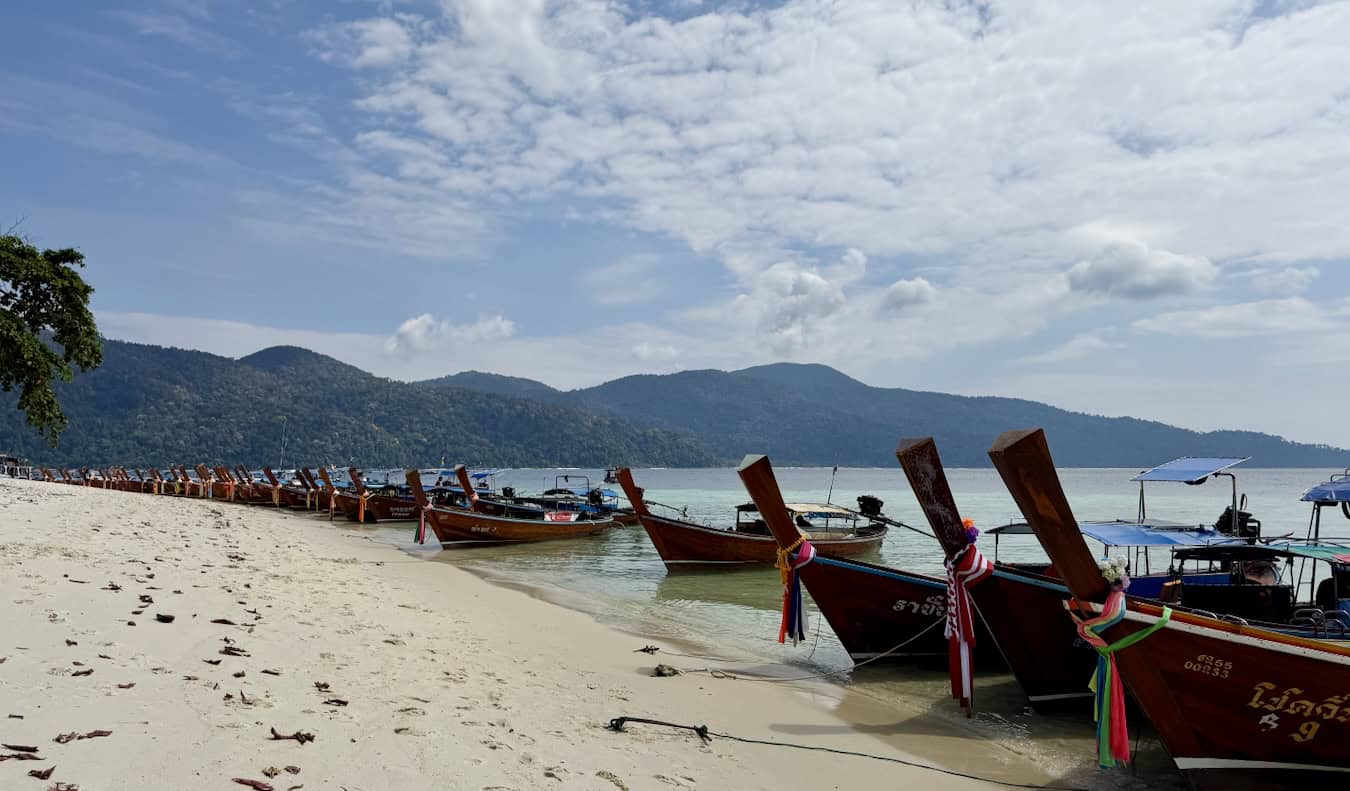
The ecological footprint of rapid development has manifested visibly across the island’s marine and terrestrial ecosystems. Marine biologists and environmental conservationists have raised alarms regarding the degradation of surrounding coral reefs. Factors contributing to reef decline include anchor damage from an increased volume of tour boats, chemical runoff from sunscreens, marine pollution, and overfishing driven by local culinary demand.
Furthermore, waste management has emerged as a critical operational challenge. Islands of limited geographical size like Ko Lipe often struggle to process the solid waste and wastewater generated by thousands of daily visitors during peak seasons. The reliance on imported energy, supplies, and construction materials via maritime transport further increases the carbon footprint of the destination.
Marine ecologists note that the saturation of nearshore waters with longtail boat exhaust creates surface films that impede light penetration, adversely affecting delicate aquatic habitats. Without modernized municipal infrastructure capable of handling high-density tourism, natural resources remain under severe stress.
Socioeconomic Shifts and Local Impacts
The rapid urbanization and commercialization of Ko Lipe have generated significant demographic shifts. Academic studies examining tourism-led growth in southern Thailand frequently highlight the displacement of indigenous communities. Many original residents of Ko Lipe, traditionally part of the Urak Lawoi (sea gypsy) population, faced economic pressures that led to the sale of ancestral lands to external developers and mainland corporations.
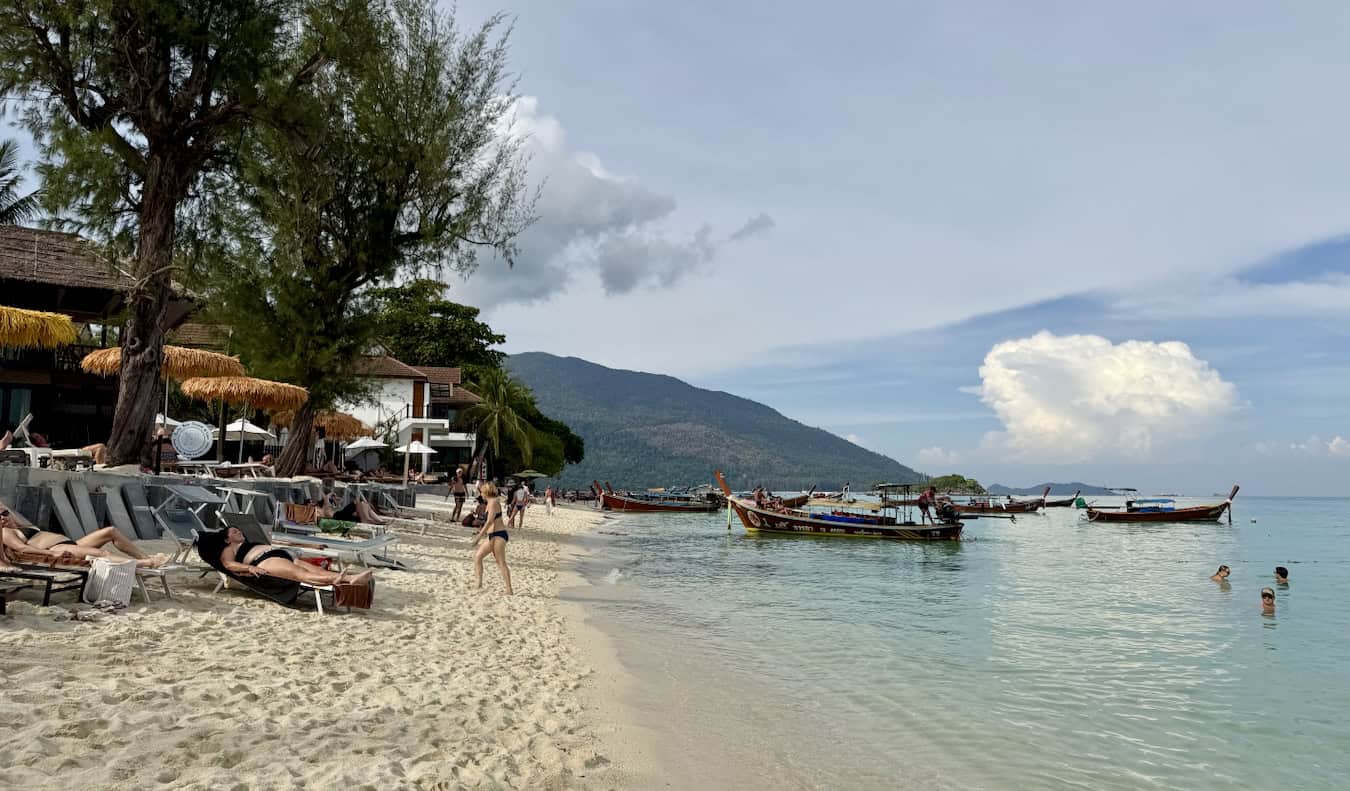
Consequently, a substantial portion of the island’s contemporary labor force comprises migrant workers from the Thai mainland or neighboring countries. While tourism provides vital employment opportunities, critics point out that the financial gains often concentrate among corporate property owners and external investors, leaving local workers vulnerable to seasonal fluctuations and high costs of living on an island dependent on imported goods.
Broader Implications for Thai Tourism Policy
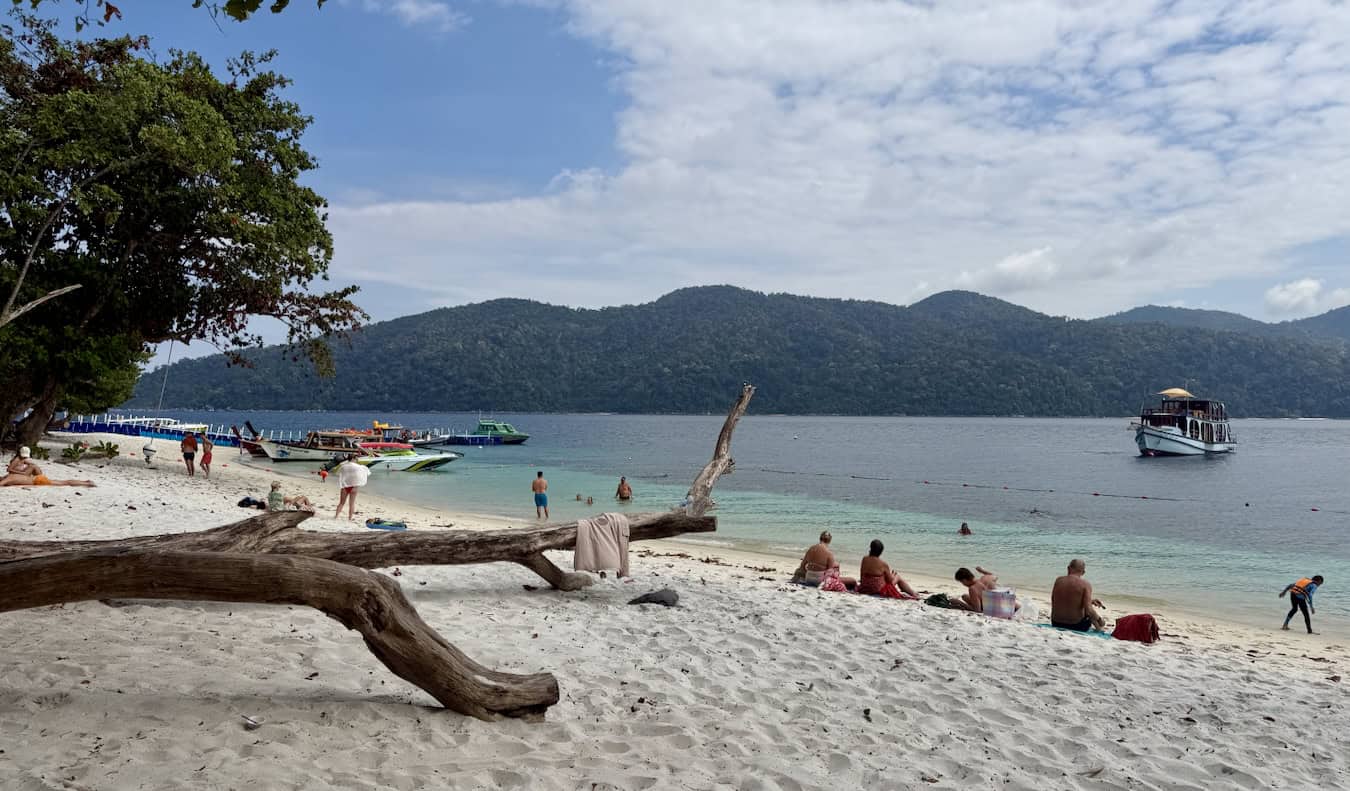
The trajectory of Ko Lipe mirrors that of other globally recognized Thai destinations, such as Ko Phi Phi and Phuket, where uncontrolled visitor volume prompted drastic government interventions. In previous years, Thai authorities took the unprecedented step of temporarily closing sections of prominent islands—most notably Maya Bay on Ko Phi Phi—to allow marine ecosystems time to recover from over-tourism.
These policy actions reflect a broader pivot within Thailand’s Ministry of Tourism and Sports toward sustainability initiatives. Government strategies increasingly emphasize "quality over quantity," encouraging travel to secondary provinces and lesser-known islands to distribute economic benefits evenly and relieve environmental pressure on fragile marine parks.
Industry analysts suggest that consumer behavior plays a pivotal role in driving regulatory change. Shifts in public awareness regarding ethical wildlife tourism and single-use plastics have demonstrated that traveler demand can successfully influence commercial practices. However, structural challenges remain, particularly balancing the immediate economic imperatives of local business owners against long-term conservation requirements.
Strategic Alternatives for Regional Travel
For travelers seeking lower-density alternatives within the Andaman Sea region, regional tourism boards and independent guides increasingly recommend neighboring islands that maintain stricter zoning regulations or slower development paces. Locations such as Ko Lanta, Ko Jum, and Ko Mook offer coastal landscapes and marine recreation while exhibiting less severe urban congestion than their heavily developed counterparts.
Ultimately, the contemporary state of Ko Lipe underscores the delicate balance required in modern destination management. As global travel continues to rebound, the future of fragile island ecosystems will depend on coordinated enforcement of carrying capacities, investment in green municipal infrastructure, and heightened consumer consciousness regarding the cumulative impact of tourism choices.




 Gabriela Annisa

 Lukman Taruna Persada Ramadan

 Tatiana Tantri Indah Sari

 Anjar Salim

