
 Anjar Salim
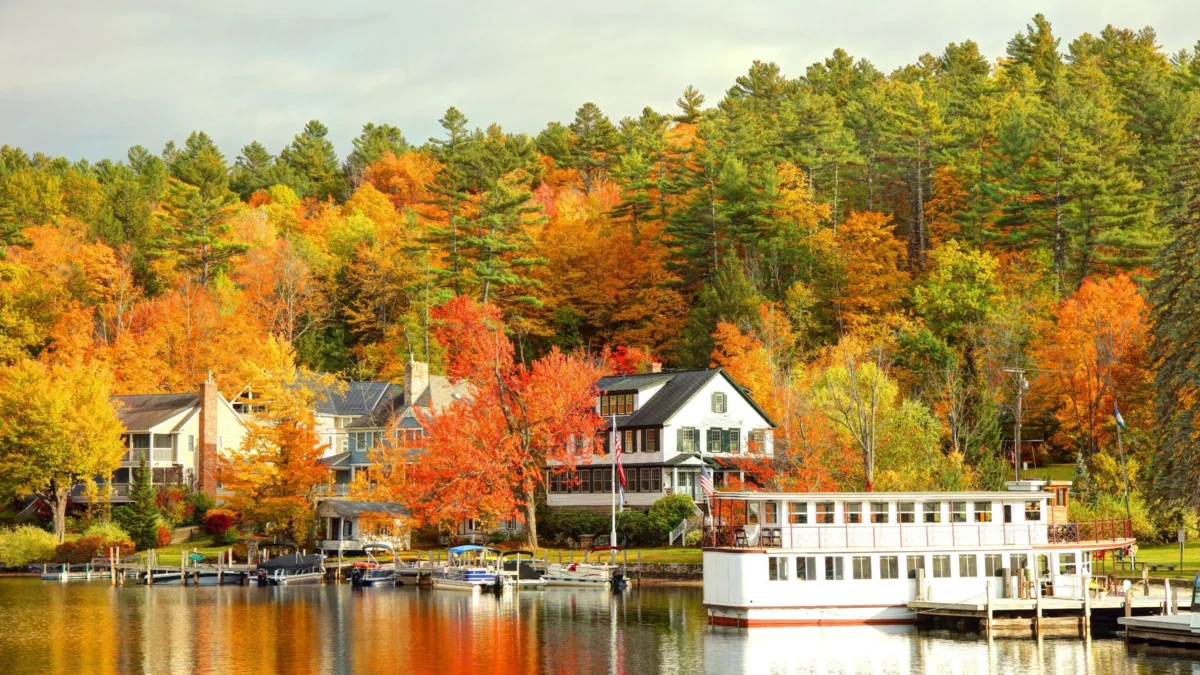
The modern tourism landscape is undergoing a notable psychological shift. As pervasive digital connectivity, professional burnout, and continuous global stressors wear down consumer resilience, a growing demographic of travelers is actively seeking out low-tech, highly tactile vacations. This emerging travel sector—frequently categorized as "nostalgia travel" or "analog tourism"—focuses on the deliberate recreation of simpler historical eras, childhood memories, and screen-free environments.
Industry metrics from major travel aggregators, including Expedia Group and Chase Travel, highlight a substantial year-over-year increase in autumn bookings for destinations that offer rustic lodging, historic transportation, and immersive outdoor recreation. Rather than prioritizing itinerary optimization or highly photographed landmarks for social media validation, contemporary travelers are increasingly selecting destinations that foster genuine psychological rest, environmental immersion, and intergenerational familiarity.
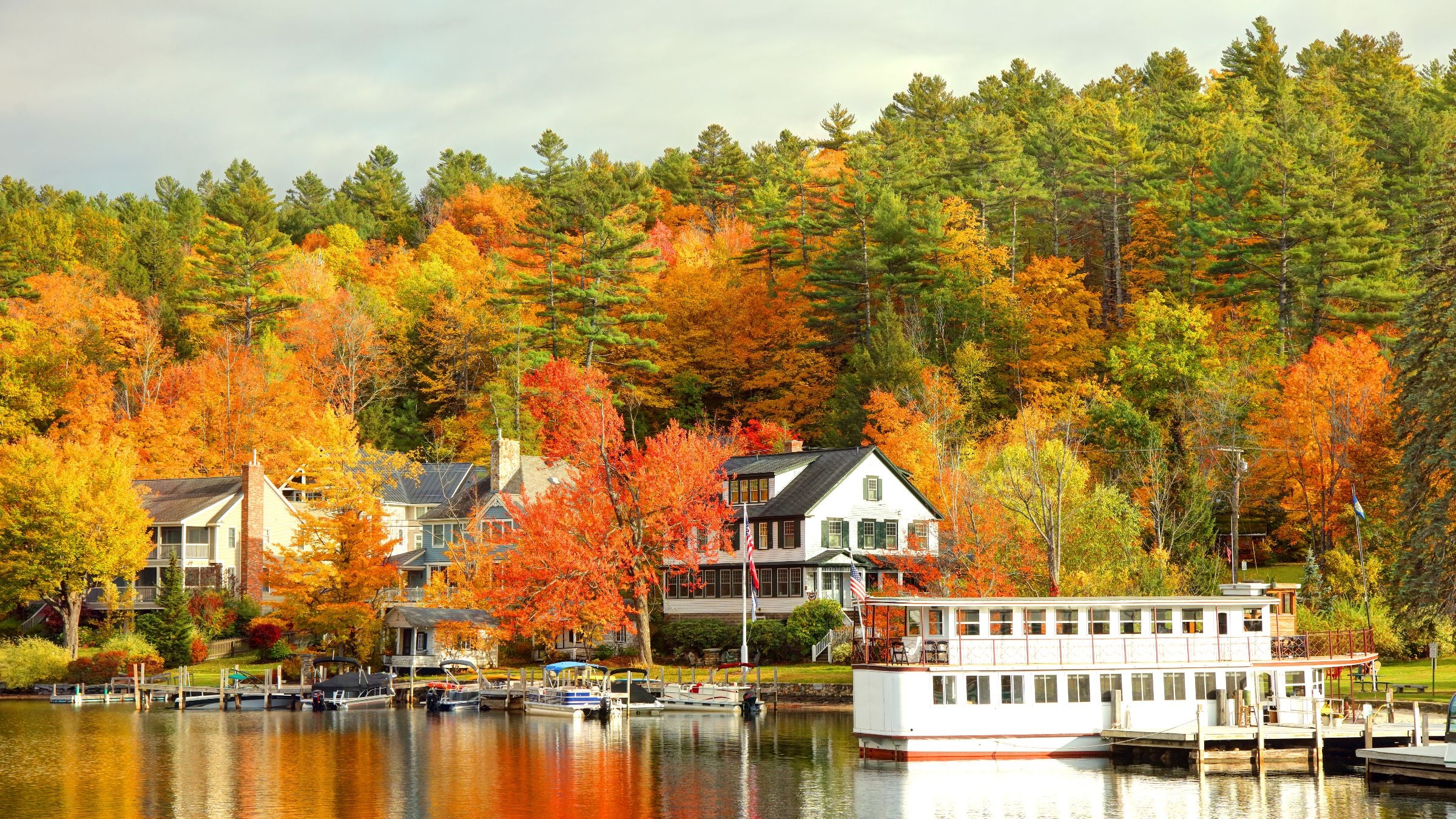
Macroeconomic and Psychosocial Drivers of Analog Travel
The accelerating demand for low-tech vacations is deeply rooted in contemporary lifestyle pressures. According to recent surveys conducted by research firms such as Opinion Matters on behalf of G Adventures, a significant majority of travelers now rank emotional well-being, psychological comfort, and environmental awe above traditional sightseeing metrics.
Psychologists note that recurring exposure to digital interfaces impairs cognitive endurance and elevates baseline stress hormones. In response, travel trends have shifted toward environments that reintroduce tactile predictability. Fall, in particular, acts as a natural catalyst for this behavior. The seasonal transition introduces environmental cues—such as dropping temperatures, vibrant foliage, woodsmoke, and established seasonal traditions—that encourage individuals to slow down.
Industry analysts suggest that returning to familiar geographic locations or engaging in historical pastimes activates neural pathways associated with safety and youth. This psychological comfort provides a powerful antidote to chronic connectivity. Travel providers have consequently pivoted marketing and operational strategies to emphasize off-grid lodging, analog entertainment, and structured disconnection.
Case Study: Elk Lake Lodge and the Adirondack Tradition
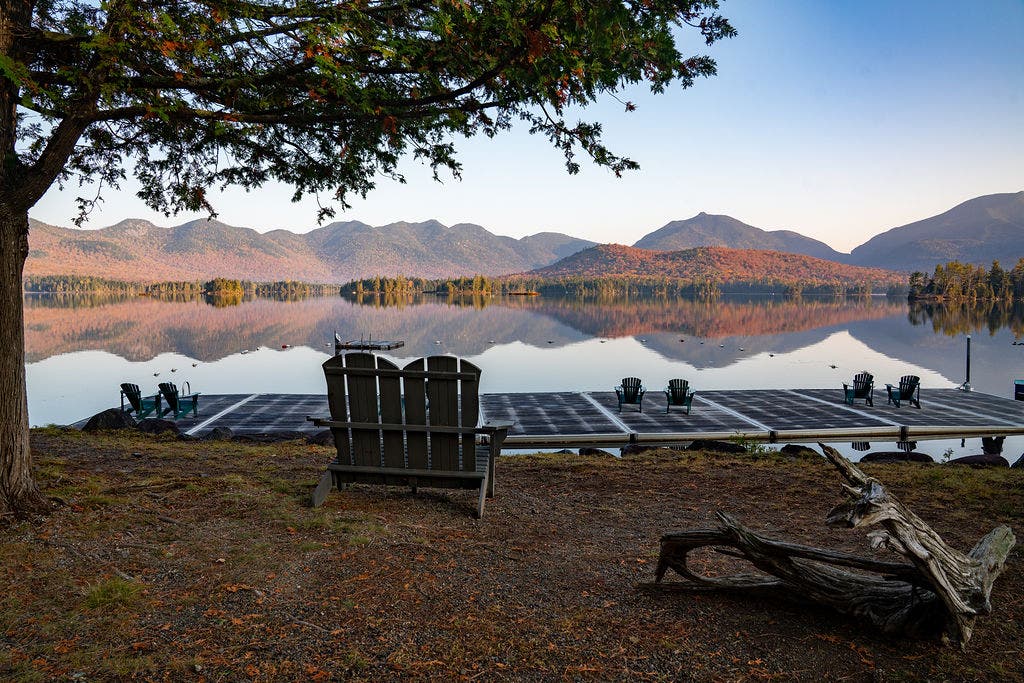
Nestled within a six-million-acre protected park in upstate New York, Elk Lake Lodge serves as a prime institutional example of the analog tourism model. Operating without televisions and maintaining virtually no cellular network coverage, the historic property has cultivated a deeply loyal clientele since its foundational structures were established at the turn of the twentieth century.
Visitors to Elk Lake Lodge frequently establish multi-decade traditions, returning during the exact calendar week annually to hike private trail systems, paddle pristine waterways, and congregate in communal spaces. The absence of digital distractions forces a return to communal socialization, quiet observation, and physical exertion. This operational framework mirrors broader hospitality data showing that properties eliminating digital conveniences experience higher retention rates among guests seeking psychological recovery.
Top Destinations Fulfilling the Demand for Outdoor Nostalgia
For travelers seeking to replicate the comfort of historical vacations and screen-free environments, several North American destinations offer structured opportunities for analog tourism.
Coastal Maritime Heritage: Schooner Heritage, Maine
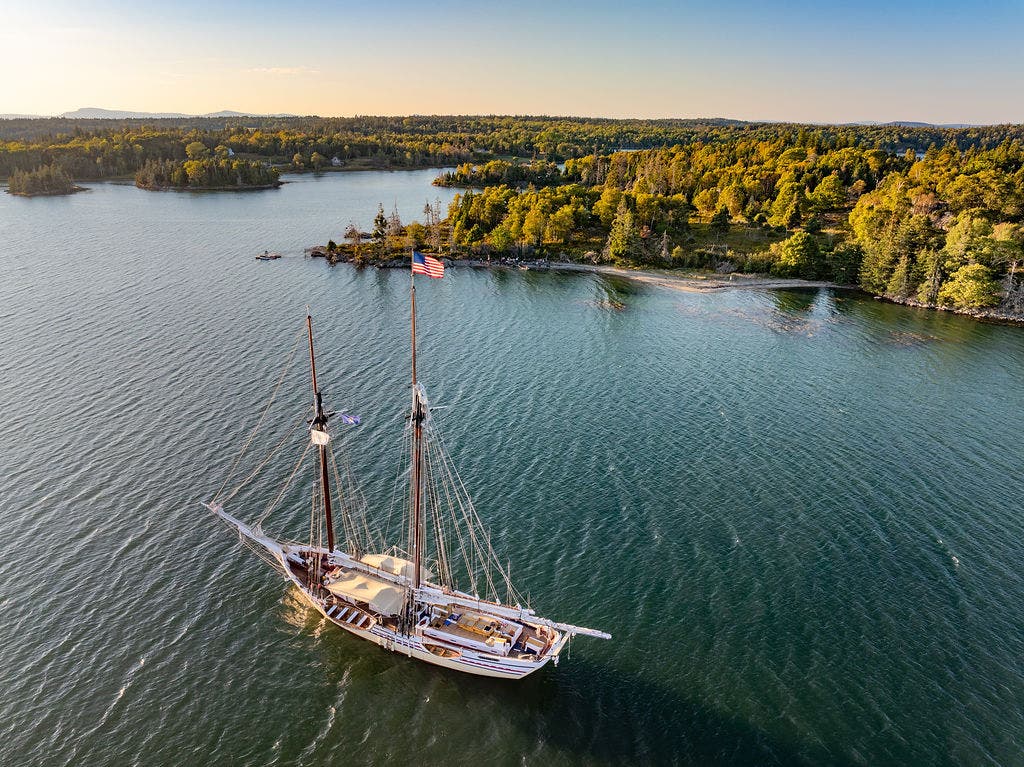
Operating out of Rockland, Maine, multi-day sailing itineraries aboard the 95-foot wooden schooner Heritage offer an immersion into traditional maritime travel. Passengers live aboard the vessel without cellular service, engaging in slow-travel practices such as navigating small dinghies to uninhabited islands, participating in coastal hikes, and sharing meals on deck. The experience emphasizes maritime history, communal dining, and celestial navigation, effectively isolating travelers from modern news cycles.
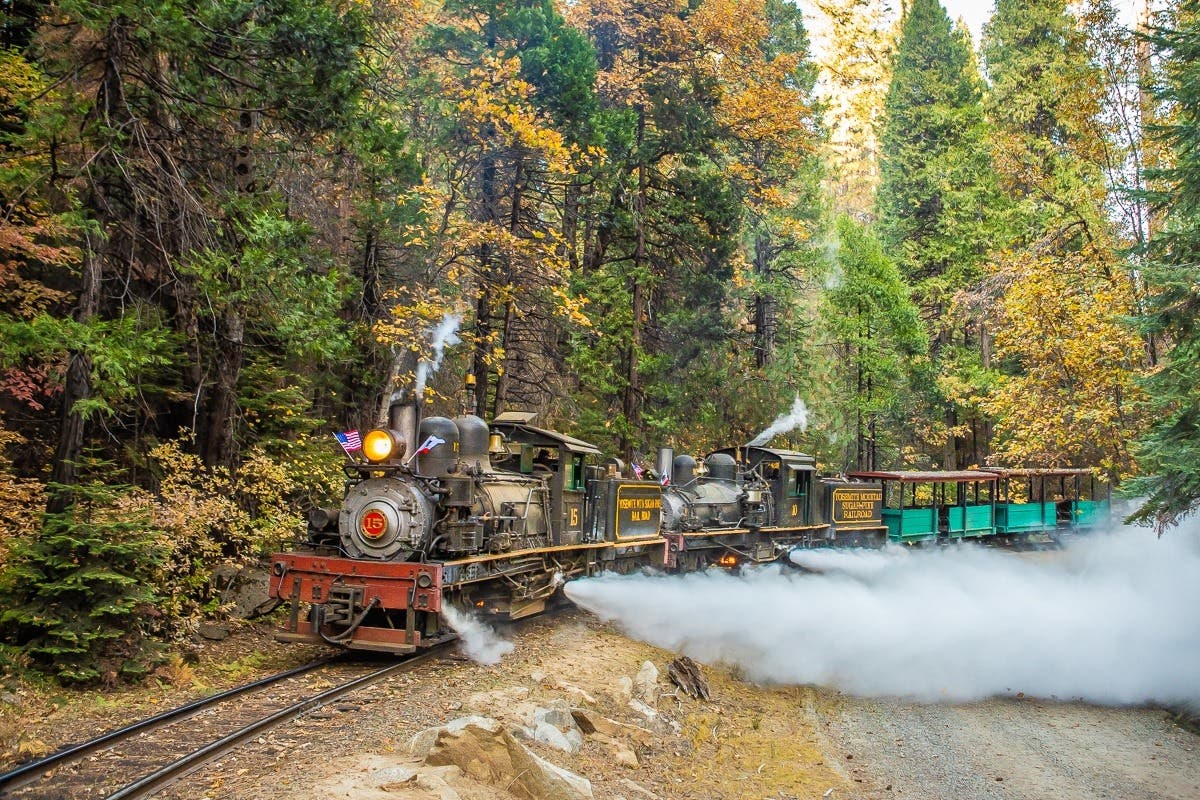
Vintage Rail Transport: Yosemite Mountain Sugar Pine Railroad, California
Located near the southern entrance of Yosemite National Park, the Yosemite Mountain Sugar Pine Railroad utilizes narrow-gauge steam locomotives operating on historic nineteenth-century logging tracks. The open-air excursions offer passengers a chronological bridge to America’s industrial expansion era. By integrating historical narration, live acoustic performances, and intentional stops for outdoor education—such as historic gold-panning demonstrations—the operation capitalizes on the educational and experiential desires of heritage tourists.
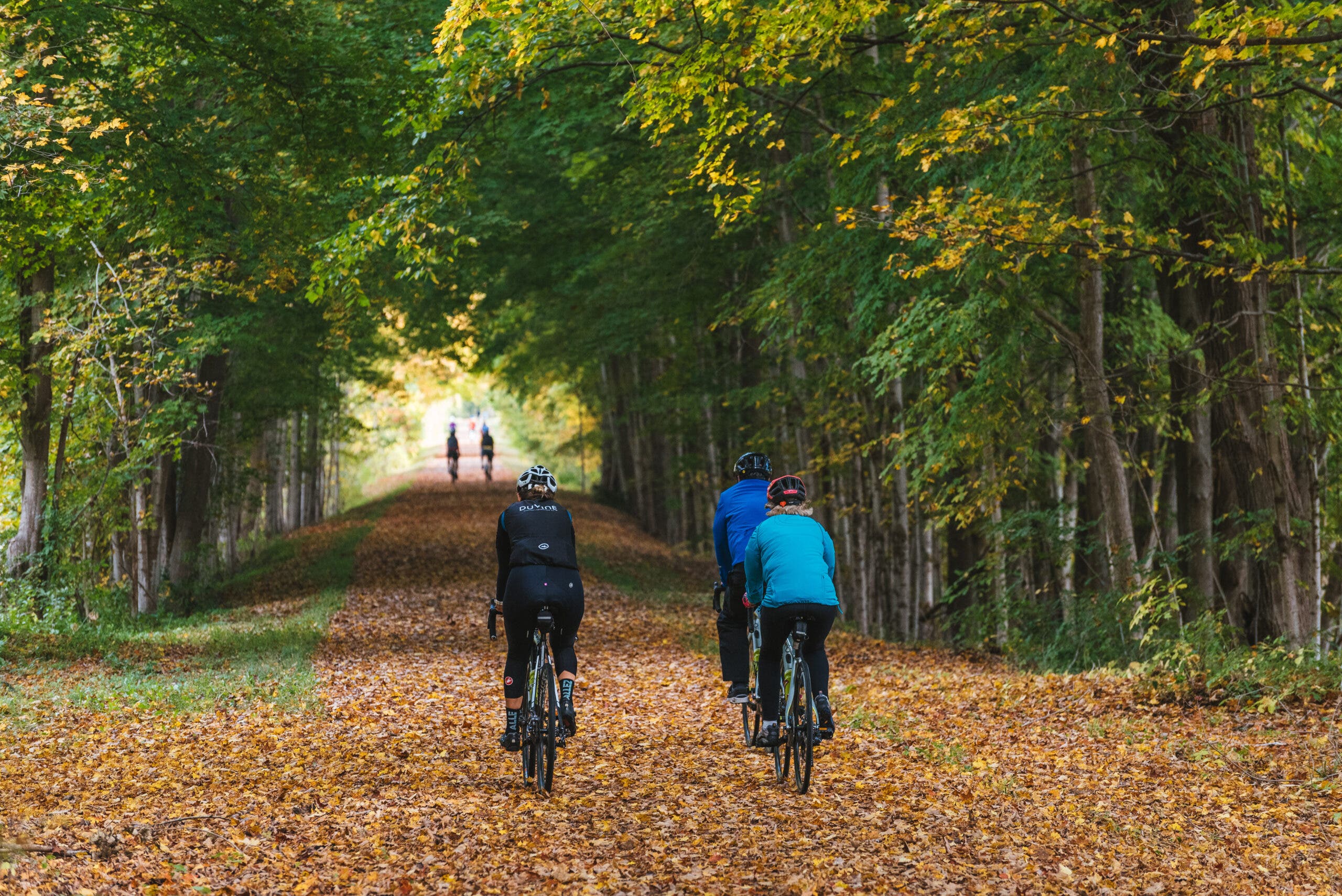
Bicycle Touring: DuVine Cycling Vermont Tour
Active travel companies have observed increased demand for regional cycling itineraries that bypass highways in favor of historic farm-to-table routes. DuVine’s five-day Vermont tour utilizes human-powered transportation to navigate rural agricultural communities from the Champlain Valley to Stowe. By prioritizing physical exertion, agricultural sampling, and stays in locally owned bed-and-breakfasts, the itinerary promotes a tactile connection to rural New England landscapes.
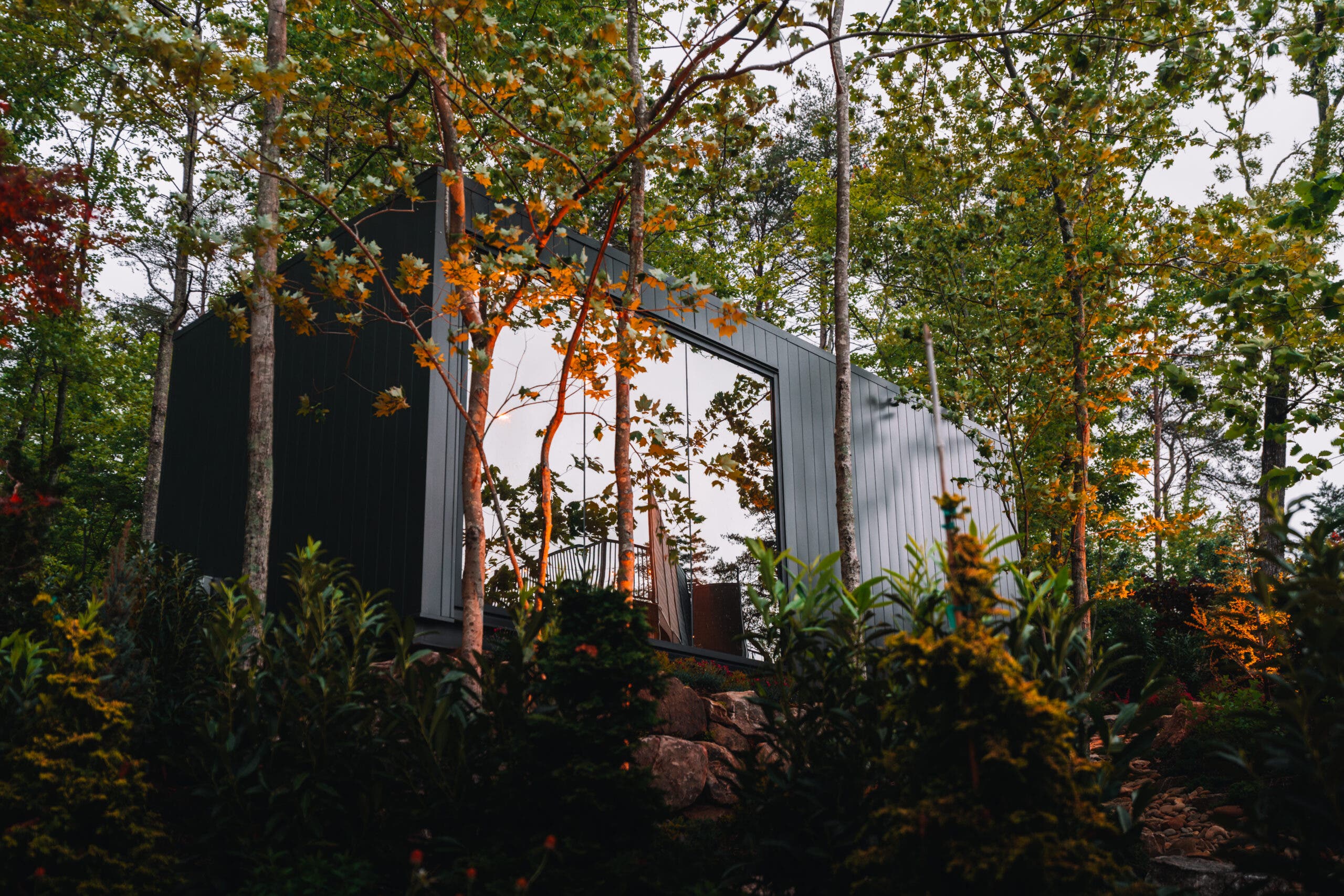
Elevated Wilderness Retreats: Bolt Farm Treehouse, Tennessee
Capitalizing on the childhood appeal of elevated forest structures, luxury alternative-lodging providers have re-engineered the treehouse concept for adult demographics. Properties such as Bolt Farm Treehouse in Whitwell, Tennessee, combine rustic architectural motifs with high-end amenities, including vinyl record players, copper soaking tubs, and outdoor firepits. Situated above the Sequatchie Valley, the adults-only enclave provides continuous exposure to natural scenery while maintaining an atmosphere designed for quiet reflection.
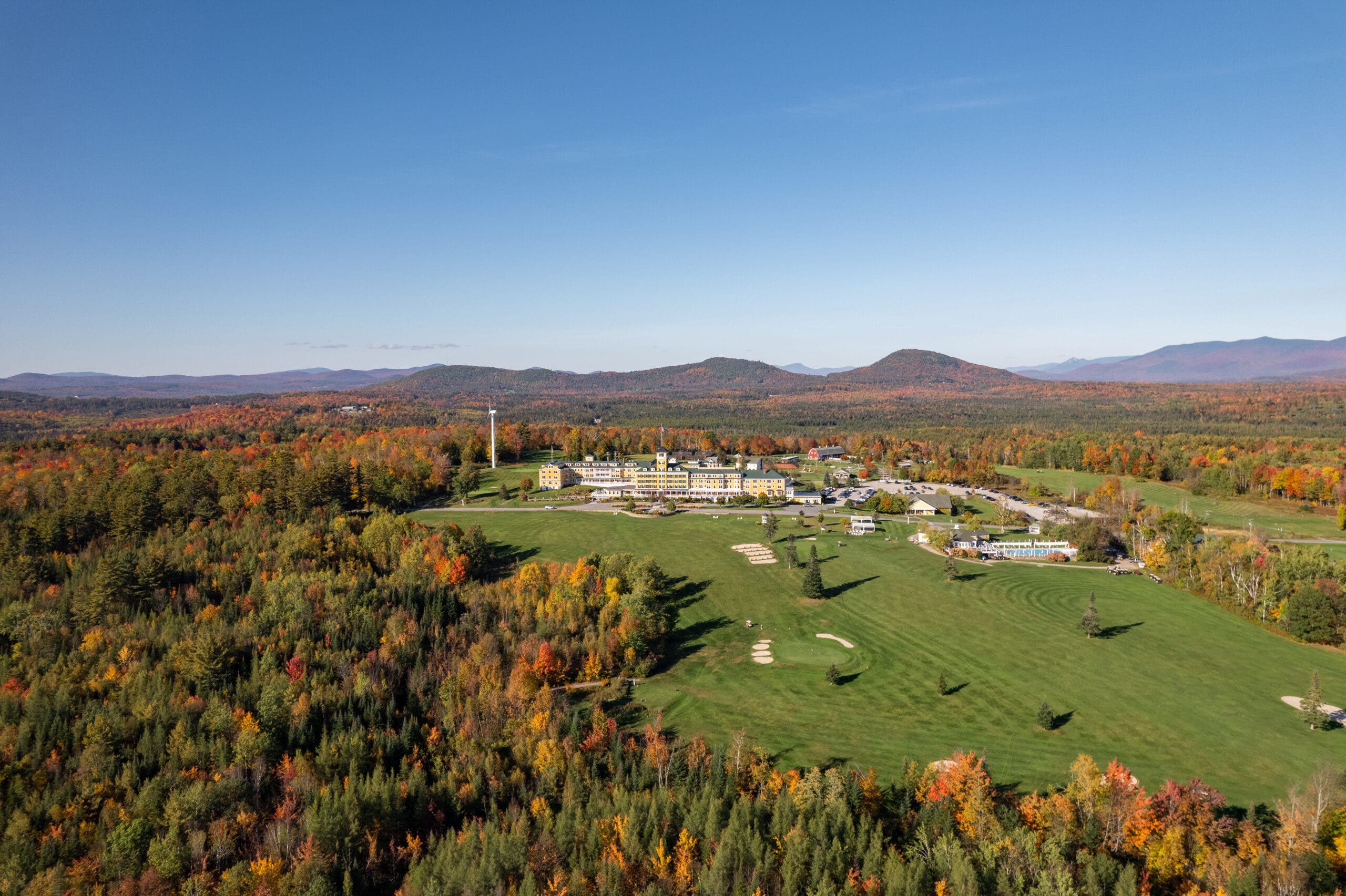
Craft and Heritage Workshops: Mountain View Grand Resort and Spa, New Hampshire
Historic resorts are increasingly supplementing traditional lodging with experiential skill-building weekends. In New Hampshire’s White Mountains, the Mountain View Grand Resort hosts curated seasonal maker-camps designed to replicate historical autumn crafting traditions. Activities such as traditional cider pressing, textile workshops, and on-site animal husbandry provide guests with tangible outcomes and screen-free engagement.
Nautical Heritage Cruises: Classic Harbor Line, New York
For urban populations with limited time for extended wilderness retreats, regional operators offer historical day-excursions. Classic Harbor Line utilizes vintage-styled 1920s motor yachts, such as the Manhattan and Manhattan II, to host seasonal foliage cruises along the Hudson River. These excursions merge architectural nostalgia with localized agricultural dining, allowing urban professionals to experience seasonal transitions without sacrificing geographic convenience.
Economic Implications and Industry Outlook
The expansion of nostalgia travel reflects a structural adaptation within the global hospitality sector. As corporate wellness initiatives increasingly recognize the impact of digital fatigue on workforce productivity, travel providers are positioning off-grid and heritage tourism as legitimate health-and-wellness expenditures.
Furthermore, rural and regional economies that rely on seasonal tourism benefit significantly from the shift toward prolonged, low-impact stays. Unlike mass-market tourism models that emphasize high turnover and rapid sightseeing, analog tourism encourages slower, deeper community integration.
Market analysts project that the demand for low-tech, heritage-focused outdoor travel will continue to expand throughout the decade. As digital saturation deepens across professional and personal spheres, properties capable of providing authentic isolation, historical continuity, and tactile engagement are expected to maintain a distinct competitive advantage within the broader leisure travel market.



 Gabriela Annisa

 Lukman Taruna Persada Ramadan

 Tatiana Tantri Indah Sari


 Dwi Wanna
