
 Susilo Edi Turonggo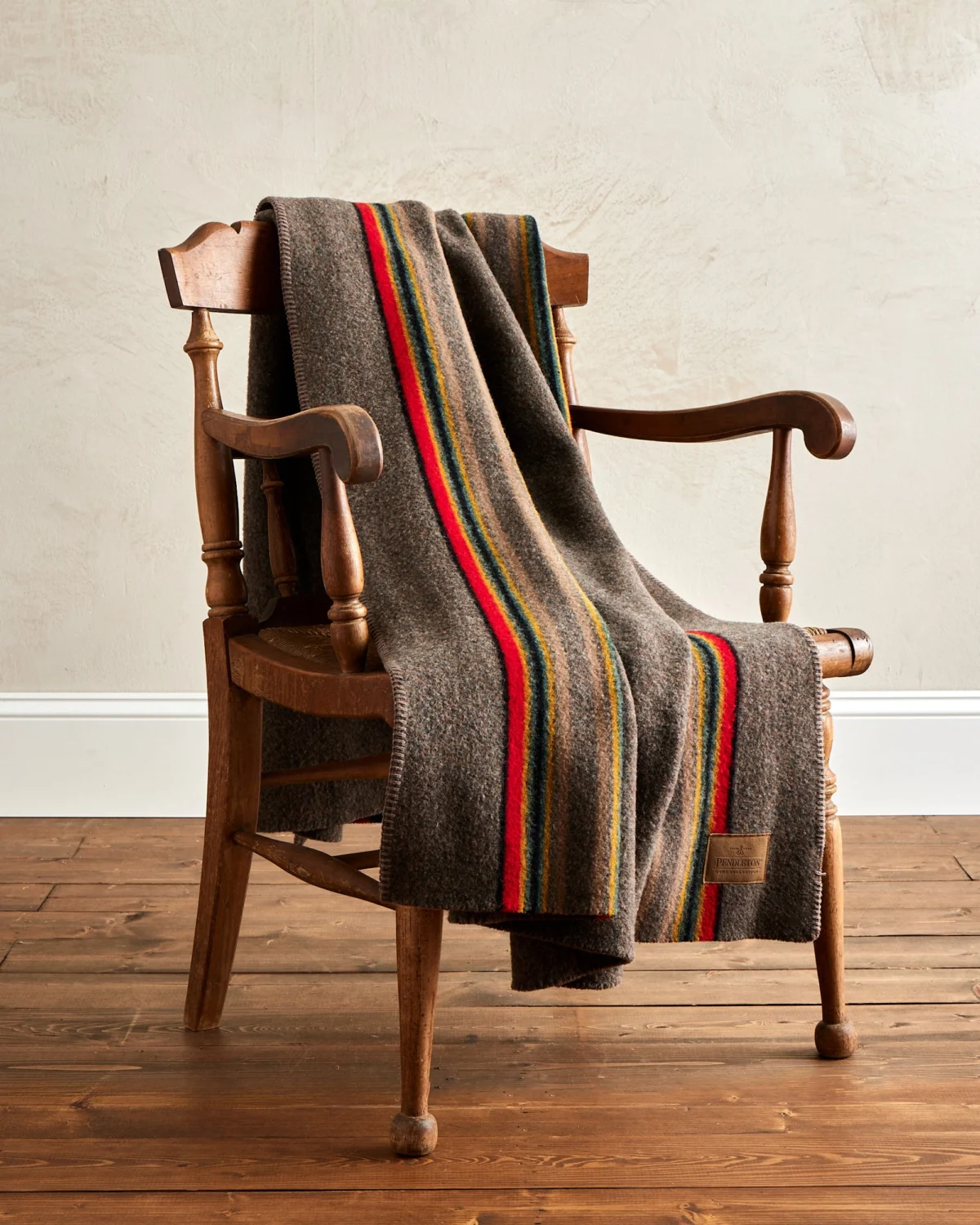
The quest for a perfect winter companion often leads to the comforting embrace of a warm blanket. Beyond its immediate utility for combating cold, providing solace during holiday travels, or enhancing evenings by the fire, a well-chosen throw or quilt also serves as a thoughtful, enduring gift. However, as consumer awareness around environmental and ethical implications grows, the selection of such household textiles is undergoing a significant transformation. The market is increasingly shifting towards sustainable and ethically produced blankets, moving away from conventional manufacturing practices that have long raised concerns about ecological damage and social equity. This evolving landscape necessitates a deeper understanding of what constitutes a truly responsible purchase, guiding consumers toward choices that align with their values of health, durability, and global welfare.
The Hidden Costs of Conventional Blanket Production
Historically, the textile industry, including blanket manufacturing, has been a significant contributor to environmental degradation and often fraught with ethical complexities. The widespread reliance on synthetic textiles, such as polyester and acrylic, presents a multifaceted challenge. These materials are typically derived from petroleum, a non-renewable resource, and their production is energy-intensive, contributing to greenhouse gas emissions. Furthermore, synthetic blankets are frequently dyed using azo-benzene disperse dyes. These chemicals are immuno-sensitizing, meaning they can provoke skin reactions upon direct contact. More alarmingly, these hazardous substances can shed microfibers and chemical particles into household dust, becoming airborne or ingested. This silent contamination poses a risk to both human health and indoor air quality, making the seemingly innocuous act of snuggling under a blanket a potential source of exposure to harmful compounds.
Beyond the immediate chemical concerns, synthetic fibers contribute to the global microplastic crisis. Every wash cycle of a synthetic blanket releases microscopic plastic fibers into waterways, eventually entering oceans and food chains. This persistent pollution impacts aquatic ecosystems and has unknown long-term effects on human health.
The ethical dimensions of conventional textile production are equally concerning. Reports of unfair wages, unsafe working conditions, and child labor in global supply chains have long plagued the industry. The lack of transparency in complex manufacturing networks often makes it difficult for consumers to ascertain the true cost of their purchases, extending beyond the retail price to the human and environmental toll.
The Pillars of Sustainable and Ethical Blanket Sourcing
For the discerning consumer, identifying a truly sustainable and ethical blanket requires careful consideration of several key factors, moving beyond superficial aesthetics to scrutinize material origins, manufacturing processes, and labor practices.
1. Skin-Safe Materials & Dyes: Prioritizing Health and Environment
The foundation of a sustainable blanket lies in its material composition and the dyes used. Natural fibers offer a stark contrast to their synthetic counterparts, providing benefits for both personal health and planetary well-being. Materials such as organic cotton, alpaca, merino wool, linen, Tencel, and hemp are celebrated for their renewable nature, biodegradability, and inherent breathability.
- Organic Cotton: Cultivated without synthetic pesticides, herbicides, or genetically modified organisms, organic cotton significantly reduces the ecological footprint associated with conventional cotton farming, which is notoriously water-intensive and chemical-laden. Certifications like the Global Organic Textile Standard (GOTS) ensure that the entire supply chain, from harvesting to manufacturing, adheres to strict organic and social criteria.
- Alpaca and Merino Wool: These natural animal fibers are renowned for their exceptional warmth-to-weight ratio, softness, and natural anti-odor properties. Sourced responsibly, they represent a renewable resource. Alpaca wool, in particular, is often lauded for its hypoallergenic qualities.
- Linen: Derived from the flax plant, linen is a highly sustainable fiber. Flax requires minimal water and pesticides to grow and is naturally durable and breathable, making linen blankets long-lasting and comfortable.
- Tencel (Lyocell): A branded lyocell fiber, Tencel is produced from sustainably sourced wood pulp in a closed-loop system, meaning nearly all solvents used in the manufacturing process are recovered and reused. This makes it an environmentally responsible choice, known for its softness and moisture-wicking properties.
- Hemp: A highly versatile and resilient plant, hemp grows quickly with minimal water and no pesticides. Its fibers are strong, durable, and naturally resistant to mold and mildew, making it an excellent, long-lasting material for blankets.
Crucially, the dyes and finishes applied to these fibers must also meet stringent safety standards. Certifications from Oeko-Tex Standard 100 and bluesign play a vital role here. Oeko-Tex ensures that textiles and textile products are free from harmful substances at all stages of production. bluesign goes further, aiming to eliminate harmful substances from the very beginning of the manufacturing process and setting standards for environmentally friendly and safe production. These certifications provide consumers with confidence that their blankets are free from toxic azo-benzene dyes and other hazardous chemicals, mitigating risks of skin irritation and indoor air pollution.
2. Durability and Timeless Style: Investing in Longevity
In an era of disposable consumption, the emphasis on durability and timeless style in home goods is a cornerstone of sustainable living. High-quality blankets, designed to withstand years of use, directly combat the waste generated by frequent replacements. Brands committed to sustainability often prioritize robust construction and premium materials that inherently offer extended lifespans. For instance, wool blankets are naturally anti-odor and require less frequent washing compared to their synthetic counterparts, thereby conserving water and energy and reducing wear and tear.
Beyond material resilience, timeless design plays a crucial role. Blankets featuring classic patterns, neutral palettes, or enduring artistic motifs are less susceptible to fleeting trends, ensuring they remain cherished household items for decades. This approach encourages mindful consumption, shifting the focus from quantity to quality and fostering an appreciation for items built to last. Consumers are encouraged to examine care instructions carefully, as proper maintenance is integral to maximizing a blanket’s lifespan and preserving its aesthetic and functional integrity.
3. Traceable & Ethical Supply Chain: Upholding Human Dignity
The journey of a blanket from raw fiber to finished product often spans continents, making a transparent and ethical supply chain paramount. Sustainable brands are increasingly committed to fostering direct relationships with artisans and producers, ensuring fair wages, safe working conditions, and the absence of exploitation. This commitment extends to the ethical sourcing of materials, respecting local communities and ecosystems.
Certifications from organizations like Fair Trade USA and the World Fair Trade Organization (WFTO) serve as critical indicators of a brand’s adherence to stringent social and economic standards. These certifications guarantee that producers receive fair prices, workers are paid living wages, working environments are safe, and child labor is strictly prohibited. Furthermore, they often support community development projects and promote environmental stewardship.
By investing in blankets from brands with traceable and ethical supply chains, consumers actively support artisan craftsmanship, preserve traditional weaving techniques, and contribute to the economic empowerment of communities worldwide. The transparency offered by such brands, often detailing the origin of materials and the identities of their artisan partners, builds trust and fosters a deeper connection between the consumer and the product’s story.
Spotlight on Leading Brands in Ethical Blanket Production
The growing demand for conscious consumption has spurred numerous brands to innovate and commit to higher standards. Here is an overview of companies leading the charge in ethical and sustainable blanket manufacturing:
1. Pendleton
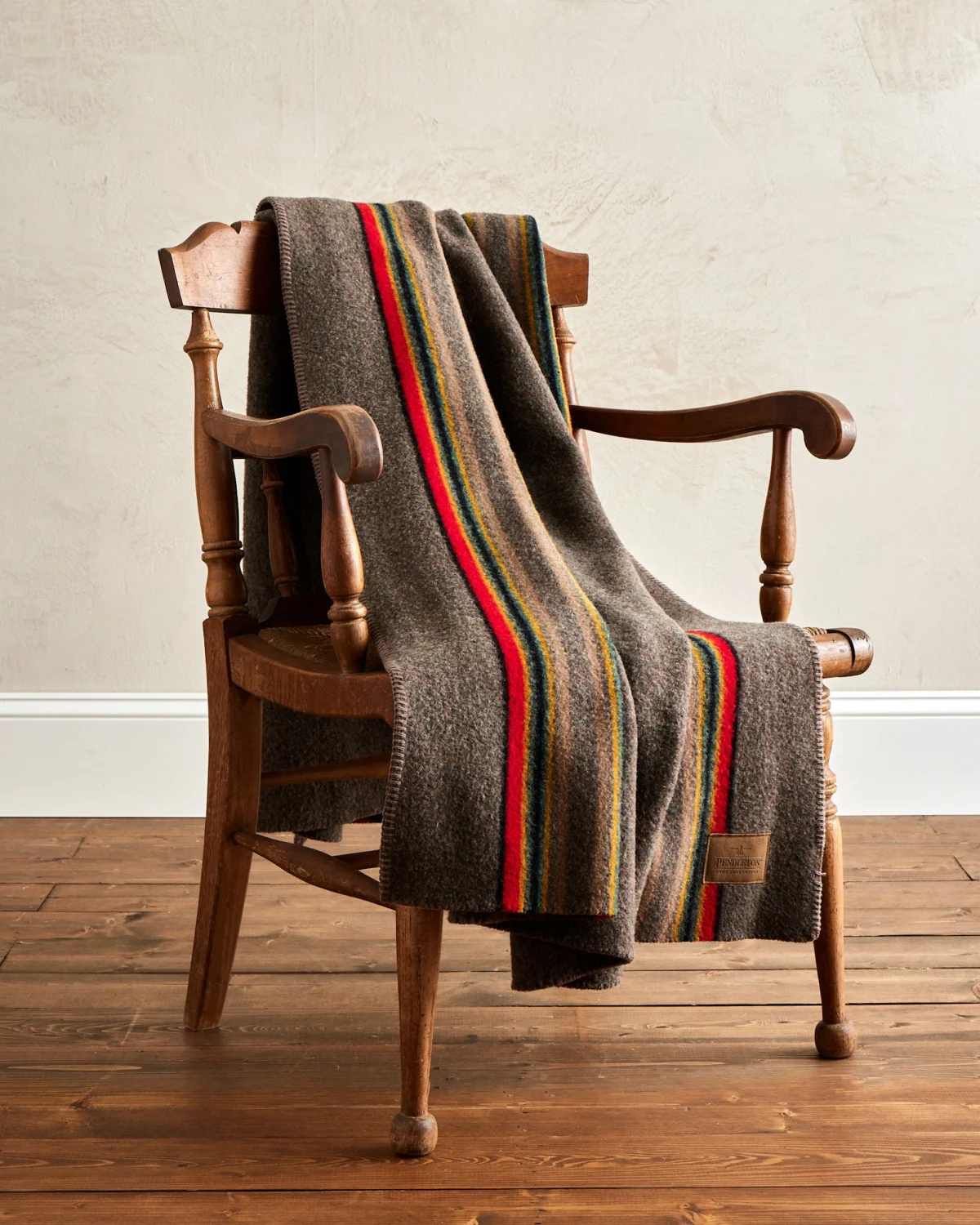
A venerable name in American textiles, Pendleton boasts a heritage dating back to 1909. The company operates two of the few remaining woolen mills in the U.S., overseeing the entire production process from scouring and dyeing to spinning, weaving, and hand-finishing wool and cotton. Their blankets are Oeko-Tex-certified, ensuring freedom from harmful substances. Pendleton is renowned for its deep, long-standing relationships with local wool farmers and indigenous artists, whose iconic patterns are meticulously woven into the fabric, preserving cultural narratives and supporting traditional craftsmanship. This vertical integration and commitment to local sourcing exemplify a holistic approach to sustainability and ethical production.
- Price Range: $60-$529
- Availability: The U.S.
2. Minna
Minna distinguishes itself as a certified B Corp and a queer-led business based in Upstate New York, embodying a commitment to both social and environmental responsibility. Their blankets, characterized by abstract patterns and minimalist designs, are handmade in small batches. Materials include alpaca, Oeko-Tex-certified cotton, and merino wool, emphasizing both quality and safety. Minna prioritizes building strong, equitable relationships with artisan partners in Central and South America, ensuring fair compensation and ethical working conditions. Transparency is a cornerstone of their philosophy, with each product page detailing the artisans responsible for its creation, fostering a direct connection between maker and consumer.
- Price Range: $165-$398
- Availability: Most countries.
3. April Notes
April Notes focuses on creating soft, earth-friendly home linens, including a collection of blankets crafted from linen, cotton, and merino wool. These products are certified free of harmful chemicals and synthetic dyes, highlighting the brand’s dedication to health and environmental safety. The materials are naturally breathable and hypoallergenic, enhancing user comfort. A distinctive aspect of April Notes’ model is its made-on-demand production, which significantly minimizes textile waste and overproduction—a common challenge in the fashion and home goods industries. The brand collaborates closely with a boutique atelier in Lithuania, ensuring meticulous craftsmanship, fair wages, and safe working environments for its artisans.
- Price Range: $149-$180
- Availability: The U.S., Canada, the U.K., Australia, New Zealand, Mexico, Norway, Switzerland, Gibraltar, and all European Union countries.
4. Avocado
Avocado, a Los Angeles-based certified B Corp, is widely recognized for its commitment to sustainable and organic bedroom products. Their throw blankets exemplify this ethos, utilizing Oeko-Tex-certified organic cotton, alpaca wool, cashmere, merino wool, and recycled cotton. A notable feature is their alpaca wool throws, which utilize naturally occurring colors, eliminating the need for dyes. Other blankets are crafted with azo-free dyes, reinforcing their non-toxic commitment. Avocado sources its wool from Northern India, maintaining a regularly audited supply chain to ensure ethical practices and environmental responsibility throughout its global network.
- Price Range: $39-$349
- Availability: The U.S.
5. Coyuchi
Coyuchi is a pioneer in high-quality home goods with a steadfast commitment to minimizing environmental impact. Their blankets are predominantly made from organic cotton and wool sourced from India, and are woven in Fair Trade-certified factories located in Turkey, Portugal, and Germany. This global approach to ethical manufacturing ensures that products meet rigorous social and environmental standards. Coyuchi further supports consumer choice through a comprehensive blanket guide, designed to assist individuals in selecting the perfect sustainable blanket for their needs or as a gift, reflecting their dedication to informed and conscious purchasing.
- Price Range: $58-$478
- Availability: The U.S.
6. Savvy Rest
As a certified B Corp bedding brand, Savvy Rest specializes in organic cotton blankets that are dye-free, available in a wide range of sizes from throw to king. A key differentiator for Savvy Rest is its localized production model; the cotton is grown and woven into blankets entirely within the United States. This commitment to domestic manufacturing not only supports local economies but also allows for greater oversight of labor practices and environmental standards, ensuring a truly transparent and ethical product from seed to finished blanket.
- Price Range: $89-$198
- Availability: The United States.
7. Under the Canopy
Under the Canopy emphasizes intentional design and durability in its blanket collections. Their products are manufactured in India, Pakistan, Turkey, and China, utilizing Oeko-Tex-certified low-impact dyes. The brand sources merino wool from Argentina and organic cotton from Turkey, carefully selecting materials for their quality and sustainable attributes. This global supply chain is managed with a focus on creating products that are not only beautiful but also built to last, thereby reducing the lifecycle environmental impact associated with frequent replacement.
- Price Range: $178-$212
- Availability: The U.S.
8. Boll & Branch
Boll & Branch is a Fair Trade Certified bedding company that places a high priority on non-toxic processes to deliver safe and exceptionally soft blankets. Their throws are crafted by skilled artisans in India, Turkey, and Pakistan using traceable, Oeko-Tex-certified organic cotton and alpaca. The brand’s commitment to traceability ensures that consumers can understand the journey of their products, while Fair Trade certification guarantees equitable treatment and fair compensation for all workers in their supply chain, reflecting a comprehensive approach to ethical manufacturing.
- Price Range: $149-$699
- Availability: The U.S. and Canada.
9. Bearaby
While renowned for its weighted blankets designed to promote sleep and alleviate anxiety, Bearaby also offers a selection of comfortable and lightweight throws. The brand innovates with materials such as Tencel from Austria, organic cotton from India, and Oeko-Tex-certified recycled polyester. This diverse material palette allows them to create blankets in various weights and sizes, catering to different needs while maintaining a strong environmental focus. The inclusion of recycled polyester, certified by Oeko-Tex, demonstrates a commitment to circularity and waste reduction within their product offerings.
- Price Range: $149-$309
- Availability: The U.S.
10. Cold Picnic
Cold Picnic transforms home goods into distinctive art pieces, designing its blankets in Brooklyn and producing them in the U.S. from domestically-sourced Oeko-Tex-certified recycled cotton. This localized production, often in small batches by family-owned companies, ensures quality control and supports local craftsmanship. Their quilts, on the other hand, are handmade by artisans in India, showcasing a blend of global artistry and local manufacturing. While the brand largely emphasizes sustainable materials, consumers sensitive to synthetics should note that some blankets may incorporate a small percentage of polyester, and are advised to review material details carefully.
- Price Range: $130-$560
- Availability: Worldwide.
11. Parachute
Parachute, a direct-to-consumer brand, is dedicated to producing quality and durable home goods with a timeless modern design aesthetic. Their blankets are made with Oeko-Tex-certified materials, including cotton, alpaca wool, and linen, ensuring safety and environmental responsibility. Parachute partners with Fair Trade manufacturers in Portugal and Turkey, upholding ethical supply chain practices and ensuring fair labor standards. As with some other brands, consumers who prefer to avoid synthetics should verify material compositions, as certain blankets may contain a small percentage of polyester.
- Price Range: $99–$289
- Availability: The U.S. and Canada.
12. The Citizenry
The Citizenry is a Fair Trade certified brand that offers a collection of warm and lightweight blankets, quilts, and throws. They utilize ethically sourced, Oeko-Tex-certified materials such as alpaca wool, mohair, linen, and cotton. The brand maintains an impressive level of transparency, listing all of its international partners and detailing where each blanket was handwoven or loomed on its product pages. This commitment to traceability empowers consumers to understand the artisanal journey of their purchase. Similar to other brands balancing sustainability with design versatility, some blankets may contain a small amount of polyester, prompting consumers to check material specifics if sensitive to synthetics.
- Price Range: $189-$299
- Availability: The U.S. and Canada.
13. Made Trade
Made Trade operates as an online marketplace that rigorously vets every product to confirm its sustainability and transparency credentials. The platform empowers consumers to shop by their specific values, offering filters for categories such as USA Made, handcrafted, or Fair Trade. This allows for precise selection based on preferred materials, including cotton, recycled polyester, hemp, linen, and merino and alpaca wool. While offering a broad range of options, consumers prioritizing the complete avoidance of synthetics are advised to utilize the platform’s comprehensive filter settings to ensure their selections align with their specific material preferences.
- Price Range: $40-$719
- Availability: The U.S., Australia, Canada, the U.K., most European and Asian countries.
Broader Impact and Future Implications
The growing momentum in the sustainable blanket market signifies a broader shift in consumer behavior and industry standards. Each conscious purchase contributes to a collective demand for greater transparency, accountability, and ethical practices across the global supply chain. This trend is not merely about selecting a product but about participating in a movement towards a more equitable and environmentally sound economy.
The proliferation of certifications like Oeko-Tex, GOTS, bluesign, and Fair Trade provides crucial benchmarks for consumers, helping to navigate complex claims and build trust in brands. These third-party verifications are essential in differentiating genuinely sustainable products from those engaging in "greenwashing."
Looking ahead, the home goods sector is poised for further innovation in material science, with increasing research into regenerative agriculture practices for natural fibers and advanced recycling technologies for existing textiles. The emphasis will likely remain on closed-loop systems, waste reduction, and the promotion of artisan economies. Challenges persist, particularly in scaling sustainable practices to meet global demand while maintaining affordability and quality. However, the trajectory is clear: comfort, warmth, and style are increasingly intertwining with ethical responsibility and environmental stewardship, ensuring that the act of wrapping oneself in a blanket can be a gesture of both personal solace and global consciousness.



 Anjar Salim
 Chandra Hamzah
 Tatiana Tantri Indah Sari
 Budi Mulyono
 Lukman Taruna Persada Ramadan
