
 Susilo Edi Turonggo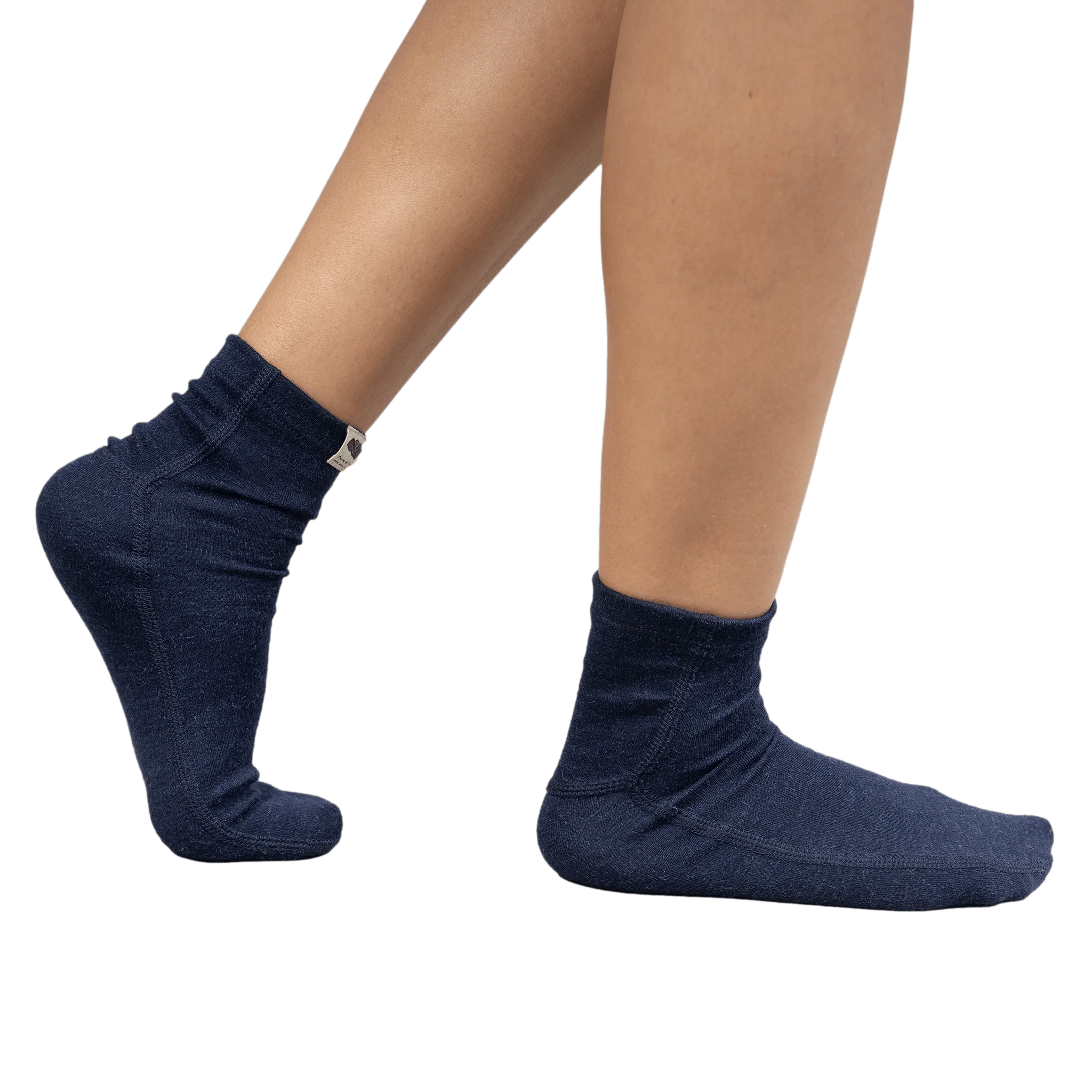
The seemingly innocuous sock, often overlooked in the grand scheme of wardrobe choices, plays a pivotal role in daily comfort and, increasingly, in personal health and environmental sustainability. For a growing number of individuals, particularly those experiencing skin sensitivities or seeking to minimize their ecological footprint, the brightly colored synthetic socks dominating the market present a hidden array of concerns. This article delves into the critical shift towards non-toxic and sustainably produced socks, exploring the underlying issues with conventional hosiery, the rigorous criteria for truly safe and eco-conscious alternatives, and a comprehensive overview of pioneering brands leading this essential textile transformation.
The Unseen Hazards: Why Conventional Socks Pose Risks
For decades, the textile industry has largely prioritized cost-efficiency and aesthetic versatility, often at the expense of human health and environmental well-being. Socks, being in constant, intimate contact with the skin, especially in a warm, moist environment conducive to absorption, are a prime example where these trade-offs become particularly problematic.
One of the most significant concerns revolves around synthetic fibers, primarily polyester and nylon, and the dyes used to color them. Plastic-based socks are notorious for trapping moisture and odors, creating an ideal breeding ground for bacteria and fungi, which can lead to unpleasant smells and skin issues. Beyond discomfort, the chemical reality is more alarming. Azo-benzene disperse dyes, commonly used in polyester and other synthetics for their vibrant hues and colorfastness, are known skin sensitizers. Dermatologists and toxicologists have raised flags about these compounds, as they can cause allergic contact dermatitis, characterized by itching, redness, and rashes. More gravely, certain azo dyes have been identified as potentially carcinogenic when absorbed through the skin, a risk amplified in conditions of increased perspiration, where chemicals can migrate more readily from fabric to skin. Research, such as studies published in the Journal of Environmental and Public Health, highlights the systemic absorption potential of these chemicals, underscoring the need for greater scrutiny in textile manufacturing.
Furthermore, the production of synthetic fibers is energy-intensive and relies on fossil fuels, contributing to greenhouse gas emissions. The end-of-life cycle for these materials is equally challenging, as they are not biodegradable and contribute significantly to landfill waste, often taking hundreds of years to decompose. The rise of microplastic pollution, with tiny fibers shedding from synthetic garments during washing, further contaminates waterways and ecosystems, posing a threat to aquatic life and potentially entering the human food chain.
The Rise of Conscious Consumerism: Demanding Healthier Alternatives
The past decade has witnessed a significant surge in conscious consumerism, driven by heightened awareness of environmental issues, ethical labor practices, and personal health. Consumers are increasingly scrutinizing product labels, demanding transparency from brands, and seeking alternatives that align with their values. This paradigm shift has permeated the fashion industry, leading to a growing market for sustainable and non-toxic apparel, including socks. Industry reports indicate a steady growth in the sustainable fashion market, projected to reach billions globally in the coming years, reflecting a fundamental change in purchasing priorities. This movement is not merely a trend but a foundational shift towards a more responsible and health-conscious approach to everyday products.
Establishing Standards: Key Criteria for Non-Toxic and Sustainable Socks
Identifying truly non-toxic and sustainable socks requires a discerning eye, moving beyond superficial claims to examine the core components of production: materials, dyes, supply chain ethics, and packaging.
1. Natural Materials: The Foundation of Foot Health
The cornerstone of non-toxic socks lies in their material composition. For individuals with sensitive skin or existing dermatological conditions, 100% natural fibers are paramount. These materials offer superior breathability, moisture-wicking properties, and are inherently less likely to cause irritation compared to synthetic counterparts. While achieving 100% synthetic-free socks can be rare due to the common inclusion of elastane for stretch and durability, several brands have successfully minimized or eliminated synthetics entirely.
- Organic Cotton: A perennial favorite, organic cotton is grown without synthetic pesticides, herbicides, or genetically modified organisms. This not only protects the health of farmers and local ecosystems but also ensures the final product is free from these chemical residues. The Global Organic Textile Standard (GOTS) is the leading certification for organic cotton, ensuring ecological and social criteria are met throughout the entire supply chain. While conventional cotton can be water-intensive, organic farming practices often promote better soil health and water retention.
- Merino and Alpaca Wool: These natural powerhouses are highly prized for socks due to their exceptional thermoregulating, moisture-wicking, and natural odor-resistant properties. Unlike conventional wool, fine merino and alpaca fibers are incredibly soft and non-itchy for most individuals. For wool, the Responsible Wool Standard (RWS) is crucial, guaranteeing animal welfare and responsible land management, specifically prohibiting practices like mulesing, a painful procedure for sheep. Alpaca wool, often sourced from free-range alpacas in the Andes, benefits from its inherent sustainability as alpacas have a lighter environmental hoofprint than sheep.
- Tencel™ Lyocell and Modal: These cellulosic fibers, derived from sustainably managed wood pulp, represent a significant advancement in eco-friendly textiles. Produced through a closed-loop system that recycles water and solvents, Tencel offers exceptional softness, breathability, and moisture absorption, making it an excellent choice for sensitive skin.
- Linen and Hemp: Known for their durability and low environmental impact, linen (from flax) and hemp are robust fibers that require minimal water and pesticides. They offer excellent breathability and become softer with each wash, providing long-lasting comfort.
While some synthetic content, particularly elastane (often less than 5%), might be present for stretch, brands that prioritize natural fibers ensure these blends remain skin-friendly. However, a threshold of 20% or more synthetics often signals a deviation from the "majority natural" principle. Recycled synthetics, such as recycled nylon and polyester, offer a more sustainable alternative to virgin synthetics, reducing waste, but still contribute to microplastic shedding and lack the inherent breathability of natural fibers.
2. Non-Toxic Dyes & Finishes: Color Without Compromise
The dyeing and finishing processes in textile manufacturing are often the most chemically intensive stages. Traditional dyeing can release hazardous substances into waterways and expose workers to harmful chemicals. Non-toxic socks circumvent these dangers through several strategies:
- Undyed Options: Embracing the natural hues of fibers offers the most direct route to chemical-free socks, appealing especially to those with extreme dye sensitivities.
- Certified Dyes: For colored socks, certifications like Oeko-Tex Standard 100 are indispensable. This global standard tests for hundreds of harmful substances at every stage of textile production, ensuring that the finished product is safe for human contact. Similarly, bluesign certification represents an even more comprehensive approach, evaluating not just the end product but the entire manufacturing process to minimize environmental impact and ensure responsible use of resources and chemicals.
- Restricted Substances Lists (RSLs): Brands with robust chemical management programs implement RSLs, which are internal lists of chemicals prohibited or restricted in their supply chains. This proactive approach demonstrates a commitment to eliminating hazardous substances beyond regulatory minimums.
3. Traceable & Ethical Supply Chain: Beyond the Fabric
The journey of a sock from raw material to finished product involves numerous stages and countless hands. An ethical and traceable supply chain ensures fair labor practices, safe working conditions, and respect for human rights.
- Transparency: Brands committed to ethical production openly share information about their supply chain partners, including factory locations and labor practices. This transparency allows consumers to verify claims and holds brands accountable.
- Certifications: Third-party certifications like Fair Trade guarantee fair wages, safe working environments, and community development initiatives for farmers and factory workers. WRAP (Worldwide Responsible Accredited Production) focuses on ethical manufacturing standards, including labor laws, health and safety, and environmental compliance. B Corp certification signifies a company’s commitment to balancing profit with purpose, meeting rigorous standards of social and environmental performance, accountability, and transparency.
4. Sustainable Packaging: Minimizing the Footprint
Even small items like socks can contribute to significant waste if packaged irresponsibly. Sustainable packaging practices are a critical component of a truly eco-conscious brand.
- Compostable/Biodegradable Materials: Packaging made from plant-based materials that can naturally decompose without leaving harmful residues.
- Recycled and Recyclable Materials: Utilizing post-consumer recycled content for packaging and ensuring that the packaging itself can be easily recycled by consumers.
- Forest Stewardship Council (FSC) Certification: For paper and cardboard packaging, FSC certification ensures that the materials come from responsibly managed forests, promoting sustainable forestry practices.
Pioneering Brands: Leading the Non-Toxic Sock Movement
Several brands are at the forefront of this movement, offering diverse options for consumers seeking comfort, health, and sustainability. Their approaches vary, from focusing on specific natural fibers to ensuring entirely dye-free products and rigorously certified supply chains.
Harvest & Mill: A standout for its radical transparency and localized production. Harvest & Mill crafts dye-free organic cotton socks in natural colors. Their commitment to a shortened supply chain is evident in their cotton being grown, spun, and knit in the U.S., supporting domestic farmers and significantly reducing transportation emissions. The brand also practices circularity by repurposing or recycling all fabric scraps and utilizes compostable packaging. Consumer reviews highlight their dye-free socks as exceptionally cozy, breathable, and comfortable, particularly for sensitive skin, with a lightweight feel despite their thickness.
Subset (formerly Knickey): This Brooklyn-based brand is recognized for its PFAS-free, Fair Trade, and Oeko-Tex-certified organic cotton socks. Their dedication to an integrated supply chain means their organic cotton is sourced from an Indian farm where it is also ginned, spun, dyed, and sewn. While praised for their dressier aesthetic and suitability for tight-fitting shoes, some testers noted their thinner profile. It’s important for consumers to note that Subset’s socks contain 24% synthetics, a disclosure made with transparency.
Paka: A certified B Corp, Paka specializes in durable, lightweight socks made primarily from alpaca wool and Tencel. Their socks are designed for performance, offering moisture-wicking and odor-resistant properties, dyed with Oeko-Tex-certified dyes, and crafted by Peruvian artisans. Paka’s commitment to sustainability extends to its biodegradable and compostable packaging. Testers laud these socks for their warmth and suitability for harsh winters and hiking, attributing any slight itchiness to the natural texture of alpaca wool rather than a chemical reaction. However, Paka’s socks do contain up to 50% recycled synthetics, which is a consideration for those seeking minimal synthetic content.
Arms of Andes: This brand distinguishes itself by offering 100% synthetic-free alpaca fiber slipper socks. Sourced from free-range alpacas, their Oeko-Tex-certified socks are lightweight yet well-insulated, soft, and moisture-wicking. Arms of Andes maintains a close relationship with co-op farmers in the Andes, overseeing the entire process from sourcing to sewing, and dispatches orders in compostable packaging. This brand is a prime example for those seeking absolute natural fiber purity.
Cottonique: Another leader in entirely synthetic-free options, Cottonique focuses on 100% cotton allergy-free apparel. Their socks are meticulously designed to be Latex-free, bleach-free, and hypoallergenic, featuring covered seams to prevent rubbing. Collaborating with dermatologists, Cottonique ensures their products are genuinely safe for highly sensitive skin. They source organic cotton from India and manufacture in the Philippines, using compostable packaging.
Boody: A Sydney-based brand offering a range of sock thicknesses, Boody utilizes Oeko-Tex-certified organic bamboo viscose from India, alongside organic cotton and recycled nylon. The brand operates with a strict code of conduct and partners with WRAP-certified facilities in China, Vietnam, and India, ensuring ethical production.
Kotn: As a certified B Corp, Kotn fosters direct trade relationships with local Egyptian cotton farmers, ensuring fair prices and a completely traceable supply chain. Their socks are made with organic cotton and Oeko-Tex-certified dyes, and they employ recycled and recyclable packaging. While highly praised for their comfort and professional aesthetic, some Kotn socks contain up to 20% synthetics.
Quinn: Designed with individuals suffering from eczema in mind, Quinn’s organic cotton non-toxic socks include dye-free, lightweight, and mid-weight options. Designed in Canada and ethically produced in Oeko-Tex-certified factories in Portugal and Sri Lanka, Quinn prioritizes comfort and durability. While their cotton is GOTS-certified, the specific sourcing location remains less transparent, and some pairs incorporate up to 20% synthetics. Testers found both undyed cotton ankle socks and merino wool options extremely comfortable and breathable, with the merino wool socks offering exceptional warmth.
Cariloha: This certified B Corp offers hypoallergenic socks crafted from bamboo viscose and organic cotton. Their Oeko-Tex and Fair Trade-certified bamboo is sourced from China, and they use FSC-certified paper packaging. While their material sourcing is transparent, the specific manufacturing locations are not explicitly detailed.
Dedicated: Known for its bold patterns, Dedicated produces Fair Trade organic cotton socks. Their cotton suppliers are WRAP-certified, and manufacturing details are provided on each product page, showcasing a commitment to transparency. A notable aspect is that their socks can contain up to 25% elastane.
Darn Tough: Made in Vermont at family-owned mills, Darn Tough socks are celebrated for their comfort and durability. They utilize RWS-certified merino wool in vibrant styles, with Oeko-Tex-certified materials and regular testing for hazardous substances via their restricted substances list. Their packaging uses FSC-certified recycled paper, compostable bags, and vegetable-based inks. It’s worth noting that Darn Tough socks contain up to 50% synthetics for enhanced durability, a common trade-off in performance-oriented wool blends.
Nisolo: A certified B Corp renowned for its leather shoes, Nisolo also offers a line of socks produced in a family-owned mill in North Carolina. These socks incorporate upcycled cotton, linen, wool, and recycled polyester. Nisolo is committed to supply chain traceability and paying living wages throughout its production network, using recycled packaging. However, their socks can contain up to 70% synthetics, a point of consideration for consumers prioritizing natural fibers.
Swedish Stockings: This brand specializes in knee-highs and ankle socks, offering classic, supportive, colorful, and patterned options. They are made in Italy using Oeko-Tex-certified materials, including bamboo viscose, organic cotton, organic wool, recycled polyester, and both virgin and recycled elastane. Some of their socks are fully synthetic, appealing to a different segment of the market focused on recycled content rather than purely natural fibers.
The Broader Impact: Health, Environment, and Industry Transformation
The shift towards non-toxic and sustainable socks represents more than just a consumer preference; it signifies a broader movement towards responsible manufacturing and healthier living. From a health perspective, choosing these alternatives drastically reduces exposure to known skin sensitizers and potential carcinogens, mitigating the risk of allergic reactions and long-term health issues. For individuals with eczema, dermatitis, or other skin sensitivities, such choices are not merely a luxury but a necessity for comfort and well-being.
Environmentally, the impact is profound. By opting for organic, naturally grown fibers, consumers support agricultural practices that eschew harmful pesticides and promote biodiversity. Certifications like RWS and GOTS ensure animal welfare and sustainable land management. The focus on non-toxic dyes and closed-loop production systems minimizes water pollution and chemical discharge. Furthermore, brands committed to sustainable packaging contribute to reducing landfill waste and deforestation.
This evolving market also sends a clear signal to the wider textile industry: consumer demand for transparency, ethics, and sustainability is growing. This pressure encourages more brands to invest in research and development for innovative, eco-friendly materials and processes, fostering a virtuous cycle of improvement. While challenges remain, particularly in scaling sustainable practices and ensuring affordability, the trajectory is clear. The "silent revolution" underfoot is transforming a forgotten wardrobe item into a powerful symbol of conscious living, demonstrating that even the smallest choices can contribute to a healthier planet and a more responsible future.


 Anjar Salim
 Chandra Hamzah
 Tatiana Tantri Indah Sari
 Budi Mulyono
 Lukman Taruna Persada Ramadan
