
 Susilo Edi Turonggo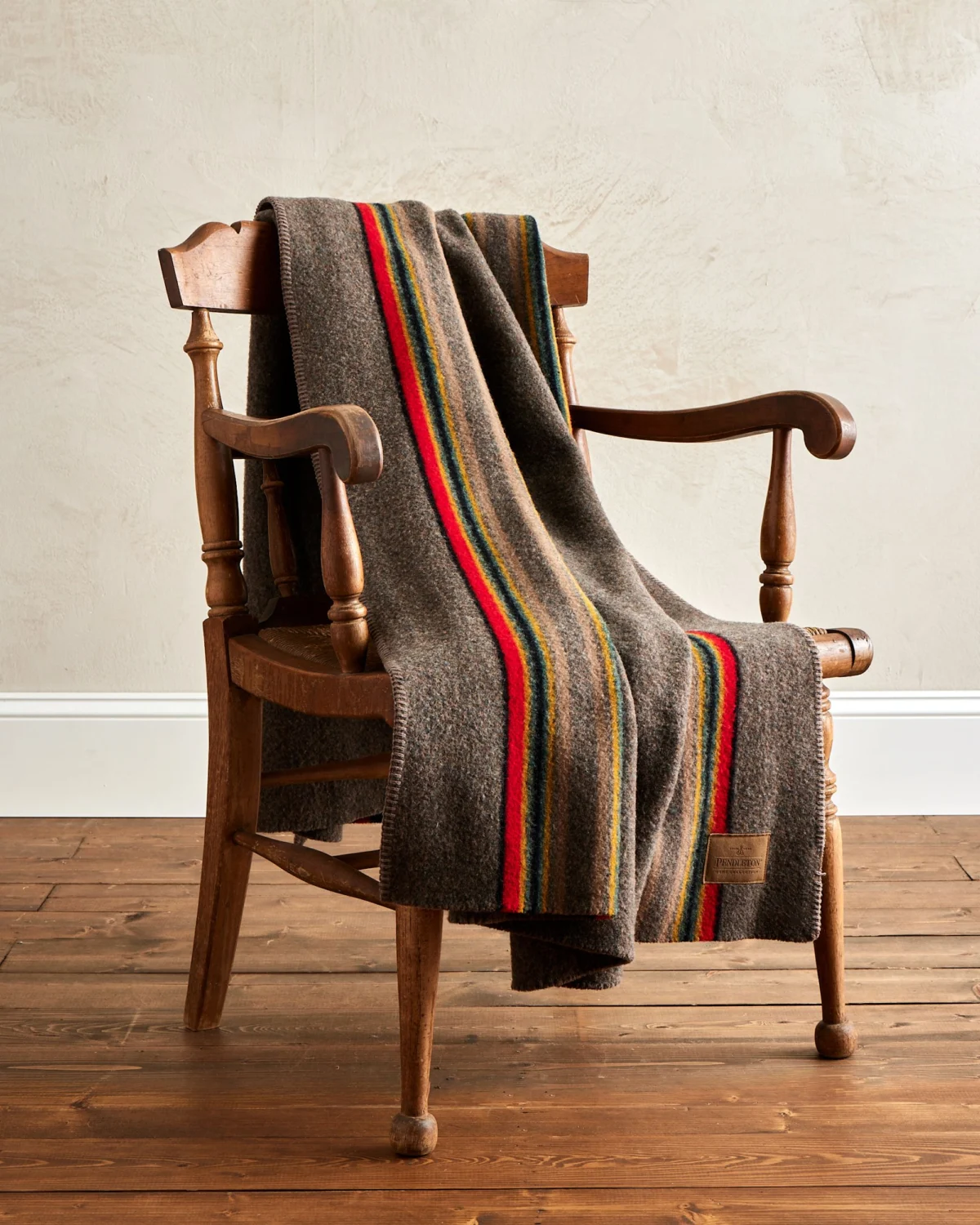
In an era of increasing environmental consciousness and social responsibility, the humble blanket, a staple of warmth and comfort, is undergoing a significant transformation. Consumers are no longer solely focused on softness or aesthetic appeal but are increasingly scrutinizing the origins, materials, and production ethics of their home textiles. This shift reflects a broader societal movement towards conscious consumption, where every purchase is viewed as an opportunity to support sustainable practices and ethical labor. From long winter nights to cozy evenings by the fire, a well-chosen blanket offers more than just physical warmth; it provides the comfort of knowing it was made with respect for both people and the planet. However, identifying truly sustainable and ethically produced options requires diligence, as the textile industry can be complex and opaque. This guide delves into the critical factors discerning consumers should consider, highlighting the health implications of conventional textiles, the environmental benefits of natural fibers, the importance of robust certifications, and the enduring value of durability and artisan craftsmanship.
The Hidden Costs of Conventional Blankets: Health and Environmental Impacts
The allure of inexpensive, mass-produced blankets often overshadows the hidden costs associated with their manufacturing. A primary concern revolves around synthetic textiles, which constitute a significant portion of the global textile market. These materials, such as polyester, acrylic, and nylon, are typically derived from petrochemicals, a non-renewable resource, and their production is energy-intensive. Furthermore, the dyeing processes for synthetic fabrics frequently employ immuno-sensitizing azo-benzene disperse dyes. These chemical compounds, designed to adhere effectively to synthetic fibers, pose considerable risks to both human health and the environment.
When consumers snuggle into a blanket treated with such dyes, there is a potential for direct skin contact to trigger allergic reactions or sensitivities. Beyond immediate epidermal irritation, these hazardous substances are not inert. They can degrade over time, shedding microscopic particles into household dust. This dust, laden with chemical residues, can then be inhaled or inadvertently ingested by family members, including children and pets. While a blanket may not be intentionally put in the mouth, the pervasive nature of household dust means these toxins can enter the body through multiple pathways, leading to chronic low-level exposure with unknown long-term health consequences. Scientific studies have linked certain azo dyes to carcinogenicity and mutagenicity, raising significant public health concerns, particularly for textile workers and communities living near manufacturing facilities where wastewater discharge is often poorly regulated.
Beyond the immediate health risks, synthetic textiles contribute significantly to environmental degradation. The production of petroleum-based fibers is a major contributor to greenhouse gas emissions. Moreover, synthetic blankets shed microplastic fibers with every wash. These microscopic plastic particles bypass wastewater treatment plants and enter aquatic ecosystems, polluting oceans, rivers, and even drinking water sources. Microplastics are ingested by marine life, entering the food chain and eventually making their way back to humans, posing a global environmental crisis that is only just beginning to be understood. The durability of these synthetic fibers, often marketed as a benefit, ironically exacerbates the problem, as they persist in the environment for hundreds of years. The sheer volume of textile waste, much of it synthetic, overwhelms landfills globally, highlighting an urgent need for more sustainable material choices.
Embracing Sustainable Fibers: A Healthier Choice for Home and Planet
In stark contrast to synthetic options, natural fibers offer a compelling alternative for creating warm, safe, and environmentally responsible blankets. These materials are inherently biodegradable, often require less intensive processing, and come from renewable resources. The industry’s shift towards sustainable alternatives prioritizes fibers such as organic cotton, alpaca, merino wool, linen, Tencel, and hemp, each offering unique benefits.
Organic Cotton: Unlike conventional cotton, which is one of the most pesticide-intensive crops globally, organic cotton is grown without synthetic pesticides, herbicides, or genetically modified organisms (GMOs). This not only protects the health of farmers and local ecosystems but also ensures that no harmful chemical residues are present in the final product. Organic cotton cultivation typically uses less water, improves soil health, and supports biodiversity, making it a cornerstone of sustainable textile production. The resulting fabric is soft, breathable, and hypoallergenic, ideal for direct skin contact.
Alpaca and Merino Wool: These luxurious natural fibers are celebrated for their exceptional warmth-to-weight ratio, softness, and durability. Alpaca fiber is naturally hypoallergenic, as it contains no lanolin, making it suitable for sensitive skin. Both alpaca and merino wool are renewable resources, and when sourced responsibly, their production can have a relatively low environmental impact. Wool is naturally anti-microbial and odor-resistant, requiring less frequent washing than synthetic alternatives, which conserves water and energy over its lifespan. Responsible wool standards emphasize animal welfare, land management, and ethical shearing practices.
Linen: Derived from the flax plant, linen is an ancient fiber renowned for its strength, breathability, and natural cooling properties, though it also provides warmth. Flax requires minimal water and pesticides to grow and thrives in diverse climates, making it a highly sustainable crop. Linen fabrics are exceptionally durable, becoming softer with each wash, ensuring a long product life. Its natural texture and elegant drape add a timeless aesthetic to home interiors.
Tencel: This regenerated cellulosic fiber, made from sustainably sourced wood pulp (typically eucalyptus), represents an innovative leap in sustainable textile manufacturing. Tencel production uses a "closed-loop" system, where up to 99% of the solvents and water used are recovered and reused, significantly reducing waste and environmental impact. Tencel fibers are known for their exceptional softness, breathability, and moisture-wicking properties, offering a luxurious feel while maintaining strong environmental credentials.
Hemp: Often hailed as an environmental super-fiber, hemp requires very little water, no pesticides, and enriches the soil it grows in. It grows rapidly and yields abundant fiber, making it an incredibly efficient crop. Hemp fabric is strong, durable, and naturally resistant to mold and mildew. While traditionally known for its coarser texture, advancements in processing can create softer, more pliable hemp fabrics suitable for cozy blankets. Its cultivation sequesters carbon, further contributing to its ecological benefits.
By choosing blankets made from these natural fibers, consumers not only invest in healthier, more comfortable home environments but also actively participate in reducing the ecological footprint of the textile industry, supporting agricultural practices that are regenerative and environmentally sound.
Ensuring Integrity: The Role of Certifications in Ethical Production
In a market saturated with "green" claims, independent certifications play a crucial role in providing transparency and verifying the sustainability and ethical credentials of textile products. These labels act as trusted benchmarks, ensuring that products meet rigorous standards throughout their supply chain, from raw material sourcing to final production. For blankets, several key certifications offer peace of mind to conscious consumers.
Oeko-Tex Standard 100: This is one of the most widely recognized independent certifications for textiles, focusing specifically on harmful substances. An Oeko-Tex Standard 100 label guarantees that every component of a product – every thread, button, and other accessory – has been tested for harmful substances and is therefore harmless in human ecological terms. This directly addresses concerns about azo-benzene disperse dyes and other chemical residues that can cause skin reactions or become airborne. It signifies that the textiles are safe for human contact, particularly important for items like blankets that are in close proximity to the skin.
Bluesign® System: The bluesign® system takes a holistic approach to environmental protection throughout the textile production process. It aims to eliminate harmful substances from the very beginning of the manufacturing chain, setting strict criteria for chemical inputs, water usage, energy consumption, and worker safety. A bluesign®-certified product indicates that it was produced with minimal environmental impact, using the most responsible chemical management practices available. This certification is particularly valuable for ensuring that dyes and finishes are non-toxic and that manufacturing processes adhere to stringent ecological and toxicological requirements.
Fair Trade USA & World Fair Trade Organization (WFTO): These certifications focus predominantly on the social and economic welfare of workers and producers in global supply chains. Fair Trade USA certifies products that meet rigorous social, environmental, and economic standards, ensuring fair wages, safe working conditions, community development, and environmental stewardship. The WFTO, on the other hand, certifies organizations (enterprises) that are 100% committed to Fair Trade principles, meaning their entire business model is built around ethical trade practices. For blankets, these certifications guarantee that artisans and factory workers involved in weaving, dyeing, and finishing are paid fairly, work in safe and healthy environments, and have opportunities for collective bargaining and community investment. They combat exploitation and support sustainable livelihoods in often vulnerable communities, particularly in developing countries where a significant portion of textile production takes place.
By prioritizing products with these certifications, consumers empower themselves to make informed decisions, supporting brands that are genuinely committed to environmental protection and social equity, and holding the industry accountable for its practices.
Beyond Materials: Durability, Design, and Ethical Supply Chains
The journey towards a truly sustainable blanket extends beyond just the raw materials and certifications; it encompasses the entire product lifecycle, from design to disposal. Two crucial aspects in this holistic view are durability and timeless style, coupled with a transparent and ethical supply chain.
Durability and Timeless Style: A key principle of sustainable consumption is to buy less and buy better. This ethos is perfectly embodied by investing in durable, high-quality blankets designed to last for years, if not decades. Fast fashion and disposable home goods contribute immensely to landfill waste. By contrast, a well-made blanket, crafted from robust natural fibers and constructed with attention to detail, reduces the need for frequent replacements. For example, wool blankets, known for their inherent strength and resilience, can last for generations with proper care. Their natural anti-odor properties also mean they require less frequent washing compared to synthetic counterparts, further extending their lifespan and conserving water and energy.
Furthermore, opting for timeless designs and classic aesthetics ensures that a blanket remains relevant and cherished regardless of fleeting trends. Brands that intentionally design for longevity, focusing on subtle patterns, natural color palettes, and versatile styles, contribute to a slower, more thoughtful consumption cycle. Consumers are encouraged to check care instructions meticulously, as proper maintenance—whether it’s gentle washing, air drying, or professional cleaning—is vital for maximizing a blanket’s lifespan. This approach not only minimizes environmental impact by reducing waste but also fosters a deeper appreciation for the items in our homes, turning them into cherished heirlooms rather than temporary commodities.
Traceable & Ethical Supply Chain: The global textile supply chain is notoriously complex, often involving multiple countries and various stages of production. Ensuring an ethical supply chain means guaranteeing fair labor practices, safe working conditions, and equitable compensation for every individual involved, from fiber farmers to weavers and finishers. Many brands are now committed to full traceability, allowing consumers to understand where their blanket’s materials originated and who was involved in its creation. This transparency is crucial in combating issues like child labor, forced labor, and exploitative wages that unfortunately persist in parts of the global textile industry.
Investing in blankets that celebrate artisan craftsmanship is another powerful way to support ethical supply chains. Many sustainable brands partner directly with artisan communities, particularly in Central and South America, India, and other regions with rich textile traditions. These partnerships often go beyond simple transactions, fostering long-term relationships, preserving traditional skills, and empowering local economies. By working closely with artisans, brands can ensure fair wages, provide safe and healthy working environments, and ensure that materials are sourced ethically and sustainably from local communities. Certifications like Fair Trade USA and the World Fair Trade Organization are instrumental in verifying these claims, offering consumers assurance that their purchase directly supports a more just and equitable global economy. The act of choosing an artisan-made blanket brings not only a unique, handcrafted piece into the home but also a story of cultural heritage and human connection.
Leading the Way: A Deep Dive into Sustainable Blanket Brands
The market for sustainable and ethical blankets is growing, with several brands distinguishing themselves through their commitment to responsible sourcing, production, and social impact. Each offers a unique approach to providing cozy comfort without compromising planetary or human well-being.
1. Pendleton: A Legacy of American Craftsmanship
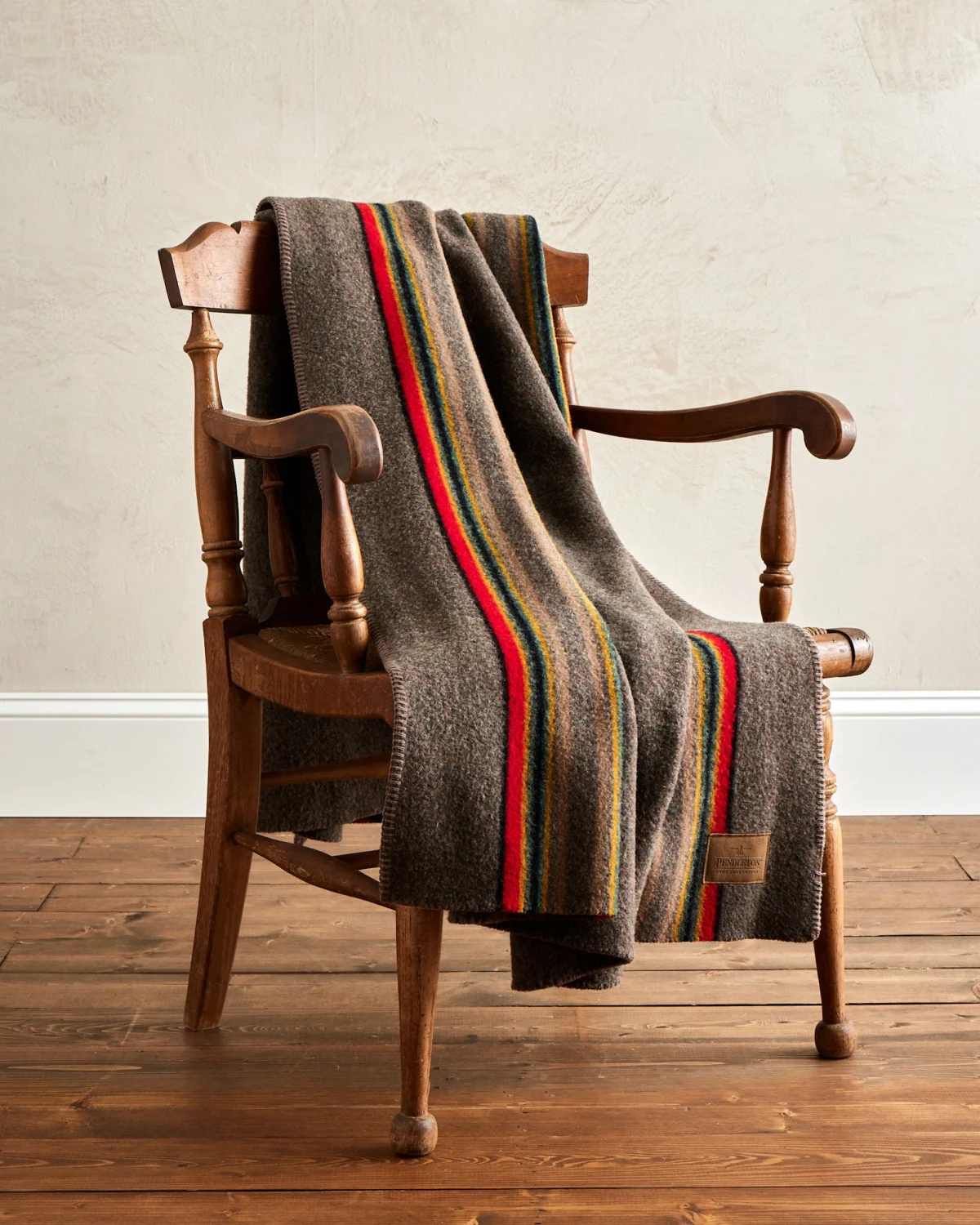
Pendleton Woolen Mills, established in 1909, stands as a testament to enduring quality and American heritage. Operating two of the last remaining woolen mills in the United States, Pendleton oversees the entire production process from scouring and dyeing to spinning, weaving, and hand-finishing wool and cotton for its Oeko-Tex-certified blankets. This vertical integration allows for meticulous quality control and a deep connection to its materials. The brand is celebrated for its long-standing relationships with local wool farmers, ensuring a consistent supply of high-quality, responsibly sourced fibers. Furthermore, Pendleton collaborates with indigenous artists, transforming their iconic patterns into intricately woven designs on its historic looms, preserving cultural artistry while supporting economic empowerment. This blend of tradition, local sourcing, and commitment to quality makes Pendleton a benchmark in sustainable textile manufacturing.
Price Range: $60-$529
Available in: The U.S.
2. Minna: Artisan Collaboration and B Corp Innovation
Minna, a queer-led and certified B Corp business based in Upstate New York, embodies a modern approach to ethical craftsmanship. Their blankets are characterized by beautiful abstract patterns and minimalist designs, handcrafted in small batches using alpaca, Oeko-Tex-certified cotton, and merino wool. Minna’s core philosophy centers on building genuine, long-term relationships with artisan partners in Central and South America. This commitment to transparency is evident as each product page often lists the specific artisan or cooperative responsible for its creation, providing a direct link between consumer and maker. As a B Corp, Minna meets rigorous standards of social and environmental performance, accountability, and transparency, ensuring that their business practices benefit both people and the planet.
Price Range: $165-$398
Available in: Most countries.
3. April Notes: European Craftsmanship and On-Demand Production
April Notes distinguishes itself with its focus on soft, earth-friendly home linens, including a collection of blankets made from linen, cotton, and merino wool. The brand ensures its products are certified free of harmful chemicals and synthetic dyes, prioritizing natural breathability and hypoallergenic properties. A key aspect of April Notes’ sustainability model is its made-on-demand production, which significantly minimizes textile waste and overproduction—a pervasive issue in the textile industry. The brand maintains a close partnership with a boutique atelier in Lithuania, ensuring high standards of craftsmanship, fair wages, and safe working conditions for its skilled artisans. This combination of sustainable materials, ethical production, and waste reduction makes April Notes a strong contender for conscious consumers seeking quality European-made textiles.
Price Range: $149-$180
Available in: The U.S., Canada, the U.K., Australia, New Zealand, Mexico, Norway, Switzerland, Gibraltar, and all European Union countries.
4. Avocado: Organic Bedding and Dye-Free Options
Avocado Green Mattress, a Los Angeles-based certified B Corp, has expanded its commitment to organic living into bedroom stylings, offering a range of throw blankets. Their collection features Oeko-Tex-certified organic cotton, alpaca wool, cashmere, merino wool, and recycled cotton. Notably, Avocado offers alpaca wool throws in naturally occurring colors, eliminating the need for any dyes whatsoever. For other blankets, they exclusively use azo-free dyes, reinforcing their dedication to chemical-free products. The brand sources its wool from Northern India and maintains a regularly audited supply chain to ensure ethical and sustainable practices throughout. Avocado’s dedication to organic materials and transparent sourcing has made them a trusted name in eco-friendly home goods.
Price Range: $39-$349
Available in: The U.S.
5. Coyuchi: Minimal Impact, Maximum Quality
Coyuchi is a pioneer in creating high-quality home goods with a minimal environmental footprint. Their blankets are crafted from organic cotton and wool sourced from India, and are meticulously woven in Fair Trade-certified factories located in Turkey, Portugal, and Germany. This commitment to Fair Trade ensures that workers are paid fairly and operate in safe, healthy conditions. Coyuchi goes a step further by offering a comprehensive "blanket guide" to assist customers in selecting the perfect product, emphasizing the importance of informed choices. Their dedication to organic materials, ethical manufacturing, and consumer education positions Coyuchi as a leader in the sustainable home textile market.
Price Range: $58-$478
Available in: The U.S.
6. Savvy Rest: American-Made Organic Cotton
Savvy Rest, another certified B Corp in the bedding sector, focuses on simplicity and purity with its range of organic cotton, dye-free blankets. Available in various sizes from throw to king, these blankets are entirely grown and woven into finished products within the United States. This commitment to domestic production minimizes transportation emissions and supports local economies and textile industries. By offering dye-free options, Savvy Rest eliminates the concerns associated with chemical dyes, making their blankets an excellent choice for those with sensitivities or a strong preference for unadulterated natural fibers. Their transparent, US-based supply chain is a hallmark of their sustainable practice.
Price Range: $89-$198
Available in: The United States
7. Under the Canopy: Intentional Design and Global Sourcing
Under the Canopy crafts blankets with intentional designs built for longevity, utilizing Oeko-Tex-certified low-impact dyes. Their production spans India, Pakistan, Turkey, and China, demonstrating a global approach to sourcing and manufacturing. The brand uses merino wool from Argentina and organic cotton from Turkey, carefully selecting materials and production partners who adhere to their environmental and ethical standards. By focusing on durability and certified low-impact dyes, Under the Canopy offers blankets that are both aesthetically pleasing and responsibly made, catering to consumers who prioritize both style and sustainability.
Price Range: $178-$212
Available in: The U.S.
8. Boll & Branch: Fair Trade Certified Luxury
Boll & Branch is a Fair Trade Certified bedding company that has made a name for itself by prioritizing non-toxic processes to create safe, luxurious, and soft blankets. Their throws are meticulously crafted by artisans in India, Turkey, and Pakistan using traceable, Oeko-Tex-certified organic cotton and alpaca. The brand’s commitment to Fair Trade ensures that every step of their supply chain, from the cotton fields to the weaving looms, adheres to stringent social and environmental standards, guaranteeing fair wages and safe working conditions. Boll & Branch’s dedication to both luxurious comfort and unwavering ethical production has established them as a leader in the premium sustainable textile market.
Price Range: $149-$699
Available in: The U.S. and Canada.
9. Bearaby: Therapeutic Weighted Blankets with Eco-Conscious Materials
Bearaby specializes in weighted blankets designed to promote better sleep and reduce anxiety, but also offers a range of comfy and lightweight throws. Their innovative approach integrates sustainability into therapeutic design. Materials include Tencel from Austria, organic cotton from India, and Oeko-Tex-certified recycled polyester, offering a variety of textures and weights. Bearaby’s use of Tencel, with its closed-loop production, highlights their commitment to environmental responsibility, while their organic cotton and recycled polyester options cater to diverse preferences for sustainable materials. They exemplify how specialized products can also adhere to high ethical and environmental standards.
Price Range: $149-$309
Available in: The U.S.
10. Cold Picnic: Art-Inspired Home Goods
Cold Picnic transforms home goods into striking art pieces, utilizing domestically-sourced Oeko-Tex-certified recycled cotton for many of its blankets. Designed in Brooklyn and produced in small batches by a family-owned company in the U.S., these blankets celebrate local manufacturing and unique artistic expression. Their quilts, on the other hand, are handmade by artisans in India, supporting traditional craftsmanship globally. While Cold Picnic is largely committed to sustainable materials, consumers should be mindful that some blankets may contain polyester. Checking material details before purchase is advisable for those sensitive to synthetics, though their emphasis on recycled materials mitigates some environmental concerns.
Watch out for: Some blankets are made with polyester, so check the material details before you buy if you’re sensitive to synthetics.
Price Range: $130-$560
Available in: Worldwide.
11. Parachute: Direct-to-Consumer Modern Classics
Parachute is a direct-to-consumer brand known for its quality and durable home goods, offering blankets with a timeless modern design aesthetic. They utilize Oeko-Tex-certified materials, including cotton, alpaca wool, and linen, ensuring products are free from harmful substances. Parachute partners with Fair Trade manufacturers in Portugal and Turkey, maintaining an ethical supply chain that prioritizes fair labor practices and safe working conditions. While the brand is largely committed to natural and certified materials, some blankets may contain a small percentage of polyester. Consumers seeking to avoid synthetics should review material details carefully, but Parachute’s overall dedication to quality and ethical sourcing makes them a notable choice.
Watch out for: Some blankets contain a small percentage of polyester, so be sure to check the material details if you’re sensitive to synthetics.
Price Range: $99–$289
Available in: The U.S. and Canada.
12. The Citizenry: Global Artisan Partnerships
The Citizenry is a Fair Trade brand dedicated to creating warm and lightweight blankets, quilts, and throws from ethically sourced, Oeko-Tex-certified materials such as alpaca wool, mohair, linen, and cotton. A hallmark of The Citizenry’s approach is its transparent partnership model: they explicitly list all of their international partners and detail where each blanket was handwoven or loomed on its respective product page. This level of transparency offers consumers an unparalleled connection to the origins and makers of their products. Similar to some other brands, The Citizenry’s collection may include blankets with a small amount of polyester. Checking the material composition is recommended for those who are sensitive to synthetic fibers, but their overarching commitment to Fair Trade and artisan empowerment is commendable.
Watch out for: Some blankets contain a small amount of polyester, so check the material makeup if you’re sensitive to synthetics.
Price Range: $189-$299
Available in: The U.S. and Canada.
13. Made Trade: Curated Ethical Marketplace
Made Trade functions as an online marketplace that meticulously vets every product to ensure genuine sustainability and transparency. This platform empowers consumers to shop by their specific values, allowing them to filter for blankets that are USA Made, handcrafted, or Fair Trade certified. Furthermore, users can select blankets based on preferred materials, including organic cotton, recycled polyester, hemp, linen, and merino and alpaca wool. While Made Trade offers a wide range of sustainable options, the inclusion of recycled polyester necessitates careful use of filter settings for those who wish to avoid all synthetics. By curating a diverse selection of ethically produced goods and offering robust search functionalities, Made Trade simplifies the process of finding truly responsible home textiles.
Watch out for: Use the filter settings to avoid synthetics.
Price Range: $40-$719
Available in: The U.S., Australia, Canada, the U.K., most European and Asian countries.
The Future of Home Textiles: Consumer Power and Industry Evolution
The shift towards sustainable and ethical blankets is more than just a fleeting trend; it represents a fundamental change in consumer values and industry practices. As awareness grows regarding the environmental footprint and social inequities embedded in global supply chains, consumers are increasingly wielding their purchasing power to demand greater transparency, accountability, and responsibility from brands. This consumer-driven demand is accelerating innovation in textile manufacturing, pushing companies to explore new sustainable materials, adopt cleaner production processes, and implement more equitable labor standards.
The proliferation of certifications like Oeko-Tex, bluesign, Fair Trade USA, and the WFTO is not merely a marketing tactic but a critical response to this demand for verified claims. These independent bodies provide a framework for objective assessment, helping to combat greenwashing and ensuring that sustainability claims are backed by rigorous standards. Their increasing prominence signifies a maturation of the sustainable textile market, moving beyond anecdotal assurances to evidence-based verification.
Looking ahead, the home textile industry is poised for continued evolution. We can expect further advancements in bio-based materials, circular economy models that prioritize repair, reuse, and recycling, and greater integration of digital technologies to enhance supply chain traceability. The narrative around textiles will increasingly emphasize the longevity of products, celebrating durability and timeless design as key components of sustainability. Ultimately, the choice of a blanket, once a simple matter of comfort, has become a statement—a conscious decision to support a healthier planet and a more equitable global community. By choosing wisely, consumers play an active role in shaping a future where warmth and comfort are synonymous with responsibility and respect.



 Chandra Hamzah
 Tatiana Tantri Indah Sari
 Budi Mulyono
 Anjar Salim

