
 Chandra Hamzah
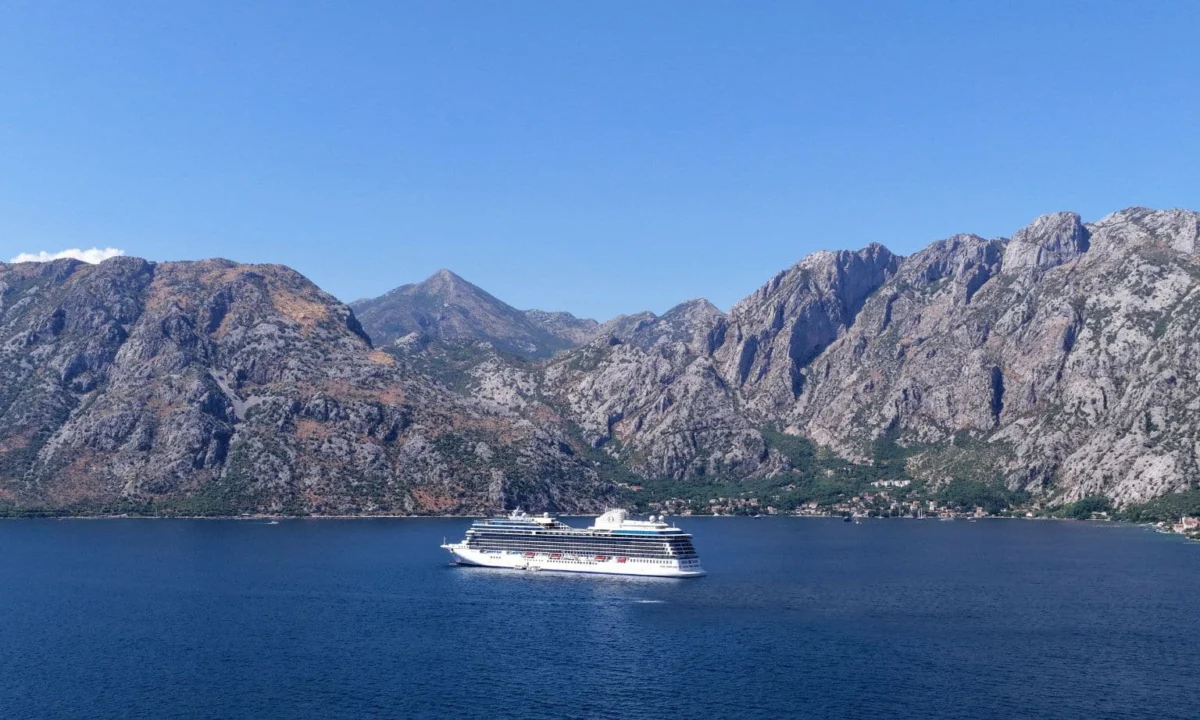
The European cruise industry is undergoing a significant strategic pivot as upper-premium and luxury lines move away from the traditional summer-centric model to embrace the "Quiet Season." Once marketed primarily as a budget-friendly alternative to peak-season travel, winter and shoulder-season cruising has been rebranded as an elevated, culturally immersive experience. By extending sailing calendars into the colder months, cruise lines are targeting a demographic of sophisticated travelers who prioritize historical exploration, culinary depth, and architectural appreciation over the seasonal allure of beach clubs and sun-drenched decks.
This shift represents a fundamental change in how the cruise industry manages capacity and guest expectations. By moving into the November-to-March window, operators are not only mitigating the pressures of overtourism in iconic ports but are also providing a more authentic window into the daily life of European cities.
The Evolution of the Quiet Season: A Historical Context
The concept of year-round European cruising is not entirely new, but its application has evolved significantly. In 2015, Viking Cruises became a pioneer in this space by formalizing its "Quiet Season Mediterranean" ocean voyages. This move was a calculated attempt to challenge the industry standard that viewed the Mediterranean as a seasonal product ending in October.
Viking’s strategy involved a shift in programming, emphasizing that the absence of sweltering summer temperatures and massive tourist queues allowed for a deeper connection with destinations. Over the subsequent decade, this philosophy has migrated from ocean liners to the river cruise sector, where companies are now expanding beyond the traditional "Christmas Market" focus to offer spring and late-autumn sailings that highlight the changing seasons of the European countryside.
2026-2028: New Deployments and Itinerary Expansion
The upcoming 2026–2028 period marks a major acceleration in this trend, with luxury operators committing significant fleet capacity to winter itineraries. Oceania Cruises, for instance, has strategically positioned its newest vessel, the Oceania Allura, to service these off-peak routes.

A standout in the 2027–2028 schedule is a 10-day voyage departing from Trieste, Italy, bound for Barcelona. Rather than focusing exclusively on high-traffic hubs, the itinerary integrates smaller, less-frequented ports such as Koper, Slovenia. This selection of secondary ports is a hallmark of the new luxury approach, designed to offer guests a reprieve from the congestion of primary cruise terminals.
Furthermore, the holiday period of 2027 features a 14-day voyage that traverses a unique geographic corridor: Southern Spain, the North African coast, and Sicily, culminating in the Italian mainland. The itinerary is built around the inclusion of an overnight stay in Tangier, Morocco, during the Christmas period, catering to a growing demand for unique, experiential holiday celebrations that deviate from traditional Western festivities.
Supporting Data and Demographic Shifts
The demand for these off-season sailings is largely driven by a specific segment of the luxury market. According to industry insights, the primary demographic for these extended-season voyages consists of travelers aged 55 and older, many of whom are retired or semi-retired. This cohort is characterized by a higher frequency of travel and a preference for "slow travel"—an approach that emphasizes duration and depth over the number of ports visited.
Data from major luxury lines indicates that this demographic values the onboard environment as much as the destination. The "Quiet Season" onboard experience is intentionally curated to be serene: these sailings often omit the high-energy amenities typical of mass-market vessels, such as large-scale kid’s clubs and casinos. Instead, the focus is on enrichment, including guest lectures, regional culinary demonstrations, and specialized port excursions that utilize "Privileged Access" to reach museums and historical sites after public hours.
Official Perspectives on the Shift
Michelle Black, the ANZ managing director of Viking, notes that the shift toward the off-season is a response to both guest feedback and a broader desire for more meaningful travel. "We’re seeing clear growth in travel outside the traditional European peak season," Black stated. "More guests are choosing the quieter months because the experience feels very different. You’re visiting the same well-known destinations, just without the crowds, which creates a more relaxed and immersive atmosphere."
From the perspective of the cruise lines, the off-season provides a logistical advantage as well. "What really stands out about off-season Europe is the pace," Black added. "There’s space to properly enjoy where you are. You can spend time in museums without feeling rushed, wander through markets that feel more local, and move through each destination at your own rhythm."

Addressing Overtourism and Economic Sustainability
One of the most significant implications of this shift is its role in addressing the global issue of overtourism. Ports such as Venice, Barcelona, and Amsterdam have spent the last several years implementing measures to control the influx of cruise passengers. By redistributing traffic into the winter and shoulder months, the industry is helping to flatten the demand curve, making the presence of cruise ships more sustainable for the host cities.
The focus of these winter itineraries is shifting toward cities that offer robust cultural, culinary, and historical infrastructure independent of the weather. Locations like Athens, Lisbon, Valletta, and Naples are becoming cornerstones of the winter calendar. These cities offer a high density of indoor attractions, such as galleries and historical monuments, which are effectively "weather-proof" and arguably more accessible when the climate is mild rather than scorching.
The "Quiet" Experience: A Case Study in Pompeii
The practical benefits of off-season travel are best illustrated by the experience of visiting archeological sites. In peak summer, sites like Pompeii are often so congested that visitors struggle to navigate the ancient streets. In contrast, a December visit offers a vastly different reality. The absence of crowds allows for a meditative exploration of the site, where the architecture and history take center stage rather than the logistical struggle of navigating thousands of other tourists. This ability to photograph and contemplate history in a personal, uninterrupted environment is the core value proposition that luxury lines are now selling to their clientele.
Broader Implications for the Future of Cruising
The movement toward year-round European operations suggests that the "cruise season" as a concept is becoming obsolete. As climate patterns shift and traveler preferences lean toward more authentic, less-hurried experiences, the industry is likely to continue this trend of geographic and seasonal diversification.
For the traveler, this means a wider array of choices, but it also requires a change in expectations. The Quiet Season is not for those seeking the traditional "sun and sea" cruise; it is for those interested in the layers of European history, the nuance of regional cuisine, and the silence of an empty cathedral or a quiet morning in a Mediterranean piazza.
As cruise lines continue to refine their off-season offerings, the industry is proving that by moving away from the peak of summer, they are actually moving toward a more sophisticated and sustainable future. This evolution ensures that even the most well-trodden destinations in Europe can be rediscovered, offering a fresh, intimate perspective to a new generation of luxury cruisers.


 Gabriela Annisa

 Lukman Taruna Persada Ramadan

 Tatiana Tantri Indah Sari

 Anjar Salim


 Dwi Wanna
