Hendra Ismail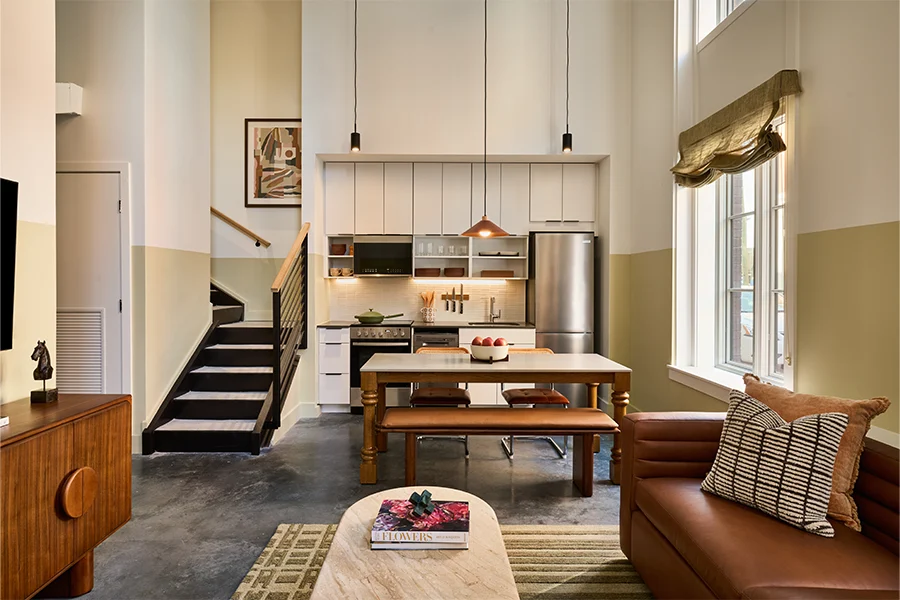
The global serviced apartment market is experiencing unprecedented growth, projected to surge from $112 billion in 2023 to an impressive $249 billion by 2030. This significant expansion, fueled by a compound annual growth rate of 12.7 percent from 2024 to 2030, underscores a fundamental shift in traveler preferences. As modern nomadic lifestyles embrace longer stays, the flexibility of hybrid work arrangements, and the desire for more immersive multigenerational travel, apartment-style accommodations are no longer a niche offering but a burgeoning segment of the hospitality industry. This evolution is prompting major hotel brands to either launch their own aparthotel concepts or expand existing serviced apartment portfolios, aiming to capture a discerning clientele seeking an integrated experience that blends space, service, amenities, and elevated comfort.
The impetus behind this market surge can be traced to a confluence of societal and economic factors. The widespread adoption of remote and hybrid work models has blurred the lines between professional and personal travel, enabling individuals to extend their stays and work from destinations that were once exclusively for leisure. Simultaneously, a growing appreciation for shared experiences within families has led to an increase in multigenerational trips, where larger, more adaptable living spaces are often preferred over traditional hotel rooms. These trends have cultivated a demand for accommodations that offer the functionality of a home with the conveniences and services of a hotel.
"Today’s travelers are seeking a fully integrated experience that combines space, service, amenities, and elevated comfort," explains Elías Barbosa, CEO of Trobbu, a company specializing in serviced apartment-style villas. Trobbu is set to debut Trobbu San Miguel in Mexico this July, further demonstrating the global reach of this trend. Barbosa notes, "Staying in a suite at a 5-Star hotel has been aspirational to many travelers. That type of luxury has become more accessible than ever." This democratization of luxury, combined with the practical advantages of apartment-style living, is driving significant investment and innovation within the sector.
Major Hotel Brands Embrace the Aparthotel Model
Recognizing this potent market demand, established hospitality giants are strategically entering or expanding their presence in the aparthotel sector. This move signifies a long-term commitment to adapting to evolving consumer needs and capturing a larger share of the travel market.
Apartment Collection by Hilton
Hilton, a long-standing leader in the hotel industry, has made a significant play in the serviced apartment space with its recently announced "Apartments by Hilton" brand. This initiative, launched in partnership with the apartment-hotel company Placemakr, aims to add approximately 3,000 new apartment-style units to Hilton’s existing inventory, which already comprises around 10,000 similar units.
Staci Patton, senior director of global full-service brand design at Hilton, highlights the strategic intent behind this new brand: "The Apartments are meant to fill a space that has a lot of friction, like Airbnb or independent rentals, whether it’s the deposit, cleaning, or key access." By offering a seamless and branded experience, Hilton seeks to alleviate common pain points associated with alternative accommodation options. Patton further elaborates on the brand’s flexible approach to property acquisition: "Each property will have its own identity, and many will be conversions. These could be multifamily residential buildings where there are 50 unrented units that can be brought into Hilton’s inventory." This conversion strategy allows for rapid expansion and leverages existing real estate assets.
The Apartments by Hilton offer a range of units from studios to four-bedroom furnished apartments, all equipped with essential amenities such as full kitchens, spacious living areas, 24-hour service, weekly housekeeping, and access to property amenities. The brand’s initial rollout is strategically focused on key urban markets, with properties expected to debut in New York, Washington D.C., and Atlanta within the first half of the year, further solidifying Hilton’s commitment to this growing segment.
Apartments by Marriott Bonvoy
Marriott International, another titan of the hotel industry, launched "Apartments by Marriott Bonvoy" in 2022, a direct response to the evolving travel landscape. This brand is designed to offer a hybrid living environment that reflects the future direction of hospitality, with a strong emphasis on comfort and functionality.
Aliya Khan, vice president of global design strategy and product development at Marriott, emphasizes the brand’s philosophy: "We create spaces that flex with the day. Rooms are no longer static. They transition—from workspace to dining to rest, and all seamlessly. Every space feels more lived in. Think less lobby, more layered living room." This design ethos prioritizes versatility, allowing guests to seamlessly integrate work, relaxation, and daily routines within their accommodation. Key amenities include spacious closets, full kitchens, and in-unit laundry facilities, catering to the needs of extended-stay travelers.
The portfolio of Apartments by Marriott Bonvoy is steadily expanding, featuring properties like The Ann in Savannah, designed by INC Architecture & Design, which offers full kitchens. Other notable locations include Le Géant in Courmayeur, an alpine property at the foot of Mont Blanc, and Casa Costera in Isla Verde Beach, Puerto Rico, providing studio to two-bedroom apartments. With 30 projects in development across diverse global locations such as Vietnam, South America, and South Africa, the brand is poised to further blend work, living, and travel experiences.
Khan also addresses the evolving nature of social spaces within these accommodations: "Privacy remains essential, but isolation does not. There is a growing desire for connection without obligation—shared kitchens that genuinely invite use, coworking spaces that feel closer to a members club than a business center, and programming that is culturally attuned but never overbearing. The success of these spaces will lie in their ability to strike a delicate balance: present when desired, invisible when not." This thoughtful approach to communal areas aims to foster a sense of community while respecting individual preferences for privacy.
Established Players Redefine Serviced Living
Beyond the major hotel brands, established serviced apartment operators are also innovating and expanding, catering to a sophisticated clientele that values both luxury and autonomy.
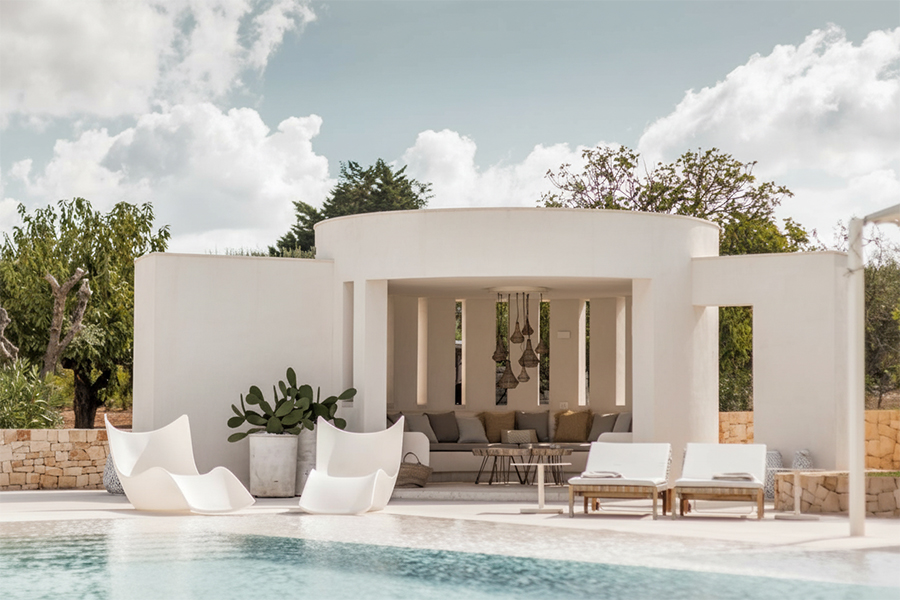
Mandarin Oriental Exceptional Homes
Mandarin Oriental, renowned for its ultra-luxury hotel experiences, has extended its impeccable service standards to the realm of private residences through its "Exceptional Homes" collection. This initiative goes beyond the traditional apartment model, offering curated, high-end homes for extended-stay rentals. The portfolio has recently expanded to include 10 new residences, bringing the total to 35 globally.
Each property within the Mandarin Oriental Exceptional Homes collection is meticulously selected for its suitability for extended stays and is complemented by the brand’s signature service. This includes access to private chefs, dedicated concierges, daily housekeeping, and dedicated villa managers, ensuring a seamless and indulgent experience.
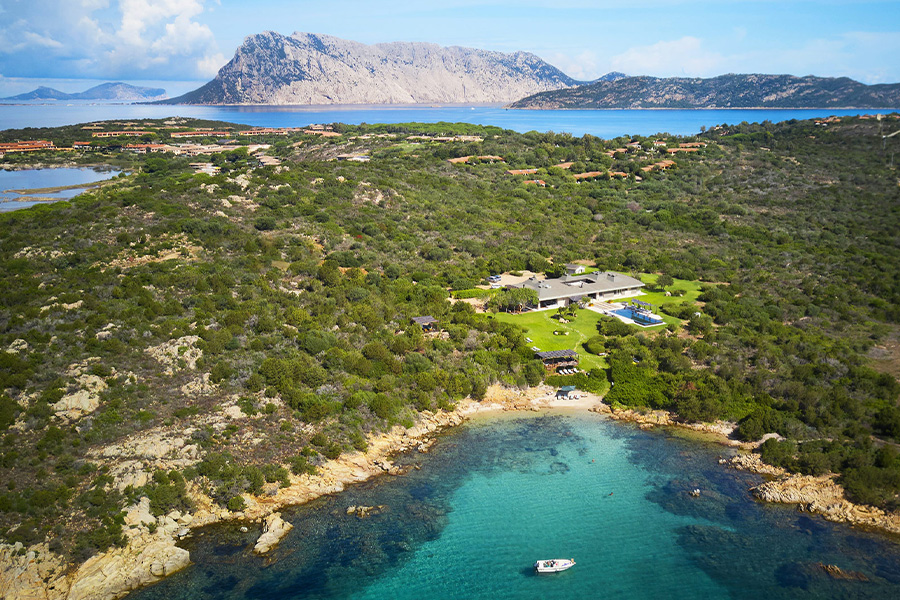
Recent additions to the collection showcase a commitment to unique and desirable locations. Villa Petrucci in Florence, meticulously restored by architect and designer Massimo Adario, offers a historical and artistic retreat. The beachfront Villa Marzia in Sardinia provides a coastal escape, while two properties in Puglia, Trullo delle Dame and Trullo dei Pumi, offer authentic Italian charm. Marbella welcomes six new design-led villas, catering to guests seeking contemporary elegance.
Philip Leighton, head of Mandarin Oriental Exceptional Homes, emphasizes the strategic vision behind this expansion: "The continued expansion of Mandarin Oriental Exceptional Homes reflects a focus on locations where a private home setting allows guests to experience each destination with greater depth and authenticity." This approach caters to travelers seeking a more immersive and personal connection with their chosen destination, facilitated by the privacy and comfort of a private residence coupled with unparalleled service.
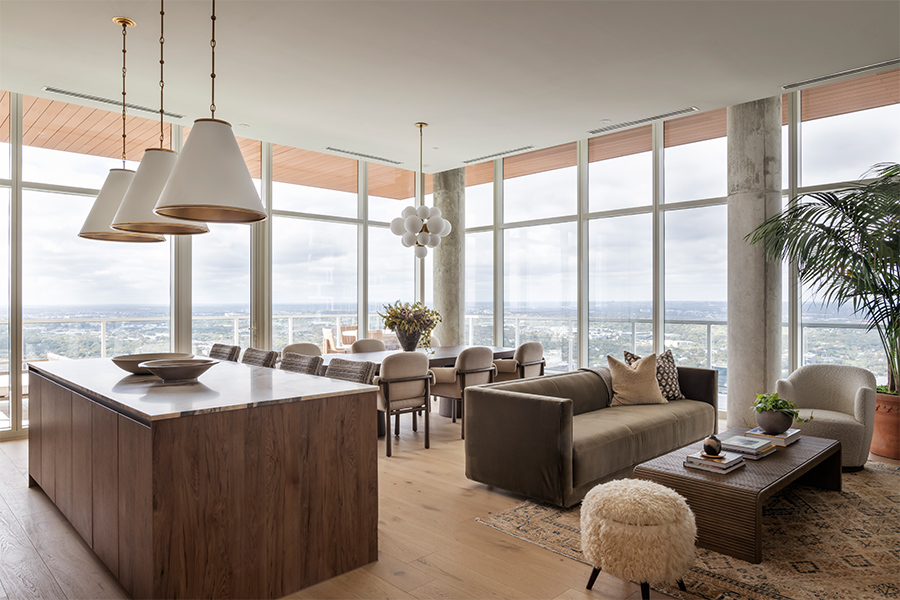
ROOST Apartment Hotel
ROOST, conceptualized by Philadelphia-based Method Co., has been a pioneer in the serviced apartment industry since its launch in 2014. The brand’s core mission is to seamlessly blend the residential feel of an apartment with the sophisticated amenities and attentive service of a boutique hotel.
Randall Cook, CEO and cofounder of Method Co., attributes the brand’s success to the fundamental shift in travel behaviors: "Apartment hotels are rising because the way people travel has fundamentally changed. Guests aren’t just passing through cities anymore—they’re living in them, even if temporarily. They want space to settle in, routines to continue uninterrupted, and environments that support work, wellness, and recreation." This perspective underscores the growing demand for accommodations that support a holistic lifestyle rather than just providing a temporary place to stay.
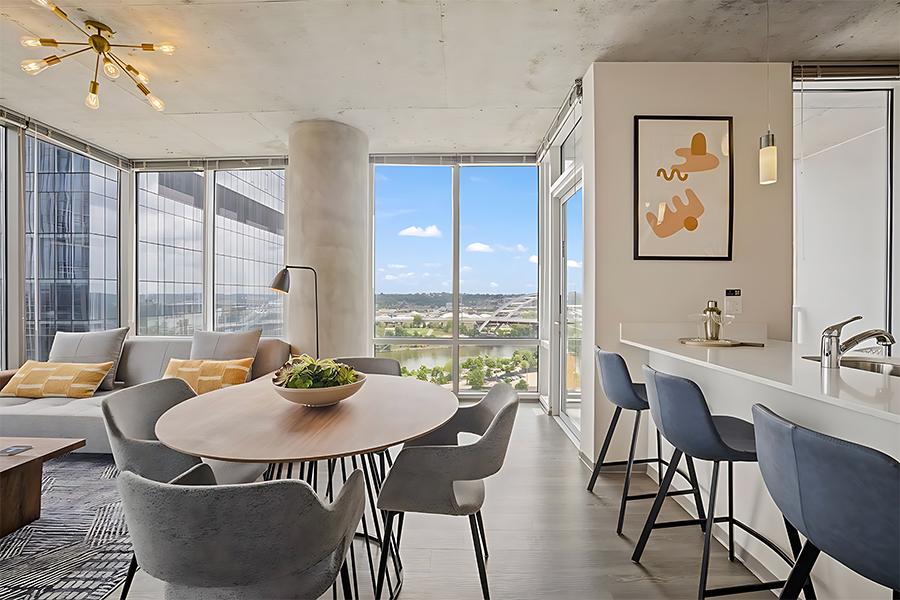
ROOST currently operates eight locations across the United States, with its most recent addition being ROOST Rainey in Austin, Texas. This property features 59 rooms within the prominent 48-story Paseo mixed-use development. Cook describes these aparthotels as "a seamless extension of modern life, not a compromise between home and hotel." He further elaborates on the design philosophy: "Designing for real life starts with acknowledging that people experience spaces not just visually, but through use, habit, and emotion." This user-centric design approach prioritizes functionality and emotional resonance.
Service is also a critical differentiator for ROOST. Cook notes, "The longer the guest stays, the more opportunity there is for staff to get to know them on a personal level. Guests still expect high-touch hospitality, but it’s delivered with discretion—present when needed, invisible when not. As stays become longer and more lifestyle-oriented, service becomes less about constant intervention and more about ease and consistency." This nuanced approach to service delivery ensures guest comfort and satisfaction throughout their extended stays.
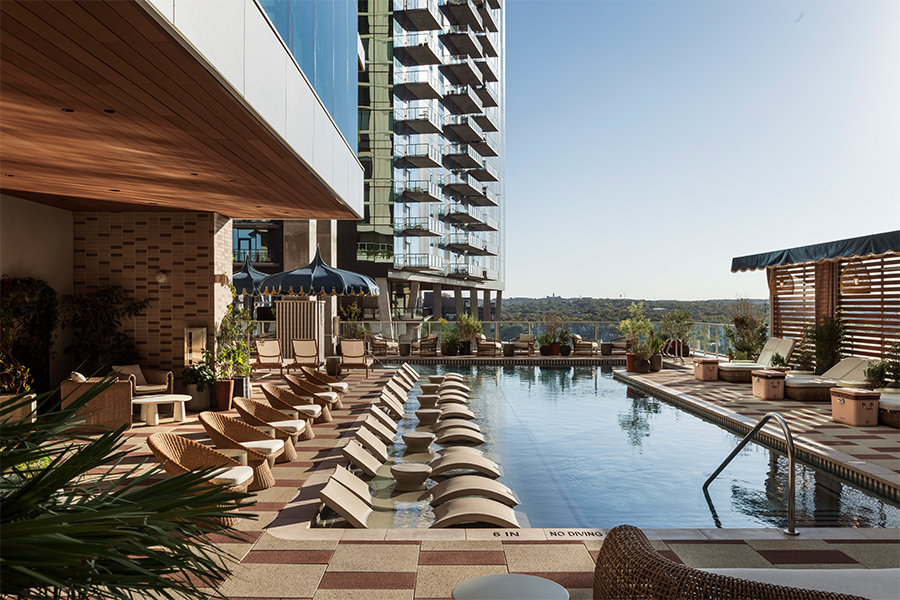
Wilde Aparthotels
Across the Atlantic, Wilde Aparthotels has been steadily expanding its European footprint. With existing properties in Germany, Scotland, and England, the brand has recently opened new outposts in Vienna, Cambridge, and Lisbon, with Porto and Amsterdam slated for future openings.
Kelly Morgan, Wilde’s managing director, articulates the brand’s definition of modern luxury: "Luxury today is about space, privacy, and ultimately how a place makes you feel." This sentiment aligns with the broader trend of prioritizing experiential and emotional aspects of travel.
Wilde places a significant emphasis on guest wellbeing, integrating it as a fundamental aspect of the accommodation experience. Morgan elaborates, "At Wilde, wellbeing is not an afterthought, it’s fundamental." This commitment is evident in features such as elevated acoustic soundproofing, blackout blinds, filtered water systems, and meticulous attention to temperature, air quality, lighting, materials, and layout. The ultimate goal, Morgan states, is simple: "We want the guest to wake up feeling better than when they arrived."
The Wilde Vienna property, designed by Stephanie Barba Mendoza for its public spaces, embodies the brand’s playful yet sophisticated ethos, blending modern elements with antique pieces. The guestrooms, designed by Wilde’s in-house team, continue this narrative of past and present, featuring vaulted ceilings, full-length windows, wooden beams, and aged plasterwork as a backdrop for contemporary sculptural furniture and art.
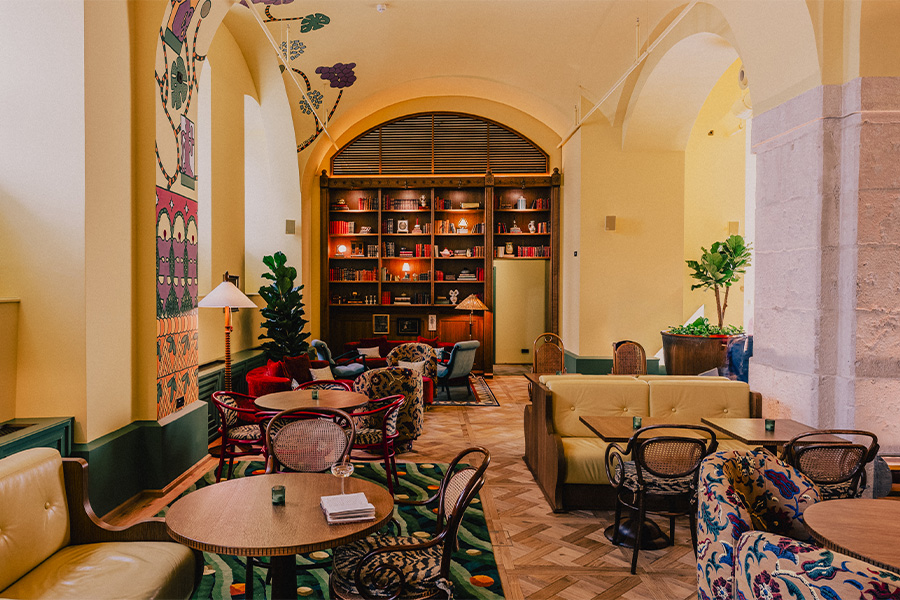
Looking ahead, Morgan anticipates further evolution in the aparthotel sector: "The next generation [of aparthotels] will be even more guest-centric and wellbeing-focused. We’ll see smarter integration of technology for personalized comfort. Public spaces will continue to evolve as social hubs for both guests and locals. The future is about creating spaces that are as functional and restorative as they are beautiful." This forward-looking perspective suggests a continued emphasis on technology, community building, and holistic guest experiences.
The Future of Extended Stays
The burgeoning serviced apartment and aparthotel market is not merely a fleeting trend but a significant recalibration of the hospitality industry in response to evolving societal needs and preferences. As travelers increasingly seek accommodations that offer the comforts of home, the convenience of hotel services, and the flexibility to support diverse lifestyles, the demand for these hybrid living spaces is set to continue its upward trajectory. The strategic investments by major hotel brands and the innovative approaches of established operators signal a robust future for the aparthotel segment, promising a more personalized, comfortable, and integrated travel experience for a global clientele. The industry’s ability to adapt and cater to these dynamic demands will be crucial in shaping the future of travel and accommodation.

 Chandra Hamzah
 Gabriela Annisa
 Tatiana Tantri Indah Sari
 Budi Mulyono
 Anjar Salim