
 Hendra Ismail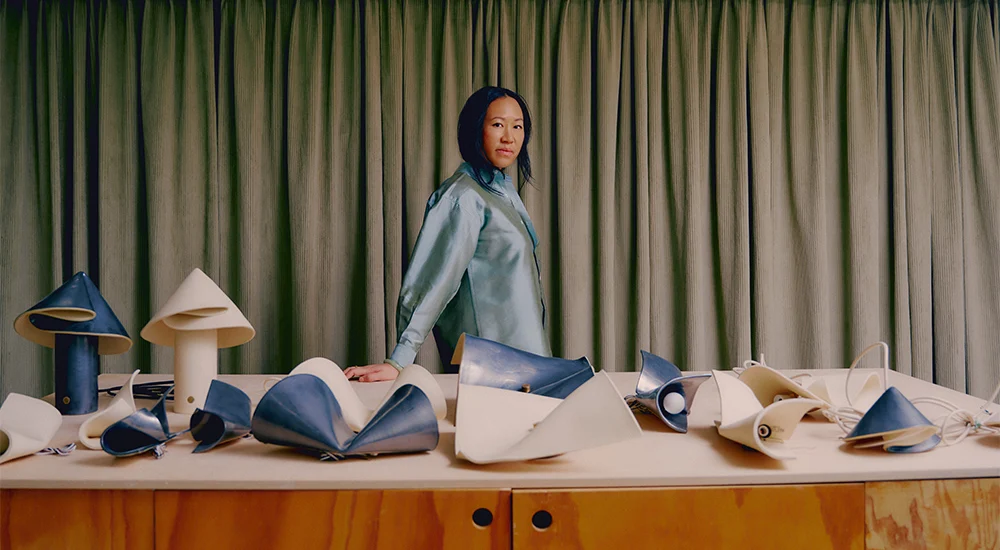
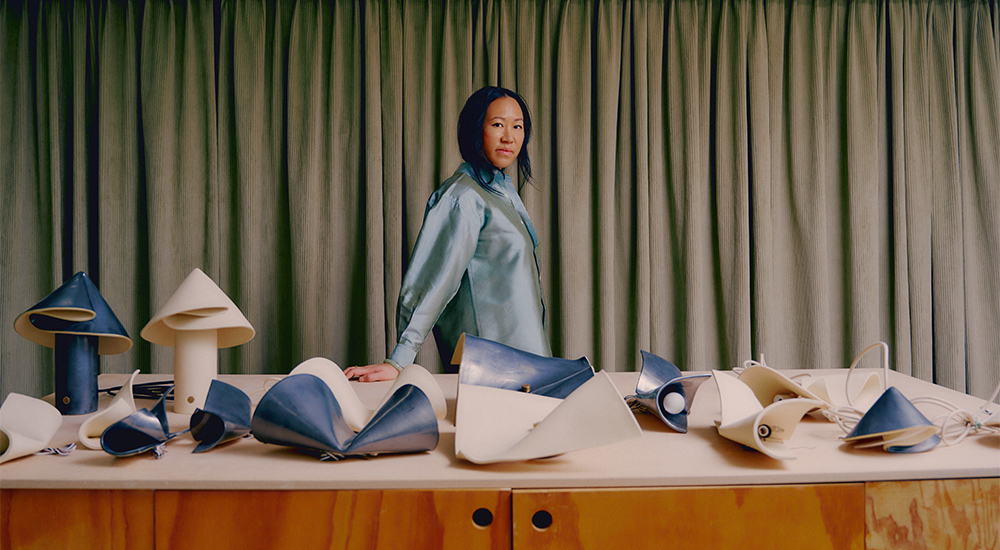
The world of ceramics, often perceived as a traditional craft, is being continually redefined by innovative artists who push the boundaries of material and form. Virginia Sin, a name increasingly synonymous with this avant-garde movement, exemplifies this evolution. Her work, characterized by a surprising plasticity and an almost ethereal quality, challenges conventional notions of fired clay. Pieces like the "Shayd" light, where ceramic curves and bends with a fluidity that mimics fabric, consistently elicit gasps of disbelief from onlookers. "People are surprised it’s ceramic," Sin shares, acknowledging the inherent tension in her practice. "Clay has a strong memory, so you have to be really intentional with how you handle it." This delicate balance between softness and structural integrity has become a defining characteristic of her artistic output.
Sin’s foundational exploration of clay began with coil building, a technique that shaped her earliest visual language. This method gave rise to forms resembling exoskeletons and open structures, such as the distinctive "Prong" fruit bowl. Over time, her practice has expanded dramatically, incorporating slab work and intricate sculptural lighting that now dominate her contemporary studio output. This evolution mirrors her own personal and professional journey, a testament to her adaptability and unwavering pursuit of creative expression.
A Calculated Pivot: From Economics to Art and Advertising
Virginia Sin’s trajectory towards the art world was not a straight path. While pursuing a degree in economics and business management at the University of California, Irvine, she harbored a secret ambition: to attend design school. This clandestine preparation of a portfolio was fueled by an uncertainty about her parents’ potential support for a career in the arts. Eventually, with their blessing, she enrolled at ArtCenter College of Design, focusing on graphic design. This academic foundation would later prove invaluable, blending artistic sensibilities with a strategic business acumen.
Following her studies, Sin made a significant move to New York City, embarking on a career in advertising. She describes this period as becoming "a Mad Woman in advertising," a nod to the iconic television series that captured the fast-paced and creative world of Madison Avenue. During her tenure in this demanding industry, ceramics remained a persistent passion, a private sanctuary for her creative energies.
The Genesis of a Breakthrough: The Porcelain Paper Plate
The year 2007 marked a pivotal moment in Sin’s artistic journey. It was then that her side practice in ceramics began to gain significant traction with the sale of her first design: the "Porcelain paper plate." This creation was deeply rooted in her personal history, inspired by the disposable plates that were a ubiquitous feature of family gatherings during her childhood. The design offered a sophisticated and sustainable reimagining of a common, ephemeral object.
The "Porcelain paper plate" quickly became an early breakthrough for Sin. Its innovative design and concept garnered critical acclaim, leading to its recognition with a Design Within Reach Sustainability Award in 2008. The piece also found a prestigious placement in the renowned Eleven Madison Park restaurant, gracing tables for several years. Its significance was further cemented when it was acquired by the New-York Historical Society museum for its permanent 21st Century Design Collection, a testament to its cultural and artistic importance. The plate’s enduring appeal even extended to the silver screen, making a memorable cameo in the final scene of the 2022 film "The Menu," underscoring its broader cultural resonance.
Transition to Full-Time Ceramicist and Studio Growth
The success and recognition garnered by the "Porcelain paper plate" served as a powerful catalyst for Sin’s career. By 2016, she made the decisive commitment to transition to ceramics full-time, dedicating her energies entirely to her artistic vision. This strategic decision led to the establishment of her expansive studio in Brooklyn, New York. Today, this 9,000-square-foot space is a hub of creativity and production, where a dedicated team of 19 artisans meticulously crafts a diverse range of products. The studio’s output spans from intricate tabletop objects and functional shelving solutions to the sculptural lighting that has become a hallmark of her brand.
The "Field" Collection: Exploring Light and Atmosphere
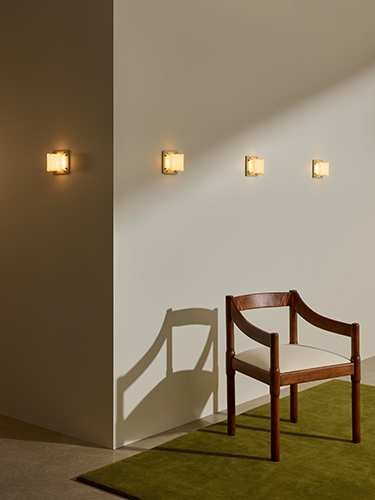
Sin’s latest venture, the "Field" lighting collection, represents a fascinating evolution in her artistic exploration. Debuted at the prestigious International Contemporary Furniture Fair (ICFF) this year, the "Field" collection signifies a departure from her signature fluid silhouettes. Instead, it delves into a more geometric and restrained aesthetic, directly inspired by the immersive and contemplative light installations of artist James Turrell.
The "Field" collection, comprising wall sconces, explores the interplay of atmosphere and form through deliberate restraint. Each piece features a clean, square silhouette that serves as a canvas for an astonishing array of customization. With 120 possible combinations of colors and materials, the collection offers designers and consumers an unprecedented opportunity to tailor the lighting to specific environments and moods. "I was swatching around the way an interior designer would, and I saw the infinite possibilities," Sin explains, highlighting the collection’s focus on how light transforms surfaces and finishes. This approach transforms the sconces into dynamic elements that can dramatically alter the perceived atmosphere of a space, much like Turrell’s celebrated light art.
The demand for such thoughtfully designed, handmade products is on the rise, a trend that Sin is expertly capitalizing on. In a market increasingly saturated with mass-produced goods, consumers are actively seeking out items that possess a unique character and a tangible connection to their maker. Sin’s ability to infuse her work with this sense of individuality and craftsmanship resonates deeply with this growing segment of the market. The "Field" collection, with its customizable nature and sophisticated aesthetic, directly addresses this "appetite for truly handmade products," offering a blend of artistic vision and personalized functionality.
A Philosophy of Delight: Infusing Soul into Everyday Objects
Underpinning Virginia Sin’s entire creative endeavor is a profound philosophy centered on "delight in your home." This guiding principle, which she embraces as a double entendre, speaks to both the aesthetic pleasure her objects bring and the joy they can evoke in daily life. "It’s important for our products to feel like they have a soul," she emphasizes, articulating a core mission that transcends mere functionality.

Her overarching ambition for the business is clear and deeply felt: "to spread warmth and happiness by infusing function and delight into everything we create." This mission statement encapsulates the essence of her work, whether it manifests in the expressive, flowing lines of her earlier pieces or the controlled geometry of her latest lighting designs. Each creation, regardless of its form, is imbued with an intention to enhance the living spaces it inhabits, to bring a sense of comfort, beauty, and individual expression.
The journey from a clandestine art student to a successful advertising executive, and ultimately to a celebrated ceramicist with a thriving studio and innovative product lines, is a compelling narrative. Virginia Sin’s story is not just about the creation of beautiful objects; it is a testament to the power of perseverance, the courage to follow one’s passion, and the ability to translate a unique artistic vision into a tangible, delightful reality for homes around the world. Her work serves as a reminder that even in the most familiar materials, there lies the potential for extraordinary transformation and profound emotional resonance. The meticulous craftsmanship, combined with an unwavering commitment to infusing each piece with a sense of soul, solidifies Virginia Sin’s position as a significant and influential voice in contemporary design.


 Anjar Salim
 Chandra Hamzah
 Tatiana Tantri Indah Sari
 Budi Mulyono
 Lukman Taruna Persada Ramadan
