
 Susilo Edi Turonggo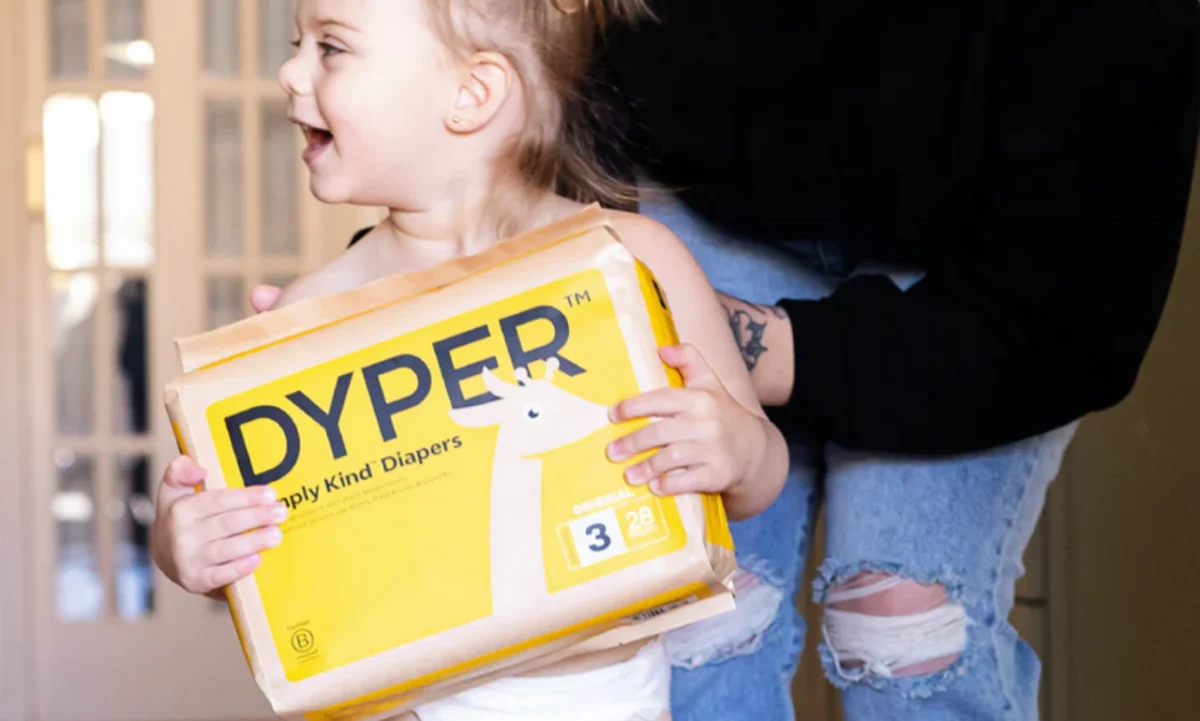
The sheer volume of waste generated by infants is a significant, often overlooked, environmental challenge. Estimates suggest that an average baby will utilize approximately 6,000 single-use diapers within their first two years of life, contributing substantially to municipal waste streams. While reusable cloth diapers present an alternative, their practical demands often render them unfeasible for many contemporary parents navigating demanding schedules and limited resources. Beyond the immediate waste accumulation, conventional disposable diapers pose considerable environmental and health risks, prompting a critical examination of the materials and regulatory oversight within the industry.
The Unseen Burden: Environmental and Health Impacts of Conventional Diapers
The environmental footprint of traditional single-use diapers extends far beyond their visible presence in overflowing trash bins. Constructed predominantly from plastic-based materials, wood pulp, and various super-absorbent polymers, these diapers are designed for convenience but not for decomposition. Each diaper can take hundreds of years to break down in a landfill, where they contribute to methane emissions, a potent greenhouse gas, and leach potentially harmful chemicals into the soil and groundwater. Globally, billions of disposable diapers are discarded annually, creating vast mountains of waste that strain landfill capacity and exacerbate pollution concerns. The sheer scale of this problem underscores an urgent need for more sustainable alternatives.
Compounding the environmental dilemma are the health implications associated with the chemical composition of many conventional diapers. Numerous studies and advocacy groups have raised concerns regarding the presence of phthalates, parabens, volatile organic compounds (VOCs), and artificial fragrances in these products. These chemicals, often used for absorbency, scent, or to improve material properties, have been linked to a range of adverse health outcomes. Research suggests potential associations with endocrine and reproductive disorders, acute skin rashes, and even an elevated risk of testicular cancer later in life. For instance, phthalates are known endocrine disruptors, capable of interfering with hormonal systems, while fragrances can trigger allergic reactions and skin irritation in sensitive infants. The Consumer Product Safety Commission (CPSC) in the United States currently mandates testing for lead in diapers but does not require comprehensive screening for other potentially harmful chemicals, including known carcinogens or endocrine-disrupting substances. This regulatory gap leaves consumers, particularly vulnerable infants, exposed to a cocktail of untested compounds, raising serious questions about product safety standards.
A Paternal Imperative: The Genesis of Dyper and the REDYPER Vision
The personal experience of overflowing waste bins served as the catalyst for Tony Patron, founder of REDYPER™ and Dyper. Like many new parents, Patron and his business partner observed the disproportionate volume of plastic diapers accumulating weekly, prompting a realization that a fundamental change was necessary. This observation, coupled with Patron’s background as an engineer, ignited a mission to address the pervasive problem of diaper waste with an innovative, sustainable solution.
Initially, Patron explored a partnership with an existing company focused on compostable diaper manufacturing. However, this collaboration ultimately evolved into the formation of Dyper, a new entity dedicated to developing high-performance, non-toxic, and biodegradable diapers. The company’s vision was clear: to provide parents with a product that offered the convenience of single-use diapers without compromising environmental integrity or infant health. This foundational principle sought to reconcile the demands of modern parenting with a commitment to ecological responsibility. The entrepreneurial journey from identifying a personal pain point to launching a comprehensive solution reflects a broader trend of purpose-driven businesses emerging to tackle pressing environmental challenges.

Pioneering Plant-Based Solutions: Dyper’s Product Innovation
Dyper’s core philosophy, "plants over plastic for happy babies," underpins its entire product development strategy. The company’s product team is meticulously focused on maximizing the biodegradability of its diapers, acknowledging that while some components, such as certain types of Velcro, currently lack biodegradable alternatives, the vast majority of materials can be sourced sustainably. Tony Patron emphasizes the dual objective: "Our goal is to provide a diaper that performs equally to any other diaper on the market in terms of absorbency, fit, and comfort, and ensuring that we don’t have any skin irritation." This commitment to both performance and purity is crucial for gaining consumer trust in a competitive market.
The brand utilizes primarily plant-based materials, including responsibly sourced, US-grown FSC-certified bamboo and eucalyptus fibers. Bamboo, in particular, is lauded for its rapid growth, minimal water requirements, and natural antimicrobial properties, making it an ideal sustainable resource. Dyper’s viscose bamboo is sourced from an Oeko-Tex certified supplier, ensuring that the material is processed without harmful substances and is safe for skin contact. The company maintains full transparency, clearly labeling each layer of its diapers with specific component information, empowering conscious parents to make informed choices. This level of detail extends to certifications, with Dyper’s diapers being Certified USDA BioPreferred 55% Product and its wipes achieving a Certified USDA BioPreferred 95% Product status. These certifications validate the significant bio-based content of their offerings.
Beyond environmental considerations, infant health remains a paramount concern. Dyper’s products meet stringent Oeko-Tex standards, which test for harmful substances, and the brand has recently secured the DermaTest 5-Star Certification. This independent dermatological certification rigorously assesses products for skin compatibility, guaranteeing that Dyper’s diapers are highly unlikely to cause any skin reactions or irritation. This commitment to third-party testing and certification provides an additional layer of assurance to parents seeking genuinely non-toxic options for their babies. By meticulously avoiding phthalates, latex, parabens, chlorine, alcohol, and artificial fragrances—common irritants found in many conventional diapers—Dyper ensures that its products are gentle on delicate skin, minimizing the risk of diaper rash and other dermatological issues.
Closing the Loop: The REDYPER Composting Program
While the use of plant-based, biodegradable materials significantly reduces the environmental impact of the diapers themselves, the ultimate challenge lies in their disposal. Recognizing that merely offering a compostable diaper isn’t enough if robust composting infrastructure is lacking, Dyper developed the optional REDYPER program. This innovative service addresses the "end-of-life" problem by providing a convenient solution for parents to responsibly dispose of used diapers.
The REDYPER program, available in select regions, offers a weekly or bi-weekly pickup service for used diapers and wipes. These collected materials are then transported to regional industrial composting facilities. At these specialized facilities, the plant-based components of the diapers can break down effectively within 14 to 16 weeks under optimal conditions of heat, moisture, and microbial activity. Any non-compostable elements, such as the aforementioned Velcro tabs, are separated and disposed of appropriately. This systematic approach effectively diverts a substantial portion of diaper waste from landfills, transforming a significant environmental burden into valuable compost. As of its latest reporting, the REDYPER program has successfully diverted over 14 million pounds of waste from landfills, demonstrating a tangible positive impact.
However, the scalability and universal availability of such a program present inherent challenges. Industrial composting infrastructure is not uniformly accessible across all states and municipalities, limiting the reach of REDYPER. Furthermore, the logistics of collecting and transporting used diapers require significant operational planning and resources. Despite these complexities, Dyper’s commitment to creating a closed-loop system highlights a pioneering effort within the consumer goods industry, pushing the boundaries of what is possible for waste management and product stewardship. This initiative not only offers a practical solution for parents but also serves as a model for other industries grappling with post-consumer waste.
The Broader Landscape of Sustainable Parenting
Dyper’s emergence and success reflect a growing societal shift towards conscious consumerism, particularly within the parenting demographic. Modern parents are increasingly informed and concerned about the environmental impact of their choices and the health implications of products used on their children. This heightened awareness has fueled a burgeoning market for sustainable baby products, ranging from organic clothing to non-toxic toys and, crucially, eco-friendly diapers. Market research indicates a steady growth in demand for sustainable and natural baby products, suggesting that consumers are willing to invest in alternatives that align with their values.
Despite this growing demand, the sustainable diaper market faces several challenges. Price points for eco-friendly alternatives can sometimes be higher than conventional options, creating a barrier for some families. Additionally, skepticism about the true biodegradability or "greenwashing" claims can make consumers wary. Companies like Dyper, through transparent labeling, third-party certifications, and robust composting programs, aim to build trust and demonstrate genuine commitment to sustainability. The ongoing development of biodegradable materials and improvements in composting technology are crucial for expanding the reach and effectiveness of such initiatives.
Moreover, the conversation around sustainable diapering extends to policy and infrastructure. Government incentives for industrial composting facilities, clearer labeling standards for "biodegradable" products, and public education campaigns about waste reduction can all play a vital role in supporting the transition towards more sustainable practices. Dyper’s REDYPER program, while a private initiative, underscores the potential for partnerships between businesses and waste management sectors to address large-scale environmental problems.
Looking Ahead: Dyper’s Vision for a Healthier Planet and Happier Babies
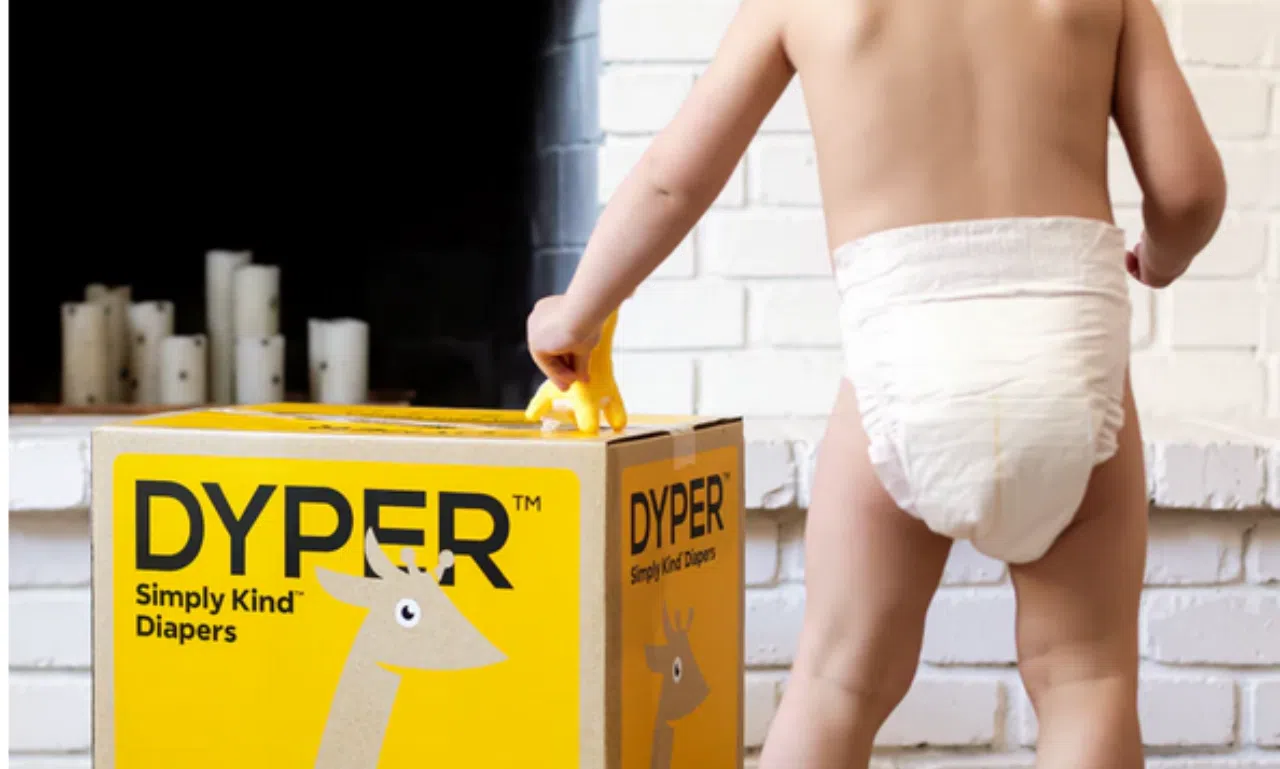
Dyper’s commitment to continuous improvement is evident in its ongoing efforts to refine its product materials and expand the reach of its REDYPER program. The company’s "plants over plastic philosophy" extends to its packaging, utilizing sustainable materials wherever possible to minimize its overall environmental footprint. This holistic approach ensures that every aspect of the product lifecycle is considered through a sustainability lens.
In an industry often characterized by convenience at any cost, Dyper offers a compelling alternative: high-performing diapers that are gentle on babies’ skin, kind to the planet, and designed to simplify parents’ lives. By offering flexible subscription models and one-time purchasing options in a wide variety of sizes, Dyper makes sustainable choices accessible. With Dyper, parents are not merely selecting a diaper; they are making a conscious choice to support a commitment to sustainability, transparency, and superior baby care, contributing to a healthier environment for future generations. The journey towards truly sustainable parenting is complex, but companies like Dyper are paving the way, proving that functionality and ecological responsibility can, and must, coexist.




 Anjar Salim
 Chandra Hamzah
 Tatiana Tantri Indah Sari
 Budi Mulyono
 Lukman Taruna Persada Ramadan
