
 Anjar Salim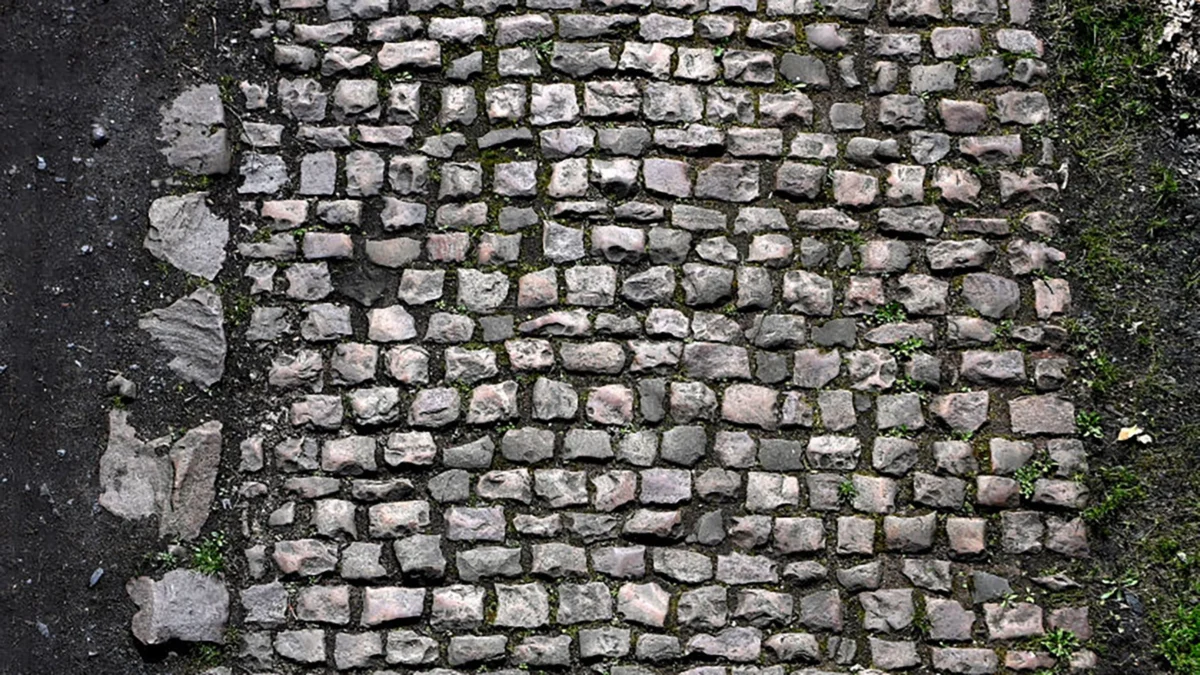
The legendary cobblestones of Northern France, which form the backbone of the most prestigious one-day race in professional cycling, are under threat from an unlikely source: the fans themselves. As the cycling world prepares for the 2026 edition of Paris-Roubaix, scheduled for Sunday, April 12, race organizers and local authorities have issued an urgent plea for spectators to cease the theft of stones from the racecourse. What may seem like a harmless memento for a cycling enthusiast is, in reality, an act of infrastructure sabotage that poses a lethal risk to the 175-rider peloton expected to traverse the "Hell of the North" this weekend.
The theft of these historical artifacts has reached a critical level, prompting Thierry Gouvenou, the race director for Paris-Roubaix, to issue a public condemnation of the practice. Speaking with the Dutch publication De Telegraaf, Gouvenou expressed outrage over the discovery of several gaps in key sectors of the pavé. The removal of even a single stone creates a deep, jagged cavity in the road surface—a hazard that can easily shatter a carbon-fiber wheel or catapult a rider over their handlebars at speeds exceeding 40 kilometers per hour.
The Historical Significance of the Pavé
To understand the gravity of the situation, one must look at the history of Paris-Roubaix. Founded in 1896, the race is one of the five "Monuments" of cycling, alongside Milan-San Remo, the Tour of Flanders, Liège-Bastogne-Liège, and the Giro di Lombardia. It is unique for its extensive use of ancient agricultural roads paved with rough-hewn granite blocks. These roads, many of which date back to the Napoleonic era, were originally built to withstand the weight of heavy farm carts and military transport.
Over the decades, as modern asphalt replaced the cobblestones of rural France, the sectors used in Paris-Roubaix became protected heritage sites. The race currently covers approximately 257 kilometers (160 miles) from Compiègne to the velodrome in Roubaix, including over 50 kilometers of cobblestones divided into approximately 30 distinct sectors. These sectors are rated on a difficulty scale of one to five stars, based on their length, the unevenness of the stones, and the overall condition of the track.
The stones are so central to the identity of the race that the winner’s trophy is itself a granite cobblestone mounted on a wooden plinth. For a professional cyclist, winning this stone is a career-defining achievement, representing the pinnacle of physical endurance and tactical grit.
Chronology of the 2026 Security Crisis
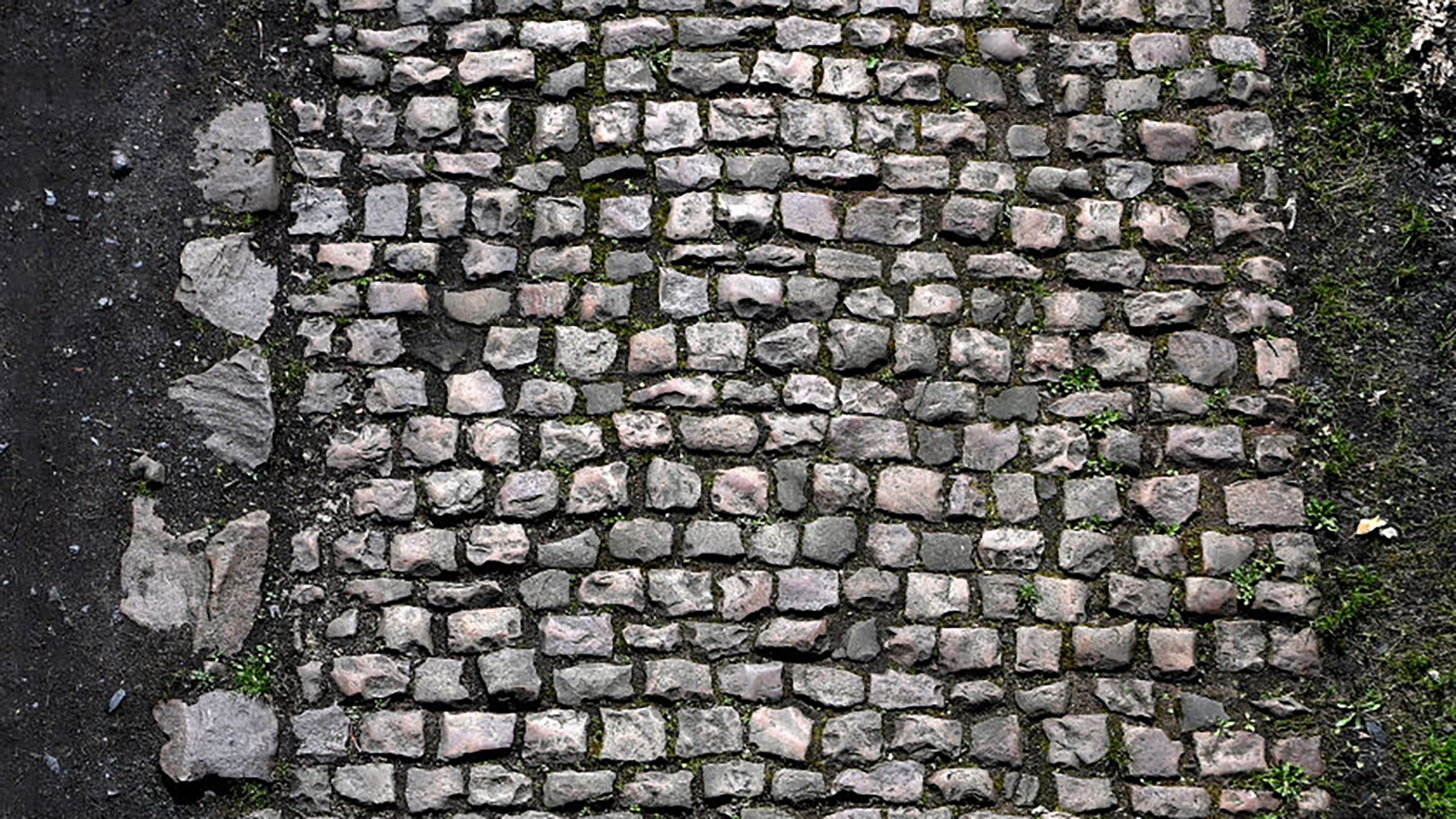
The current crisis began to unfold during the traditional "reconnaissance week," when teams and journalists travel to Northern France to inspect the course. Veteran cycling journalists, including those from major sports outlets, reported seeing visible gaps in several of the most iconic sectors, including the Trouée d’Arenberg and the Carrefour de l’Arbre.
On April 7, 2026, initial reports emerged from local residents in the Hauts-de-France region regarding suspicious activity on the rural roads during the night. By April 9, race officials conducting a final sweep of the course confirmed that dozens of stones had been pried from the earth. The timing of these thefts is particularly damaging, as it leaves little time for the specialized masonry teams to conduct repairs before the women’s race on Saturday and the men’s race on Sunday.
The "Friends of Paris-Roubaix" (Les Amis de Paris-Roubaix), a volunteer organization dedicated to maintaining and restoring the cobblestone sectors, have been deployed in an emergency capacity. This group, which typically spends months leading up to the race weeding the sectors and resetting loose stones, is now forced to play a game of "whack-a-mole" against souvenir hunters.
The Physics of Danger: Why a Missing Stone is Lethal
From a technical standpoint, a missing cobblestone creates a "square-edge" hole. When a modern racing bicycle, equipped with high-pressure tires and lightweight carbon rims, strikes such a hole, the impact is not absorbed. Instead, the force is transferred directly to the rim.
Supporting data from bicycle manufacturers indicates that while modern wheels are designed to withstand the vibration of the pavé, they are not engineered to survive the localized impact of a 10-centimeter drop into a stone-sized cavity. A wheel failure in the middle of a tightly packed peloton can cause a chain reaction, leading to mass pileups.
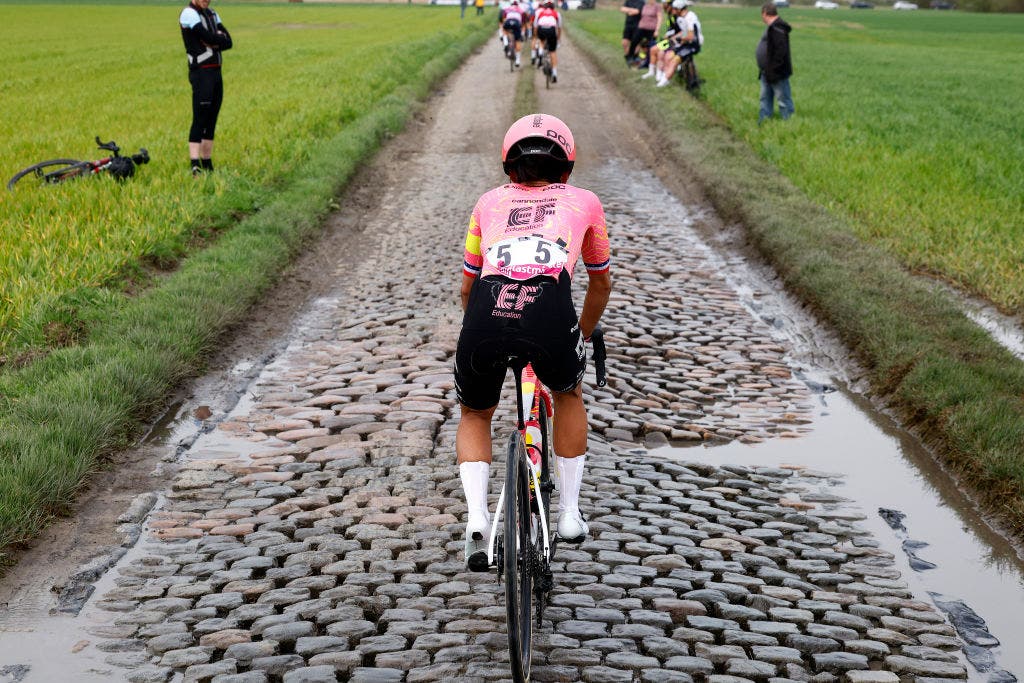
Furthermore, the "Hell of the North" is famous for its dust and mud. If a hole is filled with rainwater or covered by a thin layer of silt, it becomes invisible to the riders. At 30 miles per hour, a rider has milliseconds to react. Race Director Thierry Gouvenou highlighted this reality, stating, "It would be deeply tragic if one of these stars crashed because someone thought a cobblestone from Paris-Roubaix looked nice on their mantelpiece."
Official Responses and Preservation Efforts
The reaction from the cycling community has been one of collective frustration. Beyond the immediate safety concerns, there is a sense that the fundamental "contract" between the sport and its fans is being violated. Cycling is one of the few professional sports where spectators have free, unfettered access to the athletes and the field of play. Fans do not sit behind barriers or glass; they stand on the grass verges, inches away from the riders.
Local authorities in the Nord department have suggested that they may increase patrols in the days leading up to the race, though the sheer length of the course makes 24-hour surveillance of every sector impossible. There have also been calls within the cycling media to implement steeper fines for those caught "harvesting" stones.
The Les Amis de Paris-Roubaix organization has previously noted that the preservation of these roads is a constant struggle against the elements and modern traffic. The addition of human-led destruction adds a layer of difficulty to a task that is already underfunded and reliant on volunteer labor. The group has historically used traditional methods to maintain the roads, ensuring that the pavé remains "authentic" to the 19th-century aesthetic that gives the race its character.
The Culture of the Souvenir in Professional Cycling
The theft of cobblestones is an extreme manifestation of a long-standing tradition in cycling: the collection of race memorabilia. Fans frequently scramble for "bidons" (water bottles) thrown by riders, or "musettes" (feeding bags) discarded at the end of a feed zone. These items are considered legitimate spoils of the road.
However, the transition from collecting discarded trash to dismantling the racecourse itself marks a shift in fan behavior that worries organizers. This phenomenon is often compared to fans at a baseball game attempting to dig up home plate or spectators at a golf tournament cutting out patches of the green. In the context of Paris-Roubaix, the road is the stadium, and removing a stone is an act of vandalism against a public monument.
Broader Impact and Implications for the Sport
The implications of these thefts extend beyond the 2026 race. If the integrity of the sectors cannot be guaranteed, the race organizers may be forced to bypass certain historic sections for safety reasons. This would alter the fundamental nature of the race, potentially removing the very challenges that make it a "Monument."
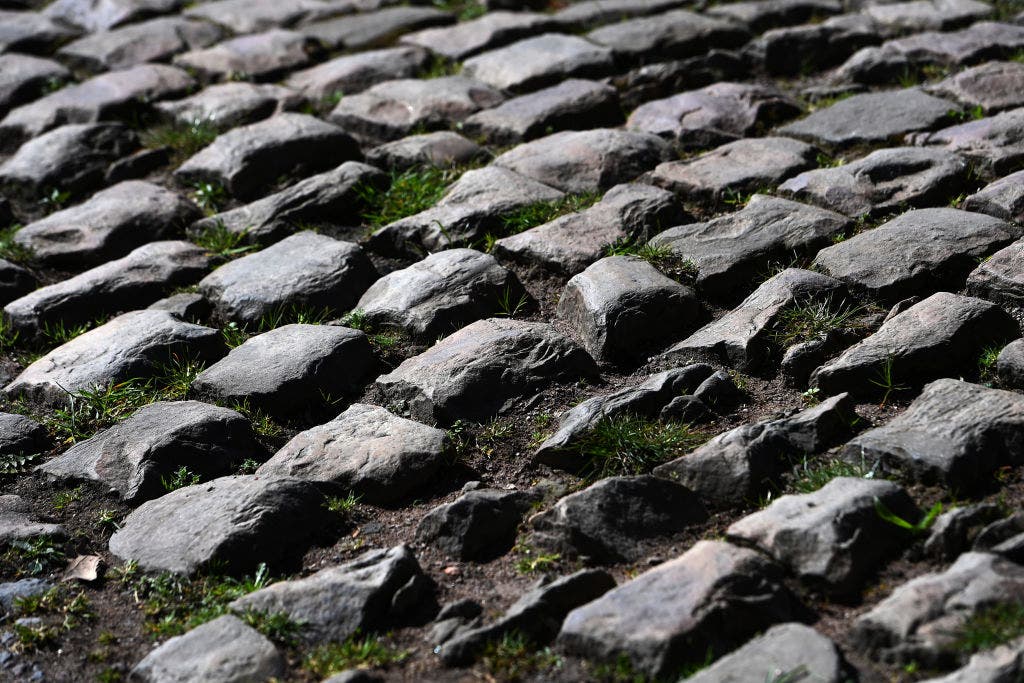
There is also an economic impact to consider. The Hauts-de-France region relies on the tourism generated by the race. The "Hell of the North" brings thousands of visitors to towns like Denain, Wallers, and Roubaix. The degradation of the heritage sites that host the race could eventually lead to a decline in the area’s cultural and economic prestige.
As the peloton prepares to depart from Compiègne this Sunday, the focus remains on the athletes and their battle against the terrain. However, the shadow of the "cobblestone thieves" looms over the event. The message from the organizers is clear: the beauty of Paris-Roubaix lies in its brutality, but that brutality must come from the road as it was intended to be, not from the gaps left behind by those who claim to love the sport.
The 2026 edition of Paris-Roubaix will test the world’s best riders against the elements and the stones. Whether the race will be remembered for the brilliance of its winner or the danger of its damaged roads remains to be seen. For now, the "Friends of Paris-Roubaix" continue their work, replacing the stolen pieces of history one by one, hoping that the fans will finally heed the call to leave the "Hell of the North" intact.




 Chandra Hamzah
 Tatiana Tantri Indah Sari
 Budi Mulyono
 Lukman Taruna Persada Ramadan