
 Tatiana Tantri Indah Sari
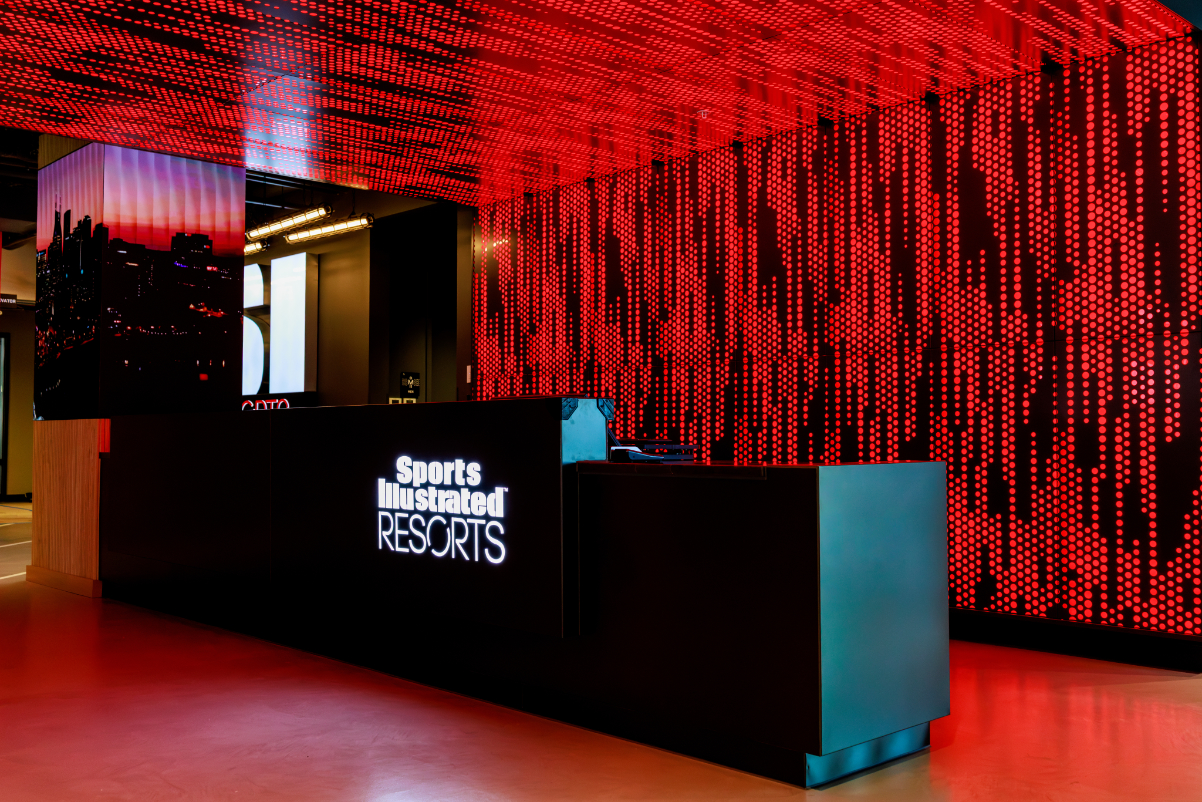
Travel + Leisure Co. and Wyndham have announced a strategic alliance to propel Sports Illustrated Resorts into the traditional hotel sector, marking a significant evolution for the sports-themed hospitality concept. The partnership, revealed on Monday, signals a departure from the brand’s initial reliance on timeshares and branded residences, a strategy that faced a relatively slow rollout since its inception. By combining Travel + Leisure Co.’s expertise in vacation ownership and asset management with Wyndham’s vast global distribution network, loyalty infrastructure, and hotel-owner relationships, the collaboration aims to accelerate development and capture a distinct segment of the active-lifestyle travel market.
Under the terms of the newly minted agreement, real estate developers will have the flexibility to construct standalone Sports Illustrated hotels or integrate the concept into larger mixed-use developments. These hybrid projects can seamlessly combine traditional hotel operations with vacation ownership properties and branded residential units. Travel + Leisure Co. will oversee the overarching brand direction, mixed-use development strategies, and property management, while Wyndham will integrate the brand into its powerhouse distribution channels, drive marketing initiatives, and leverage its extensive network of hotel owners to stimulate franchise growth.
The Strategic Evolution of Sports Illustrated Resorts
The expansion into standalone hotels addresses historical hurdles faced by Sports Illustrated Resorts, which initially entered the hospitality space with a focus on vacation ownership clubs and master-planned residential communities. While the brand successfully captured the imagination of sports enthusiasts looking for immersive, active-lifestyle vacations, the heavy capital requirements and long development timelines associated exclusively with timeshares and residential builds constrained its physical footprint.
By pivoting toward a flexible development model that includes traditional hotels, the partners have substantially lowered the barrier to entry for real estate developers. A standalone hotel allows operators to cater to transient guests, short-term sports tourists, families, and corporate groups without requiring long-term ownership commitments. Meanwhile, the option to weave vacation ownership and permanent residences into the same ecosystem provides developers with diversified revenue streams and mitigates financial risk.
This hybrid approach mirrors broader trends in the hospitality industry, where mixed-use developments have become increasingly popular as a means of maximizing land value and smoothing out seasonal fluctuations in travel demand. For Travel + Leisure Co. and Wyndham, the collaboration leverages their respective strengths in the leisure and hospitality sectors, creating a synergistic framework designed to scale efficiently across domestic and international markets.
A Timeline of Growth and Transition
The genesis of Sports Illustrated Resorts can be traced back to strategic licensing agreements aimed at translating the iconic media brand into physical travel destinations. Over the past several years, the concept has undergone various iterations, focusing primarily on experiential resorts that combine high-end athletic facilities, wellness programming, and sports-themed entertainment.
However, the pace of physical development was tempered by macroeconomic headwinds, shifting consumer travel preferences during the post-pandemic recovery, and the inherent complexities of launching a new hospitality brand anchored entirely in vacation ownership. Recognizing the need to accelerate expansion and increase market penetration, leadership at both Travel + Leisure Co. and Wyndham began exploring avenues to broaden the brand’s appeal.
The culmination of these discussions resulted in Monday’s partnership announcement, establishing a clear pathway for rapid deployment. Over the coming months, development teams will focus on identifying prime target markets, engaging with prospective real estate partners, and establishing prototype hotel designs that embody the energetic, dynamic aesthetic associated with the Sports Illustrated name.
Industry Data and Market Context
The partnership enters a competitive landscape characterized by strong consumer demand for experiential travel and wellness-integrated hospitality. According to recent data from the Global Wellness Institute, the global wellness tourism market continues to expand rapidly, outpacing general tourism growth as travelers increasingly prioritize physical health, fitness amenities, and active recreation during their trips.
Furthermore, branded residences and lifestyle hotels have emerged as some of the most resilient asset classes in real estate. Data compiled by major hospitality consulting firms indicates that properties affiliated with trusted media and lifestyle brands command a significant RevPAR (Revenue Per Available Room) premium compared to unbranded equivalents, driven by built-in consumer loyalty and powerful marketing engines.
By tapping into Wyndham’s loyalty ecosystem—which boasts tens of millions of active members—Sports Illustrated Resorts will immediately gain access to a massive pool of frequent travelers. Simultaneously, Travel + Leisure Co.’s deep-rooted expertise in vacation ownership ensures that the mixed-use components of the developments will be managed with institutional precision, optimizing occupancy rates and owner satisfaction.
Official Responses and Stakeholder Perspectives
While formal statements from executive leadership emphasized optimism and strategic alignment, industry analysts have been quick to dissect the implications of the joint venture. Representatives for both companies highlighted the complementary nature of their portfolios, noting that the alliance bridges the gap between leisure-focused vacation networks and global hospitality distribution.
In corporate communications surrounding the launch, executives underscored that the initiative is designed to offer developers unprecedented versatility. By offering a customizable product—ranging from boutique sports hotels to sprawling mixed-use resorts featuring training facilities, digital sports experiences, and wellness centers—the partnership aims to attract a diverse roster of real estate investors.
Market observers have noted that Wyndham’s involvement provides a crucial layer of credibility and global reach that the brand previously lacked on its own. For Wyndham, adding an experiential, lifestyle-oriented brand to its roster enhances its appeal to younger demographics and travelers seeking active vacations, diversifying its portfolio beyond traditional select-service and economy lodging segments.
Broader Industry Implications and Future Outlook
The collaboration between Travel + Leisure Co. and Wyndham to expand Sports Illustrated Resorts points to a larger trend of media and entertainment brands extending their intellectual property into physical real estate. As consumers increasingly seek immersive brand experiences, traditional hospitality companies are partnering with lifestyle giants to create differentiated properties that stand out in crowded markets.
The success of this venture will likely depend on the execution of the pilot properties and the ability of the development teams to maintain the high-energy, athletic identity of the Sports Illustrated brand while delivering a seamless, high-quality hospitality experience. If the partnership succeeds in accelerating development, it could serve as a blueprint for other media-driven hospitality concepts looking to transition from niche vacation ownership models into mainstream, multi-channel hotel brands.
As the hospitality sector continues to adapt to changing consumer behaviors and rising construction costs, flexible models like the one introduced by Travel + Leisure Co. and Wyndham offer a resilient path forward. By balancing traditional hotel operations with vacation ownership and residential components, the initiative provides a robust framework capable of weathering economic cycles while capturing the enduring global demand for sports, wellness, and experiential travel.




 Gabriela Annisa

 Lukman Taruna Persada Ramadan

 Anjar Salim

 Dwi Wanna
