
 Tatiana Tantri Indah Sari
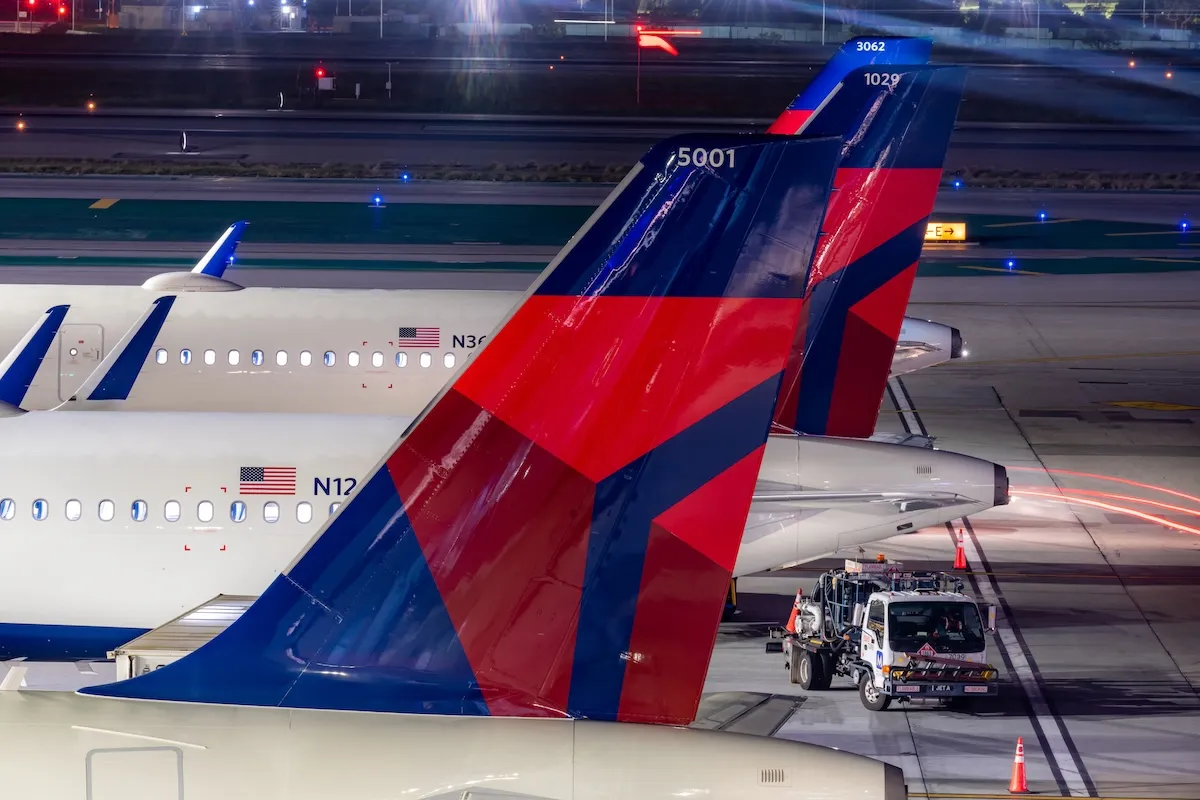
Delta Air Lines has officially confirmed its entry into the rapidly expanding world of retail media networks, joining a growing wave of non-traditional companies capitalizing on first-party customer data. The Atlanta-based carrier verified its strategic pivot on Monday following a public announcement made via LinkedIn by a recently hired executive tasked with spearheading the initiative. This development marks a significant milestone in how airlines monetize digital touchpoints, shifting the focus from purely transactional ticketing to multifaceted consumer engagement and targeted advertising.
The confirmation comes on the heels of a professional network post by Keri Paison, a former Deloitte Digital manager whom Delta brought on board to lead the fledgling enterprise. While the airline has maintained a measured approach regarding the exact timeline and feature set of the upcoming platform, corporate communications representatives have emphasized that the endeavor is an organic extension of the company’s broader strategy to enhance digital innovation, elevate the customer journey, and unlock new revenue streams.
The Rise of Non-Traditional Media Networks
For decades, digital advertising networks were the exclusive domain of traditional tech giants, search engines, and social media platforms. However, the retail media landscape has experienced a seismic shift over the last five years. Companies that possess vast amounts of first-party consumer data—ranging from grocery chains and big-box retailers to hospitality brands and financial institutions—have realized that their digital ecosystems hold immense value for third-party brands seeking precise consumer targeting.
Airlines represent a particularly lucrative niche within this ecosystem. Unlike traditional retail sites where users browse intermittently, airline apps and websites command high-intent traffic. Consumers visiting a carrier’s digital property are typically planning vacations, booking critical business trips, or managing complex travel itineraries. Furthermore, frequent flyer programs capture deep demographic, behavioral, and transactional data, allowing for hyper-personalized marketing campaigns that traditional web banners simply cannot match.
By establishing a proprietary media network, Delta is positioning itself to capture advertising dollars from hospitality brands, car rental agencies, luxury retailers, financial institutions, and entertainment providers who want direct access to high-value travelers. Industry analysts note that premium travelers—those purchasing business class seats or holding elite status—are among the most coveted demographics for global brands, making Delta’s digital footprint an extraordinarily attractive inventory for advertisers.
Chronology of the Strategic Shift
The groundwork for Delta’s media network has been laid over several years through successive upgrades to the airline’s digital infrastructure, customer loyalty frameworks, and in-flight entertainment systems.
In the wake of the COVID-19 pandemic, Delta accelerated its investments in digital transformation. The airline recognized that frictionless mobile experiences, robust self-service tools, and ubiquitous connectivity were no longer optional amenities but fundamental customer expectations. Concurrently, the proliferation of high-speed satellite Wi-Fi across Delta’s mainline fleet transformed the cabin into a connected digital environment.
The genesis of the media network project materialized internally late last year, culminating in strategic executive recruitment efforts. By securing talent from premier digital consultancies such as Deloitte Digital, Delta signaled its intention to build a sophisticated, enterprise-grade advertising platform rather than a rudimentary marketing channel.
The initiative became public knowledge when Paison updated her professional profile to reflect her new role as the head of the enterprise media network. Shortly after the post gained traction within travel technology and marketing circles, media inquiries prompted the carrier to issue a formal statement confirming the venture.
Corporate Statements and Recruitment Drives
Delta’s official stance highlights a commitment to balancing commercial innovation with customer experience. In a statement released to industry media on Monday, a company spokesperson addressed the development directly.
"Delta is building new media capabilities as part of its continued investment in customer experience, digital innovation, and growth," the spokesperson said. "We’re currently hiring for several roles and look forward to sharing more in the future as plans evolve."
The emphasis on active recruitment underscores the scale of the undertaking. Current job postings linked to the division point toward the assembly of a multidisciplinary team spanning data science, ad-tech product management, sales strategy, and software engineering. Building an internal retail media network requires complex technical architecture, including demand-side platforms (DSPs), supply-side platforms (SSPs), data clean rooms to protect user privacy, and sophisticated attribution models to prove return on investment to advertisers.
Implications for the Aviation and Advertising Sectors
Delta’s move is expected to trigger competitive ripples throughout the global aviation industry. For years, airlines have monetized ancillary streams primarily through baggage fees, seat selection charges, co-branded credit card partnerships, and commissioned hotel bookings. While credit card partnerships—such as Delta’s immensely profitable multi-billion-dollar relationship with American Express—already function as a form of financial marketing, a dedicated media network opens up entirely new avenues for programmatic advertising and sponsored content.
If Delta successfully launches and scales its network, competing domestic and international carriers will likely feel compelled to follow suit. Airlines possess a distinct competitive advantage over standard e-commerce retailers: they own the entire travel lifecycle. From the moment a passenger searches for a flight on Delta.com, to navigating the Fly Delta app at the airport, connecting to seatback entertainment screens in the air, and receiving post-trip follow-up emails, the carrier maintains a continuous, direct relationship with the consumer.
However, navigating this space requires careful execution. Consumer privacy remains a paramount concern in the modern digital economy. Regulatory frameworks such as the European Union’s General Data Protection Regulation (GDPR) and various state-level privacy laws in the United States impose stringent rules on how consumer data is collected, shared, and monetized. To succeed without alienating its passenger base, Delta will need to implement transparent opt-in mechanisms, robust data anonymization protocols, and strict governance to ensure that advertising remains relevant and non-intrusive.
Furthermore, the integration of targeted advertisements must be carefully calibrated so as not to degrade the premium customer experience that Delta has cultivated over decades. Travelers navigating flight delays, gate changes, or luggage tracking are unlikely to respond favorably to aggressive, poorly timed digital promotions. The challenge for Paison and her newly formed team will be designing an ecosystem where advertising feels additive and useful rather than distracting or intrusive.
Broader Market Context and Future Outlook
The broader retail media network market is projected to reach tens of billions of dollars globally over the next several years, capturing a substantial share of traditional digital advertising budgets. As third-party cookies phase out across major web browsers, brands are increasingly shifting their marketing expenditures toward walled gardens and closed-loop ecosystems where first-party data is king.
By stepping into this arena, Delta is transforming from a traditional transportation provider into a multifaceted digital platform company. The success of this venture will depend heavily on the sophistication of the technology stack deployed, the willingness of major brands to allocate ad spend to aviation inventory, and the ability of the airline to protect user privacy while delivering verifiable performance metrics.
As Delta continues to build out its media division and fill key leadership and engineering roles, industry observers will be watching closely for further announcements regarding platform partners, technological infrastructure, and initial pilot programs. For now, the legacy carrier has signaled a clear intent to redefine the boundaries of airline ancillary revenue, setting the stage for a new era of digital commerce in the skies.




 Gabriela Annisa

 Lukman Taruna Persada Ramadan

 Anjar Salim

 Dwi Wanna
