
 Lukman Taruna Persada Ramadan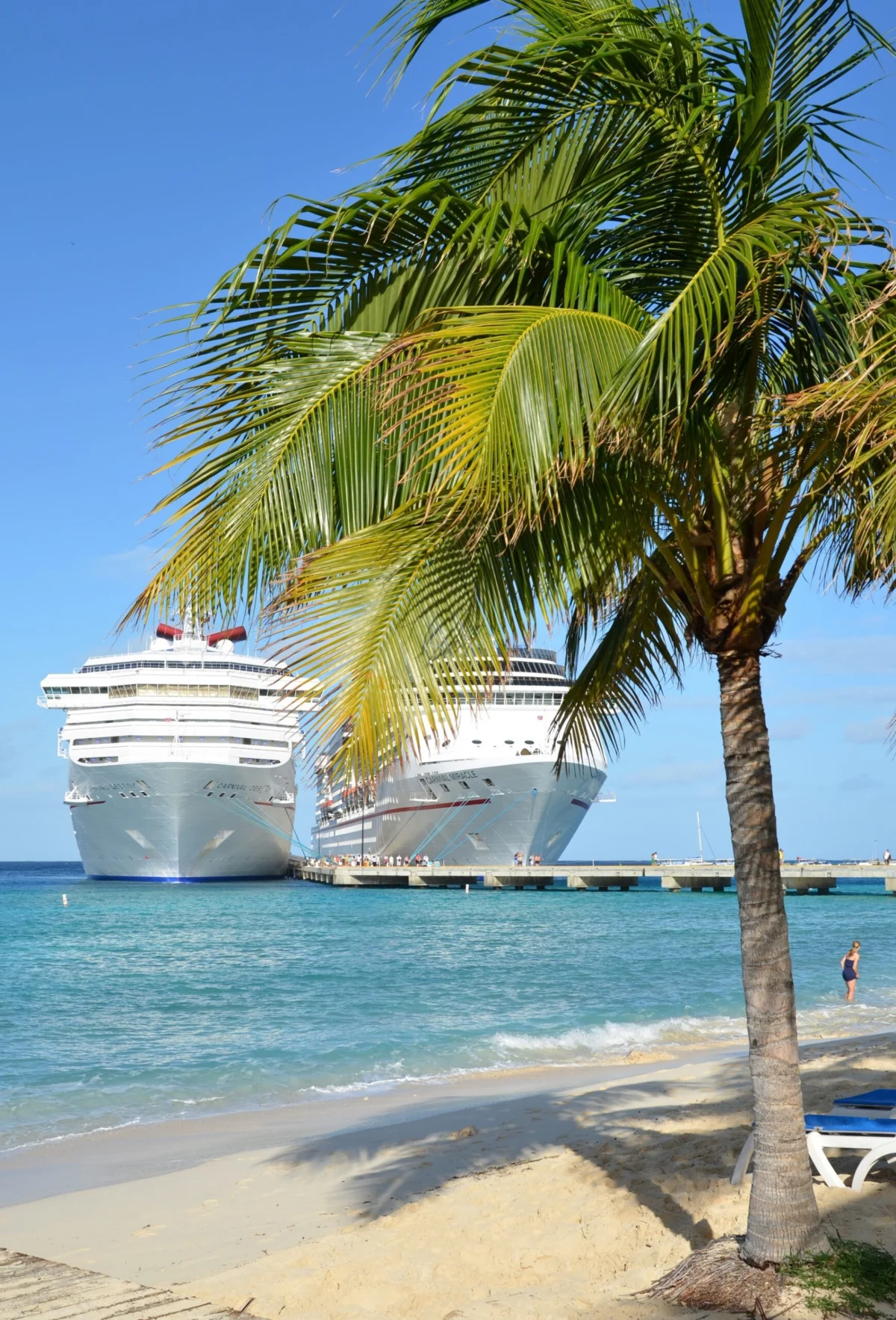
The Turks and Caicos Islands, a jewel in the Caribbean archipelago, are actively charting a course toward enhanced economic resilience, driven by a strategic imperative to diversify beyond their traditional tourism-centric model. This ambitious undertaking, codified in the 2020 National Physical Development Plan, acknowledges the profound impact of global events like the COVID-19 pandemic and the persistent threats of climate change, aiming to transform inherent geological constraints into a blueprint for durable prosperity.
The Geological Blueprint and Economic Realities
The Caribbean Islands present a fascinating geological tapestry, broadly categorized into three distinct types: volcanic islands, such as many of the Lesser Antilles from Saba to Grenada, characterized by their fertile soils and sometimes mineral-rich landscapes; continental fragments like Cuba, Jamaica, and Trinidad, which possess diverse topographies and resources; and limestone remnants of ancient coral reefs, exemplified by the Bahamas and, critically, the Turks and Caicos Islands.
This limestone foundation, while responsible for the archipelago’s famed pristine white-sand beaches and captivating turquoise waters, simultaneously presents significant economic challenges. Limestone islands typically lack the diverse mineral resources found on their volcanic or continental counterparts. Furthermore, they often contend with a scarcity of fresh water and possess thin, infertile soils, rendering large-scale agriculture largely impractical. Historically, this geological reality has channeled their economic development into leveraging their primary commodifiable asset: the quintessential image of a tropical paradise – abundant sunshine, swaying palm trees, and breathtaking coastal beauty.
The Pandemic’s Stark Revelation: A Call for Transformation
Prior to the unprecedented global health crisis of the COVID-19 pandemic, the Turks and Caicos Islands epitomized a highly specialized, tourism-dependent economy. Tourism accounted for nearly 70 percent of the nation’s Gross Domestic Product (GDP), establishing it as one of the most tourism-reliant economies worldwide. The vibrant hub of Providenciales, with its world-renowned Grace Bay Beach, served as the primary magnet for international visitors, while Grand Turk, the historic capital, welcomed a significant influx of cruise ship passengers.

However, the year 2020 brought this economic model to an abrupt halt. As international travel ground to a standstill, the Turks and Caicos experienced a precipitous decline in tourist arrivals, plummeting from approximately 2 million annual visitors to a mere 370,000. This drastic reduction triggered a severe economic contraction, with the GDP shrinking by more than a third. The shock of the pandemic, coupled with recurring impacts from Atlantic hurricanes, served as a stark reminder of the inherent fragility of an economy overly reliant on a single sector and exposed to external vulnerabilities. It underscored an urgent need for robust economic diversification and enhanced resilience.
Blueprint for Resilience: The National Physical Development Plan (2020)
In response to these critical lessons, the Turks and Caicos government, in collaboration with stakeholders, launched the 10-year National Physical Development Plan in 2020. This comprehensive strategy outlines a multi-faceted approach to foster sustainable growth and build a more diversified and resilient economy. The plan identifies several key sectors for targeted development:
- Agriculture through Hydroponics: Recognizing the limitations of traditional farming on limestone terrain, the plan champions the adoption of hydroponic technology. This innovative approach aims to significantly increase farming capacity, particularly on islands like North Caicos, thereby reducing the nation’s heavy reliance on imported food. This initiative not only enhances food security but also creates new local employment opportunities and fosters self-sufficiency.
- Technology and Digital Services: To tap into the burgeoning global digital economy, the government is committed to upgrading its IT infrastructure. This includes enhancing broadband connectivity and developing supportive regulatory frameworks to attract tech businesses and a growing community of digital nomads. The goal is to position the islands as an attractive hub for remote work and digital innovation, leveraging their appeal as a desirable lifestyle destination.
- Sustainable Blue Economy: Emphasizing the nation’s rich marine resources, the plan outlines the sustainable cultivation of a "blue economy." This encompasses responsible fisheries management, marine aquaculture, ocean energy exploration, and marine biotechnology, all while prioritizing the long-term health and conservation of the archipelago’s vital coral reefs, seagrass beds, and mangrove ecosystems. This approach seeks to generate economic value from the ocean without compromising its ecological integrity.
- Expansion of Financial Services: Building upon existing frameworks, the Turks and Caicos Islands are working to expand their international financial services sector. This involves enhancing regulatory compliance, attracting specialized financial firms, and offering a stable and competitive environment for investment and wealth management.
- Tourism Reimagined: While tourism remains a cornerstone, the plan advocates for its diversification into higher-value, niche markets. This includes developing medical tourism facilities, promoting cultural heritage experiences, and expanding the calendar of events and festivals. The aim is to attract a broader demographic of visitors, encourage longer stays, and reduce the traditional over-reliance on mass cruise arrivals and conventional beach resort stays, thereby distributing economic benefits more broadly and sustainably.
Navigating the Archipelago: Geographical Challenges and Infrastructure Solutions
The geographical reality of the Turks and Caicos Islands presents a unique set of challenges that must be addressed for successful development and diversification. The country is comprised of over 40 islands and cays, stretching across a considerable expanse of ocean, with only eight of them permanently inhabited. These islands are broadly clustered into two geographical groups: the Turks Islands to the east, home to the capital, Cockburn Town on Grand Turk, and the more extensive Caicos Islands to the west, where the majority of the population and tourism development, particularly on Providenciales, is concentrated.
This dispersed geography necessitates reliance on inter-island transportation via light aircraft, ferries, and private boats, which can be costly and logistically complex. To foster more unified development and improve connectivity within the Caicos group, the "Spine Road Project" is currently under feasibility study. This ambitious infrastructure initiative proposes to link several of the Caicos islands through a network of causeways and bridges. If realized, it could significantly enhance accessibility, facilitate the movement of goods and services, and open new areas for sustainable development. However, the project faces considerable hurdles, including potential environmental concerns related to its impact on sensitive marine ecosystems and the ever-present seasonal threat of Atlantic hurricanes, which necessitate robust and resilient engineering.
Guardians of Paradise: The Role of Environmental Stewardship

Central to the long-term success of the Turks and Caicos Islands’ development strategy is a profound commitment to environmental stewardship, particularly concerning its globally significant marine ecosystems. The Turks and Caicos Reef Fund (TCRF), founded in 2010, stands as a critical pillar in this effort. Alizée Zimmermann, the Executive Director of the TCRF, highlights the organization’s evolving mission: "The Turks and Caicos Reef Fund was founded to protect, preserve and rebuild the coral reefs of the Turks and Caicos Islands through education, research, advocacy and inclusive initiatives."
Initially focused on practical measures like installing mooring buoys at popular dive and snorkeling sites to prevent anchor damage, the TCRF’s scope has expanded significantly. In 2022, it launched a pioneering genetic biobank to preserve the genetic diversity of the most endangered coral species, laying the groundwork for future restoration efforts. Looking ahead, January 2027 will see the opening of the region’s dedicated marine research and education facility, further expanding the biobank and initiating ecological restoration projects.
Zimmermann underscores the inextricable link between the nation’s economy and its natural environment: "Tourism and reef health go hand in hand. Turquoise waters, vibrant coral reefs and thriving marine life are the very foundation of our tourism economy, not to mention the source of our food, our coastal protection and our culture." The TCRF actively engages the tourism sector through its "Reef Keepers" program, encouraging participating hotels to adopt environmentally sound practices, such as promoting mineral-based sunscreens. Guests are also offered the opportunity to contribute directly through a small nightly donation, typically $2-$5, demonstrating a tangible connection between visitors and conservation.
The archipelago’s scattered nature, while posing logistical challenges for organizations like the TCRF in moving staff and equipment, also offers distinct advantages. "The advantage is biodiversity," Zimmermann explains, noting the presence of "one of the largest barrier reef systems in the region, extensive seagrass beds, mangrove wetlands and largely undeveloped offshore banks." This rich natural heritage represents both an economic asset and a critical responsibility.
Experiencing the Turks and Caicos: Beyond the Beach
While the strategic focus is on diversification, the unparalleled natural beauty of the Turks and Caicos Islands remains its primary allure. Visitors typically begin their journey on Providenciales, affectionately known as Provo, home to the archipelago’s undisputed crown jewel: Grace Bay Beach. Consistently ranked among the world’s finest, this 12-mile stretch of powder-fine white sand is gently caressed by crystal-clear, calm waters, protected by an offshore barrier reef, making it perfect for paddleboarding, kayaking, and swimming.
However, the true magic often lies just offshore. The Turks and Caicos sits atop one of the world’s largest coral reef systems, offering spectacular opportunities for snorkeling and diving. Within Princess Alexandra National Park off Providenciales, divers can explore dramatic wall dives, vibrant coral gardens, and encounter an array of marine life including sea turtles, reef sharks, and spotted eagle rays. During the winter months, the Columbus Passage, near Salt Cay and Grand Turk, becomes a migratory route for humpback whales, offering a bucket-list experience for divers and whale-watchers alike.

For those seeking a change of pace, the quieter sister islands offer a rich tapestry of history and natural exploration. Grand Turk, the historic capital, provides a captivating glimpse into the territory’s past as a center for salt-raking. Its charming Bermudian-style architecture and the Turks and Caicos National Museum offer cultural immersion. A short boat ride away, Gibbs Cay is renowned for its friendly stingrays and a tranquil, castaway ambiance. Middle Caicos invites nature enthusiasts to traverse the Crossing Place Trail, an ancient footpath winding along limestone cliffs and secluded beaches. The island is also home to the impressive Conch Bar Caves, one of the largest dry cave systems in the Caribbean, revealing a hidden subterranean world.
Water-based activities remain a defining element of the Turks and Caicos experience. Chartering a boat allows visitors to explore remote cays, such as Little Water Cay (Iguana Island), home to the endangered Turks and Caicos rock iguanas. A visit to Half Moon Bay’s pristine sandbar offers a quintessential Robinson Crusoe moment, while the shallow flats surrounding the islands have earned them a reputation as a prized destination for fly-fishing enthusiasts. Grand Turk also hosts a significant cruise ship complex, boasting the world’s largest Jimmy Buffett’s Margaritaville, a sprawling 16,000-square-foot swimming pool, a surf simulator, boutique shops, and a distinctive pink Starbucks. The site also features a memorial to astronaut John Glenn, commemorating his splashdown off Grand Turk after his historic 1962 space mission.
Visitor Information & Practicalities
Lodging
- AMANYARA: Nestled within an 18,000-acre nature reserve on Providenciales, this exclusive Aman property offers 36 pavilions and 20 villas, embodying luxury and seclusion. (Northwest Point, Providenciales; $$$$)
- SALTERRA, A LUXURY COLLECTION RESORT & SPA: Debuting in March 2025, this new 100-room resort on South Caicos offers a laid-back escape away from the main tourist hubs. (1 Fourth St., South Caicos; $$$$)
- TURKS HEAD INNE: A charming boutique hotel housed in a historic wooden building (circa 1830) in Cockburn Town, Grand Turk, located across a quiet road from the beach. (Duke Street, Grand Turk; $$)
Dining
- COCO BISTRO: A unique and romantic candle-lit bistro set within a lush palm grove on Providenciales. Chef Stuart Gray crafts a Caribbean menu featuring fresh local ingredients. (Grace Bay Road, Providenciales; $$$)
- GREAT HOUSE RESTAURANT: The flagship restaurant at Sailrock Resort on South Caicos, offering sea views from its wrap-around terrace and a fresh take on Caribbean cuisine with an emphasis on seasonal ingredients. (Front Street, Cockburn Harbour, South Caicos; $$$)
- JACK’S SHACK BEACH BAR & GRILL: A legendary beachside tiki hut on Grand Turk, famous for its burgers, hot dogs, and jerk chicken, a popular spot for cruise passengers and a local institution. (Cockburn Town, Grand Turk; $$)
Coming and Going
U.S. citizens arriving by air must possess a valid passport and proof of an onward or return ticket. A visa is not required for stays of less than 90 days. Cruise passengers originating and ending their journey in the United States typically do not require a passport to disembark in Turks and Caicos but should carry at least one form of government-issued photo identification (e.g., driver’s license) and any identification issued by their cruise line.
Just the Facts

- Time Zone: GMT -5
- Phone Code: Country code: 1; Area code: 649
- Currency: U.S. dollar
- Key Industries: Tourism, luxury real estate, international financial services, fisheries
- Official Language: English
Info to Go
The majority of international arrivals fly into Providenciales International Airport (PLS), which serves most of the island’s resorts. South Caicos Airport (XSC) also receives scheduled flights. Additionally, JAGS McCartney International Airport (GDT) on Grand Turk and Ambergris Cay Airport (PLP) are designated ports of entry for private or charter flights. The sole cruise ship terminal, located on Grand Turk, handles over a million visiting passengers annually, serving as a vital gateway for a segment of the tourism market.
The Path Forward: Resilience as the Defining Principle
The journey of the Turks and Caicos Islands is a compelling narrative of adaptation and strategic foresight. The inherent realities of its limestone geology and scattered geography cannot be altered, and the structural constraints of limited fresh water, thin soils, and exposure to Atlantic storms remain constant challenges. However, the nation’s proactive policy development, targeted infrastructure investments, and the ingenuity of its people are actively forging solutions.
The COVID-19 pandemic served as a profound reminder that even a paradise, when its economic value is too narrowly monetized, is fundamentally fragile. Consequently, diversification—into hydroponic agriculture, advanced digital services, sustainable marine industries, and higher-value tourism niches—is no longer merely an aspiration but an existential necessity.
Ultimately, the future success of the Turks and Caicos Islands will be defined by its resilience across multiple dimensions: economic resilience through strategic diversification, environmental resilience in the face of escalating climate risks and natural disasters, and social resilience fostered within its geographically dispersed communities. By aligning strategic ambitions with environmental realities and human ingenuity, the Turks and Caicos Islands aim to transform inherent constraints into a disciplined approach, building an economy that is not only strikingly beautiful but also enduringly durable for generations to come.

 Anjar Salim
 Dwi Wanna
 Budi Mulyono
 Chandra Hamzah
 Gabriela Annisa