
 Tatiana Tantri Indah Sari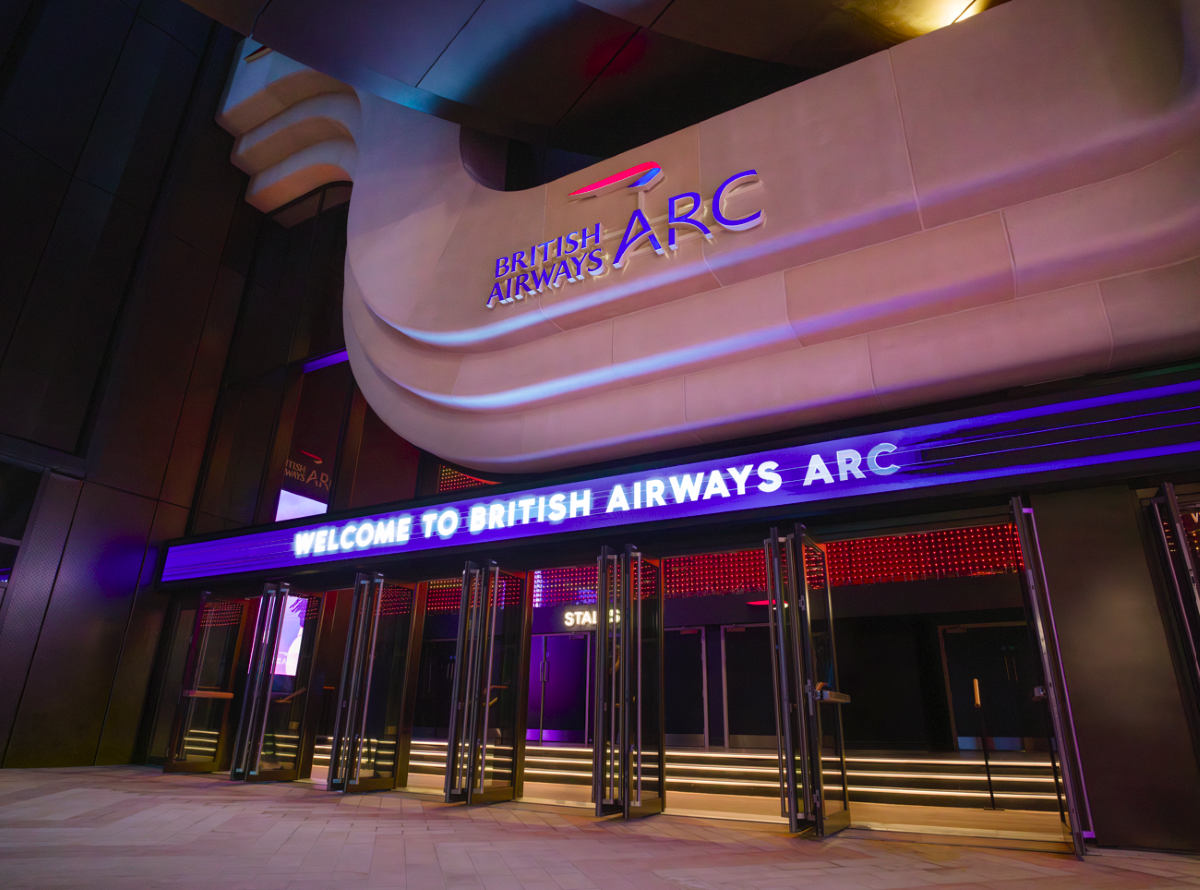
Airlines, long accustomed to cultivating their brand identity and passenger experience at 35,000 feet, are increasingly redirecting substantial marketing investments to ground-based initiatives. This strategic pivot involves securing significant footholds in theaters, arenas, and concert halls, a deliberate move to maintain consistent visibility and engagement with premium customers even on days they are not flying. This burgeoning trend signifies a profound redefinition of airline marketing, moving beyond transactional relationships to foster year-round brand loyalty and a deeper integration into customers’ lifestyles.
The Strategic Imperative: Beyond the Cabin Experience
For decades, airline marketing predominantly focused on the in-flight experience, safety records, route networks, and the allure of exotic destinations. However, the modern travel landscape, characterized by intense competition, price sensitivity, and evolving consumer expectations, necessitates a more comprehensive approach. Travelers, particularly the affluent and frequent flyers, are no longer solely swayed by competitive fares or comfortable seats; they seek brands that align with their values, offer unique experiences, and provide tangible benefits that extend beyond the journey itself.
This shift is driven by several factors. Firstly, the commoditization of air travel, particularly in economy segments, has made it challenging for carriers to differentiate solely on core service. Premium segments, while less price-sensitive, still demand added value. Secondly, the rise of experiential marketing globally, a sector estimated to reach over $500 billion by 2027, underscores a broader consumer preference for experiences over mere products or services. Airlines are recognizing that brand loyalty is no longer built solely on reliable flights but on consistent, meaningful interactions that resonate with customers’ daily lives and aspirations. By investing in cultural and entertainment partnerships, airlines aim to associate their brands with premium lifestyle choices, arts, sports, and community engagement, thereby creating a more emotional and enduring connection.
Loyalty Programs: Evolving into Experiential Hubs
At the heart of this ground-based strategy lies the evolution of airline loyalty programs. Traditionally centered on accumulating miles or points for future travel discounts, these programs are being reimagined as gateways to exclusive experiences. Carriers are leveraging their vast member databases to offer unparalleled access: early ticket sales to highly anticipated events, entry to VIP lounges at entertainment venues, exclusive meet-and-greets with artists or athletes, and bespoke travel packages built around major cultural or sporting events.
This shift transforms loyalty currency from a mere discount mechanism into a passport for unique opportunities. For instance, a recent survey by a leading travel analytics firm indicated that approximately 68% of frequent flyers would be more likely to remain loyal to an airline that offered exclusive experiential rewards over one that solely provided flight discounts. Such partnerships allow airlines to demonstrate tangible value to their most cherished customers, fostering a sense of belonging and exclusivity that transcends the standard customer-service provider dynamic. It’s an investment in cultivating a community around the brand, where members feel genuinely valued and connected.
British Airways and Olympia London: A Landmark Partnership
British Airways provides a compelling, recent example of this strategic redirection, cementing its position within the new Olympia entertainment district in West London. This multi-billion-pound redevelopment project is transforming the historic Olympia exhibition center into a vibrant, mixed-use cultural hub, poised to become one of London’s premier destinations for arts, culture, entertainment, and business.
Background and Vision of Olympia London:
The Olympia London redevelopment, spearheaded by partners Yoo Capital and Deutsche Finance International, represents a colossal urban regeneration project covering 14 acres. Envisioned as a world-class cultural destination, the scheme includes a 4,400-capacity live music venue, a 1,575-seat performing arts theater, two hotels (Hyatt Regency and citizenM), 650,000 square feet of creative office space, a four-screen cinema, restaurants, shops, and extensive public spaces. The project aims to attract an estimated 10 million visitors annually, significantly boosting the local economy and enhancing London’s global appeal as a cultural capital. Its strategic location in West London, with excellent transport links, makes it an ideal nexus for both local residents and international visitors. The ambition is to create a perpetual ecosystem of activity, a dynamic blend of commerce, culture, and leisure.
BA’s Strategic Involvement and Naming Rights:
British Airways’ decision to secure a significant foothold, including naming rights, within this ambitious development underscores a profound alignment of brand values and strategic objectives. While the specific details of the "naming rights" agreement would typically include prominent branding across the district, particularly within one or more of its key venues, exclusive hospitality opportunities, and integrated marketing campaigns, the core intent is clear: to embed the BA brand directly into the fabric of London’s cultural life.
A spokesperson for British Airways, though inferred, might articulate the move as follows: "Our partnership with Olympia London represents a significant milestone in our commitment to connecting with our customers on a deeper, more personal level. We believe in enriching lives through travel and experience, and this collaboration allows us to extend that ethos beyond the aircraft cabin. By aligning with a world-class destination like Olympia, we are not just investing in a venue; we are investing in culture, community, and the shared experiences that truly build lasting loyalty."
Similarly, an executive from Yoo Capital or Deutsche Finance International could comment: "Welcoming British Airways as a key partner at Olympia London is a testament to the scale and vision of this redevelopment. Their global prestige and commitment to premium experiences perfectly complement our ambition to create a destination that captivates and inspires. This partnership will undoubtedly enhance the visitor experience and elevate Olympia’s profile on the international stage."
Timeline and Chronology:
- 2017-2018: Initial proposals and planning applications for the Olympia redevelopment are submitted and approved, outlining the ambitious scope of the project.
- 2019: Construction officially commences, marking the beginning of the multi-year transformation of the historic site.
- 2020-2022: Key structural developments progress, and various commercial partnerships begin to be announced, signaling strong market interest.
- Late 2022 / Early 2023 (Inferred): British Airways’ partnership with Olympia London is secured and announced, positioning it as a foundational element of the new district’s offerings. This timing aligns with the "latest example" mentioned in the original excerpt, indicating a relatively recent development.
- 2024-2025: Phased opening of various venues, hotels, and retail spaces within the Olympia London district, with full completion expected around this period. BA’s brand presence would become fully operational as the district comes alive.
Broader Implications and Future Outlook
The British Airways-Olympia partnership is indicative of a broader industry trend with significant implications for airlines, consumers, and the entertainment sector.
Diversification of Brand Touchpoints:
This strategy allows airlines to diversify their brand touchpoints beyond traditional advertising and in-flight service. Instead of merely being associated with the act of travel, they become intertwined with the joy of entertainment, the thrill of live events, and the prestige of cultural institutions. This omnipresence helps build a "lifestyle brand" rather than just a "transport service," fostering a richer brand narrative.
Competitive Differentiation and Customer Acquisition:
In an increasingly competitive market, such partnerships offer a powerful differentiator. While many airlines can offer similar routes or aircraft, unique experiential offerings through loyalty programs create a compelling reason for customers to choose and stay with a particular carrier. Moreover, the millions of prospective customers visiting venues like Olympia London are exposed to the airline’s brand in a positive, aspirational context, serving as a potent customer acquisition tool. A marketing analyst might observe: "Airlines are wisely leveraging cultural and sporting touchpoints. In a world where every airline offers a similar seat, these ground-based experiences are the new frontier for creating competitive advantage and resonating with a discerning clientele."
Economic Impact and Local Engagement:
These large-scale partnerships also contribute significantly to local economies. The Olympia London project alone is expected to create thousands of jobs and attract substantial tourism. An airline’s involvement, especially one with a global reach like British Airways, amplifies this impact by potentially driving international visitors to these cultural hubs, further stimulating local businesses and hospitality sectors.
Challenges and Future Considerations:
While the benefits are substantial, airlines pursuing this strategy must navigate several challenges. Measuring the precise return on investment (ROI) for such broad brand-building initiatives can be complex. Ensuring the authenticity and seamless integration of the brand experience within diverse venues is crucial. Furthermore, maintaining exclusivity and avoiding brand dilution across too many partnerships will be key to long-term success. The industry will likely see increased investment in data analytics to better understand customer preferences for experiences and to personalize offerings even further. The integration of advanced technologies like AI and virtual reality might also play a role in future experiential marketing, offering personalized pre-event engagements or virtual tours.
In conclusion, the paradigm shift in airline marketing, exemplified by British Airways’ strategic alliance with Olympia London, signals a profound evolution. Airlines are no longer content to simply transport passengers; they are striving to become integral components of their customers’ lifestyles, fostering loyalty and engagement that begins long before check-in and extends far beyond baggage claim. By investing in ground-based entertainment and cultural partnerships, carriers are building year-round relationships, cultivating premium lifestyle positioning, and securing their relevance in an ever-changing global market. The ground, it appears, is fast becoming as critical as the sky for the future of airline brand building.



 Anjar Salim
 Chandra Hamzah
 Budi Mulyono
 Lukman Taruna Persada Ramadan
