
 Budi Mulyono
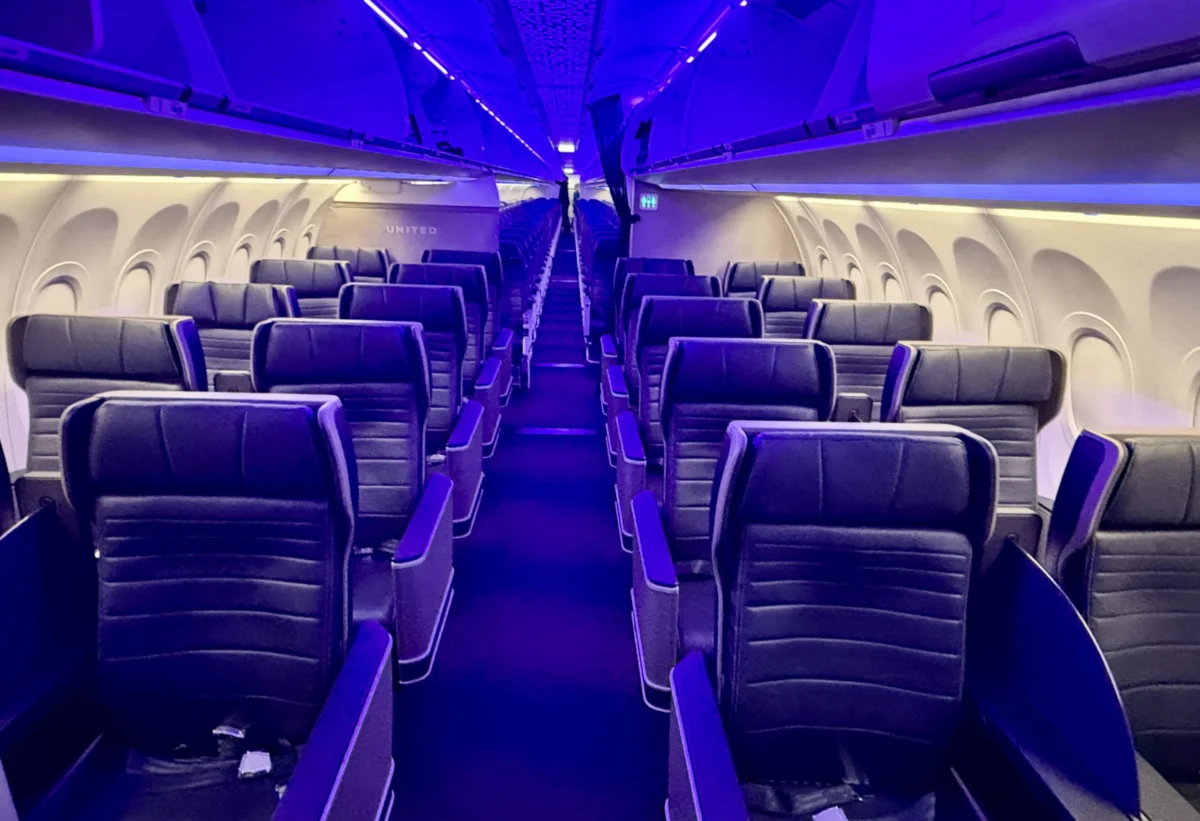
United Airlines is officially extending its unbundled fare model to the front of the aircraft, introducing a lower-priced "Base" ticket category for United First and eligible United Business routes. This strategic update follows the carrier’s earlier deployment of restrictive, entry-level premium fares on its long-haul United Polaris business-class and United Premium Plus cabins.
Under the newly expanded structure, passengers booking domestic First Class and shorter international business-class services—such as flights operating to Canada and Latin America—will soon encounter a three-tiered purchasing framework. While the physical seat, meal service, and amenities in the air will remain identical regardless of the fare selected, the rules governing ticket changes, refunds, seat selection, and baggage allowances will vary significantly based on the chosen tier.
The implementation of these tiered options highlights a broader industry shift toward granular fare differentiation in premium cabins, altering how travelers evaluate value when booking business and first-class travel.

Understanding the New Three-Tier Premium Framework
The upcoming rollout introduces three distinct fare categories for eligible front-cabin tickets: Base, Standard, and Flexible. This model mirrors the economy-class unbundling that major U.S. carriers adopted years ago, but applies it to cabins traditionally characterized by all-inclusive perks.
- Base Fares: Positioned as the lowest-cost entry point into the premium cabin, Base tickets offer the physical United First or United Business seat and onboard service at a reduced price point. However, these tickets carry stringent conditions. They typically exclude complimentary advance seat selection, higher checked baggage allowances, and the flexibility to modify or cancel travel plans without substantial penalties.
- Standard Fares: Serving as the middle tier, Standard tickets restore traditional premium expectations. Passengers purchasing this level retain the lower-tier price advantage over fully flexible tickets while gaining standard perks such as complimentary advance seat selection, increased baggage allowances, and ticket change capabilities.
- Flexible Fares: Representing the highest tier in the new structure, Flexible tickets encompass all advantages of the Standard tier while adding the ability to secure a full, cash-value refund upon cancellation.
This unbundling means that two passengers sitting side-by-side in identical First Class recliners or regional business-class seats may experience vastly different ground privileges and fare conditions depending on which ticket class they purchased.
Chronology and Evolution of United’s Unbundled Premium Strategy
United’s expansion of tiered pricing into domestic and regional front cabins is the latest step in a multi-year effort to maximize ancillary revenue and capture price-sensitive premium demand.
- Early 2026 Rollout: United initially tested the waters of unbundled premium travel by introducing Base pricing for its long-haul international United Polaris business class and United Premium Plus cabins. This initial deployment introduced loyalty and amenity trade-offs, sparking considerable debate among frequent flyers accustomed to all-inclusive long-haul business class tickets.
- Mid-2026 Strategy Evaluation: Following the integration of basic business-class fares on select intercontinental routes, industry analysts noted that the airline successfully attracted corporate and leisure travelers willing to trade flexibility and baggage perks for a lower upfront cost.
- Upcoming Implementation (Late 2026): United announced the expansion of the Base fare structure to domestic First Class and short-haul international routes covering Canada and Latin America. The transition is scheduled to roll out across booking channels in the coming weeks, requiring travelers to carefully review fare rules before finalizing purchases.
Strategic Implications for Consumers and the Aviation Industry
The introduction of Base fares for domestic First and regional Business class transforms how consumers must shop for premium travel. Historically, purchasing a first-class ticket guaranteed a standardized bundle of benefits, including priority boarding, lounge access (where applicable), generous baggage allowances, and flexible change policies.

With the new system, travelers can no longer assume that a first-class ticket includes complimentary flexibility or baggage. Frequent flyers and corporate travel managers must carefully parse the fine print of fare rules before clicking purchase, as the cheapest upfront option may carry hidden costs if plans change or extra luggage is required.
Furthermore, the strategy creates challenges for loyalty program participants. Unbundled premium fares frequently alter Premier qualifying credit accruals, award mileage earnings, and upgrade eligibility. While United has not universally dismantled loyalty benefits across all base fares, the introduction of restrictive tiers often impacts how elite status points are calculated.
Market Context and Competitive Landscape
United Airlines is not alone in exploring unbundled premium cabins. Major global carriers have increasingly sought ways to segment their business and first-class cabins to capture diverse customer segments, ranging from corporate travelers with flexible budgets to leisure tourists splurging for a special occasion.
By offering a lower entry price point, airlines can stimulate demand during off-peak periods and compete more aggressively against budget carriers or premium economy offerings. However, consumer advocacy groups and frequent-flyer communities frequently criticize these moves as a form of "drip pricing" or stealth devaluations, where the cost of traditional travel benefits is systematically stripped away and repackaged as paid add-ons.

As United prepares to launch Base fares for domestic First and regional Business cabins, industry observers will closely monitor ticket pricing trends, corporate booking compliance, and passenger reception. For travelers navigating the new booking landscape, the message is clear: reading the fare conditions thoroughly is now an essential step of the reservation process.



 Gabriela Annisa

 Lukman Taruna Persada Ramadan

 Tatiana Tantri Indah Sari

 Anjar Salim


 Dwi Wanna
