
 Tatiana Tantri Indah Sari
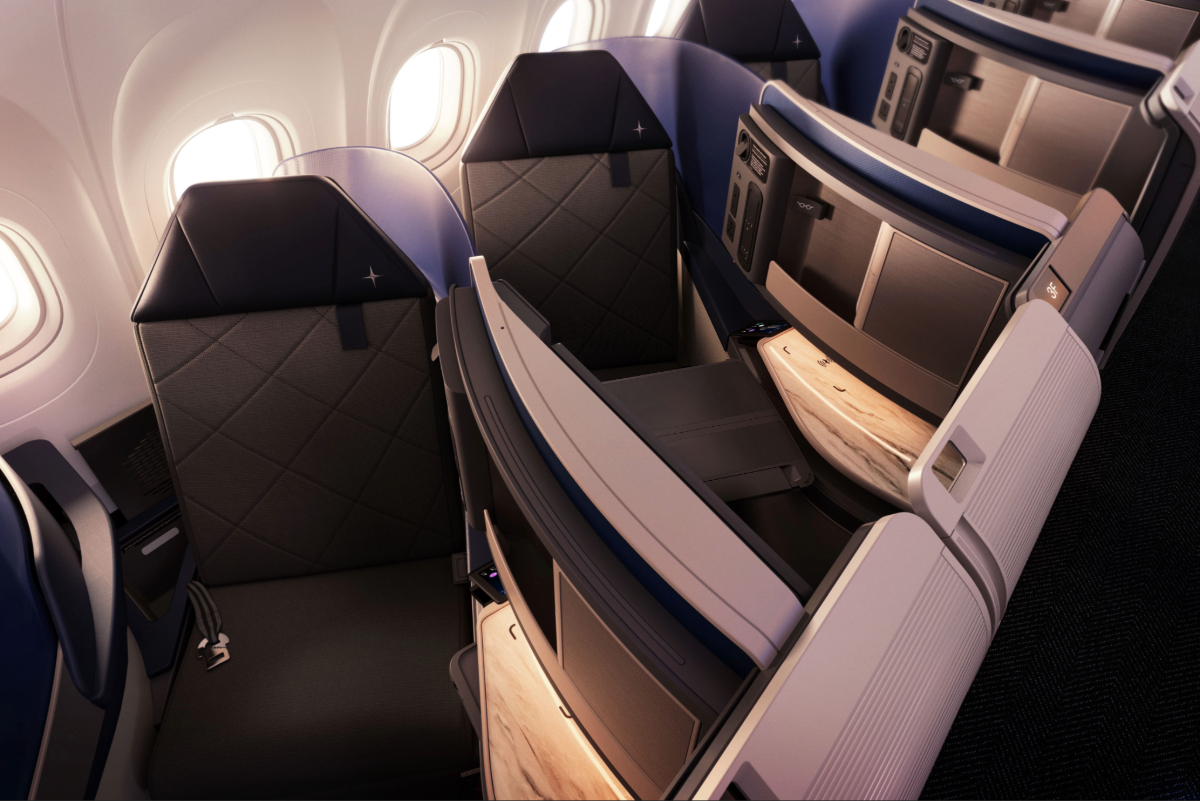
United Airlines is preparing to implement a tiered fare structure for its premium business class cabins on domestic and select short-haul routes, marking a significant strategic shift in how legacy U.S. carriers merchandise their front-cabin seats. According to an internal corporate announcement reviewed by aviation publication Skift, the airline intends to divide its United First and United Business offerings into three distinct pricing and amenity categories: Base, Standard, and an implied premium tier. This move reflects a broader commercial trend across the global aviation industry toward unbundling services, a practice traditionally reserved for economy and basic economy tickets but increasingly applied to premium travel experiences.
The planned restructuring points to a maturing ancillary revenue model within the airline sector. For decades, premium cabin tickets—whether marketed as domestic first class or regional business class—included a standard bundle of perks: priority boarding, complimentary checked luggage, dedicated seat selection, and included meal service. By introducing tiered pricing, United Airlines aims to capture revenue from cost-conscious business travelers and affluent leisure flyers who may desire the physical comfort of a wider first-class seat or lie-flat product without requiring the full suite of traditional ancillary perks. Conversely, it allows the airline to charge a premium for maximum flexibility and added benefits, creating a more granular pricing ladder similar to the branded fares already ubiquitous in economy cabins.
Background and Evolution of Airline Merchandising
The concept of branded fares is not new to commercial aviation, though its application to premium cabins represents a frontier in airline revenue management. Over the past fifteen years, major network carriers like United, Delta Air Lines, and American Airlines successfully introduced "Basic Economy" to compete with ultra-low-cost carriers (ULCCs) such as Spirit Airlines and Frontier Airlines. These bare-bones tickets stripped away seat selection, change flexibility, and baggage allowances, offering a lower headline price to price-sensitive consumers.
As passenger demographics evolved following the COVID-19 pandemic, airlines noticed a permanent shift in travel demand. Premium leisure travel surged, with consumers increasingly willing to pay out-of-pocket for first-class seats, even as traditional corporate travel recovery lagged in certain sectors. However, not all premium buyers value the same perks equally. A leisure traveler flying a short domestic route may only care about the larger seat, whereas a corporate road-warrior requires flexible change policies, guaranteed overhead bin space, and additional baggage allowances.
By unbundling the premium cabin experience, United Airlines is responding to these fragmented consumer preferences. Industry analysts note that tiered premium pricing enables airlines to maximize yield management—the practice of selling the right seat to the right customer at the maximum possible price—by extracting higher willingness-to-pay from travelers who value flexibility while still filling up premium cabins with price-sensitive buyers who might otherwise have remained in economy.
Details of the Proposed Fare Structure
While official public rollout details are still forthcoming from the carrier, the internal documentation provided initial insight into the mechanics of the new tiers for United First and United Business:

- Base Tier: Designed as the lowest price point for the cabin, this option secures the physical first-class or business-class seat but eliminates select ancillary perks, appealing directly to travelers prioritizing physical comfort at a more competitive price point.
- Standard Tier: Serving as the middle offering, this tier restores essential conveniences such as complimentary advance seat selection and additional checked baggage allowances, aligning closely with the traditional domestic first-class experience travelers have historically received.
- Premium/Top Tier (Implied): While specific details on the highest tier continue to be finalized, standard industry practices suggest this level will encompass maximum flexibility, priority airport services, and comprehensive bundled amenities.
This multi-tiered approach allows United to compete more aggressively against low-cost competitors on price while protecting the perceived value of its top-tier products for high-yielding corporate accounts.
Chronology of Premium Cabin Unbundling
The transition toward tiered premium seating has evolved steadily over recent years, driven by advancements in airline reservation systems and a corporate focus on ancillary revenue growth:
- 2010s: Major network airlines introduce branded fares in economy cabins, dividing coach tickets into Basic Economy, Main Cabin/Standard Economy, and Economy Plus (extra legroom).
- Post-2020 Recovery: Following the pandemic, domestic premium leisure travel experiences an unprecedented boom, outperforming corporate travel demand and prompting airlines to reevaluate how premium inventory is distributed.
- 2024–2025: Airlines experiment with dynamic pricing models and localized fare adjustments for premium cabins, testing consumer tolerance for unbundled luxury features on regional and transcontinental routes.
- September 2026: Internal announcements at United Airlines reveal concrete plans to roll out a formal three-tier structure specifically for United First and United Business on domestic and select short-haul flights, signaling a formal industry milestone.
Industry Implications and Competitive Landscape
United Airlines’ move is expected to draw close scrutiny from competing legacy carriers, notably Delta Air Lines and American Airlines. Both competitors have continuously refined their premium product offerings—Delta with its Delta One lounges and tiered domestic first-class services, and American with its Flagship business products and revamped regional fleets. If United’s tiered premium pricing proves successful in driving incremental revenue without alienating frequent flyers, competitors are widely expected to adopt similar strategies.
However, the strategy carries operational and customer-experience risks. Frequent flyers, particularly those holding elite status within United’s MileagePlus loyalty program, often voice concerns regarding the dilution of premium cabin benefits. Managing customer expectations will be critical for United. Ensuring that elite status perks, complimentary upgrades, and milestone rewards continue to map clearly onto the new fare tiers will determine whether the rollout proceeds smoothly or encounters friction among loyal customer segments.
Furthermore, corporate travel departments and travel management companies (TMCs) will need to adapt their booking tools to handle the new fare categories. Corporate clients often maintain strict travel policies regarding allowable fare classes; agents will have to ensure that employees book the appropriate tier—Standard versus Base—depending on corporate travel policy mandates regarding baggage and change fees.
Conclusion and Future Outlook
As United Airlines moves forward with the implementation of tiered fares for domestic and short-haul business classes, the carrier is positioning itself at the leading edge of modern airline retailing. By treating the premium cabin not as a monolithic product, but as a flexible suite of options, United is systematically unlocking new streams of revenue from an increasingly diverse passenger base. Whether other global airlines follow suit will depend heavily on market reception, consumer feedback, and the measurable financial yield achieved by United in the months following the official launch.




 Gabriela Annisa

 Lukman Taruna Persada Ramadan

 Anjar Salim

 Dwi Wanna
