
 Budi Mulyono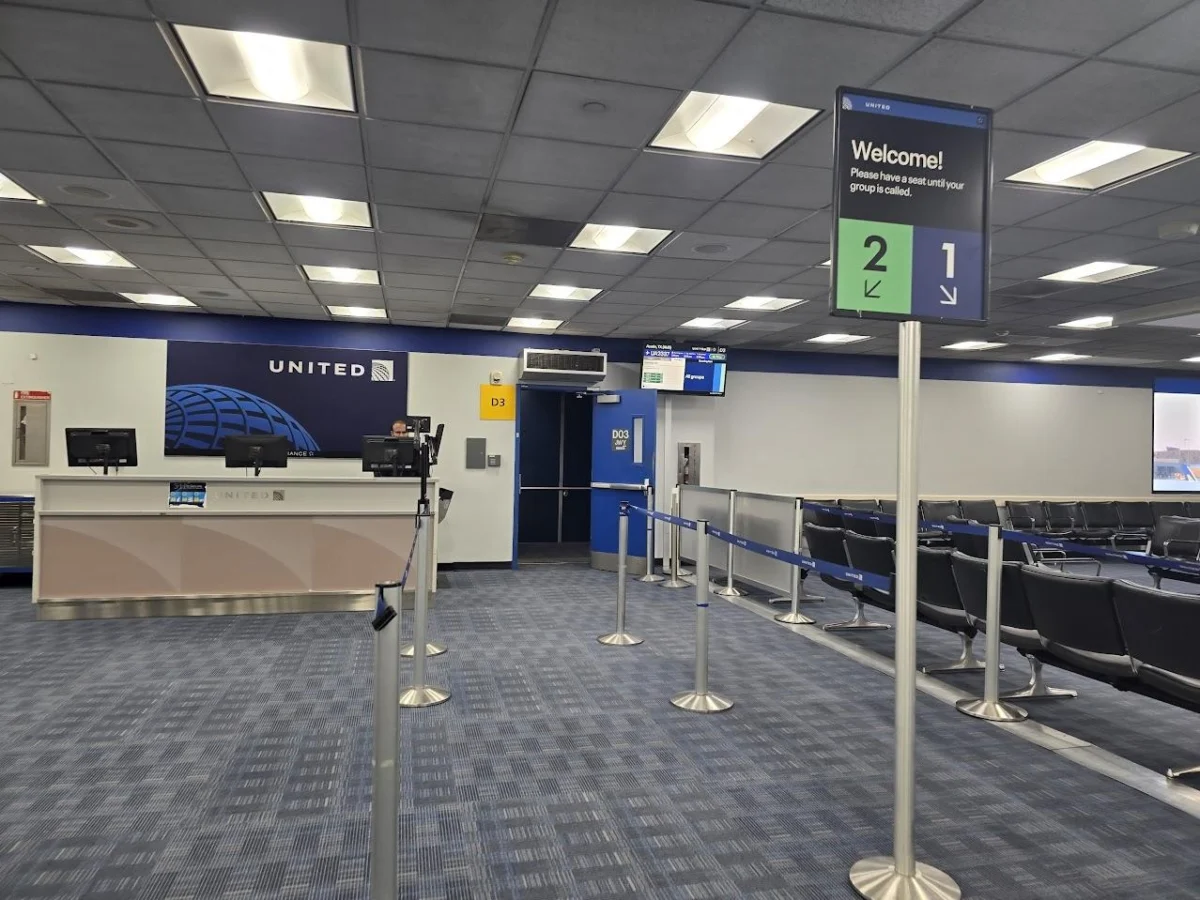
The landscape of airline co-branded credit cards has long been defined by isolated loyalty ecosystems, where holding a card issued by a specific carrier typically restricts cardholder perks strictly to that airline’s metal and network. However, the intricacies of modern airline joint ventures, antitrust immunizations, and strategic alliance partnerships continue to blur these traditional boundaries. A notable example of this cross-program synergy involves the Chase Air Canada Aeroplan® Credit Card. While travel enthusiasts and frequent flyer program strategists frequently focus on advanced redemption strategies, elite status accelerators, and point-transfer valuations associated with the card, a critical operational benefit often remains understated: the extension of valuable perks directly onto United Airlines flights, courtesy of the deep-rooted commercial partnership between Air Canada and United Airlines.
At a baseline level, the Chase Air Canada Aeroplan Credit Card carries an annual fee of $95 and provides cardholders with automated Aeroplan 25K elite status for the remainder of the calendar year in which the card is opened, plus the following full calendar year. Under Star Alliance reciprocity agreements, Aeroplan 25K status equates to Star Alliance Silver status. While Star Alliance Silver offers modest benefits across the broader global alliance—such as priority standby and waitlisting—the partnership between Air Canada and United Airlines goes far beyond standard multilateral alliance courtesy.
Because Air Canada and United Airlines operate under an enhanced, antitrust-immunized joint venture, their operational and commercial integration is among the tightest in the commercial aviation industry. This transborder partnership allows the two carriers to coordinate schedules, align pricing on select routes, and share revenues on North American transborder flights. For consumers holding the Chase Air Canada Aeroplan Credit Card, this close corporate alignment translates into tangible, day-of-travel benefits when flying on United Airlines, including checked bag waivers and priority boarding privileges that apply even when purchasing restrictive Basic Economy tickets.
Background Context of Transborder and Alliance Integration
To understand how a credit card issued for a Canadian loyalty program can influence travel experiences on a major United States carrier, one must examine the evolution of international aviation partnerships. For decades, global airline alliances such as Star Alliance, Oneworld, and SkyTeam have allowed airlines to offer seamless connectivity through code-sharing, reciprocal lounge access, and mutual frequent flyer mileage earning and redemption.
However, standard alliance membership has structural limitations. Antitrust laws in the United States and competition regulations in Canada and the European Union historically prohibited airlines from fully coordinating pricing and capacity on overlapping routes. To circumvent these restrictions while maintaining competitive advantages, carriers pursued deeper bilateral arrangements known as joint ventures. These immunized partnerships allow airlines to act as a single economic entity on specific geographic corridors, most notably across the North Atlantic and between the United States and Canada.
The joint venture between United Airlines and Air Canada represents the pinnacle of this integration within North America. By closely aligning their operational footprints, the two carriers have streamlined customer touchpoints, baggage handling, and airport operations. Consequently, benefits derived from Air Canada’s frequent flyer program and associated financial products frequently cascade into the United Airlines travel experience, creating a unique cross-brand value proposition for frequent travelers who navigate both networks.
Chronology of the Air Canada and Chase Partnership
The modern era of the Aeroplan loyalty program began in earnest in November 2020, when Air Canada completed its full repatriation and relaunch of the Aeroplan program, separating it from Aeroplan’s former parent, Aimia. Concurrently, Air Canada established a new co-branded credit card portfolio in the United States, selecting JPMorgan Chase as its exclusive U.S. issuing partner.
When the Chase Air Canada Aeroplan Credit Card launched in late 2021, it introduced several groundbreaking features to the U.S. market, including the ability to earn Aeroplan points on everyday spending, sophisticated point-redemption stopover rules, and accelerated pathways to elite status. Over the subsequent years, Chase and Air Canada introduced various refresh cycles, adding targeted spending bonuses, anniversary point multipliers, and promotional offers designed to capture a larger share of the lucrative U.S.-to-Canada and international travel market.
As the card’s feature set matured, industry analysts and travel researchers documented its various utility functions, ranging from point-transfer optimizations to elite status matching capabilities. However, the precise mechanics of how the card’s status-derived perks interact with United Airlines’ domestic and international network have increasingly become a focal point for travelers seeking utility beyond Air Canada’s direct flight network.
Detailed Breakdown of Cross-Carrier Benefits
The primary operational advantages realized by holders of the Chase Air Canada Aeroplan Credit Card when flying on United Airlines stem from the card-holder’s automatic conferral of Aeroplan elite status and associated cobranded cardholder privileges.
Baggage Waivers on United Airlines
One of the most immediate cost-saving benefits for frequent flyers is the waiver of checked baggage fees. Typically, passengers flying on domestic U.S. itineraries face escalating fees for checked luggage, often starting at $35 for the first checked bag and $45 for the second bag. Furthermore, airlines have heavily restricted baggage privileges on their lowest fare classes, such as United’s Basic Economy, which explicitly prohibits standard carry-on bags overhead and offers no complimentary checked baggage allowance for general members.
However, holders of the Chase Air Canada Aeroplan Credit Card enjoy a checked bag benefit that extends directly to United Airlines-operated flights. Under the reciprocal baggage handling agreements facilitated by the joint venture and Star Alliance frameworks, the baggage waiver associated with the cardholder’s status and card membership is recognized when checking in for a United flight, provided the frequent flyer number is attached to the reservation. This benefit effectively eliminates checked bag fees for the cardholder and, in many cases, accompanying companions on the same reservation, delivering substantial monetary savings over the course of several trips per year.
Priority Boarding Privileges
Boarding group assignment is another friction point for modern air travelers, particularly those who purchase budget-friendly Basic Economy tickets, which traditionally assign passengers to the final boarding groups. For travelers holding the Chase Air Canada Aeroplan Credit Card, the integration with United Airlines allows for enhanced boarding priority.
Because the card grants status-level recognition that bridges the two carriers, cardholders often find themselves assigned to earlier boarding groups on United flights than their ticket class would otherwise dictate. This ensures access to overhead bin space—a critical factor for passengers traveling with carry-on luggage—and allows for a more relaxed boarding process.
Supporting Data and Market Analysis
The market for co-branded airline credit cards in the United States has experienced continuous expansion. According to financial disclosures from major U.S. banking institutions, co-branded credit card portfolios generate billions of dollars in annual revenue, driven by interchange fees, annual membership dues, and milestone bonuses purchased by airlines to fund their loyalty programs.
Within this competitive ecosystem, niche international cards like the Chase Air Canada Aeroplan Credit Card occupy a specialized segment. While legacy domestic cards issued by Delta Air Lines, American Airlines, and United Airlines dominate total cardholder volume, international carrier cards appeal heavily to frequent travelers who value flexible points currencies. Aeroplan points are unique in the travel rewards industry due to Air Canada’s extensive roster of non-alliance partner airlines—including Emirates, Etihad, Oman Air, and Singapore Airlines—and its favorable distance-based partner award chart.
Data compiled by travel industry researchers indicates that cardholders who utilize multi-carrier alliance cards maximize their return on spending by leveraging secondary benefits. While earning points on dining, grocery, and travel purchases remains the primary driver for card acquisition, ancillary benefits such as baggage waivers and priority airport services account for an estimated $200 to $500 in annual out-of-pocket savings for frequent flyers who split their travel between Air Canada and United Airlines.
Official Responses and Industry Perspectives
Representatives for both Chase and Air Canada have consistently emphasized that the design of the Aeroplan credit card portfolio aims to deliver comprehensive global value rather than isolated point-earning potential. While issuers and airlines rarely comment on the granular mechanics of every bilateral operational agreement due to proprietary commercial sensitivities, executives have frequently highlighted the importance of seamless cross-border travel experiences.
In previous product launch statements, Chase card services leadership noted that consumer demand for international travel rewards requires credit card products that offer utility outside of domestic boundaries. Similarly, Air Canada’s loyalty executives have underscored that the expansion of the Aeroplan program in the United States relies heavily on providing U.S.-based consumers with recognizable benefits that rival those offered by domestic legacy carriers.
Aviation analysts observing the North American market point out that the integration between United Airlines and Air Canada serves as a blueprint for how airlines can extract maximum value from alliance partnerships. By aligning credit card benefits with joint venture operations, both carriers encourage brand loyalty among consumers who might otherwise choose competing airlines based solely on domestic hub dominance.
Broader Impact and Implications for Travelers
The cross-carrier utility of the Chase Air Canada Aeroplan Credit Card carries several broader implications for consumers navigating the complex world of travel rewards and airline loyalty.
First, it highlights the diminishing relevance of traditional airline boundaries in modern travel planning. Consumers are no longer required to hold a credit card issued directly by a domestic U.S. carrier to secure standard perks like free checked bags and priority boarding on major U.S. airlines. By leveraging international joint ventures, travelers can diversify their point-earning strategies—accumulating flexible currencies like Aeroplan points—while retaining essential day-of-travel comforts on carriers like United Airlines.
Second, it provides a cost-effective alternative for travelers who frequently fly United but wish to avoid the higher annual fees associated with top-tier domestic airline credit cards. While premium U.S. airline cards often carry annual fees ranging from $250 to $650, mid-tier international cards like the Aeroplan card offer a lower cost of entry while still unlocking valuable operational privileges through alliance reciprocity.
Finally, the phenomenon underscores the strategic importance of understanding the fine print of airline partnerships. As airlines continue to form complex joint ventures, antitrust-immunized alliances, and bilateral commercial agreements, the hidden intersections between loyalty programs will continue to yield unexpected benefits for informed travelers. For those who frequently traverse the U.S.-Canada border or utilize United Airlines’ extensive domestic and international network alongside Air Canada’s global route map, leveraging these integrated benefits can significantly enhance the overall travel experience while reducing incidental out-of-pocket expenses.




 Anjar Salim
 Chandra Hamzah
 Tatiana Tantri Indah Sari
 Lukman Taruna Persada Ramadan
