
 Budi Mulyono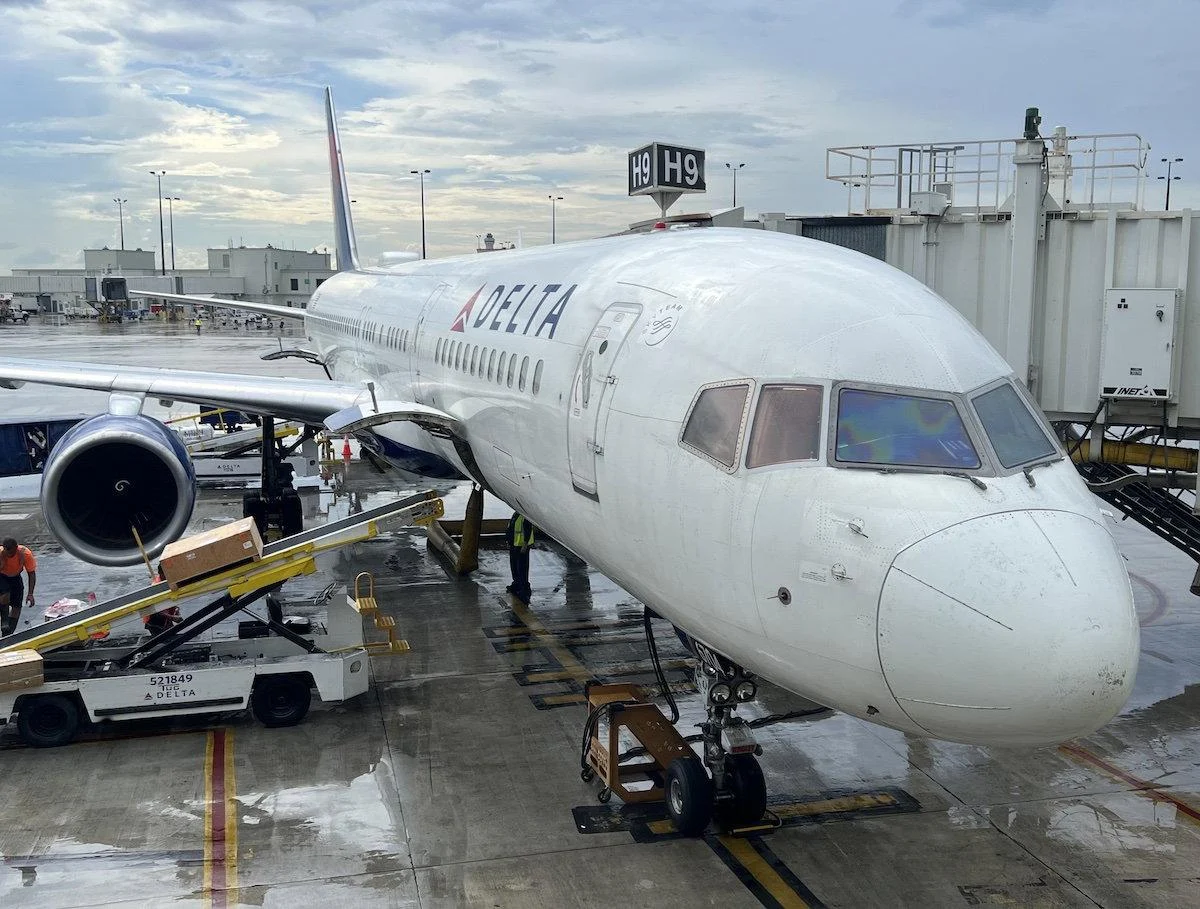
The global landscape of commercial aviation connectivity is undergoing a profound transformation as passenger demand for high-speed, reliable internet at 35,000 feet reaches unprecedented levels. For years, Viasat served as the undisputed benchmark for inflight internet service, enabling passengers to stream video, conduct video conference calls, and browse the web with relative ease. However, the rapid proliferation of connected devices, combined with aggressive airline strategies to offer complimentary Wi-Fi to all passengers, placed an extraordinary strain on existing satellite infrastructure. As network congestion mounted, users frequently experienced sluggish speeds and connection dropouts, opening the door for competitors like SpaceX’s Starlink to capture the industry spotlight.
To address these critical capacity constraints, satellite communications provider Viasat has officially brought its next-generation Viasat-3 Flight 2 (F2) geostationary satellite into commercial service across the Americas. This long-awaited operational milestone represents the single largest capacity upgrade in the company’s history. By more than doubling regional network capacity and injecting over one terabit per second of additional bandwidth into the Americas alone, the deployment aims to stabilize performance during peak travel windows, ensuring consistent connectivity for millions of commercial airline passengers.
Chronology and Regulatory Approval Process
The path to operational deployment for the Viasat-3 constellation has been marked by meticulous engineering, complex manufacturing milestones, and rigorous regulatory oversight. The journey began in earnest with the strategic design of the ultra-high-capacity Ka-band geostationary satellites, engineered to tackle the dual challenges of data demand and spatial efficiency.
The timeline for the recent launches underscores the scale of the undertaking:
- November 2025: Viasat-3 Flight 2 successfully launches, specifically tailored to provide extensive coverage across the Americas.
- April 2026: Viasat-3 Flight 3 follows with a successful launch, designated to cover the Asia-Pacific region.
- Mid-2026: Following months of orbital positioning, comprehensive system testing, calibration, and the acquisition of necessary international and domestic regulatory approvals, the satellites officially go "live."
The completion of this regulatory and technical checklist clears the way for commercial airlines to integrate the expanded network capacity into their daily operations. Because geostationary satellites operate at fixed orbital slots, achieving full operational status requires coordination with aviation authorities and telecommunications regulators across multiple jurisdictions to prevent signal interference and ensure seamless handoffs.
Technical Architecture and Capacity Enhancements

The newly activated Viasat-3 constellation introduces cutting-edge aerospace engineering designed to maximize data throughput and operational resilience. Unlike traditional satellites that broadcast broad, static coverage areas, the Viasat-3 series utilizes advanced adaptive beam-forming technology. This capability allows the network to dynamically concentrate bandwidth where passenger demand is highest—such as over major aviation corridors and densely populated metropolitan hubs—while optimizing power efficiency and minimizing operational costs.
According to technical specifications released by the company, the satellites introduce significant improvements in both forward and return links, translating to higher data rates for transmitting and receiving information. Furthermore, the spacecraft incorporate advanced resistance to signal interference, alongside breakthrough solar power generation and thermal dissipation technologies. These architectural advancements serve as a new benchmark for space-based data infrastructure, addressing the intense thermal and electrical demands of modern high-throughput communications in orbit.
While the deployment of the F2 satellite will not necessarily raise the absolute ceiling for maximum individual user download speeds, its primary benefit lies in network stability and congestion relief. By injecting more than one terabit per second of capacity over the Americas, the system ensures that passengers attempting to access the internet simultaneously during a transcontinental flight will encounter far fewer bottlenecks.
Direct Impact on Major U.S. Carriers
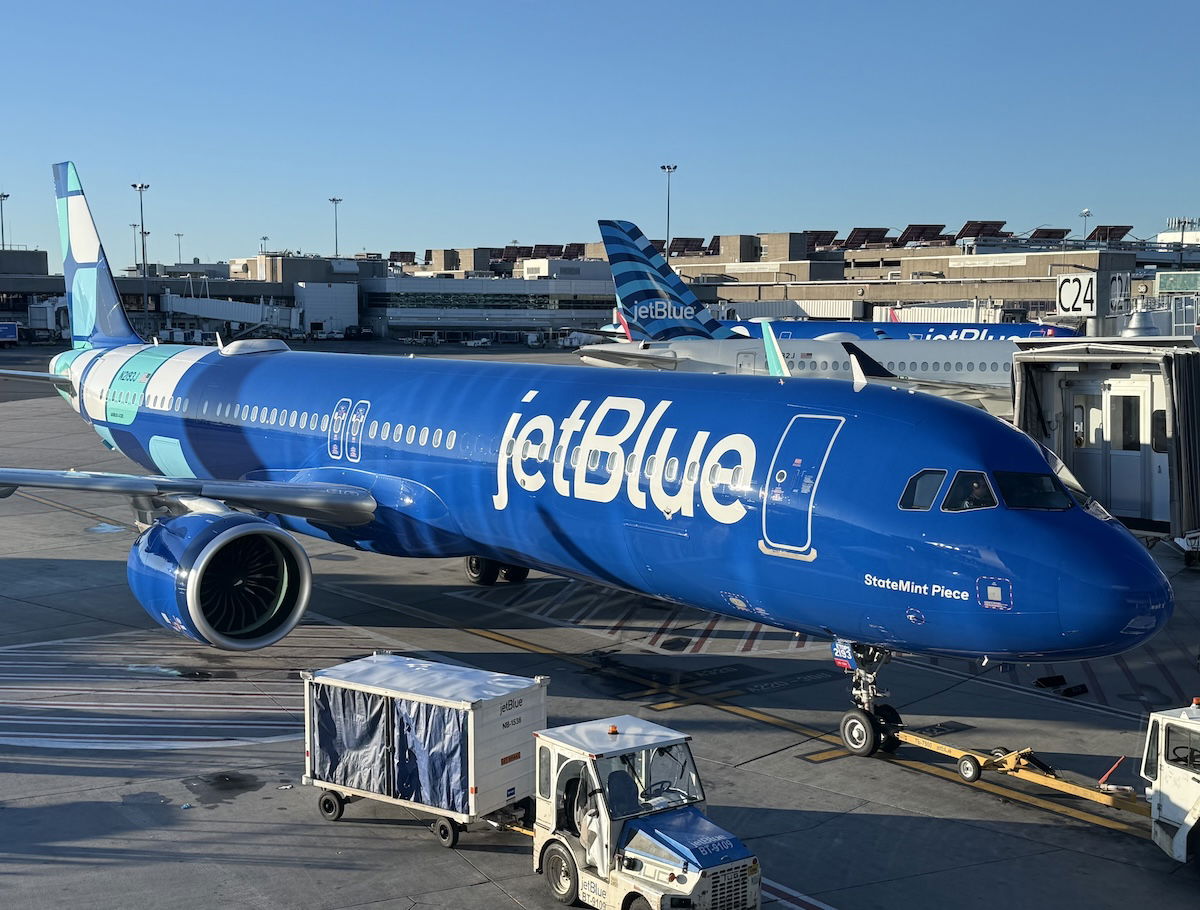
The activation of the Viasat-3 F2 satellite carries immediate and substantial implications for several major United States network carriers, most notably American Airlines, Delta Air Lines, and JetBlue. These three airlines maintain the largest domestic fleets equipped with Viasat hardware, serving as the backbone of the provider’s commercial aviation footprint.
JetBlue has historically positioned itself as an industry leader in passenger experience by outfitting 100% of its mainline and regional fleet with high-speed Viasat connectivity, offering the service free of charge to all travelers regardless of loyalty status or class of service. Similarly, American Airlines and Delta Air Lines have aggressively expanded Viasat installations across their narrowbody fleets—such as Boeing 737, Airbus A320, and Boeing 737 MAX aircraft—while working toward or implementing broad complimentary Wi-Fi models to enhance customer loyalty.
For these carriers, the alleviation of network congestion is a critical operational win. As airlines move toward ubiquitous free Wi-Fi models, user adoption rates frequently approach 100% per flight. Without a corresponding expansion in underlying satellite capacity, network degradation is inevitable. The entry of the F2 satellite directly mitigates this risk, protecting the brand reputation of airlines that market reliable connectivity as a core component of their passenger service offering.
Executive Perspectives and Industry Context
In statements regarding the operational rollout, Viasat leadership emphasized the strategic importance of the constellation in addressing global connectivity demands while maintaining high standards of reliability for both commercial and government clients.
Mark Dankberg, CEO of Viasat, highlighted the technological leap represented by the new spacecraft. "With the VS3 constellation now fully operational, we have substantially expanded our ability to deliver high-quality connectivity where demand is growing fastest and introduced new forms of resilience for our government and commercial customers," Dankberg noted. He added that the adaptive beam-forming and advanced thermal management systems successfully address the complex engineering challenges associated with building economical data centers in space.
Despite these advancements, aviation analysts note that competition within the inflight connectivity sector remains fierce. While Viasat’s capacity injection represents a vital correction for legacy geostationary systems, low-earth orbit (LEO) constellations—exemplified by SpaceX’s Starlink—continue to attract industry attention due to their significantly lower latency. Because LEO satellites orbit much closer to the Earth’s surface, they offer near-instantaneous response times, making them uniquely suited for real-time applications like online gaming and high-definition video conferencing.
Nevertheless, retrofitting entire commercial airline fleets is a capital-intensive and time-consuming process. For airlines deeply invested in Viasat’s hardware ecosystem, the activation of the F2 satellite provides an essential, immediate bridge that restores high-quality service standards without requiring a wholesale replacement of onboard antennas and receivers.
Broader Implications for the Passenger Experience
For the average airline traveler, the transition will manifest as a noticeable reduction in frustrating connection delays, particularly during high-traffic travel periods such as holiday weekends and morning bank departures. Passengers boarding Viasat-equipped American, Delta, and JetBlue flights can anticipate smoother web browsing, more reliable email synchronization, and uninterrupted streaming capabilities.
As aviation technology continues to evolve, passenger expectations regarding digital connectivity onboard commercial aircraft have shifted from a luxury amenity to an expected utility. The successful commissioning of Viasat’s F2 satellite marks a crucial turning point in the ongoing battle against network congestion, ensuring that commercial aviation’s digital infrastructure can keep pace with the modern traveler’s relentless demand for connectivity.




 Anjar Salim
 Dwi Wanna
 Chandra Hamzah
 Gabriela Annisa
 Susilo Edi Turonggo
 Tatiana Tantri Indah Sari