
 Anjar Salim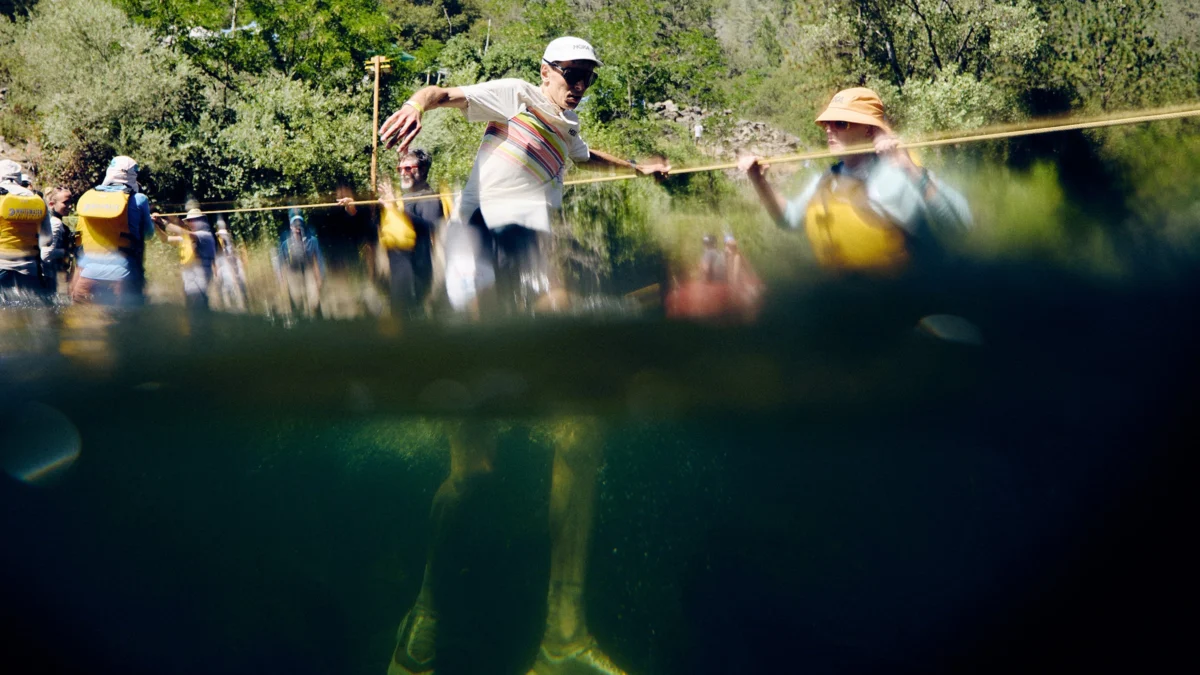
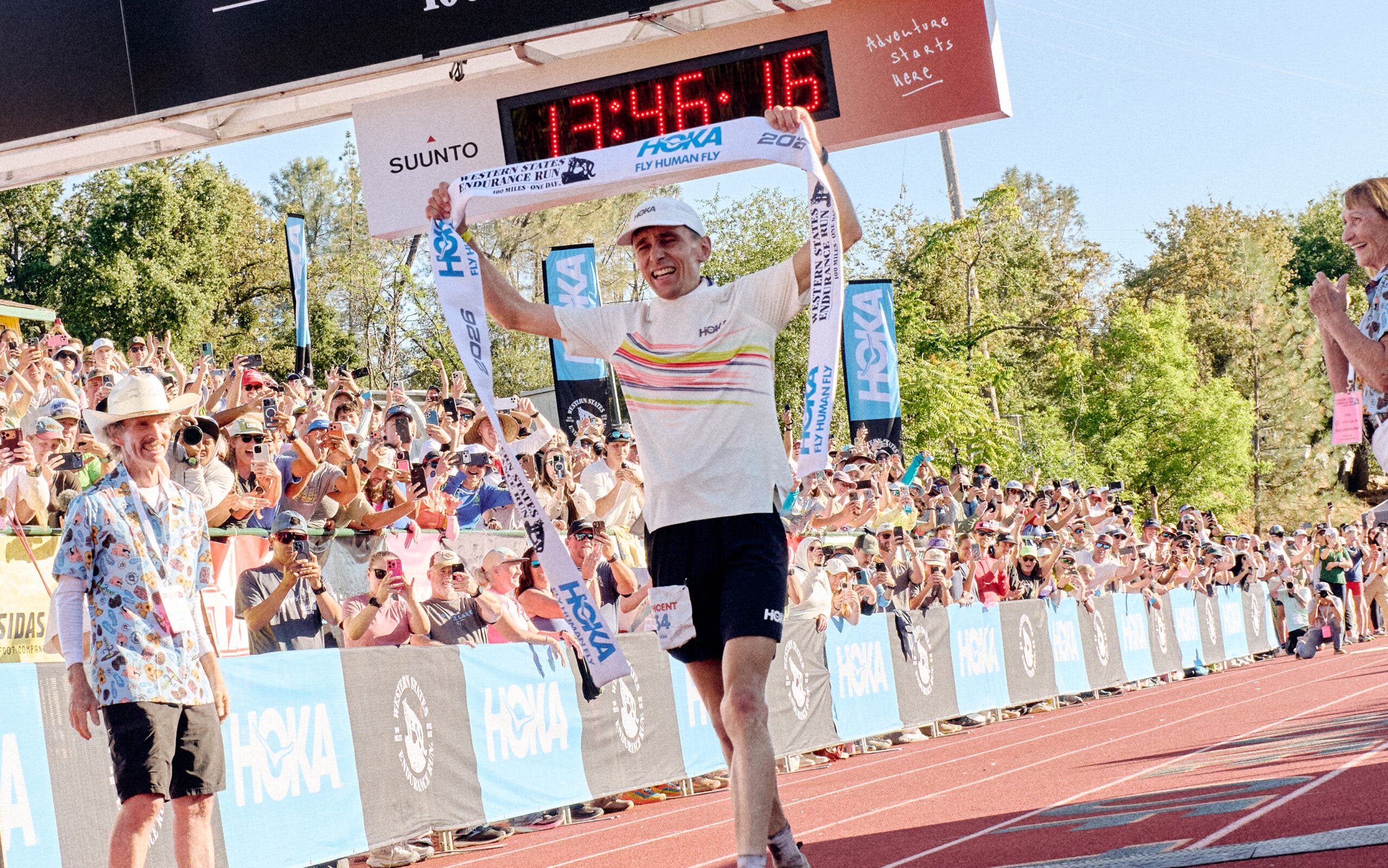
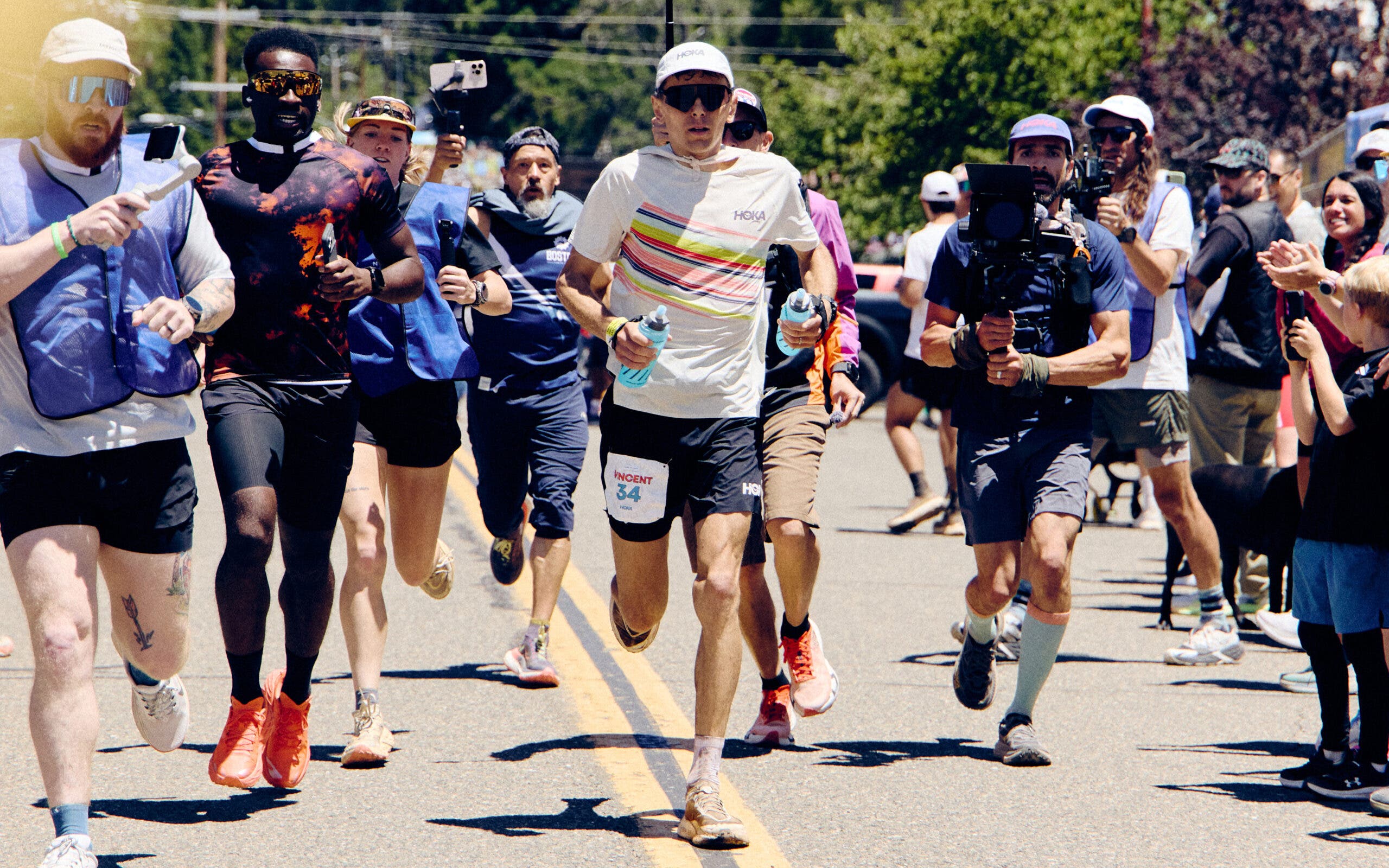
Vincent Bouillard could not stop running even after the clock stopped. On July 18, 2026, the 32-year-old French athlete crossed the finish line of the 100.2-mile Western States Endurance Run (WSER) in a staggering 13 hours, 46 minutes, and 15 seconds, establishing a new course record that many enthusiasts thought unreachable. Upon reaching the red track at Placer High School in Auburn, California—the finish line for the world’s oldest 100-mile trail race since 1974—Bouillard did not collapse in exhaustion. Instead, he turned around and jogged the course in reverse for nearly a quarter-mile, high-fiving the hundreds of spectators who had gathered in the early morning hours to witness history.
The victory was more than just a personal milestone; it was a masterclass in discipline and technical execution. Bouillard’s performance saw him finish more than 23 minutes faster than the previous course record held by Jim Walmsley, widely considered one of the greatest American ultrarunners of all time. For Bouillard, a product engineer for the athletic brand Hoka, the win represented the culmination of "unfinished business" following a disappointing withdrawal from the 2025 race due to debilitating stomach issues. After securing his record-breaking time, Bouillard finally stopped his movement not to rest, but to fulfill a tradition with his support team: sharing a celebratory burrito while watching his fellow competitors navigate the final stretch.
A Historic Performance in a Deep Competitive Field
The 2026 edition of the Western States Endurance Run will likely be remembered as one of the fastest and most competitive in the event’s half-century history. While the race is notoriously defined by the sweltering heat of the American River canyons, the 2026 event featured unseasonably cool temperatures, providing a rare window for elite athletes to push the limits of human speed on technical terrain.
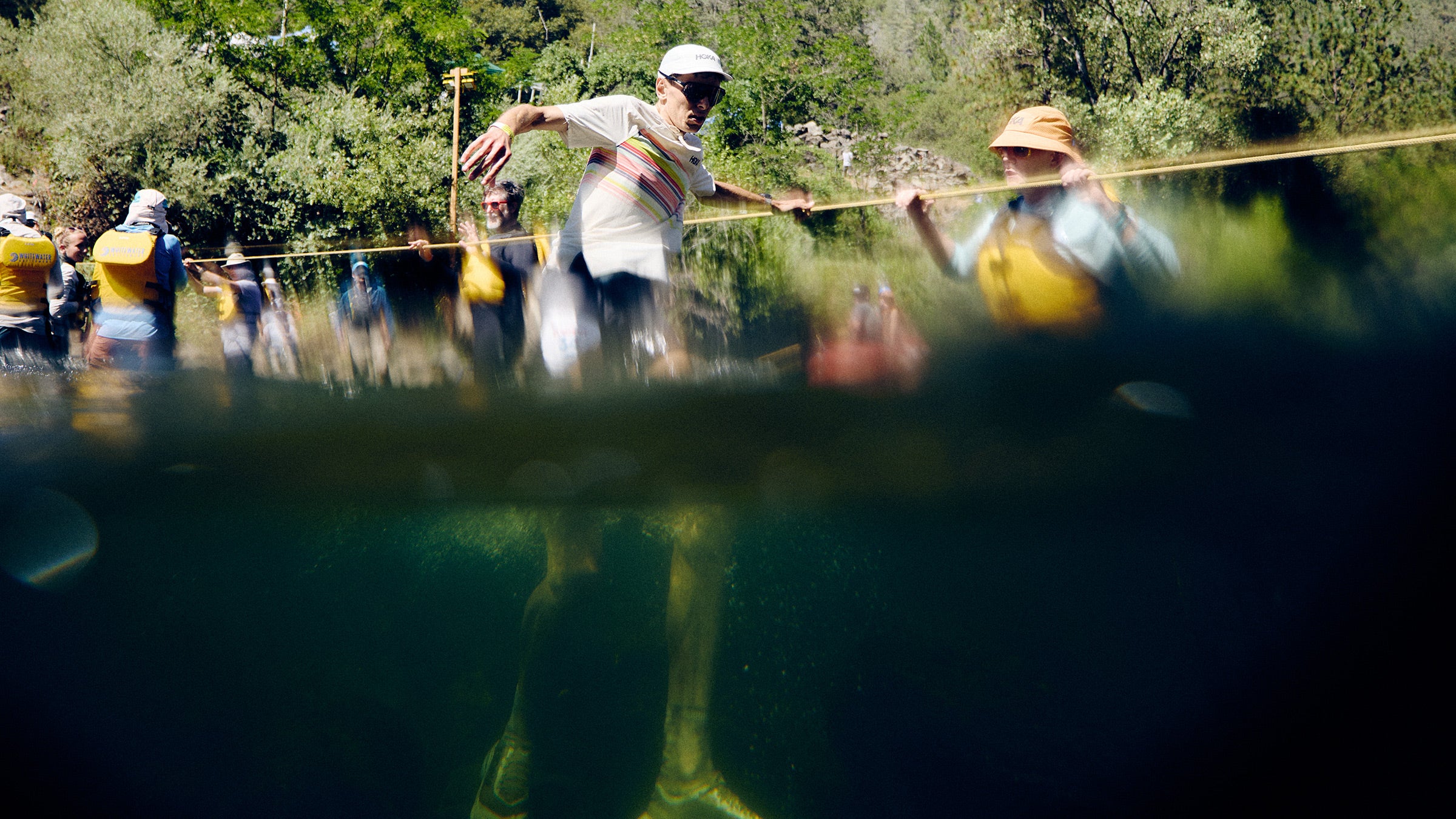
Bouillard’s victory was not a foregone conclusion. He faced a field that included global icons of the sport, including multiple-time champions and world-record holders. However, as the miles ticked by, the depth of the field began to fracture. Several high-profile favorites, including legendary mountain runner Kilian Jornet and former record-holder Jim Walmsley, were forced to withdraw early in the race.
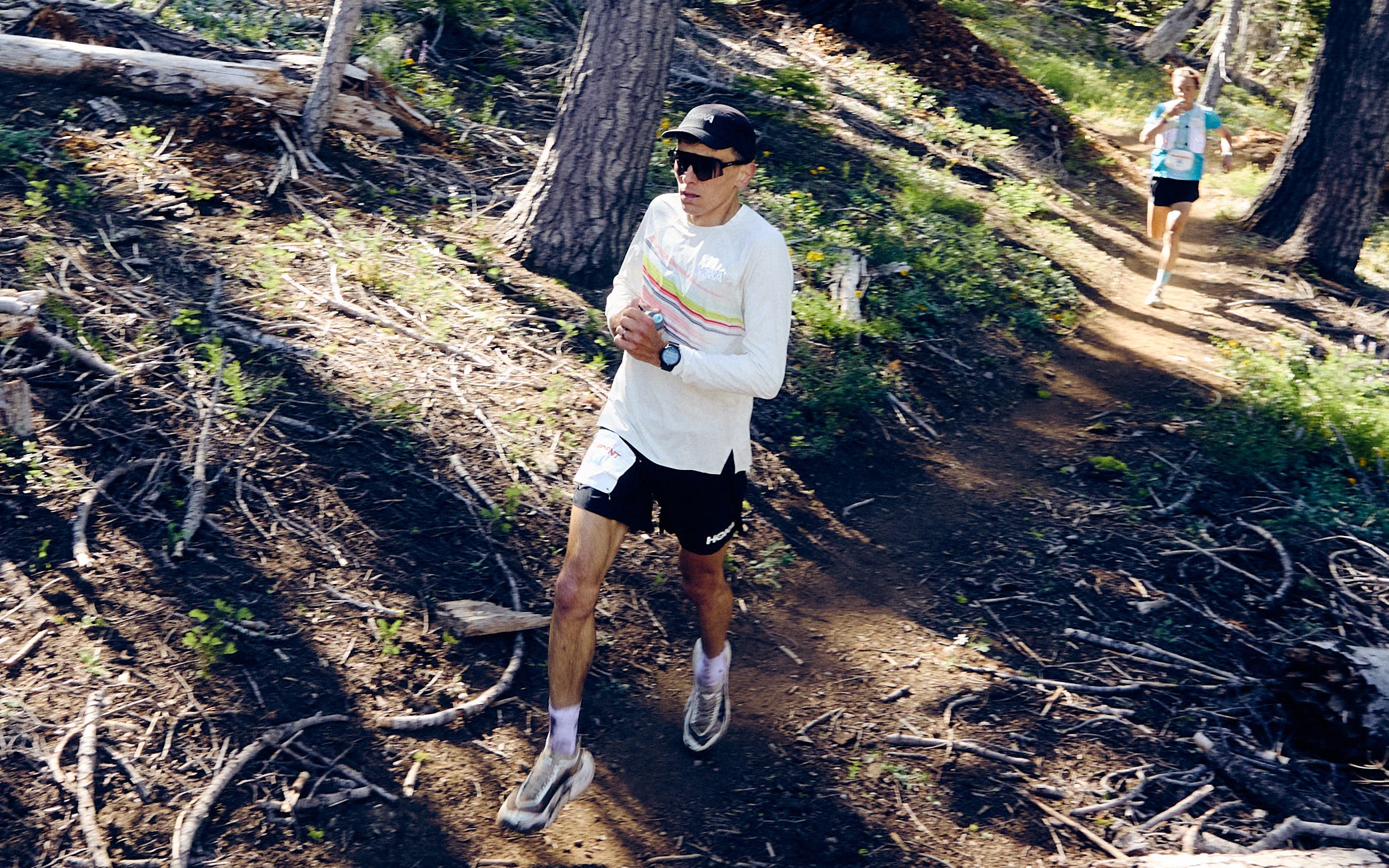
Amidst this attrition, Bouillard remained a paragon of consistency. He did not seize the lead until the final ten miles of the race. Throughout the "High Country"—the initial 30 miles characterized by high-altitude ridges and snow-dusted trails—Bouillard maintained a steady pace, staying within striking distance of the leaders. By the time he reached the Foresthill aid station at mile 62, he was in third place, looking remarkably fresh despite having climbed and descended thousands of vertical feet.
The Engineering Mindset: Pacing and Strategy
What distinguishes Bouillard from many of his contemporaries is his professional background. As a footwear innovation engineer at Hoka, Bouillard approaches running with the precision of a scientist. His training and race-day logistics are built on data-driven efficiency.
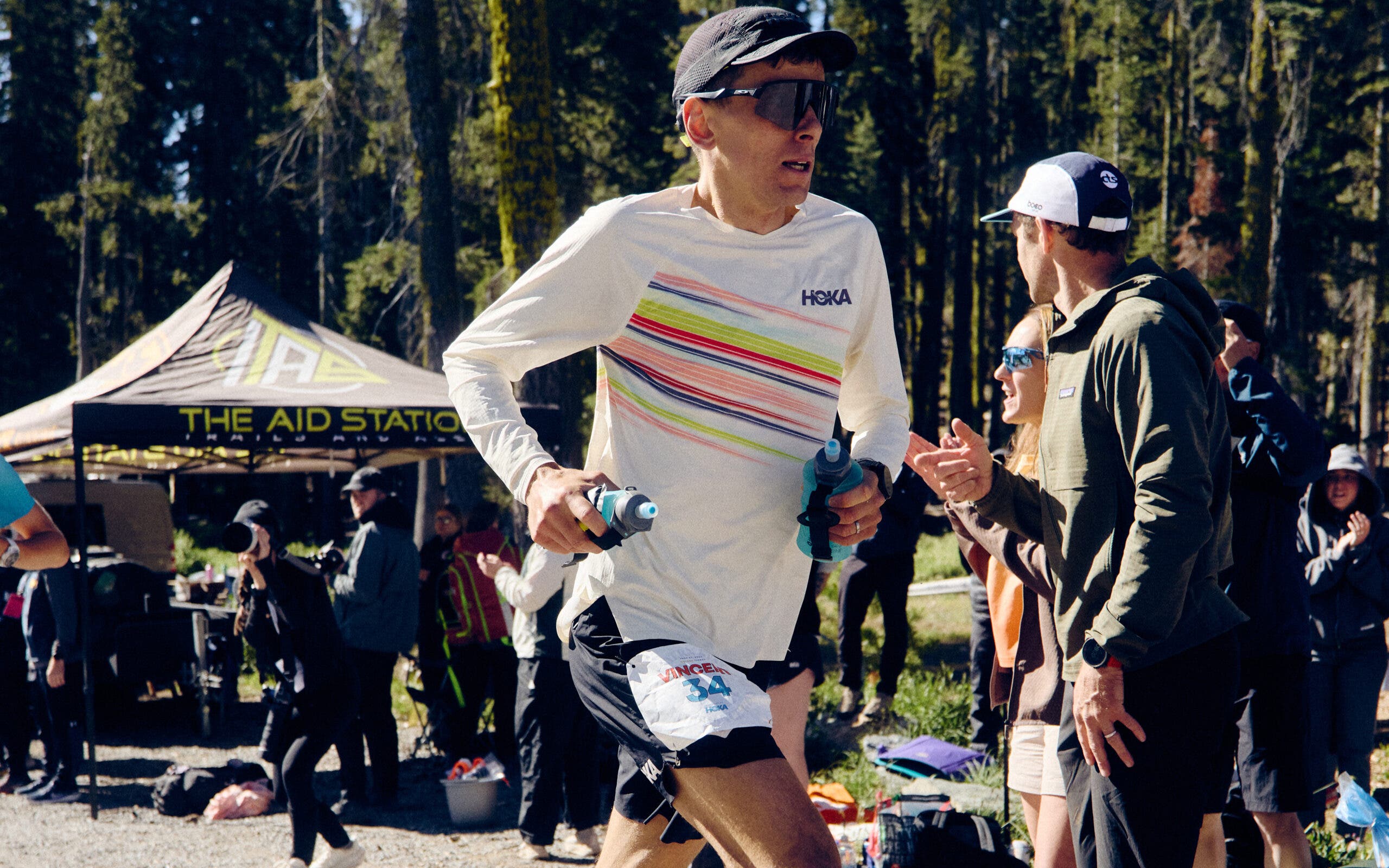
His support crew, primarily composed of his colleagues from Hoka’s product development department, treated the 100-mile race as a high-stakes engineering project. They operated under the mantra "Every Second Counts." This focus on efficiency resulted in Bouillard spending a total of only seven minutes at aid stations over the course of nearly 14 hours of running.
Jared Smith, a crew member and colleague, noted that Bouillard’s calm demeanor was a primary factor in his success. "Vincent knew exactly what his body required at every milestone. Our job was simply to execute the logistics so he could maintain his mechanical rhythm," Smith stated. This technical approach allowed Bouillard to navigate the "Canyons"—the most grueling section of the course between miles 40 and 60—without the metabolic crashes that sidelined other elite runners.
From Product Engineer to Global Icon
Bouillard’s rise to the pinnacle of ultrarunning has been unconventional. Unlike many top-tier athletes who transition to full-time professional status upon finding success, Bouillard has maintained his role as a full-time engineer. He began his journey with Hoka as an intern, using his background in material science to develop high-performance foams and structural components for running shoes.
His breakthrough on the international stage occurred in 2024, when he stunned the trail-running community by winning the Ultra-Trail du Mont-Blanc (UTMB) in Chamonix, France. At the time, Bouillard was unsponsored, despite working for one of the largest shoe brands in the world. His UTMB victory earned him his first professional athlete contract, but he insisted on retaining his engineering position, albeit with adjusted hours to accommodate his training regimen.
With his 2026 victory at Western States, Bouillard has joined an elite group of only seven runners who have won both the UTMB and Western States—the two most prestigious titles in the sport. His performance in Auburn effectively silenced any critics who viewed his 2024 UTMB win as an anomaly. As race announcer Corrine Malcolm told the crowd as Bouillard entered the final mile: "Vincent is the real deal. No fanfare, no pacer. Just hard work and getting it done."
Roots in the Alps: A Lifelong Connection to the Mountains
Bouillard’s endurance is rooted in his upbringing in Annecy, France. Located in the Haute-Savoie region, Annecy is a hub for alpine sports, situated in the shadow of the Mont Blanc massif. Bouillard grew up in an environment where mountain activities were a lifestyle rather than a competitive pursuit.
He credits his grandmother, a local legend in her own right for her daily hiking and cycling excursions, as his primary athletic inspiration. While he participated in organized track and cross-country during his school years, he recalls being more interested in the duration of the effort than the speed. This innate preference for long-distance movement led him to explore the "Skyrunning" circuit during his college years. In 2014, he participated in the inaugural Tromso Skyrace in Sweden, a highly technical 45-kilometer race with massive elevation gains. Despite being underprepared by his own admission, he finished 17th, a result that hinted at his future potential.
Even as he achieved global fame, Bouillard’s family remained a grounding force. He recounted that following his UTMB victory, a lunch with his grandfather featured only a fleeting mention of the race before the conversation shifted to local news and family matters. This perspective has allowed Bouillard to treat ultrarunning as a passion rather than a source of pressure.
Statistical Context and the Evolution of the Sport
The 2026 Western States results provide a fascinating data point for the evolution of ultrarunning. The fact that the top four finishers all broke Jim Walmsley’s previous course record suggests a significant leap in the sport’s professionalization and the refinement of nutrition and gear.
| Finisher | Time | Relation to Previous Record |
|---|---|---|
| Vincent Bouillard | 13:46:15 | -23 minutes |
| 2nd Place | 13:58:20 | -11 minutes |
| 3rd Place | 14:02:10 | -7 minutes |
| 4th Place | 14:05:45 | -4 minutes |
Analysts suggest that while the cooler weather played a role, the integration of advanced footwear—some of which Bouillard helped design—and more sophisticated carbohydrate intake strategies have raised the "floor" of elite performance. Bouillard’s use of his own engineered prototypes during the race highlights a unique feedback loop between the athlete and the equipment.
Balancing Fatherhood and Elite Performance
Beyond the technical and athletic achievements, the 2026 Western States was a personal milestone for the Bouillard family. Vincent and his wife, Kamilah, recently welcomed a daughter. Throughout his training for the 2026 season, Bouillard had to balance the demands of a newborn with 100-plus mile training weeks and his responsibilities at Hoka.
In a lighthearted moment before the race, Bouillard told his crew that his primary objective was to finish before his daughter’s bedtime. By crossing the finish line just before 7:00 P.M. local time, he achieved that goal. He was greeted at the finish line by his wife and daughter, a moment he described as more significant than the record itself.
"It’s big dream moments that are coming together," Bouillard said after the race. "There’s no doubt about that."
Broader Implications for Trail Running
Bouillard’s victory marks a shift in the landscape of professional ultrarunning. For years, the sport was dominated by full-time professionals who dedicated every hour to recovery and training. Bouillard’s success as a "working professional" challenges the notion that one must abandon a career to reach the top of the podium.
Furthermore, his win reinforces the current era of French dominance in mountain sports. With French athletes currently holding several of the most prestigious titles and records in trail running, the training methodologies emerging from the European Alps are set to influence the sport globally for years to come.
As the sun set over Auburn on July 18, the ultrarunning community was left to process a performance that redefined the limits of the Western States trail. For Vincent Bouillard, the engineer who likes to run, the day ended not with a trophy ceremony, but with a quiet moment of sleep, having finally closed the chapter on his unfinished business in the California canyons.




 Chandra Hamzah
 Tatiana Tantri Indah Sari
 Budi Mulyono
 Lukman Taruna Persada Ramadan