
 Lukman Taruna Persada Ramadan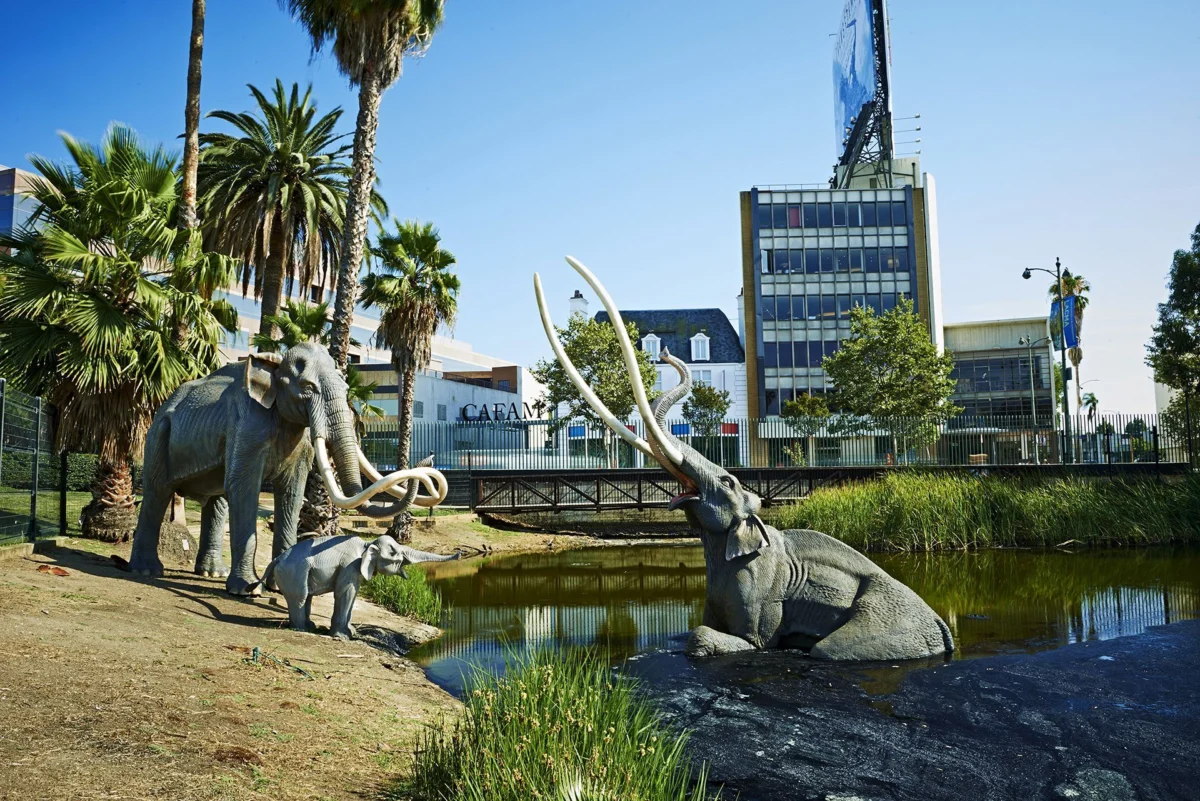
The Natural History Museums of Los Angeles County (NHMLAC) has announced the selection of WEISS/MANFREDI Architecture as the finalist in the international design competition for the comprehensive redesign of the iconic La Brea Tar Pits project. This pivotal decision marks a significant step towards reimagining one of the world’s most extraordinary paleontological sites, situated within the eastern expanse of Hancock Park in Los Angeles’s vibrant Miracle Mile district. The project aims to enhance both scientific research capabilities and public engagement, ensuring the site’s relevance and impact for the next half-century and beyond.
A Vision for a New Era of Discovery and Engagement
La Brea Tar Pits stands as the world’s only active paleontological research facility nestled within a major urban area, offering an unparalleled window into Earth’s past. Since systematic research commenced in 1913, the tar pits have continuously yielded millions of specimens, painting a vivid picture of prehistoric Los Angeles. These include awe-inspiring skeletons of saber-toothed cats, dire wolves, and mastodons, alongside countless smaller organisms, plants, rodents, and insects. Daily discoveries continue to emerge from the open-air excavations, making the site an indispensable resource for understanding environmental changes in Los Angeles and globally over the last 50,000 years.
The selection of WEISS/MANFREDI, a New York-based firm renowned for its integrated approach to architecture, landscape, and urban design, underscores NHMLAC’s commitment to a holistic transformation. The firm’s proposal, titled "La Brea Loops and Lenses," envisions a dynamic and interconnected campus that seamlessly blends indoor and outdoor experiences, connecting the rich scientific heritage with modern visitor expectations. This multi-year undertaking, overseen by NHMLAC, seeks to fundamentally reimagine the site, preserving its unique natural and cultural assets while propelling its mission of scientific inquiry and public education into the future.
The "La Brea Loops and Lenses" Concept: A Möbius Strip of Experience

WEISS/MANFREDI’s winning design, "La Brea Loops and Lenses," is conceived as a triple Möbius strip, intricately linking all existing elements of Hancock Park into a continuously unfolding experience. This innovative concept aims to unite three distinct identities inherent within the park: "Research and Revelation," focusing on the excavation pits and the Pleistocene Garden; "Community and Culture," encompassing the George C. Page Museum and the central green space; and "Spectacle and Urban Fictions," where the iconic Lake Pit and mastodon sculptures meet the public imagination along Wilshire Boulevard.
The design proposes a new 0.62-mile pedestrian path that gracefully traverses the Lake Pit, frames captivating views into the museum, and enhances amenities for both community engagement and advanced research. This looping pathway is designed to reveal the vast riches found within the tar pits and the museum’s extensive collections. Complementing active exploration, lookout platforms strategically placed along the loop will offer more intimate spaces for reflection and contemplation, allowing visitors to absorb the profound history embedded in the landscape.
The different themes embodied by these "loops" promise diverse journeys, catering to a wide array of interests—from dedicated paleontology enthusiasts and aspiring scientists to bird watchers and families seeking recreational play. The reimagination of the park and the George C. Page Museum stems from a deep analysis of the site’s existing strengths, inspiring a commitment to not only preserve but also magnify the park, the tar pits, and the museum as an ever-evolving campus for discovery.
Key Features of the Redevelopment Project
The comprehensive master plan includes several transformative components:
- Renovation and Expansion of the George C. Page Museum: The rejuvenation and expansion of the Page Museum are rooted in an analysis of the existing building, preserving and enhancing its unique architectural strengths. New exhibition spaces, designed akin to a magnifying glass, will bring artifacts into sharper focus, making the museum’s treasures—from massive skeletons to microscopic specimens—more visible and engaging to the public. The design emphasizes framed views throughout the park and museum, aligning the ongoing research with the museum’s collection of over 3.5 million specimens.
- Construction of a New Museum/Exhibit Space: While the original article implies a "new museum," it’s more accurately described as an expansion or integration of new exhibit spaces, potentially within or adjacent to the renovated Page Museum, to accommodate the expanded narrative and new discoveries.
- Creation of a Samuel Oschin Global Center for Ice Age Research: This dedicated center will significantly bolster NHMLAC’s scientific research capabilities, providing state-of-the-art facilities for paleontologists, geologists, and climate scientists. The center is expected to foster international collaborations and advance our understanding of Ice Age environments and their implications for contemporary climate change.
- Expansion of Educational Opportunities and Research Facilities: The project will broaden educational programs, making scientific inquiry more accessible to students and the public. Enhanced research facilities will support ongoing excavations, specimen conservation, and data analysis, ensuring the La Brea Tar Pits remains at the forefront of paleontological science.
- Improvements to Park and Recreational Areas: Beyond the scientific and exhibition spaces, the project includes significant upgrades to Hancock Park itself. These improvements aim to enhance the overall visitor experience, providing more inviting and accessible green spaces for community enjoyment. The design ensures that the park remains a vibrant urban oasis while serving its core educational and scientific functions.
The project is specifically designed to accommodate an additional 800,000 visitors annually, reflecting its growing appeal and importance as a global landmark. This increase in capacity aligns with a broader effort to preserve and promote the site as a critical paleontological and educational resource for generations to come.

A "Wunderkammer" Reimagined for the 21st Century
The renovation and expansion are conceptually framed as a contemporary Wunderkammer, or cabinet of curiosities—a treasure chest brimming with stunning fossils and artifacts, ranging from monumental skeletal remains to microscopic biological samples. This concept emphasizes the diversity and richness of the collections, inviting visitors into a world of continuous wonder and discovery. The illuminated facade of the museum at night will further animate the park, transforming it into a dynamic cultural beacon within the city.
The Historical Context and Scientific Significance
The La Brea Tar Pits are a unique geological phenomenon, formed over tens of thousands of years as crude oil seeped to the surface, creating sticky asphalt pools that trapped countless animals and plants. These natural traps preserved an unparalleled fossil record, offering a snapshot of the Pleistocene Epoch (Ice Age) in Southern California. The sheer volume and quality of specimens—including some of the most complete saber-toothed cat and dire wolf skeletons ever found—have made the site a cornerstone of paleontological research.
Prior to 1913, casual excavations had occurred, but it was the systematic efforts initiated by the Los Angeles County Museum of History, Science and Art (now NHMLAC) that established the site’s immense scientific value. The George C. Page Museum, opened in 1977, was specifically designed to house and display the fossils excavated from the tar pits, integrating active fossil preparation laboratories directly into public view, a revolutionary concept at the time. This allowed visitors to witness science in action, a tradition the new design aims to enhance. The tar pits continue to be actively excavated, with ongoing projects like "Project 23" regularly unearthing new and significant finds, demonstrating the continuous scientific potential of the site.
Statements from Stakeholders

Dr. Lori Bettison-Varga, President and Director of the Natural History Museums of Los Angeles County, expressed enthusiasm for the selection: "WEISS/MANFREDI’s vision beautifully articulates our aspirations for La Brea Tar Pits. Their design respects the site’s profound history and ongoing scientific contributions while boldly propelling it into a future of enhanced public engagement and environmental understanding. This master plan will allow us to deepen our research, broaden our educational reach, and offer an even more immersive and inspiring experience to our millions of visitors."
Marion Weiss and Michael Manfredi, principals of WEISS/MANFREDI, shared their perspective: "We are honored to be chosen for this extraordinary project. La Brea Tar Pits is a place of wonder, where the deep past meets the vibrant present of Los Angeles. Our design seeks to amplify the site’s unique narrative of discovery, creating a cohesive and permeable landscape that invites visitors to explore, learn, and connect with the scientific process. The ‘Loops and Lenses’ concept will weave together research, education, and recreation, transforming Hancock Park into a truly integrated and dynamic campus."
Los Angeles Mayor Karen Bass, speaking about the broader impact, remarked: "The redevelopment of La Brea Tar Pits is a testament to Los Angeles’s commitment to cultural enrichment and scientific advancement. This project will not only elevate one of our city’s most cherished landmarks but also enhance our global standing as a center for innovation and discovery. It represents a significant investment in our future, promising both educational opportunities for our youth and a boost to our thriving tourism economy."
Broader Impact and Anticipated Benefits
The comprehensive redesign of La Brea Tar Pits carries profound implications across multiple sectors:
- Scientific Advancement: The new Samuel Oschin Global Center for Ice Age Research and expanded research facilities will solidify the site’s position as a global leader in paleontological and climate science. Enhanced laboratories, conservation spaces, and digital infrastructure will support cutting-edge research, attracting top scientists and fostering new discoveries about ancient ecosystems and their relevance to contemporary environmental challenges.
- Educational Enrichment: By making scientific processes more transparent and engaging, the project will significantly expand educational opportunities. New interactive exhibits, dedicated learning spaces, and accessible pathways will inspire a new generation of scientists and curious minds, fostering a deeper appreciation for natural history and scientific inquiry. The integration of research and public viewing will continue the Page Museum’s pioneering tradition of "science in action."
- Economic and Tourism Boost: The projected increase of 800,000 annual visitors will provide a substantial boost to Los Angeles’s tourism industry and local economy. This influx of visitors will support local businesses, create jobs, and enhance the Miracle Mile district’s reputation as a cultural destination. The project’s completion ahead of the 2028 Olympics will also position La Brea Tar Pits as a premier attraction for international visitors.
- Urban Renewal and Green Space Enhancement: The improvements to Hancock Park will enhance its ecological health and aesthetic appeal, providing a more vibrant and user-friendly green space for Los Angeles residents. The "Loops and Lenses" design emphasizes connectivity and permeability, integrating the park more harmoniously with its urban surroundings.
- Cultural Identity and Legacy: The reimagined La Brea Tar Pits will reinforce Los Angeles’s unique cultural identity, celebrating its deep geological past alongside its dynamic present. It will serve as a powerful symbol of humanity’s ongoing quest for knowledge and its commitment to preserving and understanding our planet’s history.
Project Timeline and the Olympic Connection

The multi-million dollar renovation and expansion project is slated for completion before the commencement of the Los Angeles 2028 Summer Olympics, scheduled from July 14–30, 2028. This strategic timeline ensures that one of Los Angeles’s most iconic natural history sites will be ready to welcome a global audience, showcasing the city’s commitment to both scientific heritage and modern innovation. The 2028 Games will mark the first time the Summer Olympics have been held in Los Angeles since 1984, and the fifth time the United States has hosted the event, underscoring the city’s capacity for world-class events and attractions. The master plan development, led by WEISS/MANFREDI, is the initial phase, with subsequent phases involving detailed design, funding, and construction.
The selection of WEISS/MANFREDI is the culmination of an intensive international design competition that attracted top architectural firms from around the globe, all vying for the opportunity to shape the future of this unparalleled site. This rigorous process ensured that the chosen design not only met the ambitious goals of NHMLAC but also resonated with the profound scientific and cultural significance of La Brea Tar Pits. The project represents a monumental effort to transform a globally significant paleontological site into a dynamic, engaging, and scientifically advanced institution for the 21st century.




 Chandra Hamzah
 Tatiana Tantri Indah Sari
 Budi Mulyono
 Anjar Salim

