
 Chandra Hamzah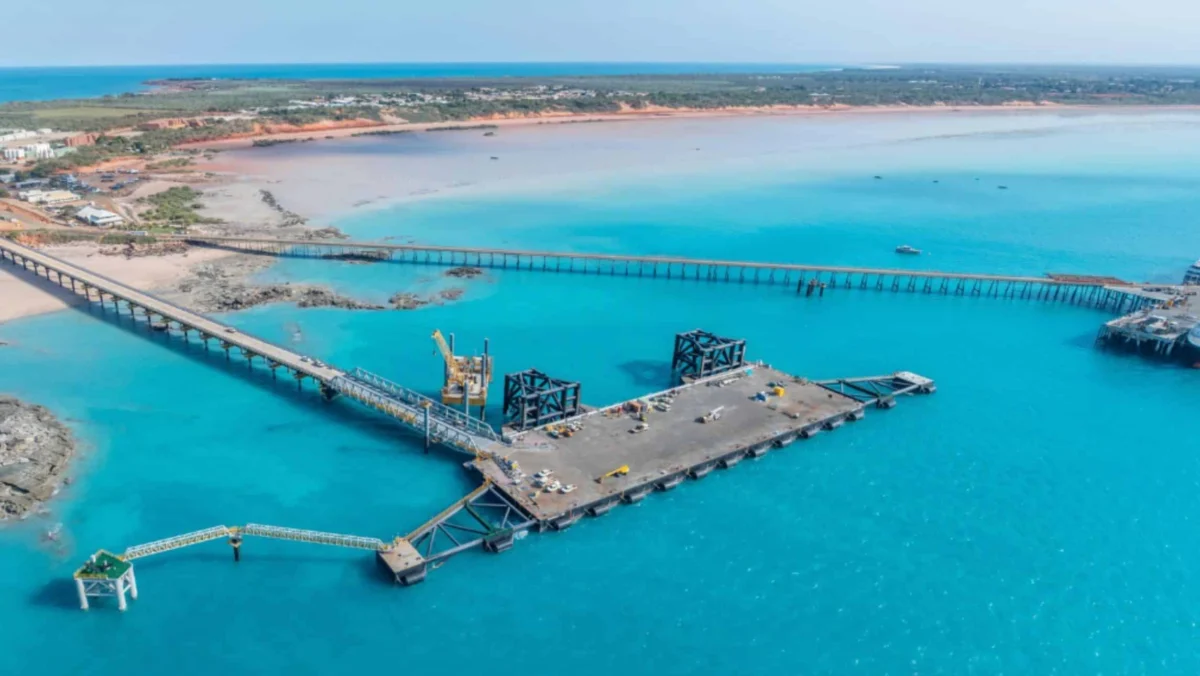
A comprehensive series of workshops has been traversing the Western Australian coastline over recent months, targeting local tourism operators and hospitality businesses situated within proximity to Australia’s extensive cruise port network. These crucial information sessions aim to demystify the intricacies of cruise operations for industry newcomers and to illuminate the tangible benefits that accrue to businesses and the wider community when a cruise ship graces their shores. Spanning from the southern reaches of Busselton to the northern jewel of Broome, each workshop delves into essential aspects, including the criteria cruise lines evaluate when selecting port stops and the practical methodologies for integrating tours and experiences into official onboard shore excursion programs.
While these industry-focused workshops are not a novel concept within Australia’s tourism landscape, their significance and the stakes involved have escalated considerably in recent times. The nation continues to experience a strong public affinity for cruising, yet paradoxically, the number of visiting cruise ships has seen a year-on-year decline, often accompanied by a reduction in cruise duration. This trend poses a significant challenge for regional economies heavily reliant on cruise tourism.
The Evolving Cruise Landscape in Australia
The Cruise Lines International Association (CLIA) has voiced concerns that Australia is facing difficulties in attracting vessels to its waters. This stems from a combination of regulatory uncertainties and escalating operational costs, which collectively render the country less competitive as a cruise destination and divert potential tourism to alternative international locales. Cruise Passenger has been at the forefront of reporting this capacity drop, actively advocating for federal government attention to this critical issue.
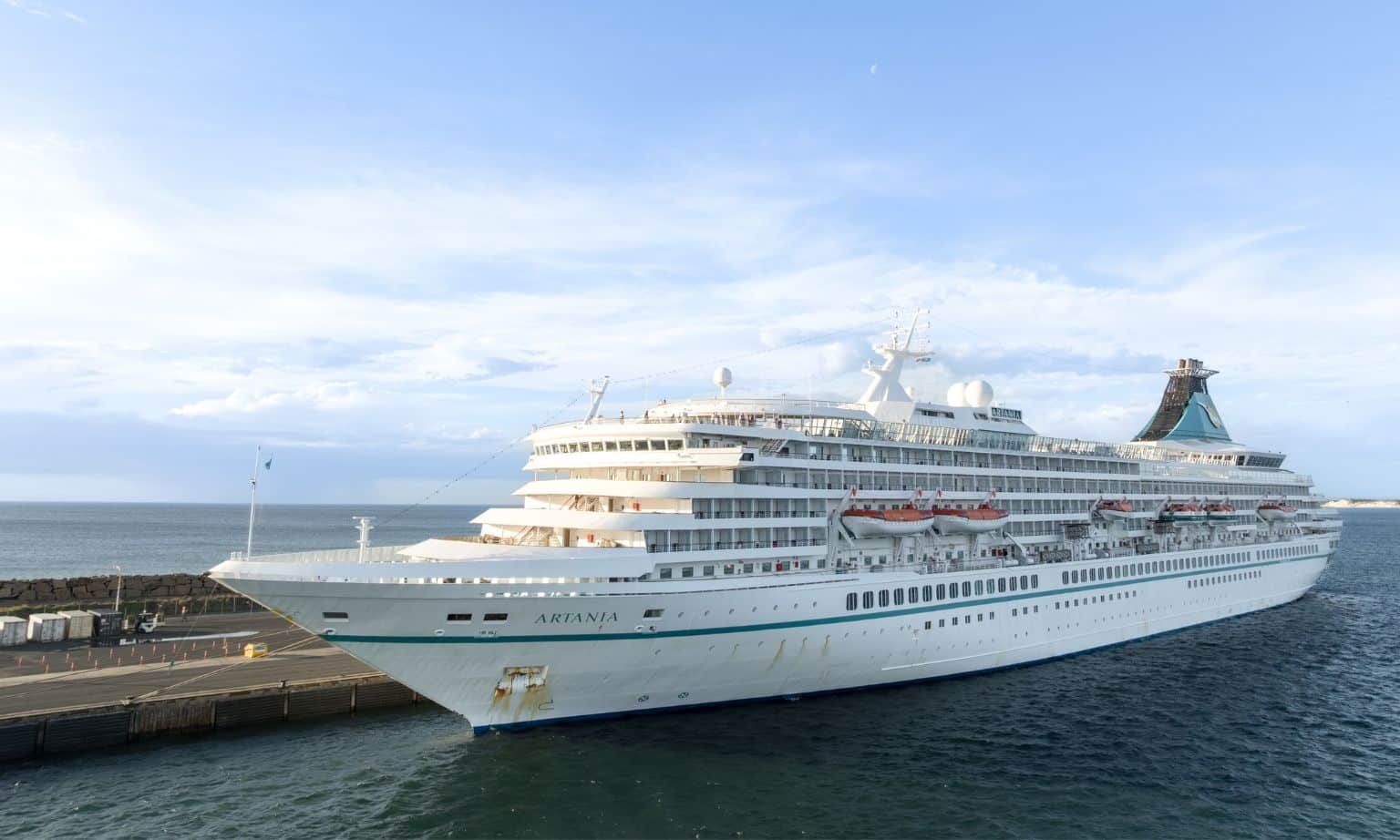
Shore excursions represent a substantial component of the cruise industry’s revenue streams, ranking among the most profitable onboard offerings, alongside beverage packages, specialty dining, and casino operations. Joanne Brown, Business Development Manager at Intercruises, an organisation that has facilitated numerous workshops alongside Tourism Western Australia, emphasizes that while multiple factors influence a cruise line’s decision-making process for homeporting or deploying ships, a port’s ability to offer compelling passenger appeal and profitable excursion opportunities is paramount.
"At the end of the day, people take cruises not just for the ships but for the destinations," Brown stated. "Having port density and ports that are warm and welcoming is paramount. You can go to a port where you don’t feel welcome. And then you can go to a port like Albany, where year after year the feedback is that the volunteers are there, the businesses have their arms open, and it’s a warm and welcoming place." This sentiment underscores the critical role of local engagement and service quality in fostering a positive cruise destination experience.
Economic Impact and Regional Benefits
The economic advantages of attracting more cruise ships and their affluent passengers are considerable for tourism operators and the communities surrounding the ports. According to the latest figures from the Australian Cruise Association (ACA), the shore-side spend across more than 50 ports nationwide reached $1.8 billion during the 2024/25 season. A significant portion of this, nearly 40%, is attributed to international visitors. This translates to an average daily expenditure of $440 per passenger while on shore, with crew members contributing an additional $134 per person per day. Despite an increase in the number of ports visited compared to previous years, the total shore-side spend saw a slight decrease from the $1.9 billion recorded in the 2023-24 season.
A case in point is the picturesque town of Eden on New South Wales’ Sapphire Coast. In May 2026, Cruise Eden released its performance data for the 2025/26 season, revealing that it hosted 29 cruise ships. While this represents a decrease from the 41 ships in the 2023/24 season, the port generated $14.3 million in regional economic value, marking a reduction of almost $5 million from the previous season. For the upcoming 2026/27 season, Eden is slated to welcome 27 ships, including notable vessels like the Celebrity Solstice and the Grand Princess. Crucially, during the 2025/26 season, 85% of passengers disembarked, with 10,449 passengers participating in organized shore excursions across 329 different tours, highlighting the continued demand for local experiences.
Western Australia’s Strategic Push
Western Australia is actively pursuing similar successes, with several ports demonstrating significant potential. Albany is currently undergoing port infrastructure upgrades and consistently receives positive feedback regarding passenger reception. Geraldton, which was poised for its most substantial cruise season ever before a regulatory shift led to the cancellation of 12 ship visits, is now striving to re-establish its presence on major cruise itineraries. Esperance, renowned for its stunning turquoise waters and iconic pink lake, is beginning to capture the attention of the industry, with Norwegian Cruise Line scheduled to make its inaugural visit in the 2027/28 season.
The state has outlined an ambitious vision through the Western Australian Cruise Tourism Strategic Plan 2023-2033. This plan, supported by a $35.5 million investment from the state government, aims to elevate the sector’s economic output from $273 million in 2023/24 to a projected $620 million by 2033. A cornerstone of this strategy lies in the development and enhancement of port-level readiness and local engagement. The plan explicitly commits to delivering cruise-ready workshops, coupled with comprehensive training programs for volunteers and guides. These initiatives are designed to ensure that ports are not only logistically capable but also exceptionally welcoming and equipped to offer enriching experiences to cruise passengers.
Broome: A Gateway to the Kimberley
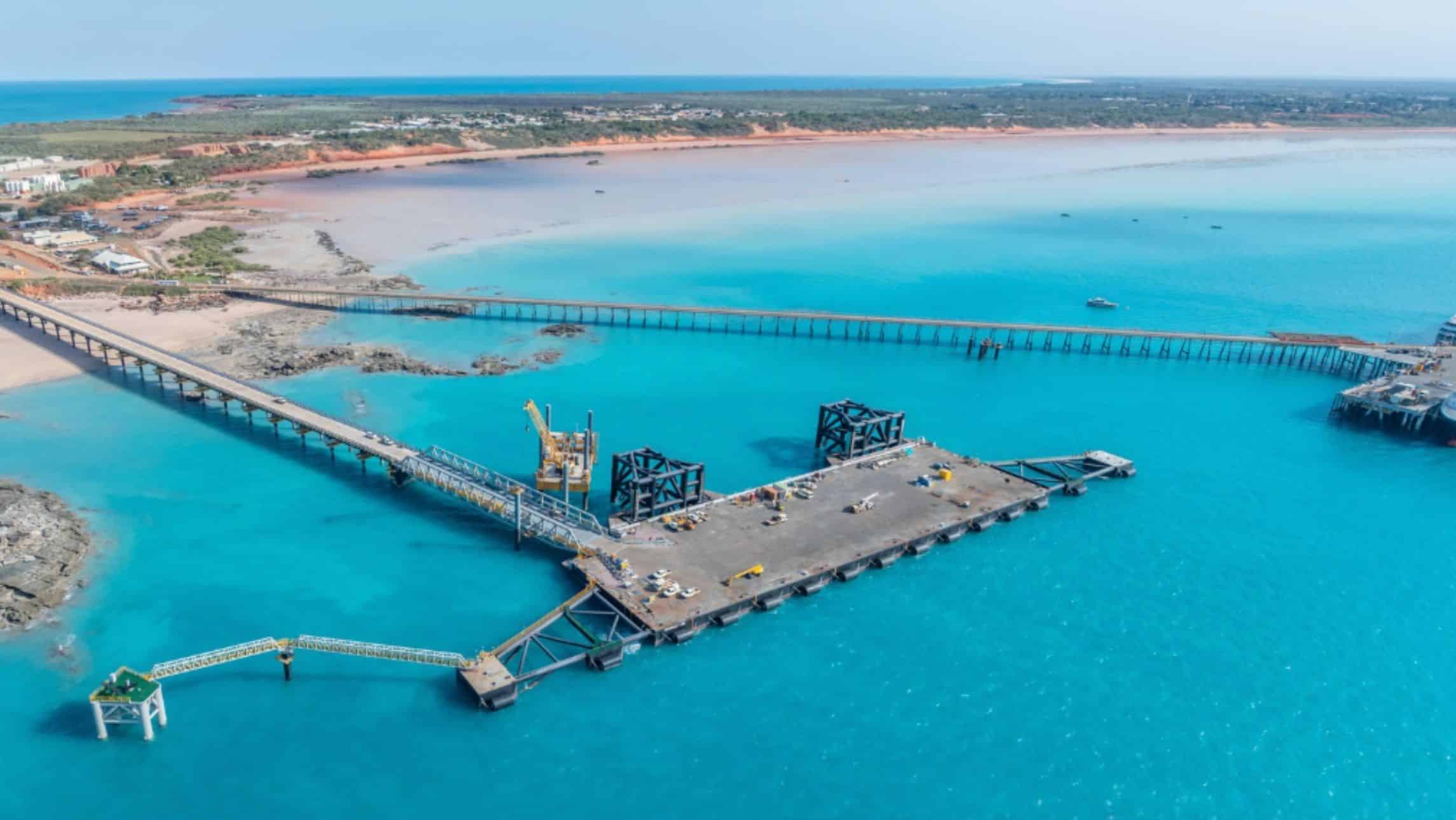
The image of Broome port, with its turquoise blue waters, encapsulates the allure of Western Australia as a cruise destination. Broome serves as a vital gateway to the Kimberley region, an area of unparalleled natural beauty and cultural significance, attracting an increasing number of cruise lines seeking unique itineraries. The workshops held in Broome, and indeed along the entire coast, are crucial for local operators to understand the specific requirements and preferences of cruise lines. This includes everything from the navigational and safety standards that cruise ships adhere to, to the logistical considerations of tendering passengers ashore and the integration of local businesses into the cruise line’s booking systems.
The success of these regional ports hinges on their ability to present a cohesive and attractive package to cruise lines. This involves not only the natural beauty of the destination but also the quality and diversity of the shore excursions offered. For instance, in Broome, potential excursions could range from sunset camel rides on Cable Beach to cultural tours exploring the region’s pearling history and Indigenous heritage, or even expeditions into the dramatic landscapes of the wider Kimberley. The workshops provide operators with insights into how to package these experiences to meet the expectations of international cruise passengers and how to effectively market them through cruise line channels.
Addressing Regulatory Hurdles and Cost Pressures
The challenges faced by Australia in attracting cruise ships are multifaceted. CLIA has pointed to regulatory complexities, which can include varying state-based maritime laws, port fees, and environmental regulations, as significant deterrents. These can add layers of complexity and cost for cruise lines compared to operating in regions with more streamlined and harmonized regulations. Furthermore, the cost of bunker fuel, port charges, and the general cost of operating in Australia can make it a more expensive destination to include in a global itinerary.
The workshops, therefore, also serve as a platform for dialogue between industry stakeholders and government representatives to identify and address these systemic issues. By understanding the specific pain points for cruise lines, local and state governments can work towards creating a more conducive operating environment. This might involve reviewing fee structures, streamlining permit processes, or investing in infrastructure upgrades that reduce operational friction for cruise ships. The commitment of $35.5 million by the Western Australian government signifies a strong recognition of the economic potential of cruise tourism and a willingness to invest in its future.
The Future Outlook
The workshops, while perhaps not garnering widespread public attention, play a pivotal role in shaping the future of cruise tourism in Australia. Their impact is directly felt by passengers on port call days, and their success is anticipated to contribute to the broader Australian cruise industry’s resurgence, leading to an increase in ship visits and longer-term commitments from cruise lines.
As Joanne Brown aptly summarized, "If you have good product and have a good welcome, it makes the decision for them to call into that port a lot easier." This principle is at the heart of the current strategic push. By equipping local businesses and communities with the knowledge and tools to excel in the cruise tourism sector, Western Australia and, by extension, Australia, aims to solidify its position as a desirable and profitable cruise destination on the global stage. The ongoing efforts to enhance port readiness, foster community engagement, and address regulatory and cost challenges are critical steps towards realizing the ambitious economic targets set forth in the coming decade. The success of these initiatives will be a testament to the collaborative spirit between industry, government, and local communities, all working towards a shared vision of a thriving cruise tourism sector.



 Anjar Salim
 Tatiana Tantri Indah Sari
 Budi Mulyono
 Lukman Taruna Persada Ramadan
