
 Gabriela Annisa
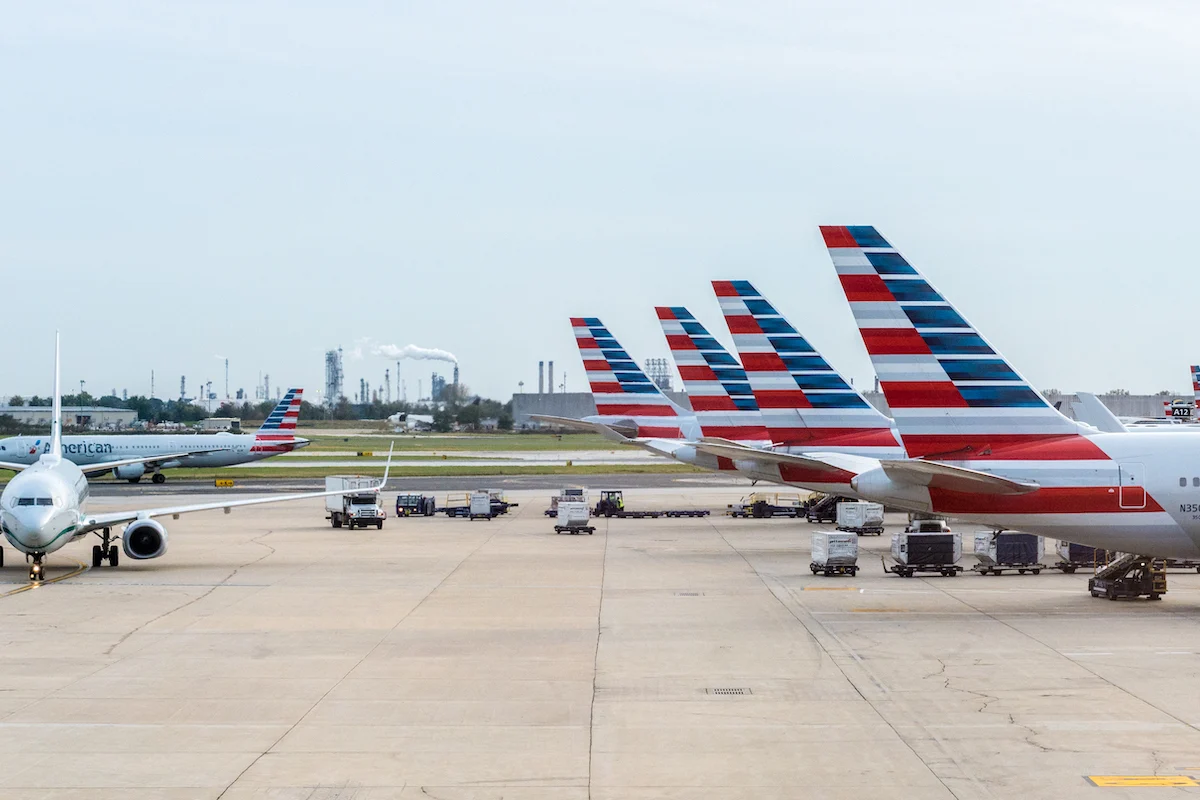
The aviation industry stands at a critical juncture as major U.S. carriers navigate a complex landscape of shifting consumer demand, evolving pricing power, and internal operational pivots. During the recent Morgan Stanley Laguna Conference, executives from American Airlines, Southwest Airlines, and United Airlines provided critical insights into the strategic direction of the sector. These disclosures, which highlight both regional successes and systemic challenges, offer a comprehensive view of how the airline industry is attempting to reconcile post-pandemic growth with the realities of a stabilizing travel economy.
The Morgan Stanley Laguna Conference has long served as a bellwether for the travel and hospitality sectors. It brings together C-suite leadership from the world’s most influential travel companies to discuss capital allocation, fleet modernization, and demand forecasting. This year, the focus was squarely on the divergence in performance between premium-heavy network carriers and those struggling to regain the margins seen during the initial "revenge travel" boom of 2022 and 2023.
The Evolving Landscape of U.S. Airline Performance
The financial performance of the airline sector in 2024 has been marked by volatility. According to data from the Skift Travel 200 (ST200), which tracks the performance of nearly 200 publicly traded travel companies, the airline index has faced headwinds as investor sentiment cooled regarding the sustainability of domestic pricing power. While international demand remains robust, domestic capacity growth—coupled with inflationary pressure on labor costs—has compressed margins across the board.
For American Airlines, the conversation at Laguna centered on its ongoing efforts to restructure its sales and distribution strategy. Having faced significant criticism from corporate travel managers for its aggressive push toward direct booking channels, American is now in a phase of recalibration. Executives emphasized the need to regain lost market share in the corporate segment, a vital engine for profitability that has been slow to recover to pre-pandemic levels.
Southwest Airlines, meanwhile, faces a different set of challenges. Historically a bastion of stability and consistent growth, the carrier is currently contending with an activist investor presence and pressure to overhaul its business model. The transition away from its traditional open-seating policy toward assigned seating is perhaps the most significant strategic shift in the airline’s history. At the conference, Southwest leadership framed these changes not as a departure from their brand identity, but as a necessary evolution to capture shifting consumer preferences for comfort and certainty.
United Airlines continues to project confidence, largely due to its focus on the premium segment. By aggressively upgrading its wide-body fleet and expanding its Polaris business class offerings, United has successfully insulated itself from some of the pricing pressure that has plagued lower-cost carriers. The "United Next" strategy remains the central pillar of their narrative, positioning the airline to capture high-yield travelers who are less sensitive to macroeconomic fluctuations.
Chronology of Strategic Pivots
To understand the current state of these airlines, one must view their recent statements in the context of the last 24 months of operational change:
- Mid-2023: Airlines begin to signal that the "revenge travel" phenomenon is normalizing. Capacity starts to outpace demand in certain domestic markets, leading to softening yield growth.
- Late 2023: American Airlines initiates a major shift in its loyalty and distribution strategy, sparking friction with travel agencies and corporate partners.
- Early 2024: Southwest Airlines faces mounting pressure from Elliott Investment Management, citing the need for structural changes to combat declining profit margins.
- Mid-2024: United Airlines reports strong international demand but acknowledges the need to manage capacity discipline to combat rising labor costs.
- September 2024: The Morgan Stanley Laguna Conference serves as the platform for all three carriers to solidify their outlooks for the remainder of the fiscal year, emphasizing cost control and operational efficiency.
Supporting Data and Market Analysis
The ST200 index provides a stark visualization of the challenges faced by the sector. Year-to-date, airline stocks have lagged behind other segments of the travel industry, such as cruise lines and theme parks, which have benefited from more predictable demand cycles.
A primary driver of this disparity is the "domestic supply glut." Throughout 2023, many carriers significantly increased capacity to meet the pent-up demand of 2022. However, as consumer spending on goods and services began to rebalance, the increased supply outstripped demand, leading to a decline in average ticket prices. For instance, Southwest’s reliance on the domestic U.S. market has made it particularly vulnerable to this supply-demand imbalance. Conversely, United’s diversified route network—with a heavy emphasis on long-haul international flights—has provided a buffer against domestic pricing volatility.
Labor costs represent the second pillar of the financial strain. Recent contract negotiations across the industry have resulted in historic wage increases for pilots and flight attendants. While these agreements provide long-term stability and operational security, they have fundamentally raised the break-even cost per available seat mile (CASM) for all major carriers. Investors are now closely monitoring how these airlines plan to offset these structural costs through revenue management and ancillary growth.
Official Responses and Strategic Outlooks
The messaging from the Laguna Conference indicates a consensus among leadership: the era of unchecked growth is over.
American Airlines executives signaled a commitment to restoring operational reliability, which suffered during the initial implementation of their new distribution strategy. By softening their approach to corporate clients, they aim to stabilize revenue streams that were previously at risk of defecting to competitors.
Southwest Airlines’ leadership maintained a focus on their "transformation plan." The move to assigned seating and the introduction of premium cabin options are expected to be multi-year projects. The airline is betting that the incremental revenue generated from these changes will eventually outweigh the costs of reconfiguring their fleet. Analysts note that this is a high-stakes gamble; if the transition is not handled with the trademark Southwest operational excellence, it risks alienating their core loyalist base without successfully attracting the premium travelers they covet.
United Airlines reiterated that their strategy is working. By leaning into the "premium-ization" of the cabin, they are attempting to move away from the commoditized nature of domestic air travel. Executives highlighted that their loyalty program, MileagePlus, remains one of the most valuable assets in the industry, providing a steady stream of high-margin cash flow that is largely independent of fluctuations in ticket pricing.
Broader Impact and Implications
The implications of these strategic shifts extend far beyond the balance sheets of individual airlines. For the traveler, the next few years will likely bring a more segmented experience. The distinction between "basic" and "premium" offerings is widening, with airlines increasingly utilizing dynamic pricing and bundled services to extract value from different consumer cohorts.
For the industry at large, the focus has shifted from expansion to optimization. The days of rapid route additions are being replaced by a focus on "network pruning"—the process of removing underperforming routes to boost overall profitability. This suggests that smaller markets may see less service in the coming years, while major hubs will continue to see increased investment in premium facilities and high-frequency service.
Investors should remain cautious. While the demand for air travel remains structurally higher than in the pre-pandemic era, the volatility of fuel prices, the burden of increased labor costs, and the need for significant capital expenditure on aircraft and technology mean that the margin for error is slim. The airlines that succeed will be those that can successfully navigate the tension between maintaining cost discipline and investing in the product differentiators that drive brand loyalty.
Ultimately, the insights shared at the Morgan Stanley Laguna Conference underscore a maturing industry. The panic of the pandemic and the subsequent euphoria of the recovery have both passed. What remains is a cold-eyed focus on operational efficiency, premium product differentiation, and the necessity of managing capacity in a way that protects margins. Whether American’s distribution reset, Southwest’s brand evolution, or United’s premium-focused strategy will yield the greatest returns remains the central question for the industry’s stakeholders. As the final quarter of the year approaches, all eyes will be on how these airlines execute their plans in the face of an evolving global economic climate.




 Lukman Taruna Persada Ramadan

 Tatiana Tantri Indah Sari

 Anjar Salim


 Dwi Wanna
