
 Gabriela Annisa
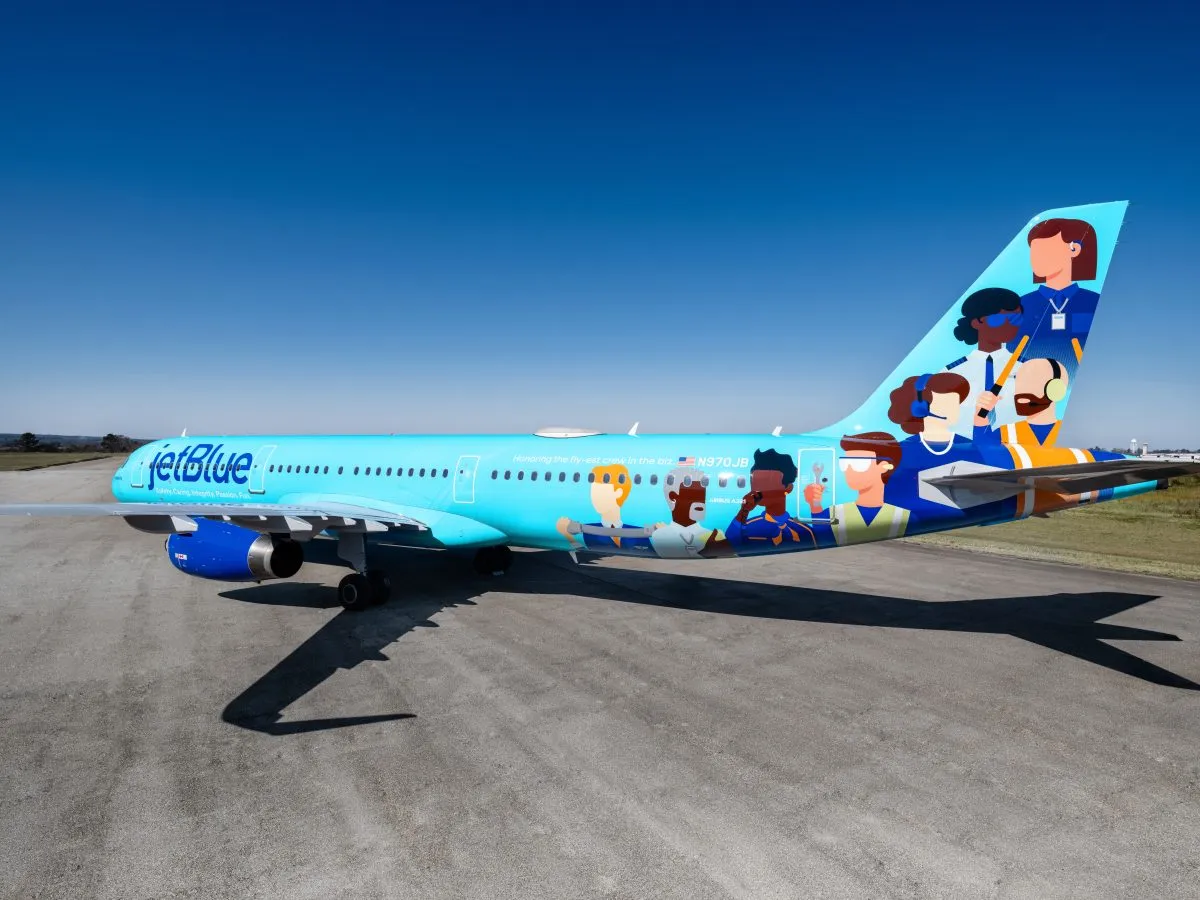
The global aviation industry is currently navigating a paradoxical fiscal environment characterized by robust passenger demand and record-breaking revenue figures that are simultaneously failing to offset an aggressive escalation in operational costs. Despite a post-pandemic surge in travel spending, major carriers are finding that their bottom lines are under mounting pressure from inflation, elevated labor costs, and significant logistical bottlenecks. This fiscal tension is perhaps best exemplified by the recent financial guidance provided by JetBlue Airways, which has served as a bellwether for the broader challenges facing the domestic and international aviation sectors. As the Skift Travel 200 (ST200) index tracks the performance of nearly 200 travel companies, the data suggests that the sector is entering a period of recalibration where top-line growth no longer guarantees healthy margins.
The Financial Disconnect: Revenue vs. Expenses
For the better part of two years, the narrative surrounding the airline industry focused on the “revenge travel” phenomenon—the idea that consumers, starved of experiences during the COVID-19 pandemic, would prioritize travel above all other discretionary spending. This trend held true, with airlines reporting historic revenue highs throughout 2023 and into early 2024. However, the cost side of the ledger has expanded at a rate that threatens to outpace these gains.
The primary culprits behind this margin compression are multifaceted. Labor costs, bolstered by aggressive new collective bargaining agreements, have risen significantly as airlines seek to stabilize their workforces following the mass retirements of 2020. Simultaneously, the cost of maintenance, repair, and overhaul (MRO) services has spiked due to supply chain shortages, particularly in the sourcing of spare parts and specialized engine components. Furthermore, the persistent volatility in global fuel prices continues to act as an unpredictable variable that disrupts even the most conservative hedging strategies. When these factors are aggregated, it becomes evident that airlines are essentially running faster just to stay in the same place.
Chronology of Current Airline Sector Trends
The path to the current climate can be traced back to the initial recovery phase in 2021 and 2022, which was marked by capacity constraints and operational meltdowns.
- Mid-2022: As travel demand returned to pre-pandemic levels, airlines struggled to scale operations. The "operational reliability" crisis led to thousands of cancellations, forcing carriers to invest heavily in staffing and overtime pay.
- Early 2023: Airlines focused on "capacity discipline," a strategy designed to prevent oversupply and maintain higher ticket prices. This led to a record-breaking summer season, but also exposed the fragility of the aviation supply chain.
- Late 2023: Significant labor contracts were ratified across the industry, notably among pilots and ground staff. While necessary for long-term stability, these agreements fundamentally increased the baseline cost of operations.
- Early 2024: The industry faced a "cooling off" period where the hyper-growth of the previous year began to taper, yet fixed costs remained locked in at their higher levels.
- Current Quarter: The spotlight has shifted to efficiency. Carriers are now pivoting from growth-at-all-costs to margin protection, as evidenced by the strategic adjustments announced by airlines like JetBlue.
Analyzing the JetBlue Outlook
JetBlue’s recent market update has provided critical insight into the structural challenges facing the industry. By acknowledging that its current cost structure is unsustainable relative to its current revenue yield, the carrier has signaled a shift in strategy. This shift involves a rigorous review of network profitability, the reduction of underperforming routes, and a renewed focus on core markets.
The implication for the wider industry is clear: the era of broad expansion is likely being replaced by a period of hyper-targeted optimization. Investors are increasingly penalizing airlines that prioritize market share over margin. Analysts suggest that the JetBlue model—which emphasizes premium product offerings and a distinct brand identity—is particularly susceptible to economic shifts because its cost base is significantly higher than that of ultra-low-cost carriers, yet it competes for a passenger base that is becoming increasingly price-sensitive.
Supporting Data: The Skift Travel 200 Perspective
The Skift Travel 200 (ST200) serves as a vital tool for understanding the sector’s health. By aggregating the performance of network carriers, low-cost carriers, and travel-tech entities, the index provides a macro view of industry resilience. As of the most recent reporting period, the index indicates that while travel demand remains resilient, the valuation of airline stocks has lagged behind the broader market indices.
The disconnect is largely attributed to the "margin squeeze." While revenue per available seat mile (RASM) has remained strong, the cost per available seat mile (CASM)—specifically excluding fuel—has risen across the board. This indicates that the core operating costs of running an airline have structurally increased. When factoring in the ST200, which reflects a trillion-dollar industry, the data underscores a critical reality: investors are waiting for proof that carriers can successfully pass these increased costs to consumers without triggering a decline in load factors.
Official Responses and Industry Sentiment
While industry executives rarely comment on the internal strategies of their competitors, the consensus from earnings calls and investor conferences points toward a shared sentiment of caution. Leadership teams at major carriers have consistently noted that the "pricing power" observed in 2023 is beginning to normalize.
"We are moving into a phase where the consumer is becoming more discerning," noted one industry analyst, who requested anonymity to speak candidly about market trends. "Airlines can no longer rely on ‘pent-up demand’ to drive pricing. They now have to compete on operational efficiency and product value, which is significantly harder when your labor and maintenance costs are at all-time highs."
The International Air Transport Association (IATA) has also recently cautioned that while industry profits are returning, they remain razor-thin compared to the massive capital requirements of the aviation business. The message from the trade body is that the industry is vulnerable to macroeconomic shocks, and that the margin for error has all but vanished.
Broader Impact and Implications
The inability of record revenues to generate commensurate profitability has profound implications for the passenger experience and the future of aviation competition.
- Capacity Contraction: Airlines will likely continue to trim their flight schedules, particularly on routes that do not meet strict profitability thresholds. This could lead to a reduction in service for smaller or secondary markets.
- Ancillary Revenue Focus: To recoup margins, airlines are likely to double down on ancillary revenue streams. Expect further unbundling of services, higher fees for premium seating, and more aggressive loyalty program monetization.
- Fleet Modernization: The pressure to lower fuel consumption and maintenance costs will accelerate the push toward newer, more efficient aircraft. However, the ongoing manufacturing delays at major aerospace OEMs mean that airlines are trapped between needing new, efficient planes and having to fly older, more expensive-to-maintain fleets.
- Consolidation Pressures: As smaller or mid-tier carriers struggle to maintain margins, the potential for industry consolidation remains a focal point for regulators and investors alike. The narrative is increasingly shifting toward whether the market can support the current number of players, or if a reduction in competition is inevitable to ensure the long-term viability of the sector.
Conclusion: A New Standard for Success
The aviation industry is transitioning from a post-pandemic recovery narrative to a new, more sober reality. The record revenues of the recent past have set a high bar, but the persistent rise in structural costs has created a new floor that is increasingly difficult to clear. For airlines, the challenge moving forward is not just to capture demand, but to capture it profitably.
As demonstrated by the performance metrics in the Skift Travel 200, the companies that will emerge as the leaders in this new phase are those that can successfully manage their internal cost structures while maintaining a product offering that justifies premium pricing. The industry is no longer in a race to return to 2019 levels; it is in a race to build a sustainable business model that can withstand the high-cost, high-pressure environment of the mid-2020s. Whether this leads to a healthier, more consolidated industry or a period of prolonged instability remains the central question for stakeholders across the aviation sector.



 Tatiana Tantri Indah Sari

 Dwi Wanna

 Anjar Salim

 Lukman Taruna Persada Ramadan

 Budi Mulyono
