
 Tatiana Tantri Indah Sari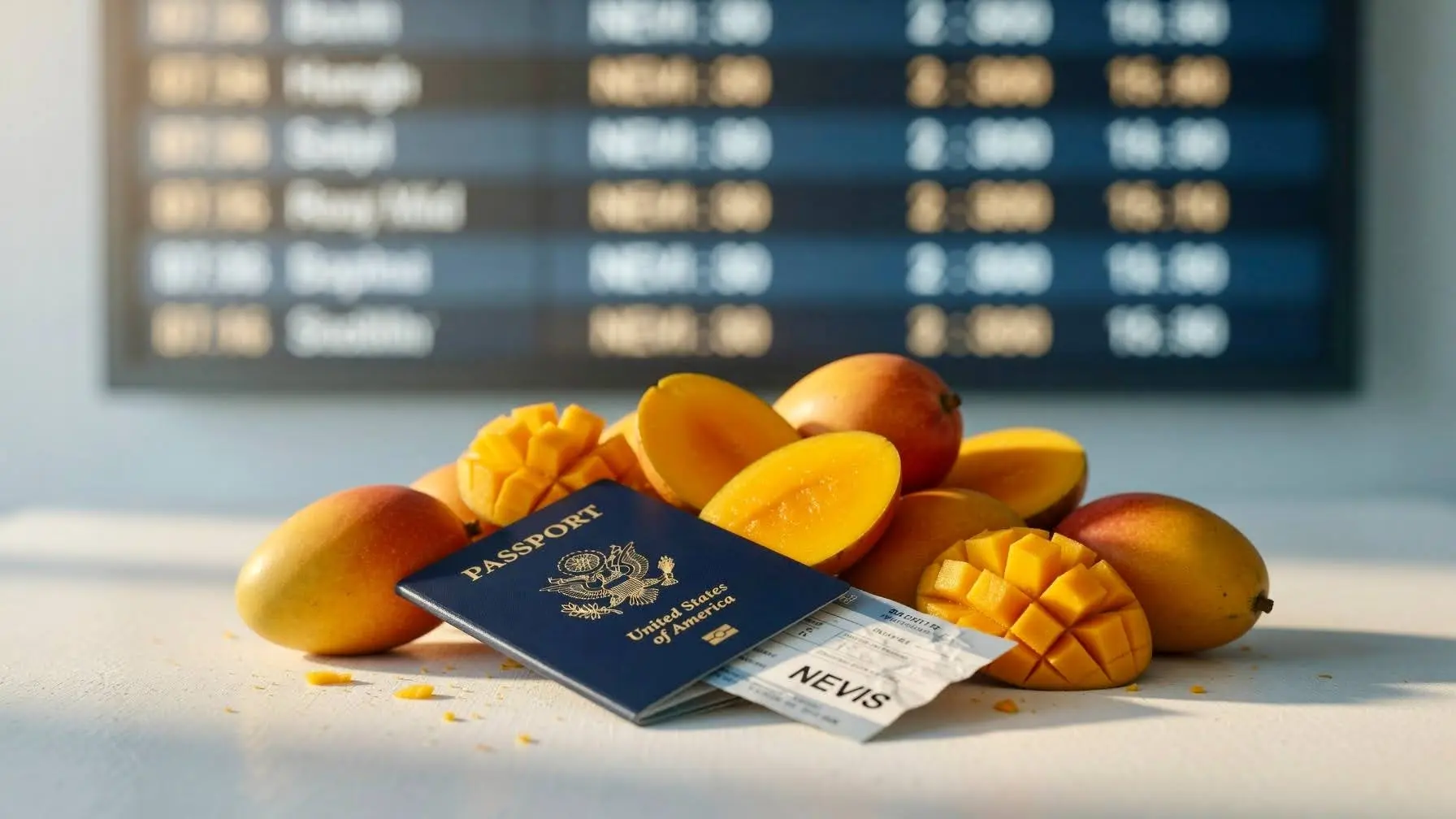
The Unseen Barrier: A Personal Ordeal
The narrative of a planned leisure trip to the Nevis Mango Festival, intended as a unique five-day father-son solo adventure, highlights the profound impact of this missing readiness layer. The trip, meticulously planned and eagerly anticipated by an 11-year-old and his father, was abruptly cancelled the night before departure. The cause was the discovery, during online check-in, that the son’s U.S. passport had expired precisely ten days prior to the scheduled flight. This revelation came without any preceding warning from the airline, the booking platform, or any other point in the transaction chain, from the initial ticket purchase to the final attempt to check in. The immediate consequence was not merely the cancellation of flights and accommodation but the irretrievable loss of a unique bonding experience and the memories that were meant to be created.
The emotional toll of such an event is often underestimated. For a child, the disappointment of a cancelled special trip can be profound, fostering a sense of frustration and confusion. For the parent, beyond the financial implications, there is the burden of guilt, the logistical nightmare of unravelling bookings, and the weight of dashed expectations. This incident, far from being an isolated anomaly, resonates with countless other travelers who have shared similar experiences, often responding with a "knowing nod" and the observation that "it happened to them too." This commonality, while offering a semblance of shared experience, ironically masks the systemic failure that perpetuates such avoidable setbacks.
The "Readiness Gap" Explained
The existing framework of the travel industry effectively manages several key stages:
- Issuance: The booking and ticketing process, where travel products (flights, hotels, tours) are issued.
- Verification: Checks conducted, typically at the point of departure (e.g., airport check-in, immigration), to confirm traveler identity and document validity.
- Conversion: The financial transactions involved in booking and payment.
What is conspicuously absent is a robust "readiness layer." This hypothetical but essential layer would encompass proactive, intelligent, and integrated checks designed to ensure that a traveler is fully prepared and eligible for their journey before the critical, often non-refundable, stages of travel commence. It would involve:
- Proactive Document Validity Alerts: Automated systems linked to national passport databases (with appropriate privacy safeguards) that notify travelers well in advance of impending passport expirations relative to booked travel dates.
- Real-time Visa Requirement Checks: Dynamic tools that assess visa requirements based on nationality, destination, transit points, and purpose of travel, alerting travelers to necessary applications and deadlines.
- Health and Entry Requirement Updates: Information on vaccination mandates, COVID-19 testing protocols, or specific health declarations required by destination countries, updated continuously.
- Personalized Travel Advisories: Tailored information regarding local customs, safety concerns, or specific regulations relevant to the traveler’s itinerary.
The absence of this layer means that while travelers can seamlessly book, pay, and even begin the verification process online, critical prerequisites like valid travel documents are often only flagged at the eleventh hour, or worse, upon arrival at the airport. This places the entire burden of navigating complex international travel regulations, varying entry requirements, and personal document management squarely on the individual, transforming potential oversight into costly and disruptive failures.
A Widespread Phenomenon: Beyond One Incident
The notion of a missed trip due to document issues as a "rite of passage" is a dangerous normalization of systemic inefficiency. It implies that the current system is functioning as intended, and the lesson learned through financial loss and emotional distress is a necessary educational experience. However, a functioning system should prevent, or at least mitigate, such foreseeable problems.
While precise global statistics on travel cancellations due to expired passports or incorrect visas are challenging to aggregate, industry data points to a significant problem. A 2019 study by a major travel insurance provider indicated that a notable percentage of claims were related to unforeseen travel disruptions, with document-related issues being a recurring factor, even if not always the primary claim reason. Furthermore, national passport agencies in countries like the United States and the United Kingdom process millions of passport renewals annually, with a substantial number occurring close to expiration dates, suggesting that many citizens might not be tracking these dates against their future travel plans. For instance, the U.S. State Department processes over 20 million passport applications and renewals each year, a large portion of which are prompted by upcoming travel. Without integrated reminders, it’s easy for travelers to overlook an expiration date that occurs between booking and departure.
The financial implications are substantial. For travelers, non-refundable flights, accommodation, and tour packages can amount to thousands of dollars. According to some estimates, the average international trip can cost upwards of $3,000-$5,000 per person, with significant portions often lost in the event of a last-minute cancellation. For the travel industry, these incidents represent lost revenue from cancelled bookings, the administrative burden of processing refunds (if applicable), and a potential erosion of customer trust and loyalty. The International Air Transport Association (IATA) continually emphasizes the importance of accurate passenger data and document validity for efficient operations, highlighting the costs associated with denied boardings and repatriations, which can run into the thousands of dollars per incident for airlines.
The Chronology of a Missed Opportunity
Consider a typical travel planning timeline and where a readiness layer could intervene:
-
6-12 Months Before Departure (Planning & Booking):
- Traveler Action: Inspiration, destination research, flight and hotel booking.
- Current System: Tickets purchased, payment processed. No automated check on passport validity against trip dates or visa requirements. Disclaimers about traveler responsibility are typically buried in terms and conditions.
- Readiness Layer Intervention: At the point of booking, an integrated system flags the son’s passport expiration date (e.g., "Passport expires 10 days before return date; many countries require 6 months validity beyond travel. Please renew.") or alerts to potential visa requirements for Nevis for U.S. citizens.
-
3-6 Months Before Departure (Anticipation & Minor Preparations):
- Traveler Action: Discussing itinerary, minor purchases, building excitement.
- Current System: Silence. No reminders.
- Readiness Layer Intervention: Automated email/app notification: "Reminder: Your son’s passport is due to expire in [X] months. Please verify renewal status."
-
1 Month Before Departure (Pre-Trip Logistics):
- Traveler Action: Packing lists, final itinerary checks, perhaps online research about the Nevis Mango Festival.
- Current System: Still no proactive alerts.
- Readiness Layer Intervention: A final, prominent alert: "URGENT: Your son’s passport expires on [Date], which is 10 days before your flight. Immediate action required. Contact passport agency/embassy."
-
Night Before Departure (Online Check-in):
- Traveler Action: Attempting online check-in.
- Current System (as experienced): System flags expired passport. Trip cancelled.
- Readiness Layer Intervention: This stage would ideally never be reached with an expired document, or at least the traveler would have been fully aware and made alternative arrangements or attempted expedited renewal.
This timeline clearly illustrates that the "failure" is not solely the traveler’s oversight but a cascade of missed opportunities for intervention by the very systems designed to facilitate travel.
Industry Perspectives and Current Practices
The reluctance or inability of the travel industry to implement a comprehensive readiness layer stems from a combination of factors:
-
Airlines: Their primary legal stance is that it is the passenger’s sole responsibility to possess valid travel documents. While airlines collect Advance Passenger Information System (APIS) data, this is typically done closer to departure and primarily for security and immigration purposes, not as a proactive traveler readiness tool. Implementing real-time global document checks is technically complex due to varying national regulations, data privacy laws, and the lack of a universally accessible, standardized database for passport validity and visa requirements. Furthermore, the liability for providing incorrect advice or an erroneous "all clear" could be significant.
-
Online Travel Agencies (OTAs) and Booking Platforms: These entities often act as aggregators and facilitators. Their business model focuses on seamless booking and competitive pricing. While they often include disclaimers about traveler responsibility for documents, integrating a dynamic, real-time readiness layer requires significant investment in technology, data partnerships with governments or specialized vendors, and navigating complex legal frameworks. The incentive to invest heavily in a feature that could be perceived as outside their core service offering is often low, especially if it adds friction to the booking process.
-
Government Agencies: Passport issuing authorities do send renewal notices, but these are independent of specific travel plans and often generic. While they possess the critical data, sharing it with private travel entities on a real-time, integrated basis raises significant data privacy and national security concerns, making seamless API integration a distant prospect without substantial policy shifts and robust security protocols.
-
Travel Insurance Companies: Most standard travel insurance policies offer coverage for trip cancellations due to unforeseen circumstances, but often explicitly exclude issues arising from a traveler’s failure to possess valid documents or obtain necessary visas, deeming it a "preventable" cause. While some premium policies might offer limited "cancel for any reason" options, these come at a higher cost and still do not address the systemic issue of pre-departure readiness.
The Call for a Smarter System
The existing paradigm is unsustainable in an increasingly interconnected and complex world. The fragmented nature of travel information and the siloed responsibilities create unnecessary friction and frustration. A smarter, more integrated system is not merely desirable but essential for the future of travel.
Technological advancements offer promising avenues:
- AI-driven Predictive Analytics: AI and machine learning could analyze travel patterns, historical data, and individual profiles (with consent) to predict potential document issues and proactively trigger alerts.
- Secure API Integration: While challenging, secure, consent-based APIs between passport authorities, airlines, and booking platforms could enable real-time verification of document validity without compromising privacy. This could be facilitated by trusted third-party aggregators or blockchain solutions.
- Digital Travel Wallets/Verified Traveler Profiles: The concept of a digital identity wallet where travelers securely store verified personal and travel document information (passports, visas, vaccination records) could allow for automated pre-checks against itinerary requirements. Initiatives like IATA Travel Pass are steps in this direction, though primarily focused on health credentials.
- Blockchain Technology: Could offer a decentralized, secure, and transparent way to manage and verify travel documents, ensuring data integrity and enabling controlled sharing with authorized entities.
Economic and Social Implications
Implementing a robust readiness layer would have significant positive implications:
- Reduced Financial Losses: Both for travelers (fewer lost bookings) and the industry (fewer cancellations, re-bookings, denied boardings). This could lead to greater traveler confidence and increased willingness to book in advance.
- Enhanced Traveler Experience: A smoother, less stressful pre-trip process would foster greater trust in travel providers and improve overall customer satisfaction, leading to repeat business and positive recommendations.
- Improved Operational Efficiency: Airlines and airports would experience fewer last-minute issues, streamlining check-in and boarding processes.
- Shared Responsibility: A shift from placing the entire burden on the traveler to a model where the industry plays a more active role in guiding and assisting, ultimately benefiting all stakeholders.
- Data-Driven Innovation: The insights gained from a readiness layer could inform personalized travel services, targeted offers, and more resilient travel infrastructure.
The journey from a "rite of passage" to a seamless journey requires a paradigm shift. It demands industry-wide collaboration, technological innovation, and a collective commitment to prioritizing the traveler’s experience and readiness. While data privacy and regulatory hurdles are significant, the growing volume of international travel and the increasing complexity of entry requirements make the current fragmented approach untenable. The incident of the expired passport for the Nevis trip is not just a personal anecdote; it is a clarion call for the travel industry to finally own the readiness layer, transforming potential failures into assured successes for millions of travelers worldwide.




 Anjar Salim
 Chandra Hamzah
 Budi Mulyono
 Lukman Taruna Persada Ramadan
