
 Tatiana Tantri Indah Sari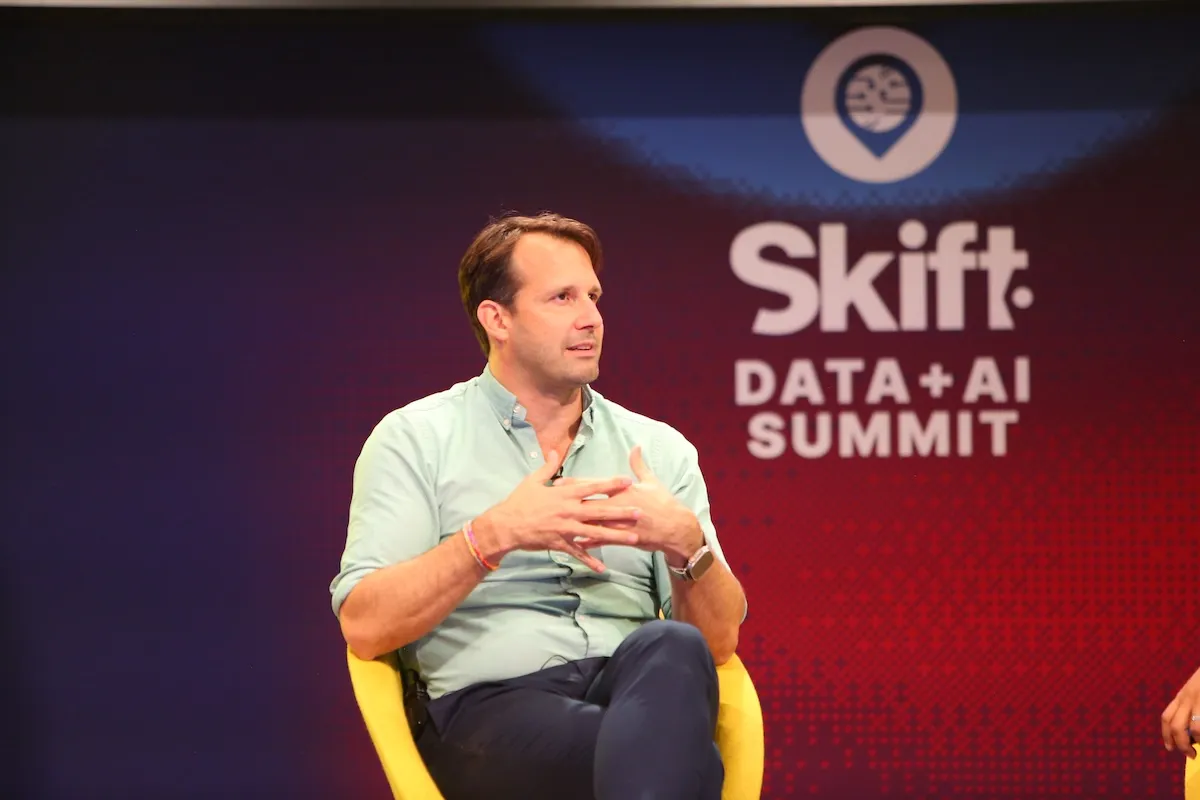
Mews, a leading cloud-based property management system (PMS) provider for the hospitality industry, is undertaking its most significant organizational restructuring since the pandemic, announcing a 15% reduction of its approximately 1,350-person global workforce. The company’s founder and CEO, Richard Valtr, attributes these cuts directly to the transformative impact of artificial intelligence (AI), stating that AI has rendered many traditional roles obsolete by empowering individual employees to achieve significantly more. This strategic pivot aims to accelerate Mews’ adaptation to an evolving industry landscape, though it comes with the challenge of maintaining and enhancing client relationships with a streamlined team.
The AI Imperative: A Strategic Restructuring at Mews
The decision to cut roughly 200 positions marks a decisive shift in Mews’ operational strategy. Valtr elaborated on the rationale behind the restructuring in an interview, highlighting the need to align the company’s structure with the realities of an industry increasingly shaped by advanced technology. "We’re looking at the reality of where the industry is shifting to, where we need to be in a few years time, and trying to accelerate that process of transforming ourselves as a company," Valtr explained. He candidly acknowledged the human cost, noting, "And unfortunately, that does impact a number of different roles built for an era that is ceasing to exist, because of the fact that a singular employee can do so, so much more with AI."
For years, Mews, like many rapidly growing tech companies, organized its work into specialized, functional teams. This traditional model involved projects being passed sequentially from one specialist team to another—a process often characterized by "handoffs" that could introduce delays and inefficiencies. Valtr contends that AI capabilities now enable employees to "own more of the work," reducing the need for these handoffs and increasing individual productivity across various functions, from development and customer support to sales and marketing. This fundamental change in workflow necessitated a re-evaluation of the company’s staffing requirements and organizational design.
Mews’ Journey: From Startup to Industry Leader
Mews was founded in 2012 by Richard Valtr and Matthijs Welle with the vision of modernizing hotel operations. Frustrated by the limitations of legacy property management systems, Valtr, then a hotelier himself, sought to create a cloud-native platform that could offer greater flexibility, automation, and a superior guest experience. The company quickly gained traction, distinguishing itself through its open API architecture, user-friendly interface, and comprehensive suite of features designed to streamline front office, back office, and guest-facing operations.
Early Vision and Growth: In its nascent years, Mews focused on displacing entrenched, on-premise systems with a agile, cloud-first solution. This approach resonated with a growing segment of independent hotels and innovative hotel groups seeking to digitalize their operations. The company secured significant funding rounds from prominent investors, including Battery Ventures, Salesforce Ventures, and PeakSpan Capital, fueling its rapid expansion across Europe, North America, and beyond. These investments allowed Mews to scale its product development, sales, and customer support teams, leading to its current global footprint serving thousands of properties.
Navigating the Digital Transformation: The hospitality industry, historically slow to adopt new technologies, experienced an accelerated pace of digital transformation, particularly in the wake of the COVID-19 pandemic. As hotels grappled with reduced staffing, increased demand for contactless services, and the need for greater operational efficiency, cloud-based PMS solutions like Mews became indispensable. The pandemic underscored the value of flexible, remote-accessible systems and data-driven insights, driving significant growth for companies at the forefront of hospitality tech. Mews capitalized on this trend, expanding its market share and integrating with a vast ecosystem of third-party applications, solidifying its position as a critical infrastructure provider for modern hoteliers.
The Catalyst: AI’s Transformative Power
The current restructuring at Mews is not merely a cost-cutting measure but a proactive response to the profound technological shifts brought about by artificial intelligence, especially generative AI. While AI has been integrated into various software solutions for years, the recent advancements in large language models (LLMs) and other AI tools have dramatically expanded their capabilities, allowing for automation of complex tasks that previously required human intervention.
Redefining Workflows and Roles: Mews’ internal analysis, as articulated by Valtr, concluded that many roles designed for a sequential, handoff-heavy workflow are now redundant. For instance, AI can significantly enhance productivity in areas such as:
- Software Development: AI-powered coding assistants can generate code, debug, and suggest improvements, accelerating development cycles and reducing the need for multiple layers of review.
- Customer Support: AI chatbots and intelligent knowledge bases can handle a high volume of routine inquiries, freeing human agents to focus on complex issues. AI can also assist human agents by providing instant access to relevant information and drafting responses.
- Marketing and Content Creation: Generative AI tools can produce marketing copy, social media content, and internal documentation, streamlining content workflows.
- Data Analysis and Reporting: AI can quickly process vast datasets, identify trends, and generate actionable insights, automating tasks traditionally performed by data analysts.
- Sales Enablement: AI can assist in lead qualification, personalize outreach, and generate sales proposals, enhancing the efficiency of sales teams.
This paradigm shift means that a "singular employee," equipped with advanced AI tools, can perform tasks that previously required the coordination of multiple individuals or teams. This increased individual capacity directly impacts the required headcount for various departments, leading to the difficult decision to reduce staff.
The CEO’s Vision for a New Era: Valtr’s vision extends beyond mere efficiency gains; it’s about fundamentally re-architecting how Mews operates and delivers value. He foresees a future where the company’s internal structure mirrors the agility and integration it offers its hotel clients. By empowering employees with AI, Mews aims to create a more autonomous and efficient workforce, capable of addressing broader scopes of work and adapting more quickly to market demands. This move positions Mews at the forefront of a growing trend in the tech industry, where companies are re-evaluating their organizational designs in light of AI’s burgeoning capabilities.
Industry Context: AI in Hospitality Tech
Mews’ restructuring is not an isolated event but indicative of a broader trend reshaping the global tech landscape, including the specialized sector of hospitality technology. Reports from leading consulting firms like McKinsey, PwC, and Gartner consistently highlight AI as a major disruptor, capable of driving unprecedented productivity gains but also leading to significant shifts in workforce requirements.
Productivity Gains and Market Shifts: Studies suggest that AI adoption can boost productivity by 10-30% in various sectors, with some estimates indicating even higher potential for specific tasks. For hospitality tech providers, this translates into faster product development cycles, more efficient customer service operations, and more targeted sales and marketing efforts. The competitive landscape demands that companies leverage these tools to innovate faster and deliver more value to clients. Companies that fail to adapt risk being outmaneuvered by more agile, AI-powered competitors. The investment in AI is no longer a luxury but a necessity for maintaining a competitive edge and driving sustainable growth.
The Evolving Workforce: The integration of AI into business processes inevitably leads to an evolution of job roles. While some roles may become obsolete, new ones emerge, often requiring different skill sets focused on AI management, data interpretation, and human-AI collaboration. The World Economic Forum’s "Future of Jobs Report" consistently projects significant job displacement due to automation and AI, alongside the creation of new roles requiring advanced technological literacy and soft skills. Mews’ decision reflects this global trend, necessitating a strategic workforce planning approach that anticipates future skill demands and optimizes human capital in an AI-augmented environment. The challenge for companies like Mews, and indeed for the entire tech industry, is to manage this transition responsibly, providing support for affected employees while investing in the development of new skills for their remaining workforce.
Immediate Impacts and Stakeholder Reactions
The announcement of significant layoffs, even when driven by strategic technological shifts, invariably triggers a range of reactions from internal and external stakeholders.
Support for Affected Employees: While Mews’ CEO emphasized the strategic necessity of the restructuring, the company also communicated its commitment to supporting affected employees. Typically, such support packages include severance pay, extended health benefits, outplacement services, and assistance with job searches. These measures are crucial for mitigating the immediate impact on individuals and preserving the company’s reputation as a responsible employer, even during difficult transitions. The objective is to facilitate a smooth transition for departing employees while reassuring the remaining workforce about the company’s future direction and commitment to their well-being.
Analyst Perspectives on the Move: Industry analysts generally view such moves by established tech companies as a double-edged sword. On one hand, they signal a bold, forward-thinking approach to leveraging AI for operational efficiency and competitive advantage. "This move by Mews is a clear indicator that AI is moving beyond theoretical discussions into practical, workforce-impacting applications," stated a prominent hospitality tech analyst, requesting anonymity due to ongoing client relations. "It demonstrates a willingness to make tough decisions to secure long-term viability and innovation leadership." Analysts often point to the potential for increased profitability, faster product iteration, and more agile market responses as benefits of such a lean structure.
On the other hand, there are concerns about the potential impact on company culture, employee morale, and, crucially, customer relationships. "The challenge for Mews will be to ensure that these efficiencies don’t come at the cost of service quality or the human touch that many clients still value," the analyst added. "The promise is ‘bringing hotels closer,’ but the risk is leaving them with less personalized support or a feeling of being deprioritized." This sentiment directly echoes the central challenge posed in the article’s title. Maintaining strong client relationships, particularly in a service-oriented industry like hospitality, often relies on consistent human interaction and bespoke problem-solving.
Looking Ahead: Implications for Mews and the Industry
Mews’ restructuring represents a significant inflection point, not only for the company itself but potentially for the broader hospitality tech sector. The success of this strategy will depend on several critical factors and will have far-reaching implications.
Operational Efficiency vs. Human Touch: The core challenge for Mews, as encapsulated in the title, is to demonstrate that a leaner, AI-augmented structure can genuinely enhance, rather than diminish, its engagement with hotel clients. The promise of removing "handoffs that once slowed work and hurt margins" implies faster problem resolution, more proactive support, and more efficient product delivery. However, the human element in client success, sales, and complex problem-solving remains vital. Mews will need to strategically deploy its remaining human talent to focus on high-value interactions, relationship building, and strategic consulting, while AI handles the more routine and data-intensive tasks. The transition must be carefully managed to ensure that hotels perceive enhanced value and not merely reduced headcount.
The Future of Work in Hospitality Tech: Mews’ decision could serve as a bellwether for other companies in the hospitality tech space and the broader software industry. As AI capabilities continue to advance, more organizations may follow suit, re-evaluating their staffing models and organizational structures. This trend will necessitate a greater emphasis on upskilling and reskilling existing employees to work effectively alongside AI tools, fostering a workforce that is adaptable and technologically proficient. The roles that remain will likely be more strategic, creative, and focused on human-centric skills that AI cannot replicate, such as empathy, critical thinking, and complex problem-solving.
Mews’ Challenge: Proving Value in a Leaner Model: For Mews, the task now is to rigorously prove that this leaner model translates into tangible benefits for its hotel partners. This means demonstrating:
- Improved Product Innovation: Faster development cycles and more intelligent features driven by AI.
- Enhanced Customer Experience: Quicker resolution times, proactive support, and personalized insights powered by AI, while ensuring critical human support remains accessible and high-quality.
- Greater Operational Agility: The ability to adapt more rapidly to market changes and client needs.
- Stronger Client Relationships: Proving that a more efficient internal structure allows the remaining team to dedicate more focused, higher-value time to strategic client engagement, rather than administrative tasks.
The success of Mews’ bold move will ultimately be measured by its ability to deliver on these promises. The hospitality industry, while embracing technology, still values strong partnerships and reliable support. Mews must navigate this transition with transparency and a clear demonstration of how AI, when properly integrated, can indeed bring hotels closer to their technology partners, fostering greater efficiency and success without sacrificing essential human connection. The coming months will reveal how effectively Mews can translate its strategic vision into operational reality and set a precedent for the future of work in the AI era.




 Anjar Salim
 Chandra Hamzah
 Budi Mulyono
 Lukman Taruna Persada Ramadan
