
 Gabriela Annisa
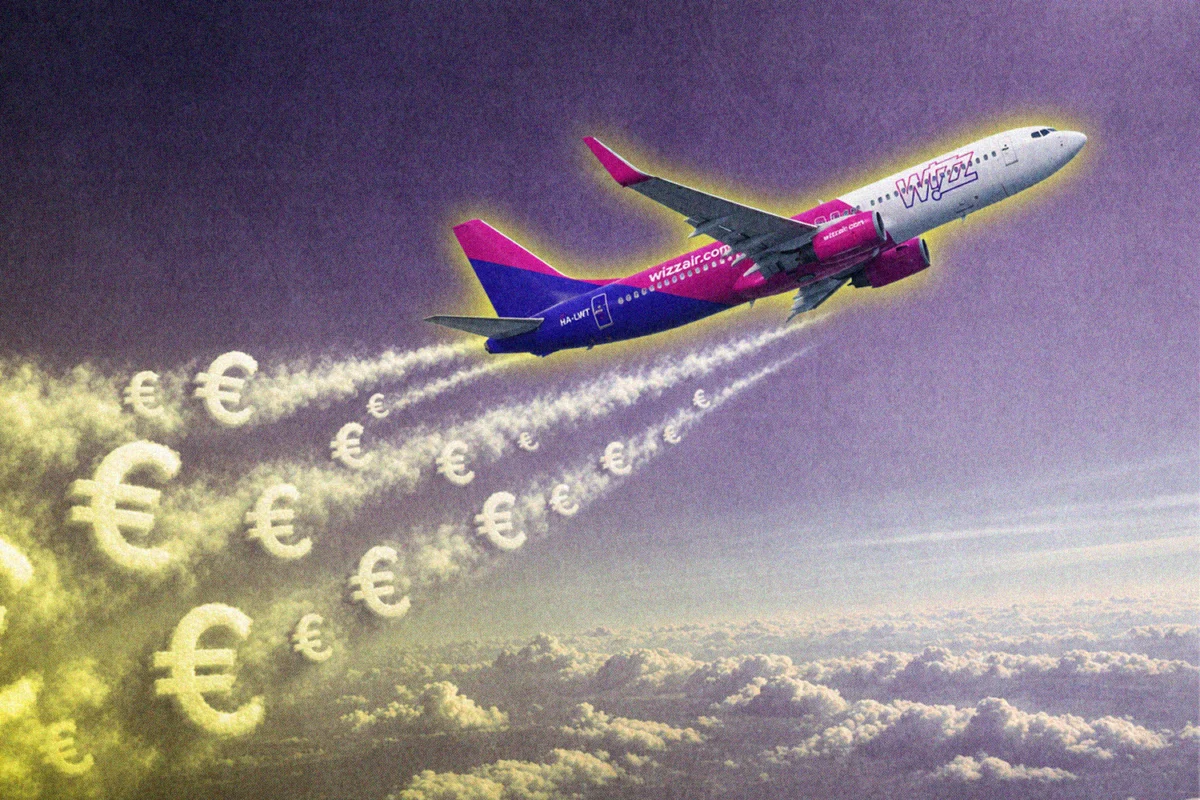
The aviation sector currently finds itself locked in a volatile struggle against energy markets as fuel prices persist at levels that threaten to erode the thin margins characteristic of the low-cost carrier (LCC) model. As October looms, Wizz Air—a titan of the ultra-low-cost segment known for its aggressive capacity expansion—faces a pivotal juncture. The carrier’s operational philosophy, predicated on the twin engines of cheap jet fuel and relentless growth, is being stress-tested by a macroeconomic climate that feels increasingly reminiscent of the pre-recession volatility seen in 2008.
The Anatomy of an Energy Crisis
Airlines have historically viewed fuel price spikes through two distinct historical lenses: the 2008 demand collapse and the 2015 supply bonanza. In 2008, a sudden, sharp rise in oil prices, compounded by the global financial crisis, decimated discretionary travel spending, leading to a profound contraction in airline demand. Conversely, the 2015 scenario was characterized by a sudden increase in oil production, which flooded the market and drastically lowered input costs for carriers, fueling a period of unprecedented profitability and fleet modernization.
For Wizz Air, the current environment lacks the relief of the 2015 supply surge. Instead, the industry is grappling with persistent inflationary pressures that have driven jet fuel prices to levels that challenge the viability of the "ultra-low" fare structure. Because Wizz Air relies on a high-volume, low-margin model, any sustained increase in fuel costs must either be passed on to the passenger—potentially dampening demand—or absorbed, which directly impacts the bottom line and complicates the carrier’s ambitious capital expenditure programs.
A Chronology of Wizz Air’s Expansionist Strategy
To understand why Wizz Air is reaching for the past, one must examine its historical trajectory. Founded in 2003, the airline rapidly established itself as the dominant force in Central and Eastern Europe.
- 2004–2010: Wizz Air capitalized on the integration of Eastern European nations into the European Union, tapping into a massive, underserved demographic of migrant workers and leisure travelers. During this period, fuel prices were manageable, and the airline’s reliance on the Airbus A320 family allowed for standardized, cost-efficient operations.
- 2011–2019: The airline entered a period of hyper-growth. By leveraging fuel-efficient aircraft and maintaining a strict cost-discipline policy, Wizz Air consistently outperformed its peers in terms of unit costs. This decade solidified the airline’s identity as a growth-first, volume-driven entity.
- 2020–2022: The COVID-19 pandemic forced a temporary cessation of the growth mandate. However, Wizz Air was among the first to aggressively restart operations, betting on a V-shaped recovery in demand.
- 2023–Present: The current era is defined by the "fuel fever." With jet fuel accounting for roughly 30% to 40% of total operating expenses for most European LCCs, the volatility of the past eighteen months has forced a strategic reassessment. The airline is currently navigating the delicate balance of maintaining market share while facing the highest fuel costs in a decade.
Data-Driven Headwinds
The financial data underscores the urgency of the situation. According to recent industry reports, jet fuel spot prices have remained stubbornly above historical averages. While major carriers often employ hedging strategies to mitigate these risks, the sheer duration of the current price spike has neutralized many of these hedges.
For Wizz Air, the implications are twofold. First, the unit cost per Available Seat Kilometer (ASK) has faced upward pressure, forcing the airline to increase its average ticket prices. While demand has remained surprisingly resilient in the post-pandemic recovery, analysts point to a "price elasticity threshold." If fuel costs force ticket prices beyond a certain point, the price-sensitive passengers who form the backbone of Wizz Air’s customer base may elect to reduce their travel frequency.
Second, the capital intensity of the airline’s fleet renewal program—which involves taking delivery of dozens of Airbus A321neo aircraft—requires predictable cash flow. A sustained increase in fuel expenditure risks tightening the liquidity required to sustain these deliveries, potentially stalling the company’s ability to modernize its fleet and further reduce its fuel burn per seat.
Perspectives from the Boardroom and the Market
While Wizz Air management has maintained a public stance of cautious optimism, citing their industry-leading cost base as a buffer, the market sentiment reflects a more nuanced anxiety. Institutional investors have signaled that the era of "growth at any cost" may be reaching its limit.
In recent briefings, industry analysts have noted that Wizz Air’s competitive advantage is built on the premise that they are the lowest-cost operator in every market they enter. If fuel costs remain high, the ability to maintain that cost gap over legacy carriers becomes more difficult. Some market experts suggest that the airline may need to pivot toward a more conservative capacity strategy, prioritizing yield over raw passenger numbers until the fuel markets stabilize.
"The industry is waiting to see if this is a transitory spike or a structural shift in the energy landscape," says one aviation finance expert. "For Wizz Air, the decision to slow down or press on is not just about fuel; it is about protecting the brand’s reputation for being the most affordable option in the sky."
Broader Implications for European Aviation
The dilemma faced by Wizz Air is a microcosm of the wider European aviation landscape. Legacy carriers, which often possess more robust balance sheets and diversified revenue streams, have been better equipped to absorb fuel price shocks through premium cabin revenue. In contrast, the pure-play LCCs are feeling the brunt of the volatility.
If the fuel situation does not improve, the industry could face a period of consolidation. Smaller, less efficient carriers may be unable to sustain operations, leading to a contraction of capacity in certain regional markets. This would likely benefit the larger, more efficient LCCs like Wizz Air and Ryanair in the long run, as they would be poised to absorb the vacated market share once the economic environment stabilizes.
However, the short-term reality remains challenging. The transition to Sustainable Aviation Fuel (SAF) mandates in Europe adds another layer of complexity to the cost structure. While SAF is a necessary long-term goal for the industry, the current price premium for these fuels is significant. Airlines like Wizz Air are thus faced with a "triple threat": high base fuel costs, inflationary pressure on labor and ground services, and the impending cost of environmental compliance.
Strategic Outlook: Looking Ahead
As Wizz Air navigates the remainder of the year, its strategic moves will be closely watched by the financial community. The airline’s reliance on the A321neo, which offers significant fuel efficiency gains over older aircraft, remains its most important strategic asset. By accelerating the transition to a younger, more efficient fleet, Wizz Air is attempting to decouple its growth from its fuel consumption.
The company’s ability to remain profitable in this environment will depend on its capacity to manage two competing variables: maintaining the lowest possible fares to drive volume, and generating sufficient cash flow to cover the high costs of operations and capital investment.
Whether the energy market settles into a 2015-style period of surplus or continues to mirror the turbulence of 2008 remains to be seen. What is clear, however, is that the era of easy growth—fueled by cheap energy—is undergoing a profound evolution. Wizz Air’s longing for the past is not merely nostalgic; it is a recognition that the operating parameters of the aviation industry have shifted. The winners of the next decade will not necessarily be those who grow the fastest, but those who are most adept at navigating a world where fuel volatility is the new normal.
In the coming weeks, the airline’s updated guidance and traffic reports will provide a clearer picture of whether its aggressive expansion strategy is successfully weathering the storm. For now, the carrier remains in a high-stakes waiting game, balancing the ambition of its future against the harsh realities of current market conditions. The resilience of the Wizz Air model will be tested as never before, providing a bellwether for the health of the broader European low-cost sector.




 Lukman Taruna Persada Ramadan

 Tatiana Tantri Indah Sari

 Anjar Salim


 Dwi Wanna
