
 Gabriela Annisa
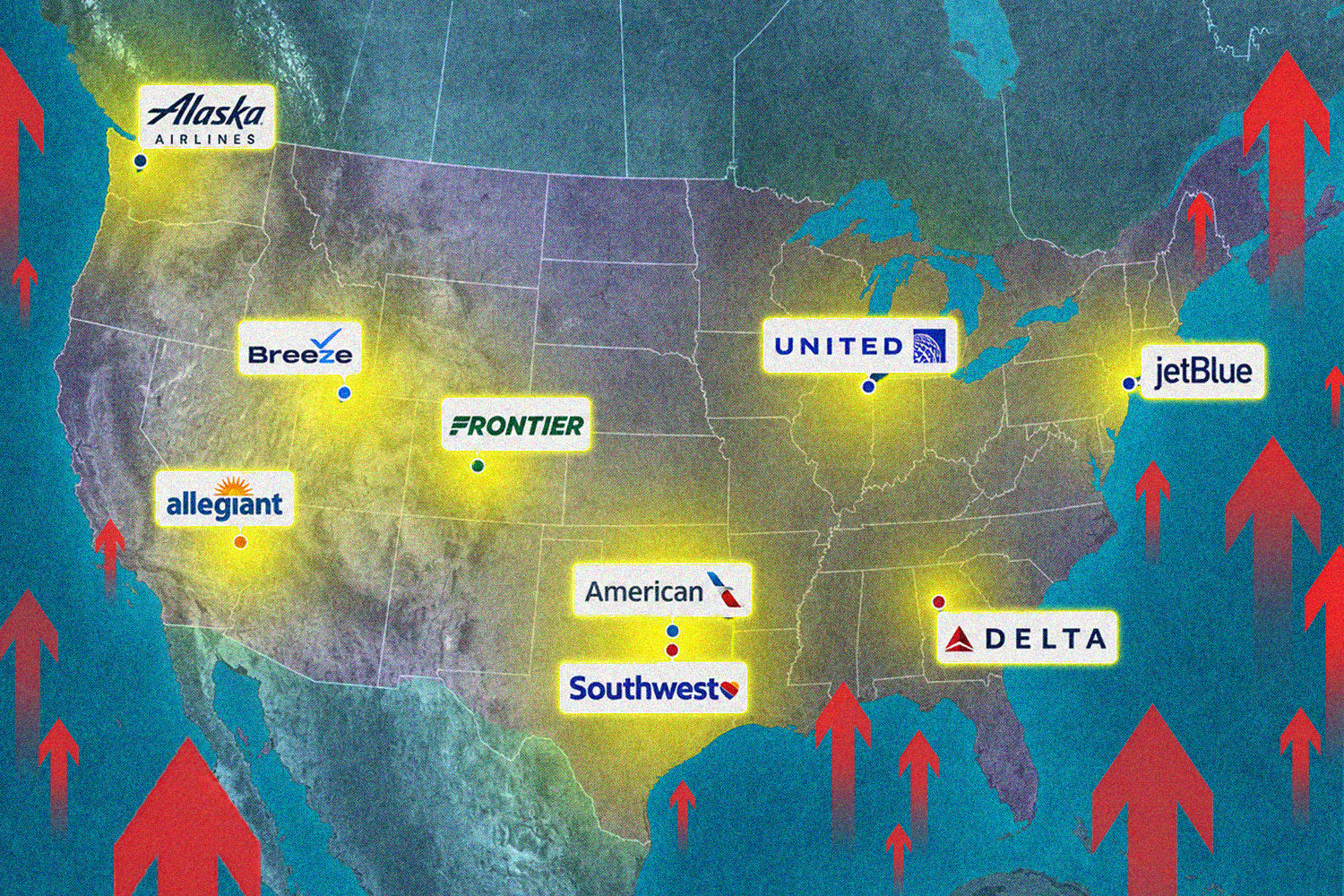
As of September 2026, the North American aviation sector finds itself navigating one of the most precarious economic environments in recent memory. While major carriers have spent the better part of the last three years recovering from the pandemic-era slump, a new and aggressive headwind has emerged: a sustained, sharp spike in global jet fuel prices. This escalation has prompted analysts and industry stakeholders to ask a fundamental question: at what point does the delicate balance between robust passenger demand and rising operational costs finally collapse?
The current landscape is defined by a paradox. On one hand, airlines are reporting strong top-line revenue growth, fueled by an insatiable public appetite for both leisure and business travel. On the other, the bottom line is under siege by energy markets that are increasingly volatile. For now, the "pressure dial" is holding, but industry experts are monitoring key indicators that suggest the margin for error is shrinking rapidly.
A Chronology of Economic Volatility
To understand the current state of the industry, one must look back at the trajectory of the past 24 months. By late 2024, the aviation sector had largely stabilized, with balance sheets showing signs of health following the massive debt accumulation necessitated by the global lockdowns of 2020 and 2021. However, the first quarter of 2025 marked the beginning of a supply-side crunch.
Geopolitical instability in key oil-producing regions, coupled with refinery maintenance backlogs in the United States and Canada, began to exert upward pressure on the price of Jet A-1 fuel. Throughout the second half of 2025, airlines attempted to hedge against these costs, but the persistence of high prices eroded the efficacy of those financial safeguards. By the spring of 2026, carriers were forced to pivot from absorbing costs to aggressively passing them on to the consumer through fare hikes and ancillary fee adjustments.
As we reach the third quarter of 2026, the industry is entering a critical juncture. The summer travel season—typically the period of highest profitability—has concluded, and airlines are now bracing for the seasonal cooling of demand that usually accompanies the autumn months.
The Anatomy of the Fuel Shock
Jet fuel remains the single most significant variable expense for any major airline, often accounting for 25% to 35% of total operating costs. When fuel prices spike by 20% or more over a fiscal year, the impact on operating margins is immediate and severe.
Supporting data from the current quarter indicates that while load factors—the percentage of seats filled—remain high, hovering between 85% and 89% for major U.S. carriers, the yield per passenger is being tested. Airlines have been able to maintain profitability by leveraging premium cabin demand; business travelers and affluent leisure tourists have proven less price-sensitive than economy travelers. However, the "middle class" of air travel is showing early signs of fatigue.
According to industry reports, fuel surcharges have increased by approximately 15% across domestic routes since January 2026. While demand has remained surprisingly inelastic, economists suggest that the "wealth effect" of the post-pandemic recovery is beginning to wane. If the cost of living continues to rise alongside airfare, the propensity for discretionary travel is likely to decline, potentially forcing airlines to adjust capacity to avoid flying empty or unprofitable flights.
Strategic Responses from Major Carriers
In response to the mounting pressure, airline executives have adopted a tripartite strategy: capacity discipline, fleet modernization, and yield management.
Capacity discipline remains the industry’s primary defense. Rather than flooding the market with seats in a desperate attempt to gain market share, legacy carriers have become more surgical. By trimming routes that rely on thin margins and focusing resources on high-demand, high-margin hubs, airlines are ensuring that every flight operated is as profitable as possible.
Fleet modernization, a long-term play, is also taking center stage. Airlines that invested in next-generation aircraft—such as the Airbus A321neo or the Boeing 737 MAX series—are realizing a significant competitive advantage. These aircraft offer 15% to 20% better fuel efficiency compared to the older models they are replacing. For a carrier operating thousands of flights daily, this difference in fuel burn represents the difference between a profitable quarter and a net loss.
Finally, yield management systems have become increasingly sophisticated. Using artificial intelligence, airlines are now dynamic pricing at a granular level, adjusting fares in real-time based on local economic conditions, booking velocity, and competitor movements. This ensures that the airline captures the maximum possible revenue from every seat sold, even as operating costs fluctuate.
Broader Implications for the Traveling Public
The implications of this environment for the average passenger are twofold: higher prices and a potential reduction in flight frequency on secondary routes. The days of "cheap" travel, which defined the mid-2020s recovery phase, appear to be receding.
Industry analysts suggest that the aviation sector is moving toward a "value-based" model rather than a "volume-based" model. In this new era, airlines are prioritizing the quality of their revenue over the quantity of their passengers. While this is a sound financial strategy for shareholders, it poses challenges for regional connectivity. Smaller cities that rely on thin-margin routes may see service reductions if airlines determine that the fuel cost to service those markets exceeds the potential yield.
Furthermore, the pressure on labor costs cannot be ignored. Following a wave of contract negotiations in 2025 and 2026, pilot and flight attendant wages are at historic highs. While this has improved morale and operational reliability, it has added another layer of fixed costs that cannot be easily scaled back, even if fuel prices were to drop tomorrow.
Future Outlook and Analyst Consensus
As we look toward the remainder of 2026 and into 2027, the consensus among aviation market analysts is one of "cautious pessimism." The industry is clearly better equipped to handle a crisis than it was five years ago, thanks to stronger balance sheets and more disciplined management. However, the variables are no longer internal; they are external.
If fuel prices stabilize, the industry is poised to maintain its current trajectory of modest but consistent profitability. If, however, there is a further escalation in energy prices or a broader economic downturn, the "pressure dial" mentioned by industry observers may indeed reach the red zone.
The immediate task for leadership teams is to demonstrate to investors that they can maintain margins without alienating their core customer base. As the third quarter gives way to the fourth, all eyes will be on the upcoming earnings reports. These reports will not only serve as a financial scorecard but as a litmus test for the long-term viability of the current airline business model.
In conclusion, while there is no immediate reason to sound the alarm, the North American airline industry is operating in a state of high tension. The resilience of the sector has been remarkable, but it is not infinite. The intersection of high fuel costs, expensive labor, and a consumer base that is increasingly budget-conscious will define the next chapter of the industry’s evolution. Airlines that can successfully navigate this volatility through continued operational efficiency and targeted growth will likely emerge as the market leaders, while those that remain over-leveraged or inefficient may find their margins rapidly evaporating in the face of persistent economic headwinds.




 Lukman Taruna Persada Ramadan

 Tatiana Tantri Indah Sari

 Anjar Salim


 Dwi Wanna
