
 Cholid Fahmi Thalib

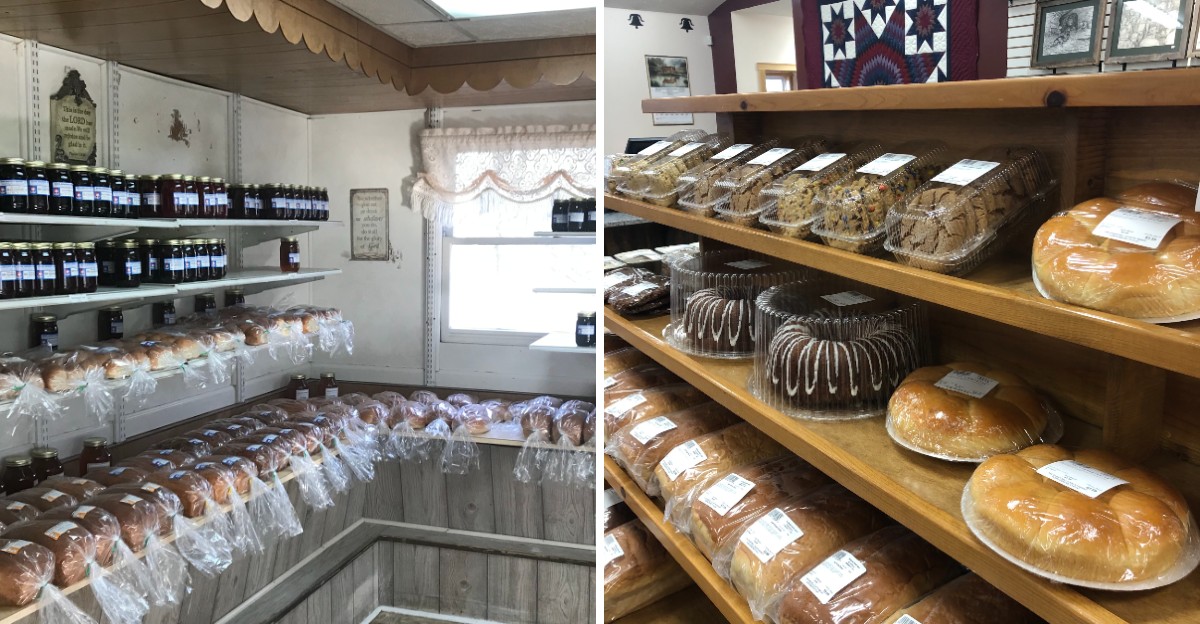
Across the rolling hills and rural byways of the Commonwealth, a quiet culinary tourism movement is reshaping weekend travel. Far from the homogenized convenience of interstate fast-food chains and corporate supermarkets, travelers are increasingly seeking out the craftsmanship, heritage recipes, and unhurried commerce found within Kentucky’s thriving Amish communities. From decades-old bakeries in Christian and Todd counties to dual-market stretches in Casey County, these family-run establishments offer a sensory-rich detour that bridges agricultural tradition with modern regional travel.
This network of country stores, salvage groceries, and scratch-made bakeries provides more than just road-trip provisions; it represents a preservation of artisanal foodways. As consumer demand for locally sourced, hand-crafted goods continues to rise, these rural enterprises have evolved from localized necessities into vital economic anchors and destinations for culinary explorers.
The Economic and Cultural Landscape of Kentucky’s Amish Enterprise
Kentucky is home to one of the fastest-growing Amish populations in the United States, ranking among the top states for total Amish settlement growth over the past two decades. With communities established across regions such as Pennyrile, the Bluegrass, and Southern Kentucky, these populations have integrated traditional agrarian practices with small-scale entrepreneurial ventures.
Unlike conventional retail operations, Amish-owned businesses typically operate on principles of community sustainability, self-reliance, and strict adherence to traditional craftsmanship. According to agricultural and regional economic analysts, these small businesses contribute significantly to local rural economies by generating decentralized tourism revenue, supporting regional dairy and produce farmers, and preserving architectural and cultural heritage.
The appeal for travelers lies in transparency and authenticity. In an era dominated by mass-produced, highly processed foods, the guarantee of small-batch baking—where items are mixed, kneaded, and baked by hand daily—commands a loyal following. However, this model comes with operational limitations. Because production volumes are dictated by hand labor rather than industrial output, popular items frequently sell out before midday. Furthermore, traditional operational constraints—such as closures on Sundays, shorter daylight-dependent hours, and cash-or-check payment policies—require visitors to approach their itineraries with deliberate planning.
A Tour of Kentucky’s Premier Country Markets and Bakeries
The following ten establishments represent the geographic and culinary diversity of Kentucky’s Amish retail landscape, offering travelers a curated route through the state’s rural heartland.
1. R&S Salvage Grocery (Horse Cave, KY)
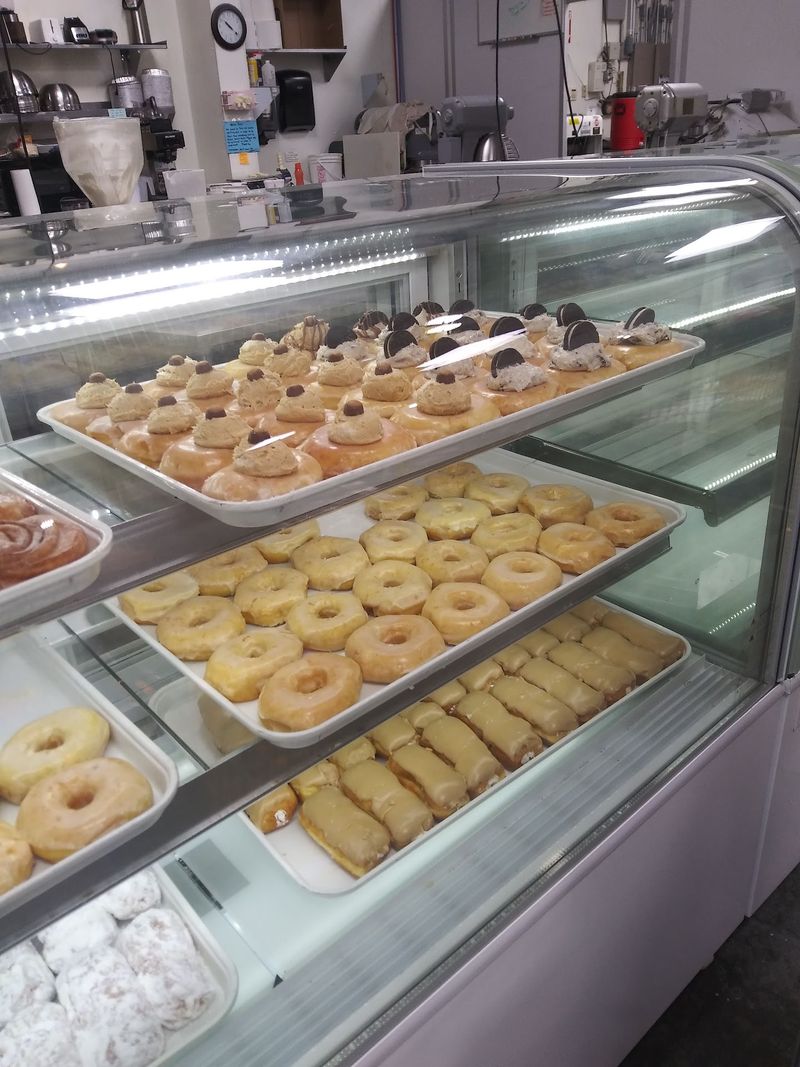
Situated in Hart County, R&S Salvage Grocery subverts expectations of what a rural grocery store should be. Housed in a modest, garage-style structure, the interior yields a robust selection of scratch-made baked goods. Oversized, heavily iced cinnamon rolls, cream-filled donuts, and traditional fried pies anchor the bakery counter.
Beyond the sweets, the establishment functions as a comprehensive salvage and bulk grocery outlet, offering deli meats, cheeses, and frozen foods. A notable operational detail for returning visitors is the production schedule of their signature giant pretzels, which are baked exclusively on Tuesdays and Fridays.

2. Farmwald’s Dutch Bakery & Deli (Horse Cave, KY)
Established in 2019 by Joe Farmwald, Farmwald’s represents a larger-scale integration of dining and retail. Located along the L&N Turnpike Road, the operation combines a full-service homestyle restaurant, a country store, and a prolific bakery.
The bakery produces an extensive daily rotation of sourdough breads, banana bread, whoopie pies, cookies, and fried pies. Operating continuously from early morning through weekday dinner hours, the restaurant provides slow-cooked, traditional meals, while the adjacent country store offers locally crafted jams, candles, and dry goods.
3. Schlabach’s Bakery (Guthrie, KY)
Operating in Todd County since 1970, Schlabach’s Bakery stands as one of the region’s longest-running and most enduring culinary traditions. Over half a century of operation has cemented its reputation, with cinnamon rolls serving as its undisputed flagship product.
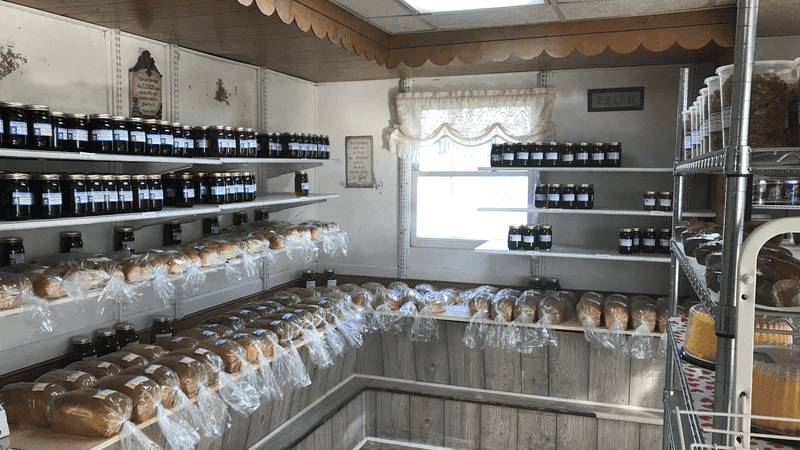
The bakery’s offerings extend to traditional loaves, sourdough, banana bread, cakes, cookies, and fresh granola. Positioned along Guthrie Road, Schlabach’s pairs its baked goods with shelves of local honey and preserves, serving as a historic touchstone for travelers navigating southwestern Kentucky.
4. The Farmstead Market (Pleasureville, KY)
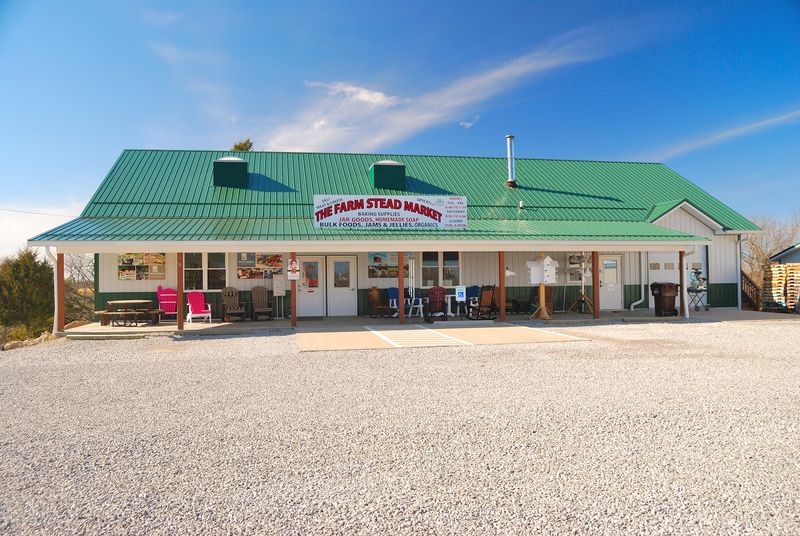
Founded in 2015 by the Raber family following their relocation from Ohio’s Holmes County, The Farmstead Market has become a primary attraction along Castle Highway in Henry County. The market is particularly celebrated for its cinnamon rolls finished with distinctive maple syrup frosting.
Complementing the baking operation is a made-to-order deli counter featuring customizable sandwiches, supported by bulk food aisles and covered porch seating for patrons. The synthesis of fresh artisanal bread, whoopie pies, and savory lunch options makes it an accessible stop for travelers originating from the Louisville metropolitan area.
5. Dutch Kuntry Bulk Foods & Deli (Pembroke, KY)
Nestled within the quiet agrarian landscape of Christian County, Dutch Kuntry offers a comprehensive cross-section of Amish retail traditions. The market balances a bakery counter featuring fresh breads, pies, and whoopie pies with specialty confections such as homemade buckeyes.
In addition to dry bulk foods and local preserves, the market features a made-to-order deli counter and seasonal soft-serve ice cream. The establishment effectively bridges the gap between a provisioning stop for locals and a culinary destination for road-trippers.
6. Habegger’s Amish Market (Scottsville, KY)
Situated in Allen County, Habegger’s Amish Market emphasizes the intersection of fresh baking and artisanal dairy production. Operating Monday through Saturday on a cash-and-check-only basis, the market is renowned for its on-site baking of daily breads, cookies, and pies.
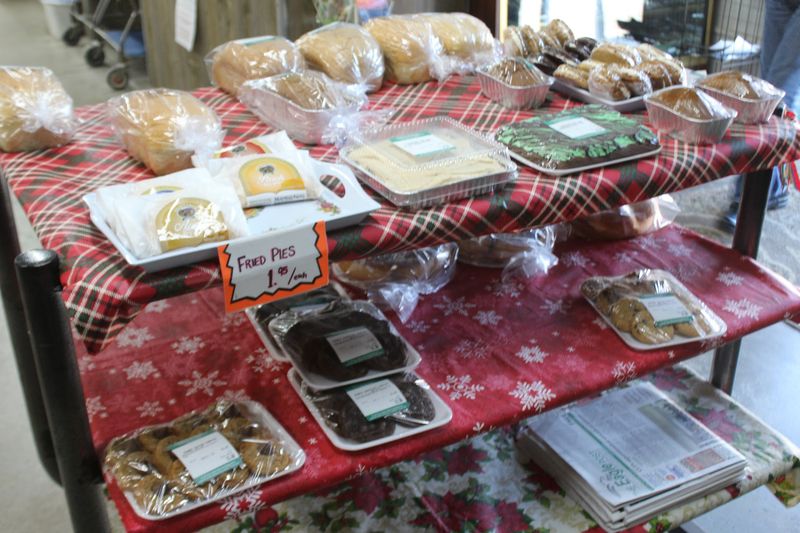
Simultaneously, the market functions as a premier destination for locally produced meats, cheeses, and fresh butter. The availability of canned goods and honey allows travelers to assemble complete picnic provisions or stock provisions for extended travel.
7. Yoder Greenhouse and Bakery (Marion, KY)
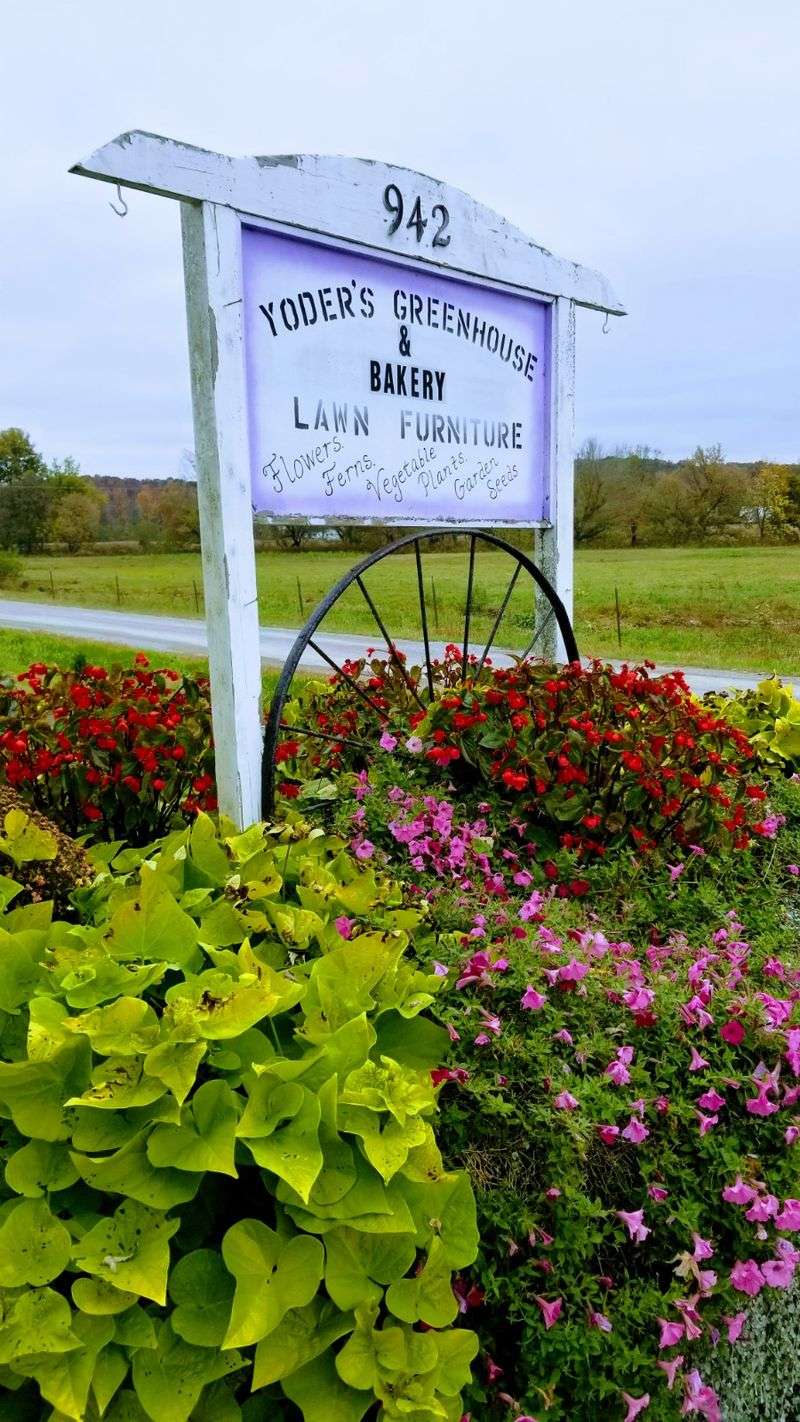
Located in Crittenden County, Yoder Greenhouse and Bakery offers a specialized stop that pairs traditional baking with horticultural retail. The bakery shelves are stocked with foundational items, including daily bread loaves, pies, cinnamon rolls, and cookies.
Because the operation focuses heavily on core bakery items rather than expansive deli counters, it appeals directly to purists seeking traditional scratch-made goods. Peak selection is reliably found during weekend morning hours.
8. Sunny Valley Country Store & Bakery (Liberty, KY)
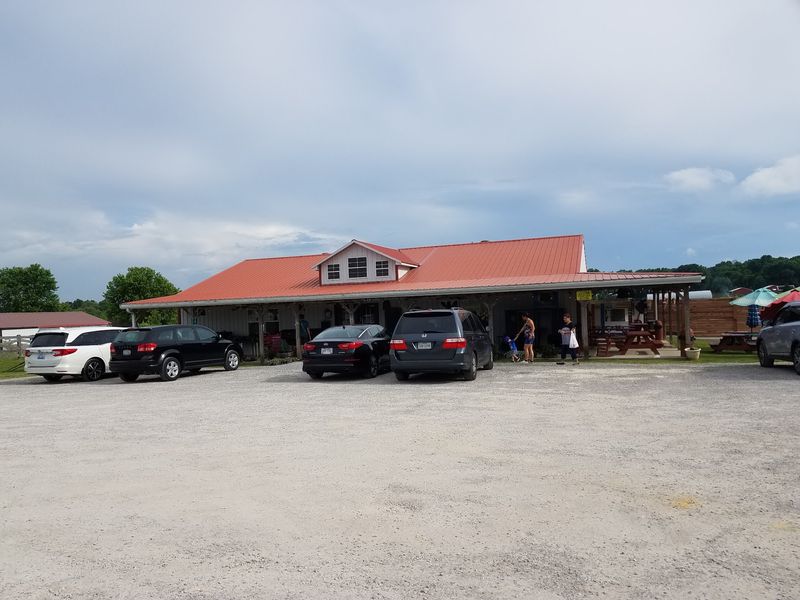
Positioned along the scenic and winding South Fork Creek Road in Casey County, Sunny Valley is celebrated for its high-demand artisanal breads that routinely sell out by early afternoon. The store capitalizes on the region’s topography, turning the drive itself into an immersive travel experience.
Sunny Valley doubles as a comprehensive bulk-food supplier, offering home cooks discounted access to spices, baking supplies, and organic goods. Its extensive inventory of deli meats and cheeses makes it an ideal staging ground for travelers outfitting cabin kitchens or planning roadside meals.
9. Yoder’s Dinner Bell Market (Flemingsburg, KY)
Serving Fleming County along Maysville Road, Yoder’s Dinner Bell Market caters to both sweet and savory preferences. The establishment features a classic bakery counter supplying fresh breads and seasonal items such as pumpkin butter, alongside a working grill station.
Hot sandwiches—including chicken melts and ham-and-cheese variations—provide a substantive lunch option, while the broader retail floor incorporates local produce, country meats, cheeses, and gift items.
10. Lavern’s Country Market (Liberty, KY)
Located near the entrance of South Fork Creek Road, Lavern’s Country Market provides a fitting bookend to regional culinary tours. The market heavily emphasizes fresh dairy, local cheeses, milk, butter, and seasonal produce that shifts dynamically from spring berries to autumn vegetables.
Paired with shelves of homemade jams, jellies, and fresh-baked bread, Lavern’s encourages unhurried browsing. The availability of a robust cheese and dairy case necessitates proper vehicle cooling arrangements for travelers journeying during warmer months.
Strategic Planning and Travel Implications
For travelers intending to navigate Kentucky’s Amish country markets, logistics require careful consideration. Industry analysts and seasoned road-trippers emphasize several key logistical parameters:
- Temporal Constraints: The vast majority of these enterprises observe traditional religious rest days, closing entirely on Sundays. Furthermore, operating hours frequently align with daylight and community customs, closing earlier than conventional commercial retailers.
- Payment Methods: Many rural Amish businesses operate outside the digital payment infrastructure, requiring patrons to carry physical cash or personal checks.
- Inventory Dynamics: Because goods are produced in limited, daily batches without the aid of industrial preservatives, popular items—particularly fresh sourdough and specialty cinnamon rolls—are subject to sell-out conditions well before closing hours. An early-morning arrival is widely regarded as an operational necessity.
- Cargo Management: Given the fragile nature of layered bakery boxes, cream pies, and fresh dairy, travelers are advised to equip their vehicles with stable flat surfaces and insulated coolers to preserve product integrity across winding rural byways.
Ultimately, exploring Kentucky’s Amish retail network offers a dual benefit: it injects vital economic support directly into self-reliant rural micro-economies while offering the traveling public a tangible connection to time-honored culinary craftsmanship.


 Gabriela Annisa

 Lukman Taruna Persada Ramadan

 Tatiana Tantri Indah Sari

 Anjar Salim


 Dwi Wanna
