
 Cholid Fahmi Thalib
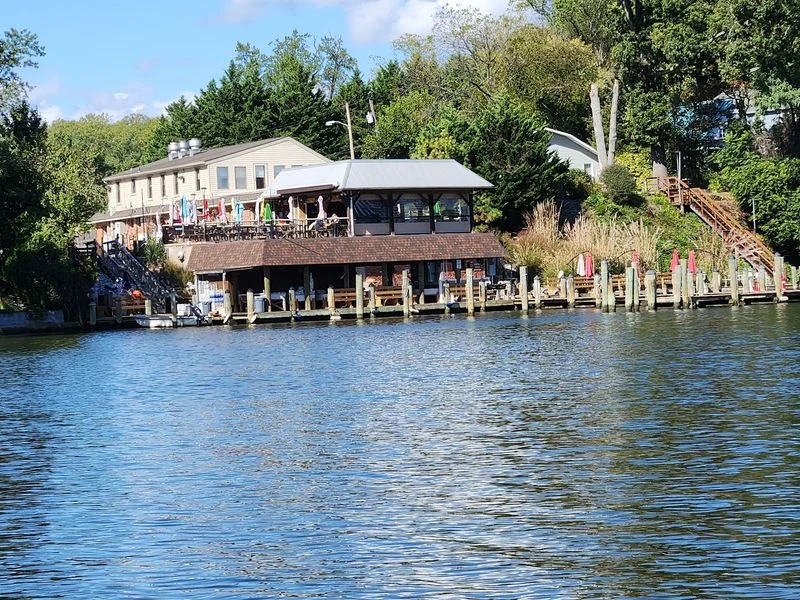
Maryland’s culinary identity is anchored by the rich harvest of the Chesapeake Bay, yet its modern dining landscape extends far beyond traditional blue crabs and local seafood counters. From historic establishments operating continuously since the late 19th century to contemporary mountain-region Italian bistros and vibrant Levantine small-plate dens, the state’s gastronomic scene reflects a profound evolution in regional dining. Across diverse geographies—from the urban corridors of Baltimore to the maritime docks of Annapolis and Solomons, and inland to Cumberland and Ellicott City—dining establishments are increasingly defined by a synthesis of heritage preservation and culinary innovation. Economic indicators within the state’s hospitality sector highlight a sustained demand for authentic, locally sourced dining experiences, driving both heritage preservation and multicultural menu expansion.
A Century-Spanning Tradition of Maryland Seafood Heritage
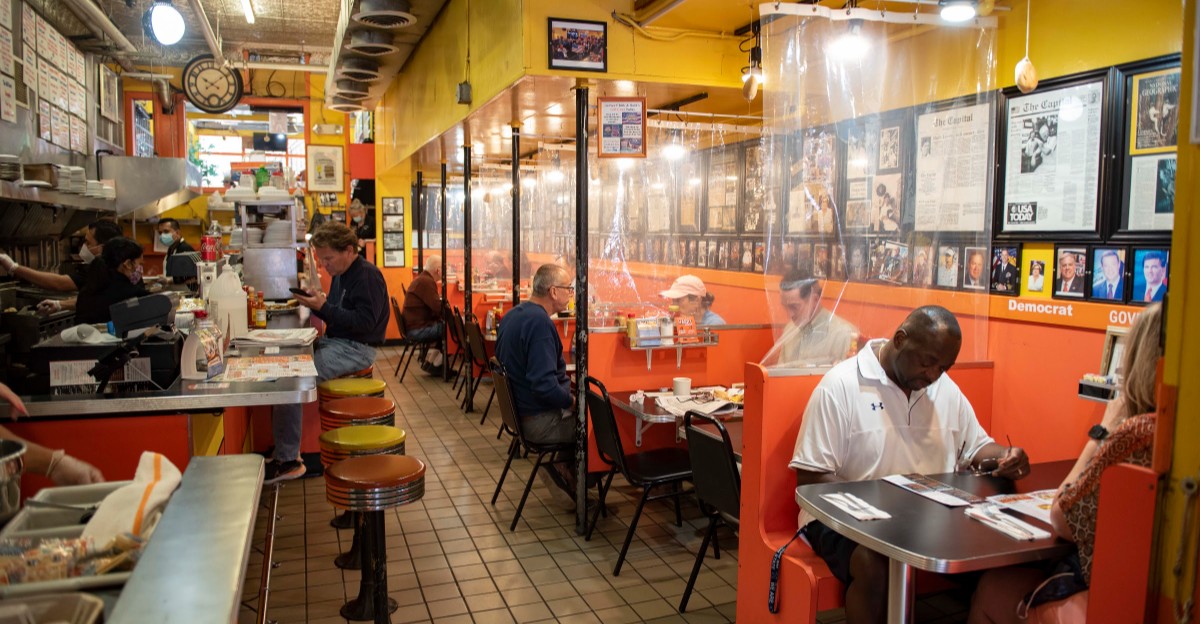
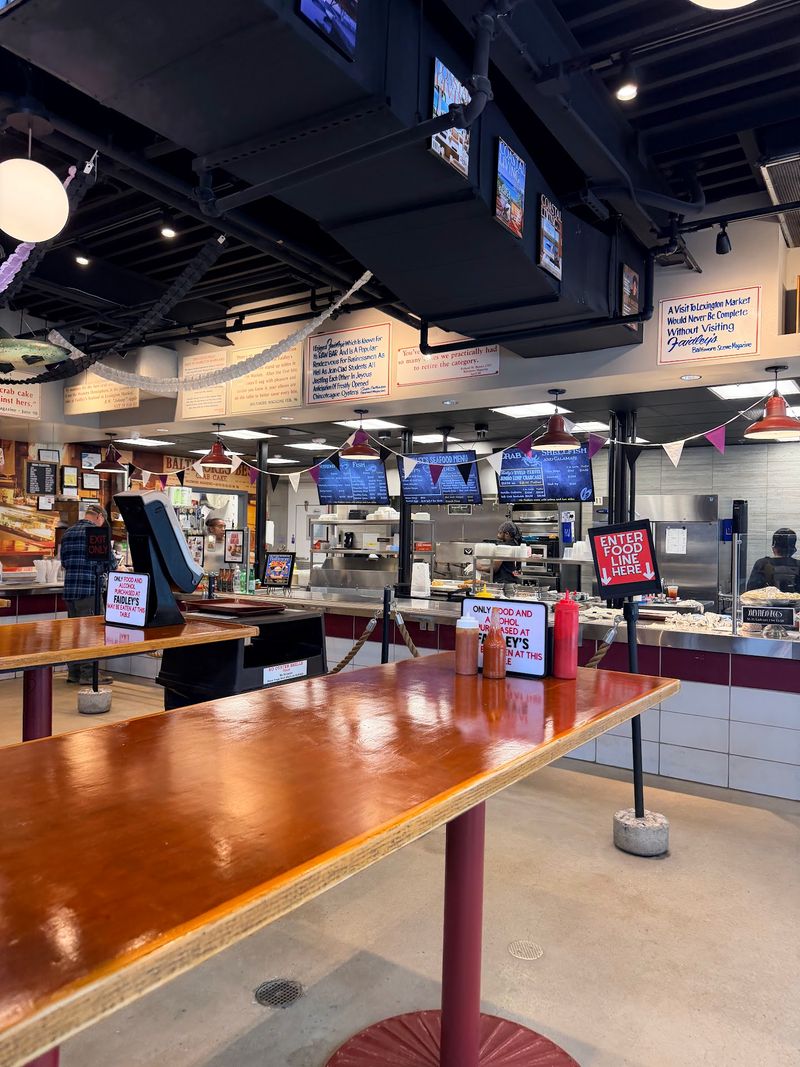
The foundation of Maryland’s historical food culture is inextricably linked to the Chesapeake Bay watershed, an ecosystem that has sustained commercial fishing and seafood processing for generations. Institutions such as Faidley’s Seafood, which has operated in Baltimore since 1886, represent a vital bridge between historical provisioning and contemporary retail food culture. Originally established within Lexington Market, the business survived numerous urban shifts, maintaining its reputation through generational adherence to rigorous preparation standards.
The introduction of the all-lump crab cake recipe by Nancy Faidley Devine in 1987 revolutionized the commercial presentation of blue crab, prioritizing minimal binders—primarily saltine crackers—and precise seasoning over dense fillers. This methodology established a benchmark that subsequent generations of Chesapeake-region chefs have sought to emulate or refine. When Faidley’s transitioned into the newly constructed Lexington Market building in 2024, the relocation underscored a broader trend in municipal infrastructure development: balancing historical continuity with modern, accessible public space designs that accommodate high-volume pedestrian traffic and stringent health and safety standards.
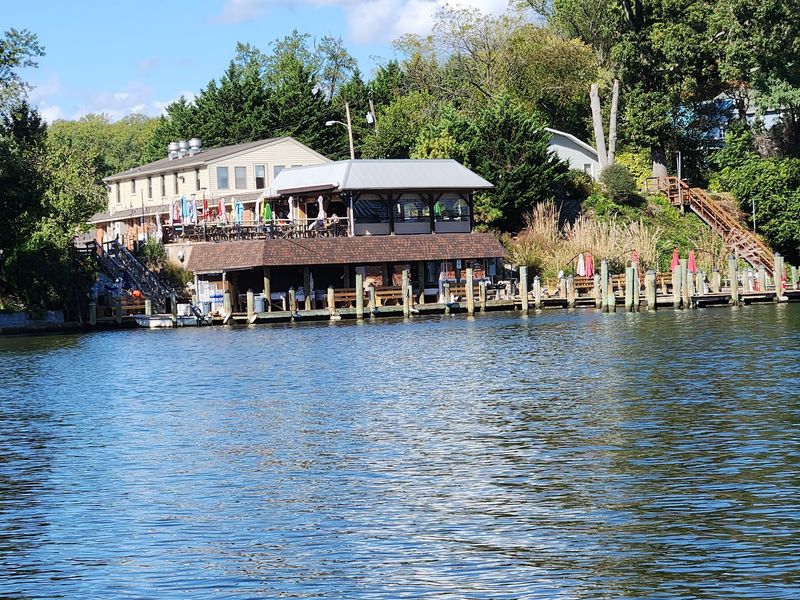
Parallel to urban market stalls, waterfront institutions like Cantler’s Riverside Inn in Annapolis demonstrate the enduring economic and cultural viability of the traditional Maryland crab house. Operating on the banks of Mill Creek since the late 20th century, Cantler’s exemplifies the open-air, interactive dining model that attracts regional tourists and local patrons alike. Industry analysts note that such venues provide crucial economic support to local watermen by maintaining a steady, high-volume demand for hard-shell blue crabs during peak harvesting seasons, which typically run from April through December.
Geographic Diversification and the Evolution of Modern Menus
While blue crab and crabcakes remain central to Maryland’s culinary branding, economic and demographic shifts have catalyzed a significant diversification of dining options across the state. Culinary development in regions like Baltimore, Annapolis, and the Washington, D.C. suburbs—such as Bethesda and Silver Spring—features an increasing integration of global flavors, artisanal techniques, and hyper-local sourcing.
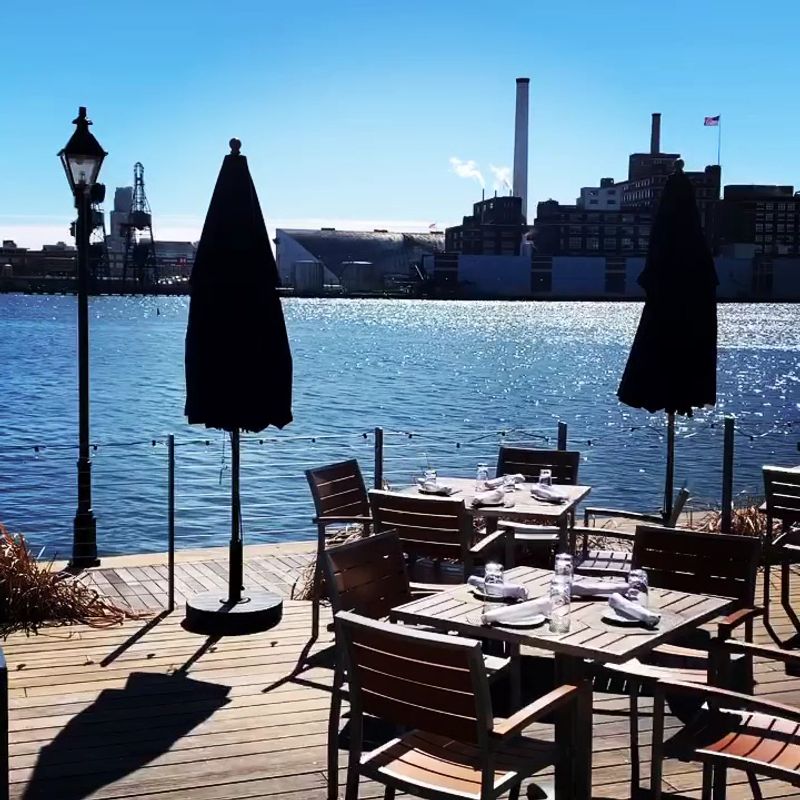
Urban waterfront spaces, exemplified by Ampersea in Baltimore’s historic Fells Point district, illustrate how contemporary operators utilize regional seafood as a baseline while incorporating New American and global flavor profiles. By pairing traditional regional offerings like raw oysters and Maryland crab dip with diverse items such as fried green tomatoes and plant-forward selections, these kitchens cater to increasingly diverse consumer demographics. Similarly, The Island Hideaway in Solomons merges traditional coastal fare, including cream of crab soup and rotating catches of the day, with artisanal handmade pasta programs, reflecting a broader statewide trend toward scratch-made culinary components.
Further inland, the culinary scope broadens significantly. In Cumberland, Ristorante Ottaviani anchors the mountain region’s dining scene with classic Abruzzo-style Italian cuisine, demonstrating that Maryland’s gastronomic reputation is not solely defined by the Chesapeake coastline. By featuring specialized meat cuts, traditional Italian small plates, and comprehensive vegetarian menus, the establishment addresses the evolving dietary preferences of regional residents and heritage tourists traveling along Western Maryland’s historical corridors.
Multicultural Integration in Suburban Culinary Corridors
The expansion of Maryland’s suburban commercial centers has similarly transformed the state’s gastronomic offerings. Establishments such as The Mint Room in Ellicott City and ala in Bethesda highlight the growing prominence of South Asian and Levantine culinary traditions within the state’s commercial real estate corridors.
The Mint Room introduces regional Indian gastronomy—ranging from butter chicken and goat curry to complex vegetarian selections like chole bhature—to Howard County’s commercial landscape. This expansion reflects demographic shifts documented by regional economic development boards, which indicate an increasing demand for authentic international dining options outside of major metropolitan cores.
In Montgomery County, ala utilizes a mezze-style dining format to present Levantine cuisine, emphasizing shared small plates, fresh produce, and Mediterranean flavor profiles. Industry observers note that the success of these establishments points to a structural shift in consumer behavior: modern diners increasingly prioritize culinary variety, communal dining experiences, and dietary inclusivity—such as robust vegan and gluten-free menus—over traditional, single-protein dining formats.
Comfort Food, Regional Hospitality, and Economic Resilience
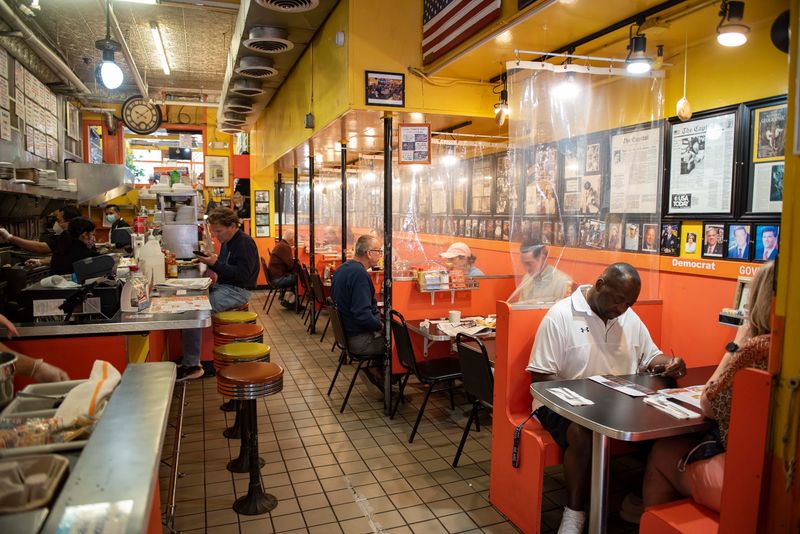
Beyond coastal seafood and international gastronomy, comfort-food traditions remain a robust component of Maryland’s hospitality sector. Institutions like Chick & Ruth’s Delly in Annapolis have maintained a continuous presence on Main Street since 1965, serving as both community anchors and tourism destinations. Their menu model—combining traditional Jewish deli fare with regional adaptations like crab-meat omelets and jumbo crab cake sandwiches—illustrates the adaptability of classic American diner culture within a distinctively regional framework.
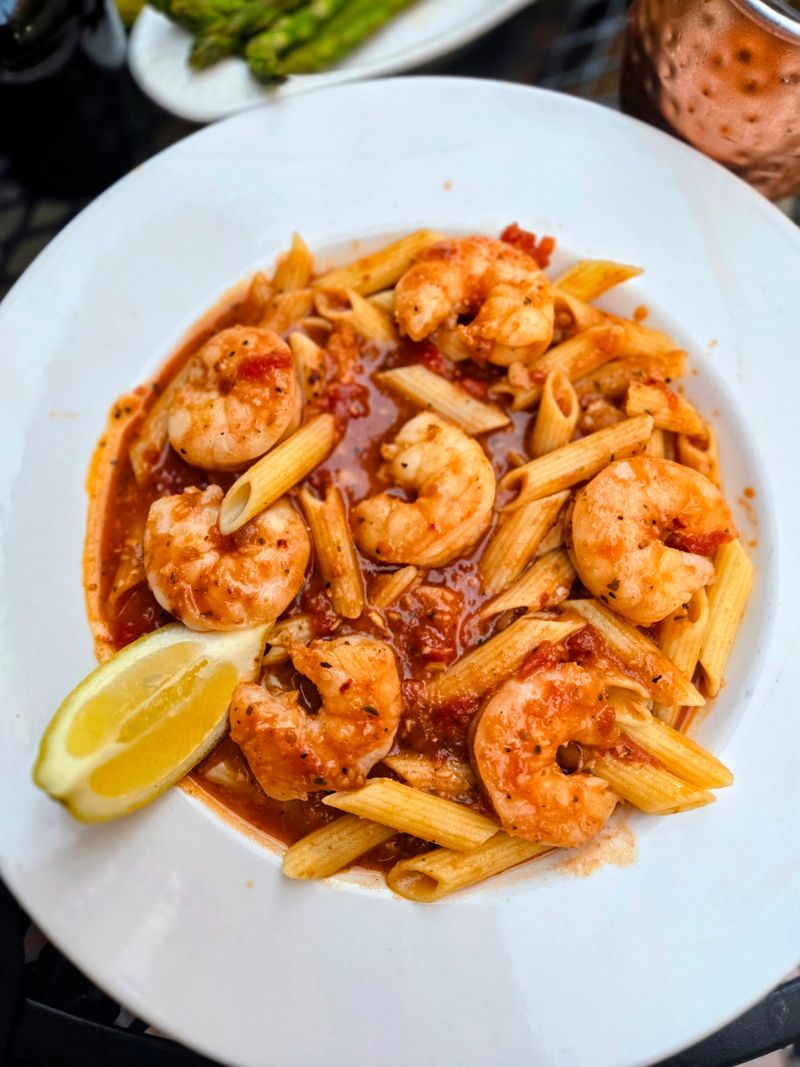
In Northern Maryland, Forge Southern Comfort in North East bridges the culinary traditions of the American South with Chesapeake Bay ingredients, offering shrimp and grits alongside signature crab cakes. This cross-regional pairing highlights the interconnectedness of American comfort food traditions and underscores the operational versatility required of modern independent restaurants.
According to economic analyses of the regional hospitality industry, independent restaurants operating across Maryland continue to navigate fluctuating supply chain costs, labor market adjustments, and shifting consumer spending patterns. Business owners across the state have responded by diversifying service models—integrating outdoor seating, private dining spaces, curbside pickup, and robust reservation platforms—to stabilize revenue streams throughout the calendar year.
Summary of Notable Maryland Dining Destinations
- Faidley’s Seafood (Baltimore): Operating since 1886 within Lexington Market, renowned for pioneering the all-lump crab cake recipe with minimal saltine binder.
- Cantler’s Riverside Inn (Annapolis): A traditional waterfront crab house on Mill Creek offering open-air seating and direct support to local Chesapeake watermen.
- Chick & Ruth’s Delly (Annapolis): A historic Main Street fixture since 1965, blending classic deli and diner comfort food with regional crab-infused breakfast and lunch items.
- Ampersea (Baltimore): Located in Fells Point, combining harbor views with a New American menu that balances traditional seafood with diverse plant-forward and meat options.
- Ristorante Ottaviani (Cumberland): A family-run Western Maryland establishment anchoring the mountain region with classic Italian fare, lamb specialties, and extensive vegetarian options.
- The Island Hideaway (Solomons): A Southern Maryland waterfront bistro known for pairing fresh coastal catches and crab dishes with handmade pasta programs.
- The Mint Room (Ellicott City): An upscale establishment offering regional Indian dining, featuring complex curries and extensive vegetarian and vegan menus.
- ala (Bethesda): A Mediterranean-inspired Levantine small-plate venue emphasizing shared mezze, seasonal produce, and inclusive dietary selections.
- Forge Southern Comfort (North East): A regional destination uniting traditional Southern comfort dishes like shrimp and grits with Chesapeake seafood specialties.
- Salt & Vine (Olney): An Italian-inspired neighborhood restaurant featuring brick-oven pizzas, seafood-stuffed trout, and seasonal small plates designed for flexible dining formats.


 Diana Nuri Rohmawati

 Gabriela Annisa

 Lukman Taruna Persada Ramadan

 Tatiana Tantri Indah Sari

 Anjar Salim

