
 Cholid Fahmi Thalib
The culinary landscape of Winston-Salem, North Carolina, reflects a dynamic convergence of Piedmont traditions, Appalachian heritage, and modern culinary innovation. Far from being a monolithic dining destination, this Triad hub supports an ecosystem where historic family-run establishments operate alongside contemporary farm-to-table eateries and artisanal pizzerias. According to local economic and tourism data, the city’s food and beverage sector has experienced steady expansion, driven by an influx of culinary talent seeking a lower cost of operation than traditional metropolitan centers while maintaining access to robust regional agriculture. This comprehensive review examines ten dining institutions that anchor Winston-Salem’s food culture, detailing their historical roots, menu offerings, operational frameworks, and broader economic impact on the local community.
The Evolution of Winston-Salem’s Dining Scene
Winston-Salem’s gastronomic identity is deeply rooted in the agricultural wealth of the Carolina Piedmont. Historically defined by traditional Southern home cooking, the city’s culinary boundaries have systematically expanded over the past four decades. The introduction of diverse immigrant communities, the establishment of local arts districts such as the Downtown Arts District on Trade Street, and the revitalization of historic neighborhoods have collectively transformed the city into a regional culinary destination.
Data from regional hospitality associations indicate that consumer demand for authentic, locally sourced dining experiences has surged by over thirty percent in the last ten years. Restaurateurs in Winston-Salem increasingly bridge the gap between classic comfort food—such as shrimp and grits, house-made meatloaf, and buttermilk biscuits—and international techniques, incorporating elements of Continental, Mediterranean, and Neapolitan cuisine. This synthesis allows local establishments to cater to an increasingly diverse demographic of residents, university students, and culinary tourists.
1. Mozelle’s Southern Bistro
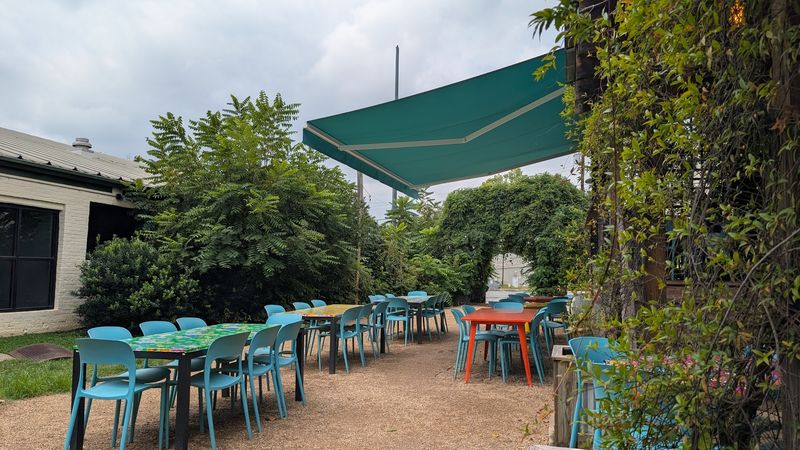
Located at 878 W 4th St, Mozelle’s Southern Bistro represents the contemporary evolution of upscale comfort food in the heart of downtown. Named in honor of the owner’s grandmother, the establishment has cultivated a loyal local following by elevating traditional Southern staples through precise execution and seasonally driven ingredients.
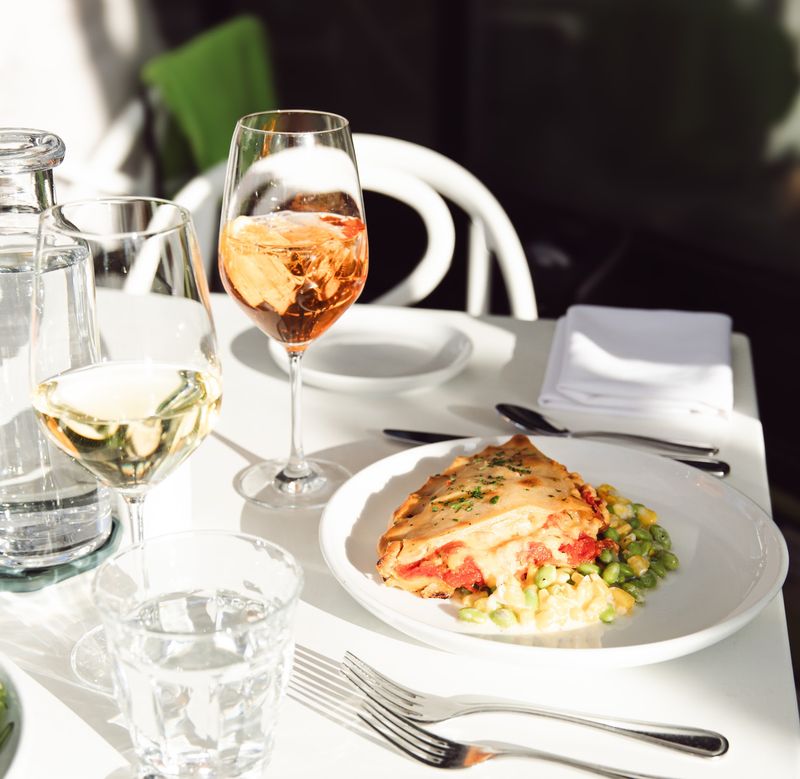
The menu balances heritage dishes like shrimp and grits and tomato pie with modern interpretations such as modern meatloaf and Southern spring rolls. Acknowledging shifting dietary preferences, the kitchen maintains robust vegetarian and vegan options, ensuring accessibility for diverse dining parties. Operating across lunch, dinner, and weekend brunch, Mozelle’s utilizes a bright, airy interior complemented by a covered, dog-friendly patio. Industry analysts note that establishments adopting flexible seating and dietary accommodations consistently outperform traditional single-genre bistros in urban commercial corridors.
2. Ryan’s Restaurant
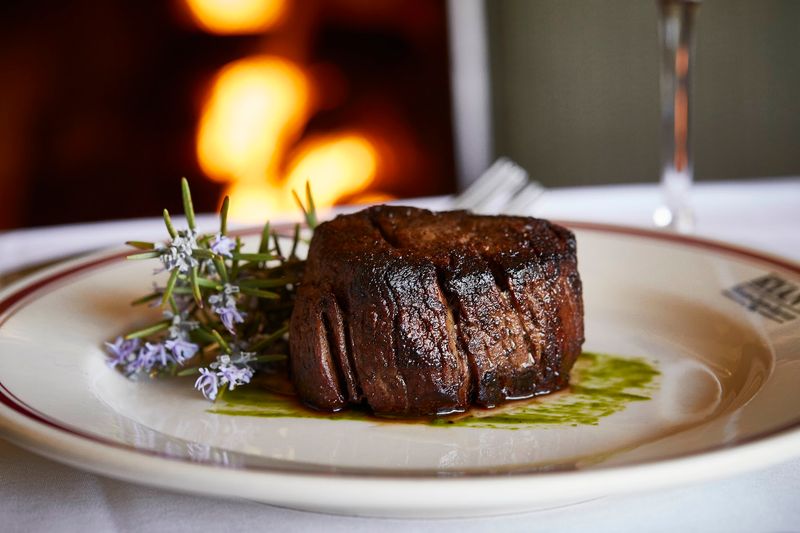
Situated at 719 Coliseum Dr NW, Ryan’s Restaurant offers an upscale Continental dining experience anchored by a distinctive natural feature: a panoramic view of a wooded stream. Established as a premier destination for celebratory dinners and corporate gatherings, Ryan’s focuses on classic preparations of prime steaks, rack of lamb, and fresh seafood, including Chilean sea bass and Atlantic salmon.
The chronology of Ryan’s success rests on consistency and ambiance. The integration of architectural elements such as a stone fireplace and private dining rooms allows the venue to adapt to various private and public functions. Culinary historians observe that restaurants offering experiential dining environments—such as waterfront or woodland views—significantly increase average guest retention and table-turn durations. Complementing its savory menu with scratch-made desserts like triple chocolate cake and vanilla bean crème brûlée, Ryan’s remains a cornerstone of North Winston-Salem’s fine dining sector.
3. Mama Zoe Michael’s
Operating at 2859 Reynolda Rd, Mama Zoe Michael’s embodies the longevity of family-owned home cooking in Winston-Salem. Founded over forty years ago, the restaurant serves as a cultural bridge between traditional Southern comfort food and classic diner culture, offering an all-day breakfast menu alongside heavy midday and evening plates.
The extensive menu features scratch-made meatloaf, chicken pot pie, and marinated beef tips, sitting comfortably alongside a gyro platter and Italian lasagna. This culinary pluralism reflects the historical demographic shifts within the Triad region. Open daily starting at 7:00 a.m., Mama Zoe Michael’s provides essential logistical reliability for shift workers, families, and early risers, reinforcing the neighborhood diner’s role as a vital social anchor.
4. River Birch Lodge
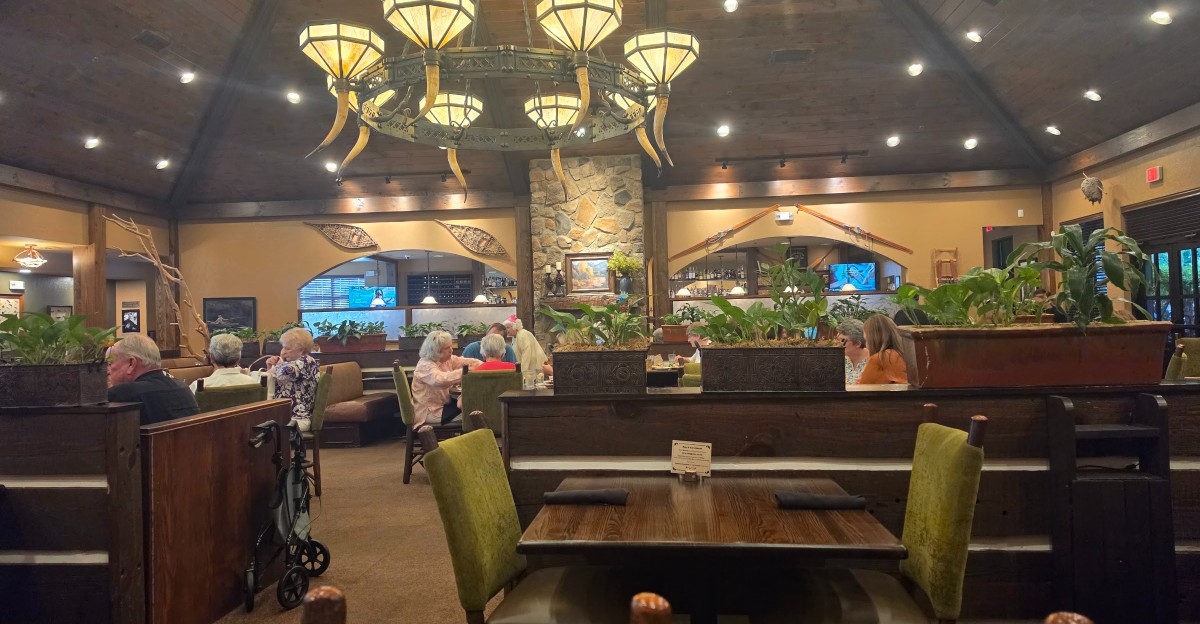
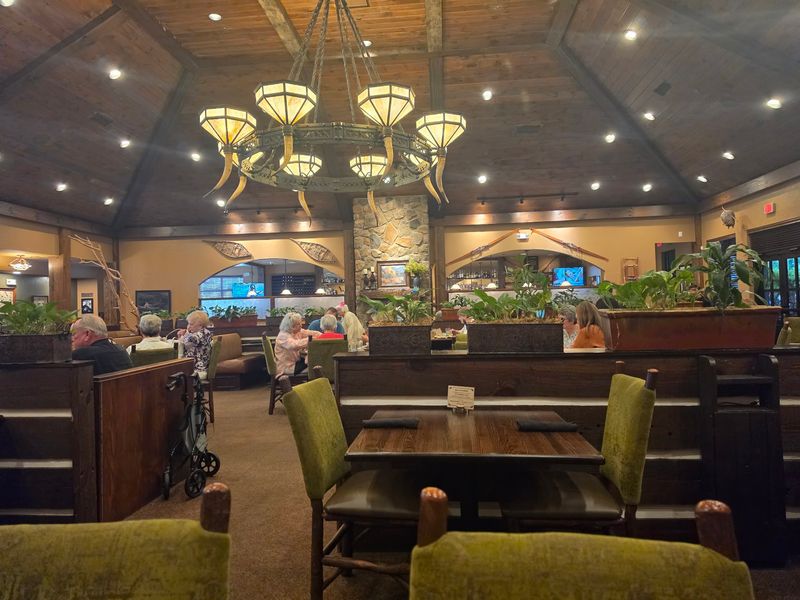
Positioned at 3324 Robinhood Rd, River Birch Lodge replicates the rustic atmosphere of an Appalachian mountain retreat within a suburban commercial district. Constructed with heavy timber rafters and prominent stone fireplaces, the lodge-style venue serves a broad American menu spanning lunch, dinner, and a popular weekend brunch.
The culinary program highlights regional proteins, including blackened North Carolina catfish, alongside national favorites like French dip paninis, filet mignon, and chicken and waffles. According to hospitality management studies, themed architectural spaces like River Birch Lodge capitalize on consumer desires for escapism and tactile comfort, driving higher volume during transitional seasonal months. The inclusion of flexible family amenities, private dining spaces, and a robust children’s menu ensures steady multi-generational patronage.
5. Forsyth Seafood Market & Cafe
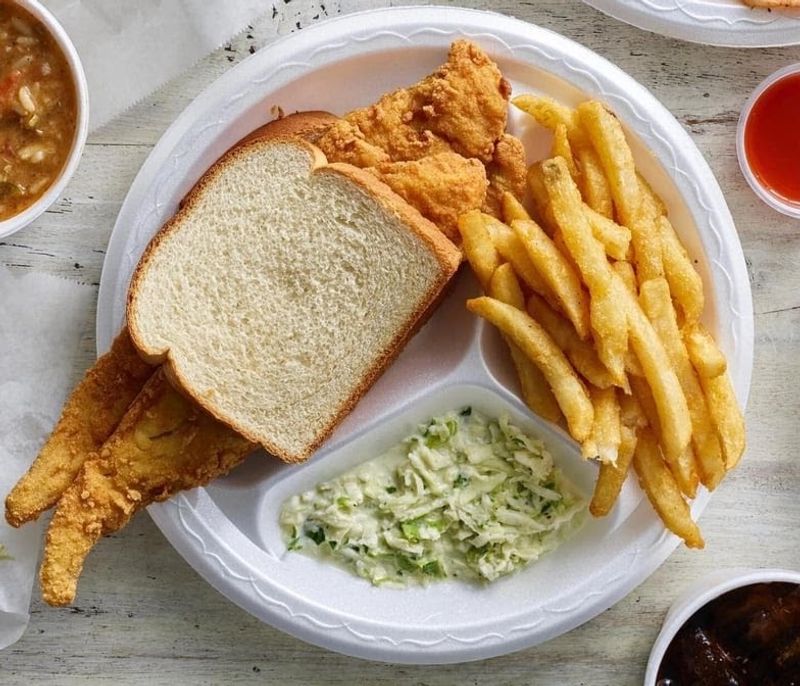
Operating at 108 N Martin Luther King Jr Dr, Forsyth Seafood Market & Cafe provides a counterpoint to formal sit-down dining through its high-volume, casual seafood model. Specializing in fried fish plates, the establishment serves whole fried North Carolina flounder, popcorn shrimp, catfish fillet sandwiches, and regional specialties such as seafood gumbo and crab leg steamers.
Operating Monday through Saturday, the cafe relies on a streamlined counter-service framework that prioritizes speed and volume without sacrificing product freshness. Local food economists note that institutions like Forsyth Seafood serve as vital cultural and economic anchors within East Winston-Salem, preserving historical culinary traditions while offering accessible price points for working-class families and downtown professionals alike.
6. Slappy’s Chicken
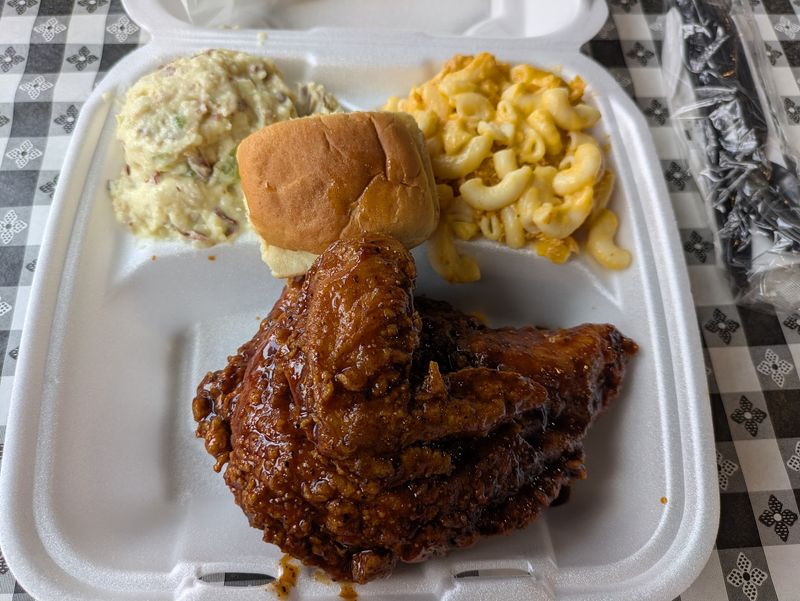
Located at 200 W Acadia Ave, Slappy’s Chicken strips away culinary pretense to focus entirely on North Carolina-style hot chicken and classic barbecue-adjacent sides. The menu centers on quarter-chicken plates and whole birds infused with a signature spicy-sweet homemade seasoning blend, served alongside collard greens and coleslaw.
Designed around outdoor picnic tables and straightforward counter service, Slappy’s operates on a compressed weekly schedule, closing on Sundays and operating limited afternoon hours early in the week. This focused business model minimizes food waste and operational overhead while maximizing product quality, a strategy increasingly adopted by independent fast-casual operators across the Southeast.
7. Di Lisio’s Italian Restaurant
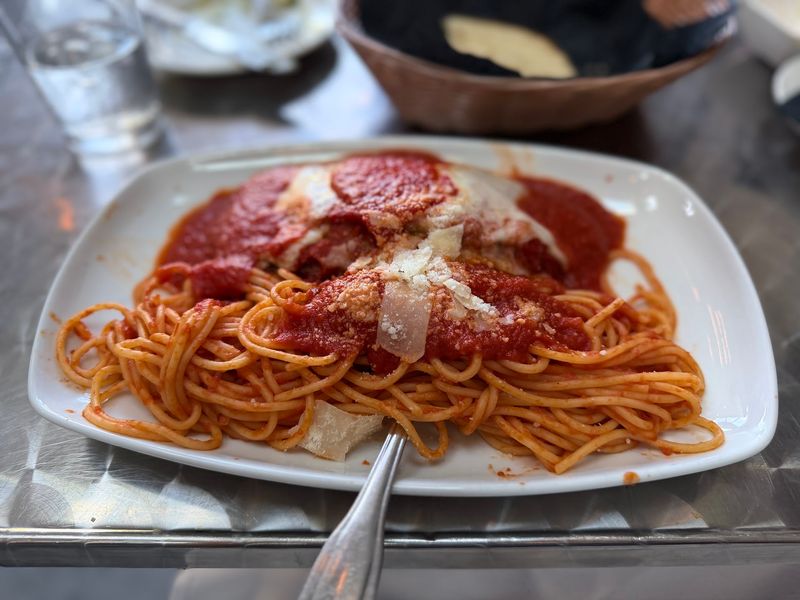
Positioned at 301 Brookstown Ave, Di Lisio’s Italian Restaurant anchors the historic Brookstown district with a traditional red-sauce menu. The kitchen balances familiar comfort dishes—such as baked ziti, lasagna, gnocchi, and eggplant parmigiana—with more specialized entrees including lobster ravioli and chicken saltimbocca.
Operating exclusively for dinner service Tuesday through Saturday, Di Lisio’s eschews reservations in favor of a walk-in model that generates vibrant, high-turnover dining rooms. Real estate analysts attribute the success of independent establishments in historic districts like Brookstown to their ability to complement surrounding retail and entertainment venues, creating synergistic foot traffic for the city center.
8. Mission Pizza Napoletana
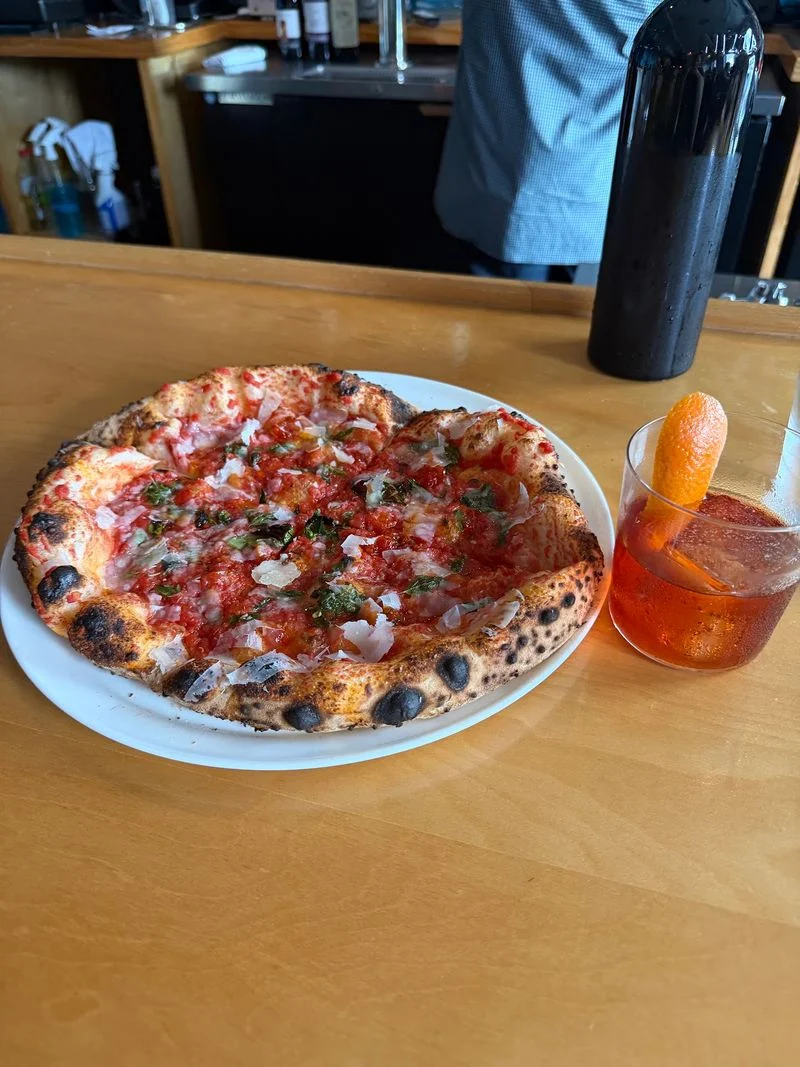
Located at 707 Trade St NW within the Downtown Arts District, Mission Pizza Napoletana represents the pinnacle of artisanal pizza craftsmanship in the region. Centered around a high-temperature wood-burning oven, the restaurant produces authentic Neapolitan-style pies alongside a rotating selection of handmade pastas, small plates, and seasonal salads.
The establishment’s rigorous adherence to traditional Neapolitan fermentation and baking techniques has earned it regional and national critical acclaim. Operating with a compact footprint, Mission Pizza emphasizes ingredient provenance, sourcing local and imported Italian components to ensure culinary authenticity. Culinary experts view such establishments as catalysts for urban revitalization, noting that destination eateries on commercial corridors like Trade Street elevate the surrounding property values and attract cultural tourists.
9. The Old Fourth Street Filling Station
Positioned at 871 W 4th St, The Old Fourth Street Filling Station occupies a historically significant adaptive reuse property, transforming a former automotive service station into a sophisticated New American bistro. The restaurant pairs an indoor fireplace with a sprawling covered terrace that accommodates diners and their canine companions.
The menu features a sophisticated seafood program—including shrimp and grits, seafood pasta, and jambalaya—alongside premium land proteins such as flank steak and steak sandwiches. The inclusion of dedicated lunch and brunch services, alongside a family-friendly operational posture, maximizes the commercial potential of the historic real estate footprint. Urban planners frequently cite adaptive reuse projects like the Filling Station as models for sustainable downtown development.
10. Midtown Cafe & Dessertery
Concluding this survey at 151 S Stratford Rd, Midtown Cafe & Dessertery represents a remarkable trajectory of small-business growth. Founded in 1987 as a modest specialty dessert shop, the establishment has evolved into a full-service cafe offering all-day breakfast, classic sandwich and salad lunches, and seasonal comfort dinners.
The defining feature remains its iconic dessert case, housing over thirty varieties of homemade cakes and pastries that frequently prompt patrons to select dessert prior to their savory courses. Voted repeatedly as a top regional destination for both breakfast and confections, Midtown Cafe demonstrates the enduring commercial viability of family-owned operations that maintain uncompromising standards of quality across decades of urban transformation.
Economic Implications and Future Outlook
The collective success of these ten establishments underscores the resilience and maturity of Winston-Salem’s hospitality sector. Data from local development agencies indicate that independent restaurants serve as primary drivers of downtown foot traffic, tourism revenue, and employment stability. As supply chain networks increasingly favor regional agricultural producers, Winston-Salem’s dining scene is well-positioned to leverage its agricultural proximity to sustain further growth.
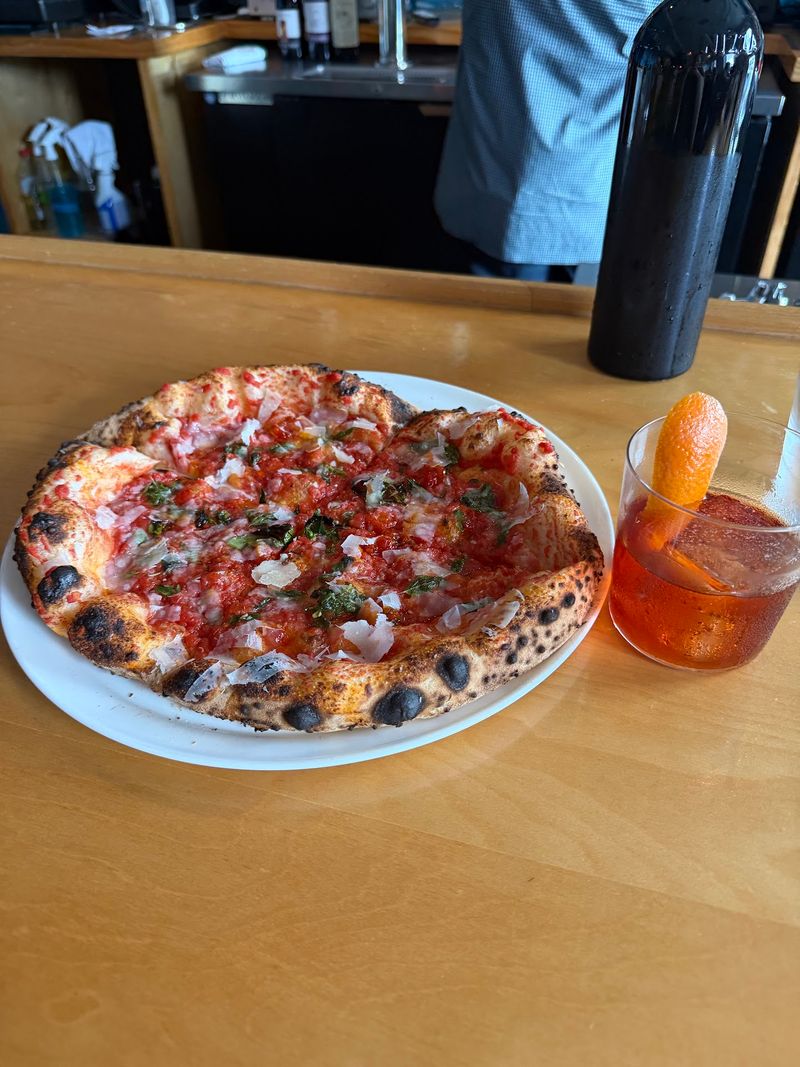
Ultimately, whether diners seek the rustic tranquility of a wooded stream at Ryan’s Restaurant, the artisanal precision of a wood-fired pie at Mission Pizza Napoletana, or the enduring comfort of a slice of cake at Midtown Cafe, Winston-Salem offers a diverse, resilient, and deeply rooted culinary landscape that continues to define the cultural identity of the Piedmont Triad.


 Diana Nuri Rohmawati

 Gabriela Annisa

 Lukman Taruna Persada Ramadan

 Tatiana Tantri Indah Sari

 Anjar Salim

