
 Anjar Salim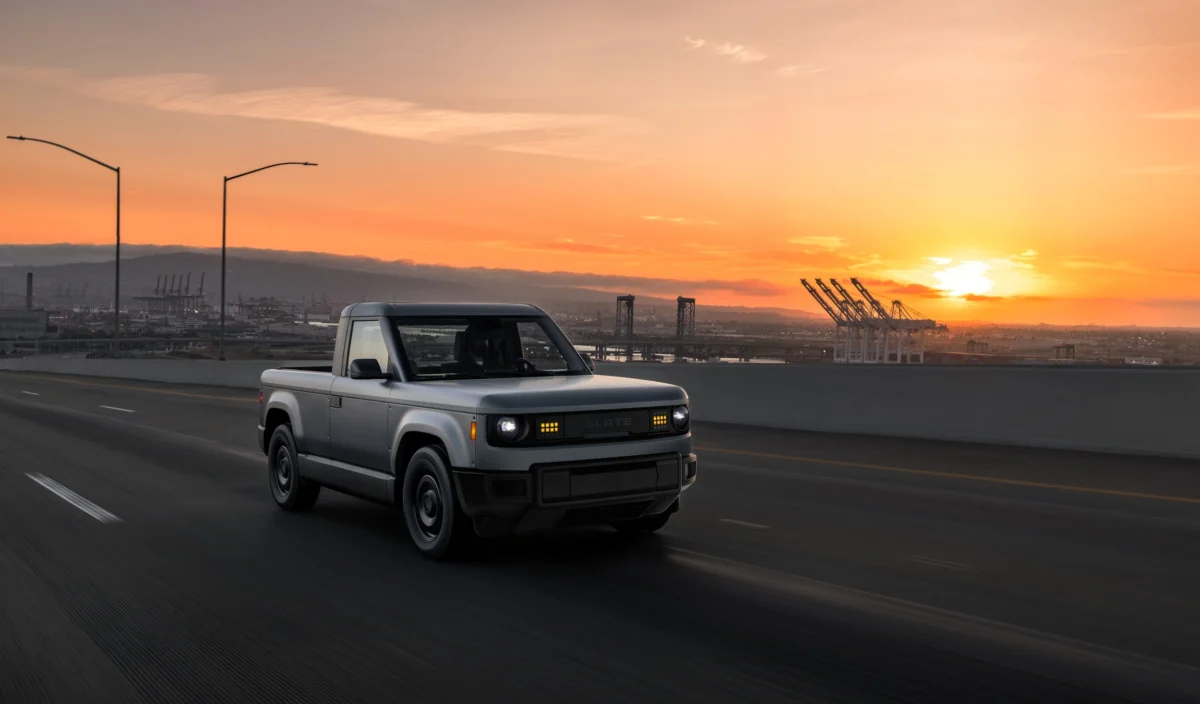
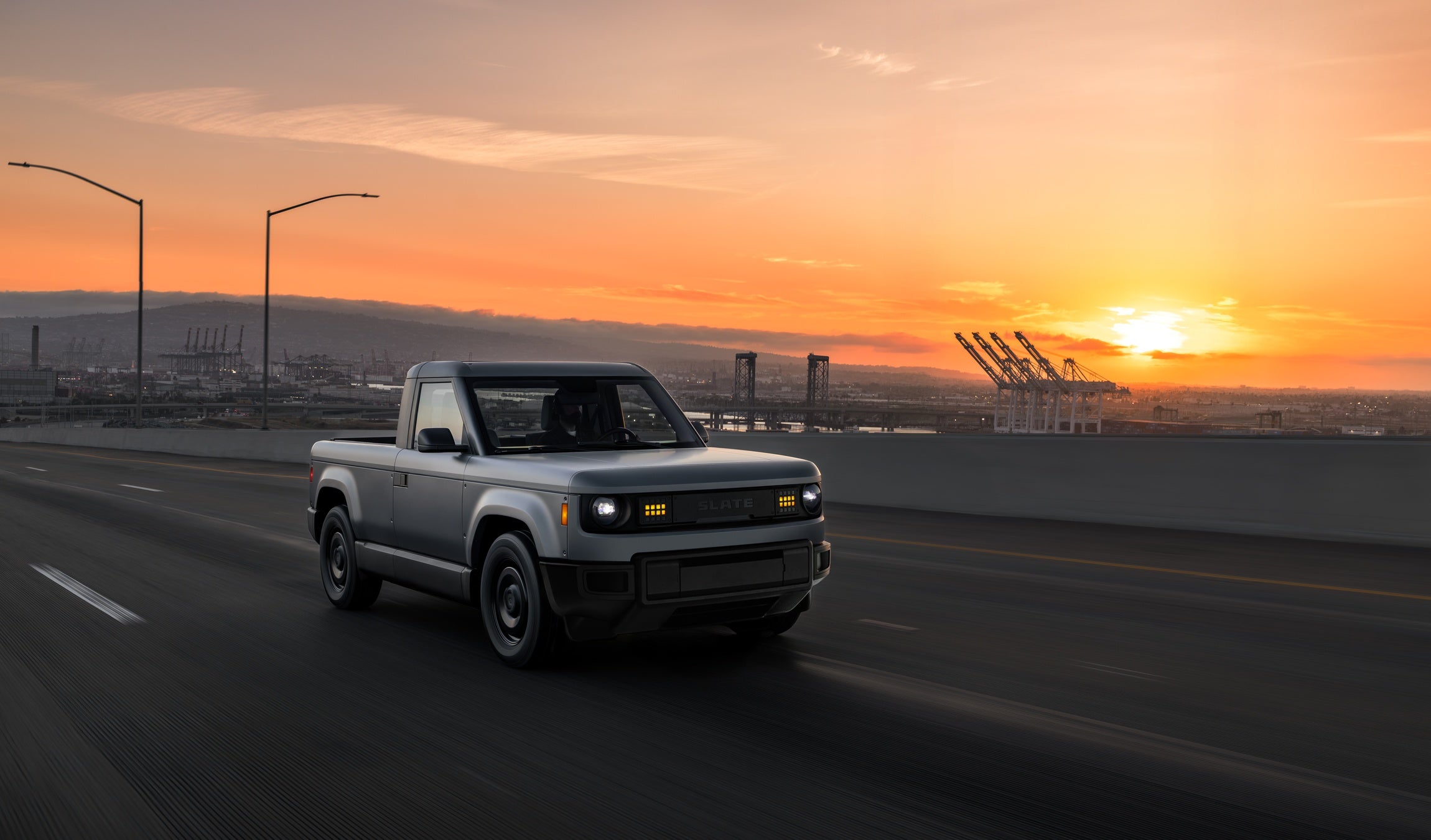
The Slate Electric Pickup, a product of a California-based startup, has officially transitioned from a high-desert prototype to a production-ready vehicle with a confirmed entry price of $24,950. As the automotive industry navigates a period of fluctuating demand for premium electric vehicles, Slate is positioning itself at the absolute floor of the market, offering the most affordable electric vehicle in the United States and the lowest-priced new pickup truck of any powertrain configuration. This strategic move comes as the company announces significant hardware upgrades, a finalized delivery timeline, and a manufacturing strategy centered in the American Midwest.
A Strategic Shift in the EV Landscape
When the Slate was first introduced earlier this year, industry analysts remained skeptical regarding the viability of a sub-$30,000 electric truck. The history of EV startups is littered with ambitious concepts that failed to reach the assembly line due to capital intensity and supply chain complexities. However, Slate has sought to differentiate itself by prioritizing simplicity over technological excess. The latest update confirms that the vehicle is no longer a theoretical exercise but a commercial reality, with the order books now open for a $300 preorder fee and more than 180,000 reservations already logged.
The company’s trajectory has been marked by a disciplined adherence to "utilitarian minimalism." While legacy automakers have focused on increasing screen sizes and autonomous driving suites—features that drive up both the MSRP and the weight of the vehicle—Slate has moved in the opposite direction. The result is a vehicle that challenges the prevailing "luxury-first" narrative of the electric transition.
Technical Specifications and the LFP Battery Pivot
The most significant technical update to the Slate is a 37 percent increase in driving range, now estimated at 205 miles on a single charge. This improvement was achieved through a fundamental shift in battery chemistry and architecture. Originally slated to use Nickel Manganese Cobalt (NMC) batteries, the engineering team pivoted to Lithium Iron Phosphate (LFP) chemistry.
While LFP is traditionally heavier and less energy-dense than NMC, it offers several key advantages for a budget-conscious utility vehicle:
- Durability: LFP batteries can be charged to 100 percent capacity daily with minimal degradation, unlike NMC batteries, which manufacturers typically recommend capping at 80 percent for longevity.
- Cost-Efficiency: LFP chemistry is significantly less expensive to produce, a factor critical to maintaining the $24,950 price point.
- Safety: LFP is more thermally stable, reducing the risk of thermal runaway.
By adopting a cell-to-pack architecture, Slate engineers were able to fit a 65 kWh pack (with 63 kWh usable) into the chassis more efficiently. This shift allowed for a more streamlined thermal management system; because LFP is more resilient to heat, the cooling pumps operate less frequently, thereby reducing parasitic power draw and extending the effective range.
Performance metrics remain competitive for the compact segment. The rear-wheel-drive motor produces 135 kW of power and 264 Nm of torque. While a zero-to-60 mph time of eight seconds is modest by EV standards, it matches or exceeds many internal combustion engine (ICE) compact trucks. The vehicle’s payload capacity has been finalized at 1,550 pounds, with a towing capacity of 2,000 pounds—sufficient for light utility work and recreational hauling.
The Philosophy of "Simple" Engineering
The interior of the Slate represents a radical departure from modern automotive trends. There is a total absence of an integrated infotainment touchscreen. Instead, the dashboard features a standard mounting point for a smartphone or tablet, delegating navigation and media tasks to the hardware the consumer already owns.
The vehicle utilizes physical knobs for climate control, a traditional column shifter, and manual crank windows. According to Slate’s engineering team, these choices were not merely cost-saving measures but durability plays. Manual windows eliminate the need for electrical motors, wiring harnesses, and switches within the door panels—components that are often the first to fail in high-use utility environments.
The exterior continues this theme of rugged practicality. The body panels are constructed from a proprietary polypropylene-and-talc composite. This material is designed to be "self-healing" in the sense that it resists denting from minor impacts, such as shopping carts or trail debris. The panels are unpainted, coming from the factory in a uniform grey, which reduces manufacturing complexity and eliminates the environmental impact of paint shops.
Modular Versatility and the SUV Conversion
While the flagship model is a pickup, Slate has introduced a modular system that allows the vehicle to be converted into an SUV. The "Squareback" and "Fastback" SUV kits start at $29,950 and are designed to be user-installed. These kits arrive flat-packed and can be bolted onto the truck bed in approximately one hour.
The conversion is more than aesthetic; the SUV panels are foam-filled composites that provide additional structural rigidity and acoustic insulation. Furthermore, the vehicle’s onboard proximity sensors automatically detect the installation of the SUV shell and reconfigure the airbag deployment algorithms to account for the change in cabin volume and occupant positioning. This level of integrated modularity is a first for the mass-market EV segment.
Manufacturing and Economic Impact
A critical component of Slate’s path to market is its manufacturing facility in Warsaw, Indiana. By repurposing existing industrial infrastructure in the "Rust Belt," Slate is tapping into a deep pool of automotive labor and established supply chains. This domestic production strategy also ensures that the vehicle remains eligible for various federal and state incentives, potentially lowering the effective cost for consumers even further.
The factory is currently operational, focusing on pre-production validation units. Slate has confirmed that first deliveries are scheduled for the fourth quarter of 2026. The decision to base operations in Indiana rather than a high-cost coastal hub is seen by industry observers as a move to protect margins and ensure long-term solvency.
Market Context and Competitive Analysis
The Slate enters a market where the average price of a new electric vehicle still hovers around $50,000. Its closest competitors in terms of footprint are the Ford Maverick (ICE/Hybrid) and the upcoming compact EVs from legacy brands. However, by undercutting the Maverick’s starting price while offering an electric drivetrain, Slate is targeting a demographic that has previously been priced out of the EV market: younger buyers, fleet operators, and rural consumers.
Industry analysts suggest that Slate’s success will depend on its ability to scale production to meet the 180,000-unit backlog. "The demand for a no-frills, affordable electric workhorse is clearly there," says Marcus Thorne, a senior automotive analyst. "The challenge for any startup is the ‘valley of death’ between taking reservations and achieving high-volume manufacturing. If Slate can maintain its $25,000 price point while scaling, they will have essentially created a new category of vehicle."
Accessory Ecosystem and Functional Design
To supplement the vehicle’s minimalist base trim, Slate has launched an accessory marketplace with over 175 items. Partners include established outdoor brands such as Yakima and Thule. Notable offerings include:
- Integrated Camp Kitchen: The "frunk" (front trunk) features built-in drains and cup holders, allowing it to function as a cooler or a mobile workstation.
- Inflatable Bed Topper: Developed by Flated, this drop-stitch topper provides the utility of a hard shell with the weight and storage benefits of an inflatable.
- Specialized Audio: A $250 speaker system tuned specifically for the Slate’s unique cabin geometry and materials.
The "Off-Road" Reality
Despite its rugged appearance, Slate executives are transparent about the vehicle’s limitations. In its base configuration, the Slate is a rear-wheel-drive vehicle with an open differential. While not a dedicated rock-crawler, the company offers a factory "adventure" package that includes a two-inch suspension lift and all-terrain tires, providing a total of three inches of additional ground clearance. This configuration is intended for "trailhead" access—the unpaved roads and fire trails that lead to hiking, biking, and camping destinations—rather than extreme off-roading.
Final Outlook
As the preorder window remains open, the automotive world is watching to see if Slate can deliver on its ambitious promises. The combination of a sub-$25,000 price, a 205-mile range, and a modular design offers a compelling alternative to the increasingly complex and expensive vehicles offered by mainstream manufacturers.
With the Warsaw factory active and the engineering finalized, the "proposition" of the Slate has become a concrete plan. If the company successfully begins deliveries in Q4 2026, it may not only secure its own future but also force a broader industry-wide reckoning regarding the necessity of luxury features in the transition to sustainable transport. For 180,000 reservation holders, the wait for a simple, affordable, and functional electric truck is nearing its conclusion.




 Chandra Hamzah
 Tatiana Tantri Indah Sari
 Budi Mulyono
