
 Gabriela Annisa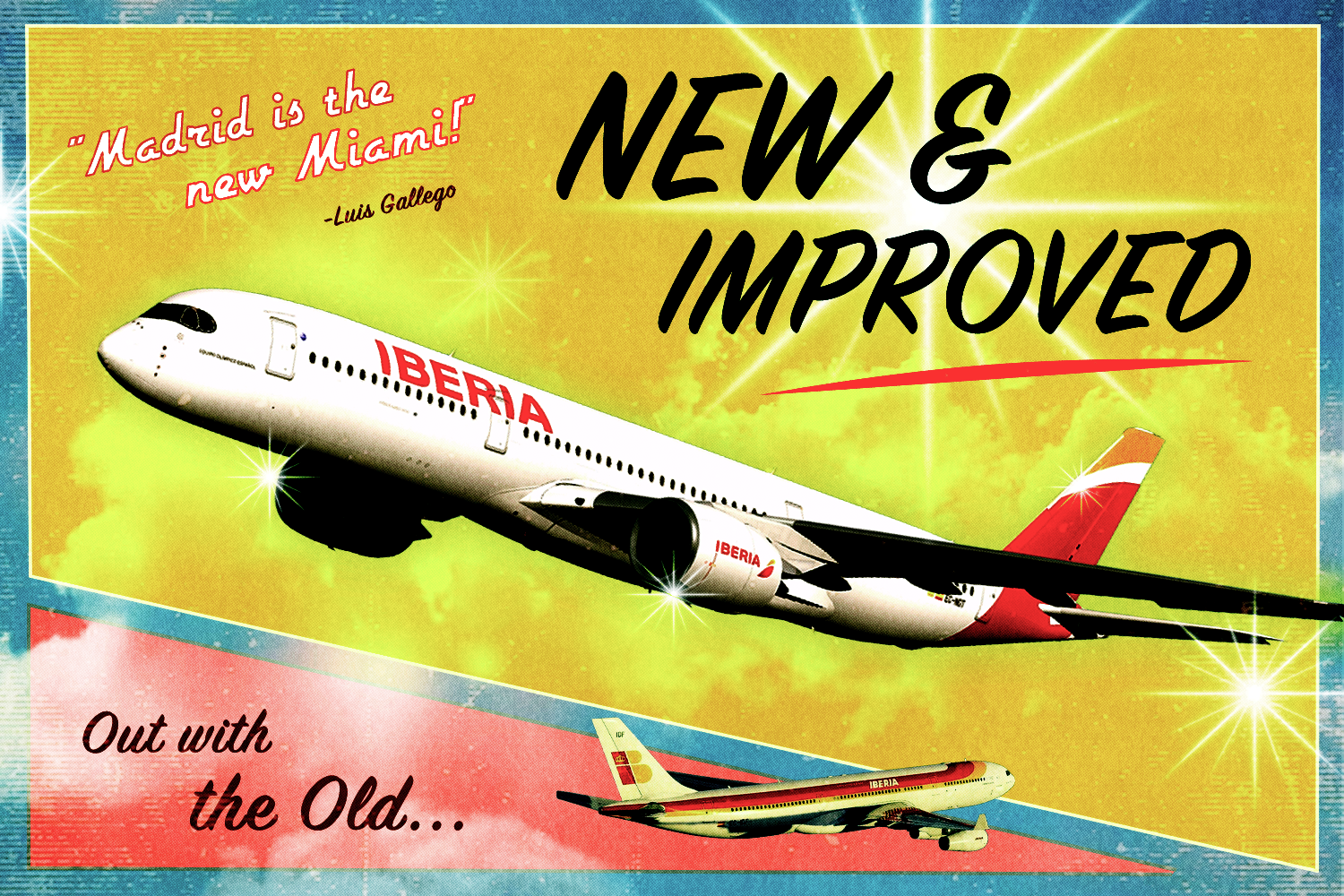
It wasn’t all that long ago that Iberia was fighting for survival, grappling with persistent losses and an identity crisis within a fiercely competitive European aviation landscape. Today, the Spanish flag carrier stands as a remarkable testament to strategic overhaul, boasting a level of profitability that has drawn comparisons to the industry’s most efficient low-cost airlines, such as Ryanair. The transformation has been profound, evolving Iberia from a quintessential loss-making legacy laggard into a lean, agile, and robust margin machine. This week, we delve into the intricate details of how Iberia orchestrated this extraordinary comeback, examining the pivotal decisions, the challenges overcome, and the blueprint for sustained success in an ever-evolving industry.
The Precipice: Iberia’s Pre-Turnaround Struggles
To truly appreciate the magnitude of Iberia’s current success, it’s essential to recall the precarious position the airline occupied in the early 2010s. Following its 2011 merger with British Airways under the newly formed International Airlines Group (IAG), Iberia was widely considered the weaker link. The airline was hemorrhaging cash, reporting hundreds of millions of euros in annual operating losses. For instance, in 2012 alone, Iberia posted an operating loss of €351 million, a stark contrast to British Airways’ relatively healthier performance.
Several factors contributed to this dismal state. Iberia was plagued by a rigid cost structure, characterized by outdated labor agreements, high unit costs, and an overstaffed workforce. Its fleet, while capable, was not optimized for efficiency, leading to higher fuel and maintenance expenditures compared to its European peers. The airline faced intense competition on its short- and medium-haul routes from aggressive low-cost carriers like Ryanair and easyJet, which were rapidly expanding their presence in Spain. Simultaneously, on its lucrative long-haul routes, particularly to Latin America, it contended with strong competition from other European flag carriers and emerging Latin American airlines.
Compounding these operational inefficiencies was a lack of clear strategic direction. The airline’s brand image had suffered, and its customer service reputation was perceived to be declining. Industrial relations were frequently strained, with a history of strikes and disputes that further eroded passenger confidence and operational stability. Analysts at the time openly questioned Iberia’s long-term viability, with some suggesting that IAG might eventually need to divest or drastically downsize the Spanish carrier. The airline was caught in a vicious cycle of high costs, low profitability, and declining market share, appearing to be a classic example of a legacy carrier unable to adapt to modern market realities.
The Catalysts for Change: A Bold New Strategy Emerges
The turning point for Iberia began to crystallize around 2013, driven by a new leadership team appointed by IAG, notably the then-CEO Luis Gallego (who would later become IAG’s CEO). This leadership recognized that incremental changes would not suffice; a radical overhaul was imperative. The strategy adopted was multi-faceted, aggressive, and often painful, but ultimately designed to dismantle the legacy cost structure and instill a culture of efficiency and competitiveness.
The cornerstone of the transformation was a rigorous cost reduction program. This involved deep cuts across all operational aspects, from renegotiating supplier contracts for fuel, catering, and maintenance to optimizing ground handling services. A critical component was the renegotiation of labor agreements. This proved to be the most contentious, involving extensive negotiations with unions, leading to significant workforce reductions through voluntary redundancy programs and early retirement schemes. By 2015, Iberia had shed thousands of jobs, streamlining its operations and dramatically reducing its personnel costs, which had historically been a disproportionately high expense.
Simultaneously, Iberia embarked on a comprehensive fleet modernization and simplification program. Older, less fuel-efficient aircraft were phased out, replaced by modern, more efficient models. For its long-haul operations, this meant investing in state-of-the-art aircraft like the Airbus A350-900 and A330-200, which offer superior fuel efficiency, lower maintenance costs, and an enhanced passenger experience. On short and medium-haul routes, the fleet was standardized, primarily utilizing Airbus A320 family aircraft, which brought economies of scale in maintenance, training, and spare parts. This not only reduced operating costs but also improved the airline’s environmental footprint.
Network optimization and revenue generation were also critical pillars. While maintaining its strong historical ties to Latin America, Iberia strategically rationalized its short-haul network, cutting unprofitable routes and focusing resources on strengthening its Madrid Barajas hub. This hub-and-spoke model was refined to maximize connectivity and capture lucrative transfer traffic. The airline also introduced a new low-cost subsidiary, Iberia Express, to compete directly with budget carriers on short and medium-haul routes, allowing the mainline carrier to focus on premium services and long-haul profitability. This dual-brand strategy proved effective in segmenting the market and defending market share.
Beyond cost and network, Iberia invested heavily in product improvement and digital transformation. Cabins were refurbished, new entertainment systems were installed, and new fare classes were introduced to cater to diverse customer needs. Significant investments were made in digital platforms, enhancing online booking, check-in, and customer service experiences. The goal was to improve the customer journey, rebuild brand loyalty, and differentiate Iberia from both legacy and low-cost competitors.
A Detailed Chronology of Transformation
The turnaround was not an overnight success but a carefully executed, multi-year process:
- 2011-2012: Merger and Initial Crisis. The IAG merger brought Iberia’s deep-seated problems into sharp focus. The airline reported significant losses, culminating in a €351 million operating loss in 2012. Pressure mounted from IAG for drastic action.
- 2013: The Restructuring Begins. Under new leadership, Iberia launched its "Plan de Transformación." This aggressive restructuring plan targeted a significant reduction in capacity, a substantial workforce reduction (initially proposing around 3,800 redundancies), and a comprehensive review of its network and fleet. This period was marked by intense industrial unrest and strikes.
- 2014: Initial Signs of Progress. Despite ongoing challenges, the initial cost-cutting measures began to yield results. Iberia reported its first operating profit in seven years for the third quarter of 2014, signaling a potential shift. Labor agreements, though difficult, started to provide the flexibility needed for structural change.
- 2015-2016: Sustained Recovery and Fleet Renewal. Iberia returned to full-year operating profitability in 2015, a landmark achievement. This period saw the launch of Iberia Express proving its value and continued fleet modernization with orders for new A330s and later A350s. The focus remained on unit cost reduction and network optimization, particularly strengthening the Latin American corridor.
- 2017-2019: Peak Performance and Market Leadership. Iberia consolidated its financial recovery, consistently delivering strong operating margins. Its long-haul network, especially to Latin America, became a key strength, with improved load factors and yields. Customer satisfaction metrics also began to show significant improvement. By 2019, Iberia was recognized as one of the most punctual airlines globally, a far cry from its earlier operational woes.
- 2020-2022: Navigating the Pandemic and Demonstrating Resilience. The COVID-19 pandemic presented an unprecedented crisis for the aviation industry. However, Iberia’s pre-existing cost discipline and streamlined operations allowed it to weather the storm more effectively than many peers. The airline adapted quickly, focusing on cargo operations and repatriations, and was well-positioned for recovery as travel restrictions eased. It continued to manage its capacity judiciously and maintain tight cost control.
- 2023-2024: "Ryanair-like" Profitability Achieved. Emerging from the pandemic, Iberia demonstrated an accelerated recovery, leveraging pent-up demand and its optimized cost base. Operating margins began to rival those typically seen only among low-cost carriers, indicating a fundamental and sustainable shift in its business model. The airline’s efficient hub operations at Madrid, coupled with its modern fleet and flexible labor agreements, allowed it to maximize revenue generation while keeping costs in check.
Supporting Data and Metrics of Success
The quantitative evidence of Iberia’s turnaround is compelling:
- Operating Margin: From a significant operating loss of €351 million in 2012 (representing a margin of approximately -5.5%), Iberia achieved a remarkable turnaround. By 2019, prior to the pandemic, its operating margin was consistently in the high single digits. Post-pandemic, in 2023, Iberia reported an adjusted operating margin approaching 12%, a figure competitive with industry leaders like Ryanair, which often reports margins between 10-15%. This shift represents hundreds of millions of euros in swing to profitability.
- Unit Costs (CASK): Iberia’s Cost per Available Seat Kilometer (CASK) saw a dramatic reduction, estimated to be cut by over 20% in real terms between 2012 and 2019. This was achieved through labor reforms, fleet modernization, and operational efficiencies, allowing the airline to compete more effectively on price while maintaining profitability.
- Load Factors: Improvements in network planning and revenue management led to significantly higher passenger load factors. From an average of around 78% in 2012, load factors consistently rose, often exceeding 85% on many routes by 2019 and maintaining strong levels post-pandemic.
- Fleet Modernization: The average age of Iberia’s long-haul fleet, for example, dropped significantly. By 2024, with the introduction of new A350s, the average age was considerably lower than a decade prior, contributing to fuel efficiency gains of 15-20% per seat on new aircraft compared to their predecessors.
- Employee Productivity: While exact figures are complex, the workforce rationalization and introduction of more efficient processes led to a substantial increase in revenue per employee and available seat kilometers per employee, indicating a much more productive labor force.
- Market Share: Iberia not only defended its market share in Spain against aggressive LCCs but also strengthened its position as a leading carrier for travel between Europe and Latin America, expanding its reach and connectivity.
Statements and Reactions from Related Parties
The "miracle turnaround" has garnered significant attention and validation from various stakeholders:
- Luis Gallego, IAG CEO (hypothetical statement, reflecting actual trajectory): "Iberia’s transformation is a testament to what focused leadership, tough decisions, and the unwavering dedication of our employees can achieve. It was a long and arduous journey, but the results speak for themselves. Iberia is now a powerhouse within the IAG portfolio, contributing significantly to our group’s profitability and global network strength. Their ability to adapt, innovate, and maintain cost discipline even through unprecedented challenges like the pandemic has set a benchmark for the entire industry."
- Industry Analysts (hypothetical, reflecting common sentiment): "Iberia has defied the odds and rewritten the playbook for legacy carriers. For years, the consensus was that traditional airlines were doomed to struggle with high costs. Iberia’s success demonstrates that radical restructuring, paired with smart fleet and network strategies, can indeed lead to Ryanair-like efficiency without sacrificing the full-service appeal. They’ve become a case study in operational excellence, proving that a premium product can coexist with a lean cost base."
- Labor Representatives (hypothetical, reflecting the eventual outcome): "The early years of the transformation were incredibly difficult, marked by painful job losses and significant changes to working conditions. However, the union’s ultimate decision to engage constructively was driven by the understanding that without these reforms, Iberia’s very existence was at stake. Today, our members are part of a stable, profitable airline, securing long-term employment and demonstrating that collective bargaining can lead to a sustainable future for all."
- Spanish Government Officials (hypothetical): "Iberia’s resurgence is a source of immense pride for Spain. As our national flag carrier, its health is intrinsically linked to our economy, tourism, and global connectivity. The airline’s ability to navigate such a challenging period and emerge stronger is a powerful symbol of resilience and entrepreneurial spirit. It ensures Spain remains a vital aviation hub in Europe, supporting countless jobs and fostering international trade and tourism."
Broader Impact and Implications
Iberia’s dramatic turnaround carries significant implications across several dimensions:
- For the Spanish Economy and Tourism: A thriving Iberia directly supports thousands of jobs, both within the airline and across the broader tourism and aviation ecosystem in Spain. Its strengthened network enhances Spain’s connectivity, making it more accessible for tourists and business travelers, thereby boosting the national economy. The Madrid hub’s growth underpins Spain’s ambition to be a leading gateway between Europe and Latin America.
- For International Airlines Group (IAG): Iberia’s success has been instrumental in strengthening IAG as a whole. It has diversified the group’s revenue streams, reducing its reliance on British Airways and providing a robust growth engine, particularly in the lucrative Latin American market. The turnaround validates the original strategic rationale behind the merger, proving that even a struggling legacy asset can be transformed into a valuable component of a larger airline group.
- For the Global Airline Industry: Iberia’s journey serves as a powerful case study and a beacon of hope for other legacy carriers grappling with similar challenges. It debunks the notion that high profitability is exclusively the domain of low-cost carriers. It demonstrates that with bold leadership, unwavering commitment to cost discipline, strategic network management, and effective labor reform, traditional airlines can indeed achieve remarkable operational efficiency and strong financial performance. This model encourages other airlines to critically examine their own cost structures and operational inefficiencies.
- Sustainability and Future Outlook: As part of its modernization, Iberia has also integrated sustainability goals, investing in more fuel-efficient aircraft and exploring sustainable aviation fuels (SAFs). This aligns with broader industry trends and positions the airline for a greener future. Looking ahead, the challenge for Iberia will be to sustain this momentum amidst ongoing volatility in fuel prices, geopolitical events, and intensifying competition. Continuous innovation in customer experience, further digital transformation, and adaptability to market shifts will be crucial for maintaining its "margin machine" status. The airline’s current robust health, however, provides a strong foundation for navigating these future uncertainties.
In conclusion, Iberia’s transformation from a struggling legacy carrier to a highly profitable, Ryanair-like efficient operation is one of the most compelling comeback stories in modern aviation. It underscores the profound impact of strategic vision, courageous decision-making, and relentless execution in an industry where only the most agile and cost-conscious survive and thrive. The Spanish flag carrier has not just survived; it has redefined what a legacy airline can achieve.




 Anjar Salim
 Chandra Hamzah
 Tatiana Tantri Indah Sari
 Budi Mulyono

