
 Gabriela Annisa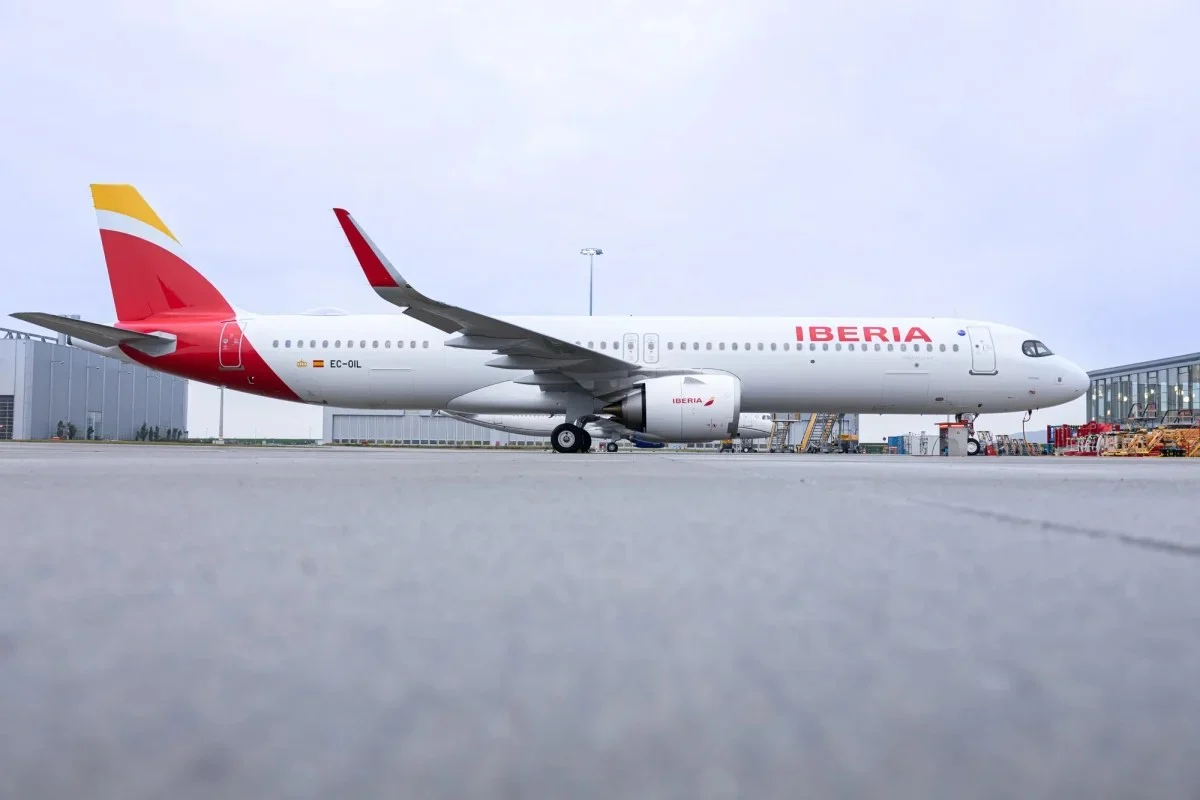
Madrid, Spain – In a striking reversal of fortunes that has reshaped Europe’s aviation landscape, Iberia, Spain’s flag carrier, has ascended to become one of the world’s most profitable airlines. Achieving an impressive 16.4% operating margin in 2025, Iberia now stands shoulder-to-shoulder with low-cost giant Ryanair, which reported a 16.7% margin for the same period. This achievement marks the culmination of a decade-plus transformation from what was once an airline plagued by dysfunction often likened to the troubled Italian carrier, Alitalia. Meanwhile, on the other side of the globe, Singapore Airlines (SIA) delivered a strong core performance in its January-March quarter, posting a 15% operating margin. However, its significant 25% stake in the newly privatized Air India continues to be a drag on its net results, reigniting a long-standing debate about SIA’s strategic equity investments and its reliance on a single hub.
Iberia’s Phoenix-Like Ascent: From Crisis to Contender
From Crisis to Contender: Iberia’s Decade-Long Transformation
Fifteen years ago, Iberia was a starkly different entity. At the time of its merger with British Airways in 2011, which subsequently led to the formation of International Airlines Group (IAG), Spain was reeling from a severe housing crisis, and its economy was deeply troubled. Iberia mirrored this national malaise, characterized by high costs, an overstaffed workforce, outdated IT systems, and an aging fleet heavily reliant on fuel-guzzling four-engine Airbus A340s. The airline was struggling to compete against the relentless expansion of low-cost carriers like Ryanair, which saw Spain as a prime market for growth and was actively "picking at Iberia’s carcass" by undercutting fares and seizing market share. The airline’s operational inefficiencies and lack of exposure to lucrative Asian markets further compounded its woes, making it a poster child for legacy airline dysfunction. Public perception was low, and its financial performance was dire, recording a negative 7% operating margin in 2012, a year after the IAG merger. This period represented a critical juncture, where the airline’s survival hinged on radical change.
The Gallego Doctrine: A Strategy of Aggressive Reform
The turning point arrived with the appointment of Luis Gallego as CEO. Gallego, described as walking into Iberia’s Madrid headquarters "with a giant axe," embarked on an aggressive and often contentious reform program. His strategy centered on deep cost-cutting, ruthless route rationalization, and a fundamental overhaul of the airline’s operational framework. This included fierce battles with unions, which led to strikes and significant unrest, but ultimately paved the way for more flexible labor agreements and improved productivity.
A cornerstone of Gallego’s turnaround plan was fleet modernization. The inefficient A340s were progressively retired and replaced with more fuel-efficient, modern aircraft such as the Airbus A350s and A330s. This refleeting not only reduced operational costs but also enhanced the passenger experience. To address the challenge posed by low-cost competition on short-haul routes, Iberia Express was launched as a low-cost subsidiary, allowing the group to compete more effectively within Spain and Europe. Later, IAG’s acquisition of Vueling further bolstered its low-cost presence. Gallego’s tenure laid the groundwork for a leaner, more agile, and financially disciplined airline, capable of adapting to the dynamic European market.
A March Towards Unprecedented Profitability
The impact of these reforms became evident in Iberia’s financial trajectory. After the negative 7% operating margin in 2012, the airline returned to profitability by 2014, a significant milestone. The margin progression since then has been consistently upward: reaching 9% by 2019, a level that, pre-pandemic, would already have been considered a robust turnaround. However, the post-pandemic recovery saw Iberia accelerate its performance dramatically. In 2023 and 2024, its operating margin stood at a remarkable 14%. The 2025 figure of 16.4% underscores its elite status, placing it almost on par with Ryanair’s 16.7%, a benchmark for profitability in the European airline industry. Even more impressively, Iberia posted a 9% operating margin in the first quarter of 2025, an off-peak winter period, which is an exceptional achievement for a full-service carrier in Europe. This sustained upward trend demonstrates that the turnaround not only survived the global aviation shutdown but emerged stronger, well past its pre-pandemic levels.
Madrid: The Strategic Hub for Growth
A key factor in Iberia’s success, and indeed IAG’s broader strategy, has been the strategic advantage of its primary hub, Madrid-Barajas Adolfo Suárez Airport (MAD). Unlike capacity-constrained hubs such as London Heathrow, Madrid offers significant room for growth. This potential for expansion was a major draw for British Airways when it merged with Iberia, seeking a gateway that could accommodate future network development.
Beyond airport capacity, Spain’s economy has emerged as a star performer in Europe. While the continent’s average GDP growth hovered around 1%, Spain’s economy expanded by roughly 3% last year, driven largely by a booming tourism industry. The influx of American tourists, leveraging strong exchange rates and disposable incomes for European travel, has particularly benefited Spain. Madrid acts as a crucial entry point and connecting hub for these visitors, whether they are heading to the Spanish mainland, the Balearic or Canary Islands, or onward to other European destinations. Furthermore, geopolitical shifts, such as recent airspace disruptions in the Middle East (e.g., Red Sea crisis impacting routes through Gulf hubs), have inadvertently redirected some tourism demand back to Western Europe, further bolstering Iberia’s markets. The phenomenon of "shoulder season" extension, where retirees and empty-nesters choose to travel in traditionally off-peak months like March, April, September, and October, has also allowed Iberia to command decent yields throughout more of the year, reducing the need for heavy discounting.
Latin American Dominance and Transatlantic Expansion
Iberia’s focus on Latin America has consistently proven to be a crown jewel in its network. The airline commands approximately a 20% market share on routes between Europe and Latin America. While the region is often characterized by economic volatility and currency swings, Iberia has managed to consistently perform strongly, especially in the post-pandemic era. This resilience is partly due to significant immigration flows from Latin America into Spain, which generates robust VFR (Visiting Friends and Relatives) traffic. IAG executives have even coined the phrase "Madrid is the new Miami" to describe the Spanish capital’s growing status as a cultural and economic bridge between Europe and Latin America. Business investment and tourism flows in both directions further strengthen these connections.
Iberia has strategically configured its modern fleet, particularly its A350s, with intelligent cabin layouts (LOPAs). These aircraft often feature a densely configured economy class to accommodate high volumes of traffic, including immigrant communities, while simultaneously monetizing a strong premium cabin demand. The growth in premium traffic (business class and premium economy) between 2019 and the present has been extraordinary, reportedly increasing by around 30%, highlighting the success of this dual-strategy approach.
Looking ahead, Iberia is leveraging its new Airbus A321XLRs (extra long-range narrow-body aircraft) to expand its transatlantic footprint. These aircraft, capable of flying routes that were previously the exclusive domain of wide-body jets, allow Iberia to open new direct services to destinations like Boston, Washington, and Newark on the U.S. East Coast. This strategic move not only deepens its North American presence but also enables it to pursue lucrative Brazilian traffic more aggressively, directly competing with TAP Air Portugal, which traditionally held a strong position in this market. The A321XLRs are particularly well-suited for serving the Northeast of Brazil, offering new growth avenues.
Operational Excellence and Future Outlook
Iberia’s success extends beyond route and fleet strategies to operational efficiency. The airline maintains a booming aircraft maintenance business, a valuable asset in a market currently experiencing tight supply. Its unit costs are notably lower than those of major European competitors like Air France and Lufthansa, providing a significant competitive edge. Iberia consistently ranks high in global on-time performance surveys by firms like Cirium, indicating robust operational discipline. Luis Gallego’s instrumental role in the turnaround was recognized with his promotion to CEO of the entire IAG empire. Under the current leadership of CEO Marco Sansovini, Iberia continues to uphold these standards, demonstrating the enduring strength of the implemented reforms. While IAG’s attempts to acquire Air Europa and TAP Air Portugal faced regulatory hurdles, Iberia’s organic growth and strategic positioning have proven immensely successful, cementing its status as a global leader in airline profitability.
Singapore Airlines: Navigating Geopolitical Winds and Equity Challenges
Strong Core Performance Amidst Regional Flux
In contrast to Iberia’s long-term transformation, Singapore Airlines (SIA) continues to demonstrate robust operational performance in its core business. The first calendar quarter of 2025 (January-March) saw SIA achieve an impressive 15% operating margin, a significant leap from the 6% recorded in the same period last year. This strong showing was partly attributed to ongoing strength in premium long-haul demand, a segment where SIA traditionally excels. Additionally, geopolitical events, specifically airspace disruptions in the Middle East (e.g., related to conflicts in the region and the Red Sea crisis), played a role. These disruptions led to traffic being diverted away from key Gulf hubs like Dubai and Doha, benefiting SIA as a major competitor for Europe-Australasia and intra-Asia-Europe traffic flows. With its world-class service and Changi Airport hub, SIA was well-positioned to capitalize on these shifts, attracting passengers seeking alternative, stable routes.
The Air India Albatross: A Recurring Investment Dilemma
Despite its strong operational quarter, SIA’s financial results were significantly impacted by its 25% stake in Air India. The Indian flag carrier posted a substantial loss of approximately $2.6 billion, which, while not directly affecting SIA’s operating profit, considerably dragged down its net results. This situation has revived a persistent narrative surrounding SIA’s investment strategy: a history of regretted equity investments. For decades, SIA has grappled with a "structural anxiety" stemming from its reliance on a single hub (Singapore Changi Airport) with no domestic market. This vulnerability to external competition and the desire for diversification has driven SIA to pursue stakes in various foreign airlines, often with disappointing outcomes. Past examples include its 49% stake in Virgin Atlantic (later sold to Delta), attempted ventures in Australia (Ansett Australia, Virgin Australia), New Zealand (Air New Zealand), and even China Eastern, all of which ultimately proved to be financial setbacks or failed to materialize as strategic successes. The Air India investment, for many analysts, appears to be the latest iteration of this recurring dilemma.
India Strategy: From Vistara to a Complex Merger
SIA’s interest in the vast Indian market dates back to the 1990s. For years, the Indian government’s reluctance to privatize Air India left SIA searching for alternative entry points. This led to the formation of Vistara, a joint venture with India’s powerful Tata Group, launched before the COVID-19 pandemic. Vistara was conceived as a modern, clean-sheet airline, equipped with new Dreamliner aircraft and Airbus narrow-bodies, quickly earning positive reviews and a reputation for quality in the Indian market. It was seen as SIA’s ideal foothold for domestic, regional, and intercontinental flying in a burgeoning economy.
However, the landscape shifted dramatically in 2022 when the Indian government finally privatized Air India, selling it to the Tata Group. Seizing this long-awaited opportunity, SIA agreed to merge Vistara into Air India and acquired a 25% stake in the newly revitalized national carrier. This complex deal also saw the inclusion of Air India Express and Air Asia India into the Air India umbrella, creating a formidable, albeit challenging, conglomerate of four distinct airlines under one brand.
Air India’s Rocky Road to Transformation
The integration of four diverse airlines, each with its own fleet, IT systems, corporate culture, and union agreements, has proven to be an immense undertaking. The sheer complexity has led to significant operational and financial headwinds. Beyond internal integration challenges, Air India has faced a barrage of external shocks. A tragic accident in the past year, though unspecified in detail, undoubtedly impacted operations and public perception. Geopolitical tensions, including the inability to fly over Pakistani airspace and more recently, restrictions over Iranian airspace, have necessitated longer, costlier routes for many of Air India’s international flights. Furthermore, global fuel spikes have exacerbated operating expenses.
Under the "Vihon.ai" transformation program, led by former SIA and Scoot executive Campbell Wilson, Air India had made significant strides in upgrading its fleet, IT systems, and overall service. However, the confluence of internal complexities and external pressures has meant that much of this progress has yet to translate into sustained profitability. Wilson’s recent departure from Air India further underscores the formidable challenges that await his successor, who will inherit an airline that, despite substantial investment and reform efforts, is still grappling with fundamental issues and external vulnerabilities. The role is widely perceived as one of the most demanding in the global aviation industry, with stakeholders ranging from government officials to the flying public maintaining a keen interest in the flag carrier’s performance, even under private ownership.
Strategic Rationale vs. Investor Concerns
SIA maintains an official stance that its investment in Air India, while currently unprofitable, will ultimately be "strategically accretive" in the long run. The airline expresses continued belief in the potential of the Indian market and Air India’s eventual turnaround. However, this optimism is often met with skepticism from analysts and investors, who point to SIA’s history of unsuccessful equity investments and the substantial losses incurred by Air India. The fundamental challenge for SIA remains balancing its strategic imperative to diversify beyond its single-hub model with the financial risks associated with complex international airline integrations. The long-term success of the Air India venture will be a critical determinant of SIA’s future growth trajectory and its ability to secure a lasting foothold in one of the world’s largest and fastest-growing aviation markets.
Contrasting Trajectories in a Dynamic Industry
The contrasting narratives of Iberia and Singapore Airlines offer valuable insights into the dynamic and often unpredictable nature of the global aviation industry. Iberia’s journey from the brink of collapse to a profitability leader is a testament to the power of aggressive internal reform, strategic fleet modernization, and leveraging favorable external factors such as a booming national economy and a strategically positioned hub. Its success demonstrates that legacy carriers can indeed compete and thrive against low-cost giants by focusing on efficiency, service, and targeted market dominance, particularly in high-yield segments like Latin America.
Conversely, Singapore Airlines, while maintaining operational excellence in its core business, faces the complex challenge of balancing strategic expansion with financial prudence. Its Air India venture highlights the inherent difficulties and risks associated with cross-border airline mergers and the enduring struggle of legacy carriers to diversify successfully beyond their home markets, especially when confronting geopolitical instability and the immense complexities of integrating diverse airline cultures. Both airlines operate in a landscape where internal discipline and external forces—ranging from economic booms and tourism trends to geopolitical conflicts and airspace restrictions—play equally significant roles in shaping their destinies. Their ongoing stories will continue to provide critical lessons for the global aviation sector as it navigates an ever-evolving future.




 Anjar Salim
 Chandra Hamzah
 Tatiana Tantri Indah Sari
 Budi Mulyono
 Lukman Taruna Persada Ramadan
