
 Anjar Salim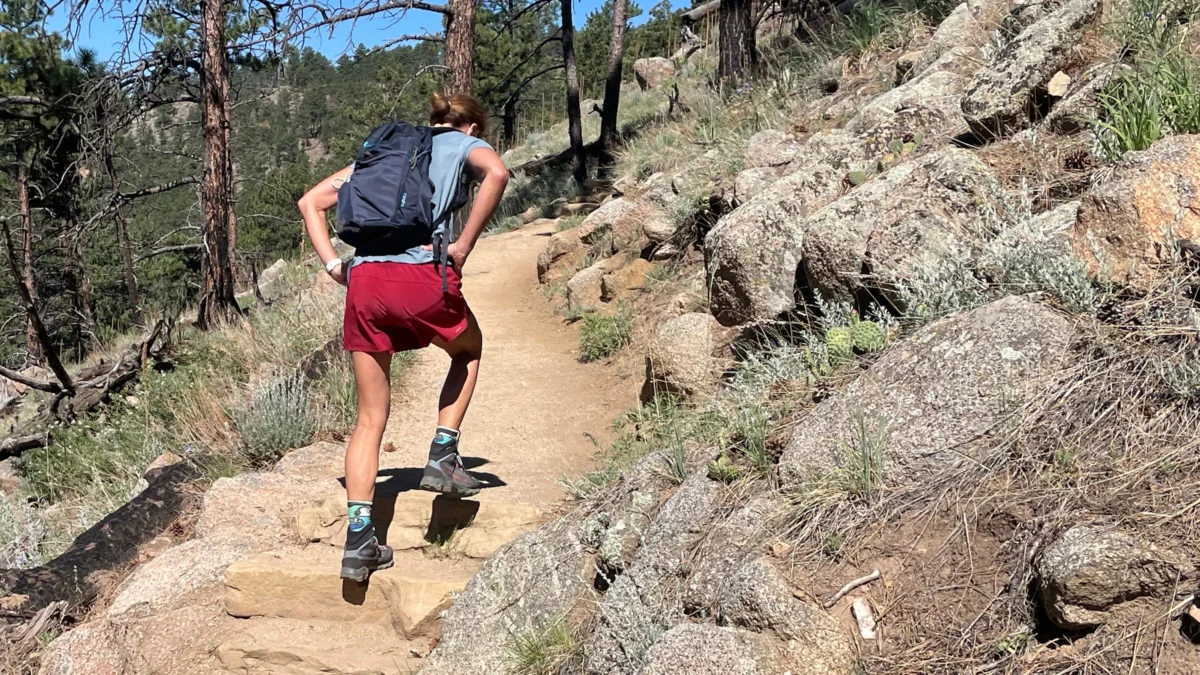
The debate over the ideal footwear for traversing rugged terrain has undergone a significant transformation over the last decade, shifting from a consensus favoring heavy-duty leather boots to a more nuanced appreciation for lightweight, high-performance alternatives. In June 2026, a series of comprehensive field tests conducted on technical trail loops provided new data on the performance gap between trail running shoes and traditional hiking boots. As outdoor enthusiasts increasingly adopt a "light and fast" philosophy, the industry has responded with specialized gear that blurs the lines between athletic performance and backcountry durability. This analysis explores the physiological and mechanical differences between these two categories, utilizing direct comparisons of flagship models from leading manufacturers to determine which serves the modern hiker best.
The Methodology: A Controlled Comparative Study
To isolate the variables of weight, support, and fatigue, a structured experiment was conducted across various terrains, including hilly, ungroomed trails and rocky technical sections. The testing protocol involved "split-hike" comparisons: a hiker would begin a looped trail in one type of footwear and transition to the other at the halfway mark. This process was repeated twice, alternating the order of the footwear to account for muscle fatigue and changing trail conditions. Additionally, each shoe was tested individually on full-length hikes to assess long-term comfort and durability.
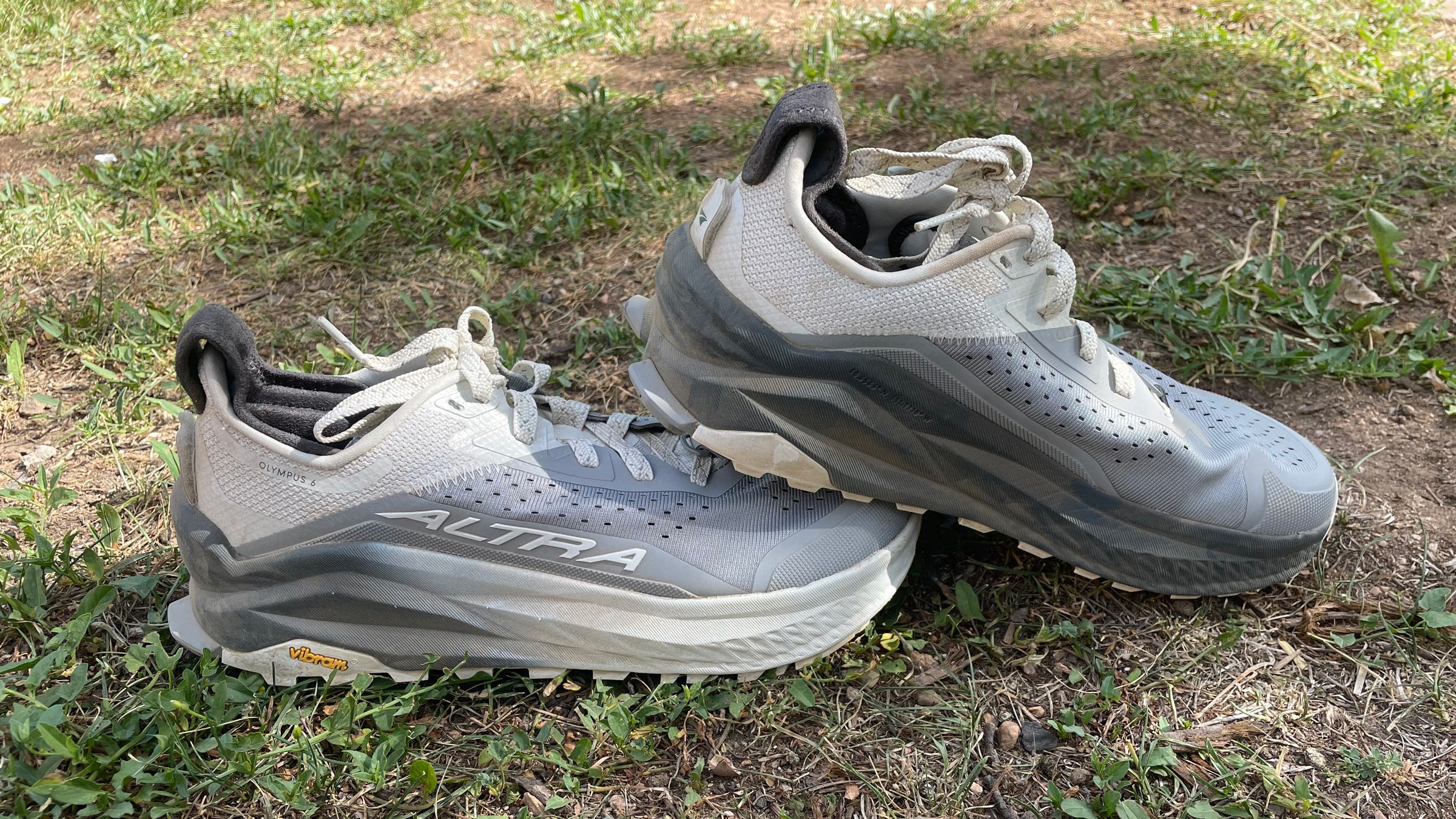
The focus of the 2026 study remained on "sibling" products—footwear from the same brands that share core technologies and fit profiles but diverge in their performance intent. The primary subjects of this comparison included the La Sportiva Prodigio Pro (trail runner) versus the La Sportiva Aequilibrium Hike GTX (boot), and the Altra Olympus 6 (trail runner) versus the Altra Olympus 6 Hike Mid GTX (boot). This approach allowed for a direct assessment of how a higher ankle cuff or a stiffer midsole affects the user experience when the underlying last and brand-specific ergonomics remain constant.
Chronology of the Field Tests
The testing period commenced in early June 2026, coinciding with the peak of the summer hiking season. The initial phase focused on the La Sportiva pairing, conducted on technical, high-elevation trails where foot placement and traction are paramount.
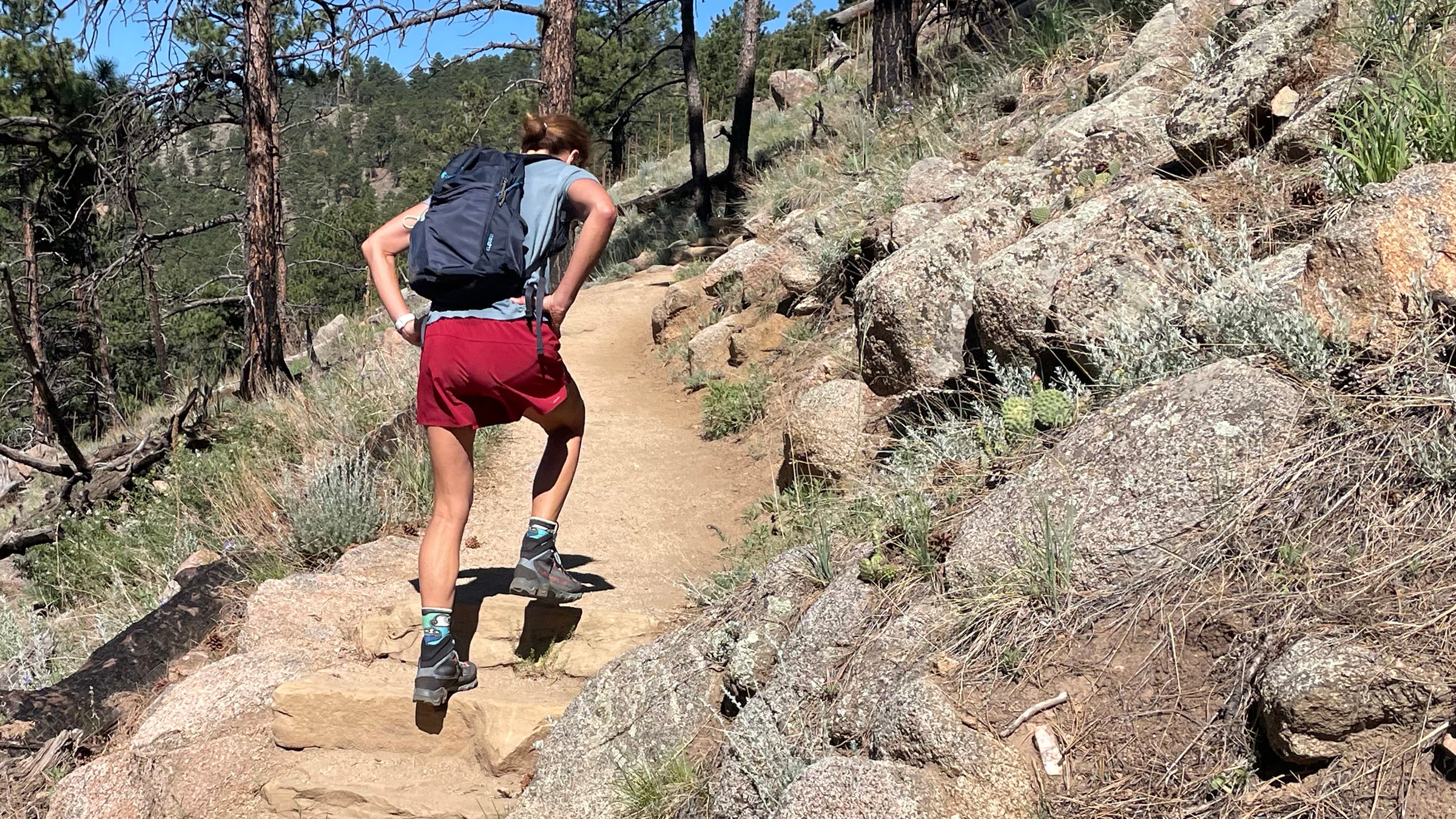
On June 12, the first "switch-test" occurred. The tester began in the Aequilibrium Hike GTX, noting the immediate sense of "encapsulation" provided by the boot’s high-top construction. At the 3.5-mile mark, the tester transitioned to the Prodigio Pro. The immediate data point recorded via voice log indicated a significant reduction in perceived exertion, attributed to the lower "swing weight" of the trail runner.
The second phase, conducted on June 18, utilized the Altra Olympus 6 series. These tests were performed on softer, hard-packed dirt trails with occasional rock gardens. Unlike the La Sportiva test, which pitted a stiff mountaineering-style boot against a technical runner, the Altra test compared a "maximalist" cushioned shoe with its mid-top counterpart. This provided insight into whether ankle height alone—independent of midsole stiffness—significantly altered the hiking experience.
Comparative Analysis: Weight and Biomechanics
One of the most critical factors in the trail runner versus boot debate is the "pound on your feet" rule. Traditional wilderness lore suggests that one pound on the feet is equivalent to five pounds in a backpack in terms of energy expenditure. The 2026 data supports this, showing a stark contrast in weight profiles.
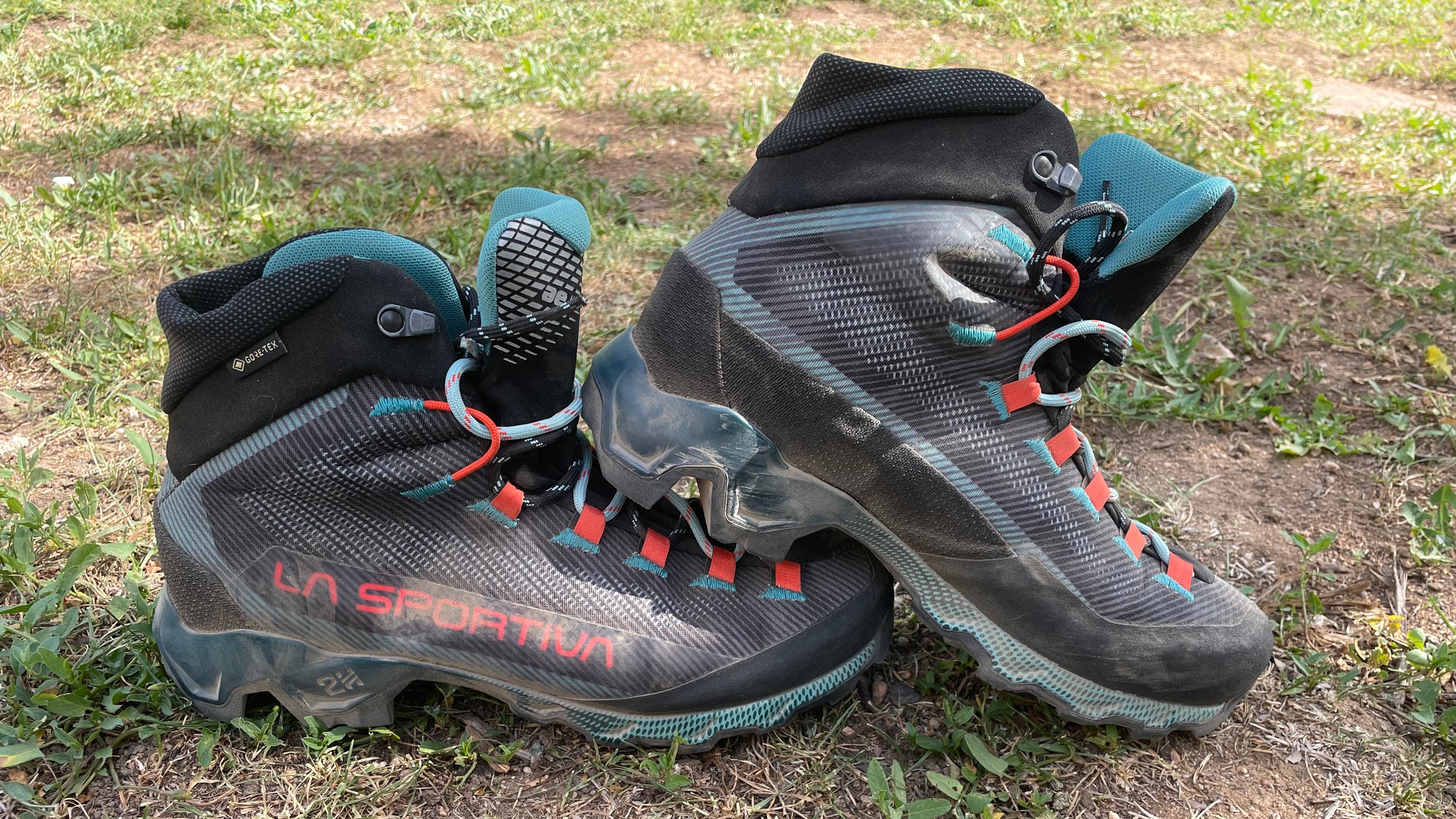
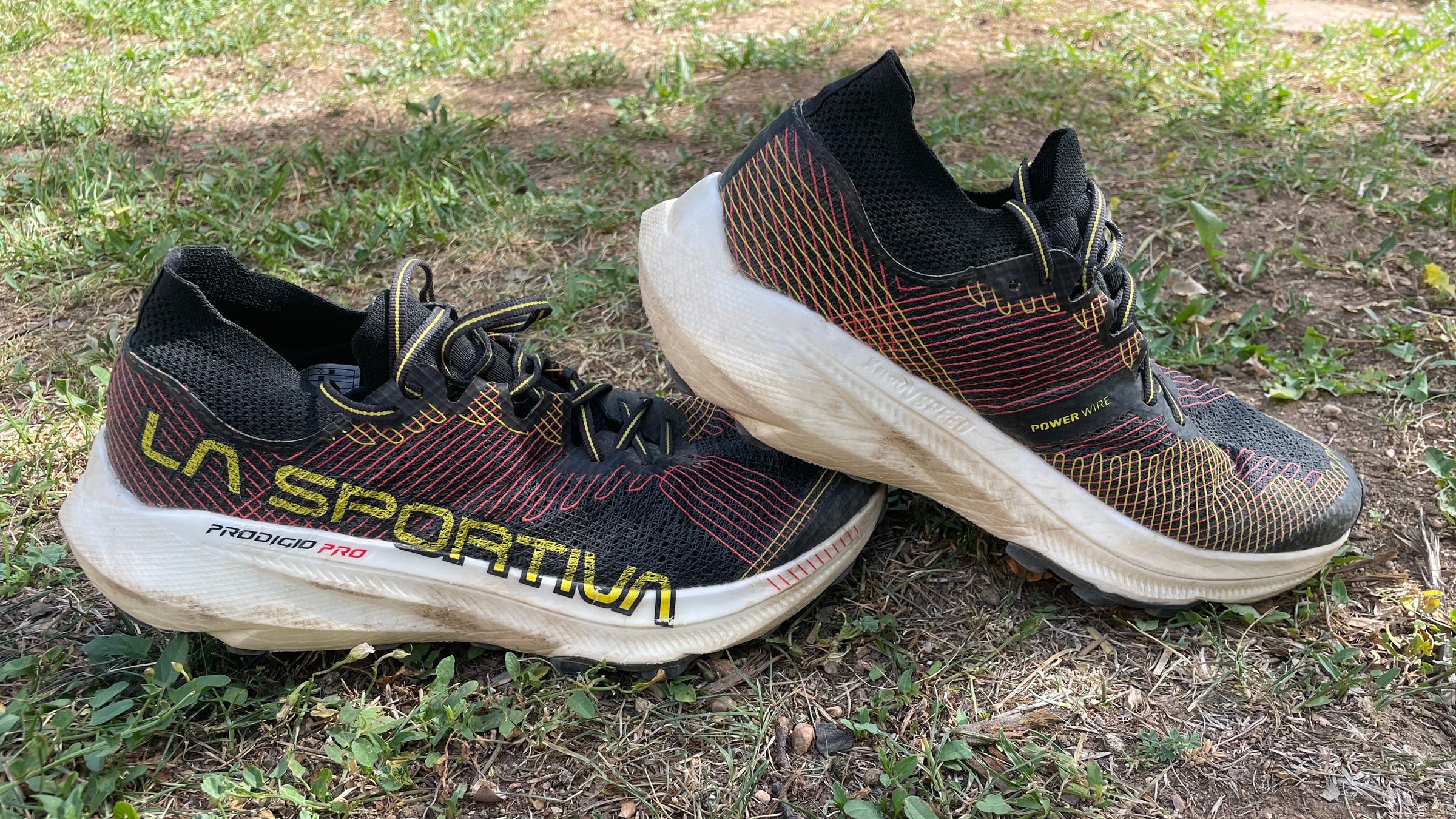
The La Sportiva Prodigio Pro, weighing in at 8.9 ounces, represents the pinnacle of lightweight engineering, utilizing a nitrogen-infused EVA and TPU foam midsole. In contrast, its boot counterpart, the Aequilibrium Hike GTX, weighs 16.9 ounces—nearly double the mass. While 16.9 ounces is considered light for a supportive boot, the cumulative effect over a 10-mile hike involves lifting thousands of extra pounds.
However, weight is only one part of the equation. The biomechanical support offered by the Aequilibrium Hike GTX is rooted in its polypropylene midsole and integrated stiffener. This construction is designed to protect the plantar fascia from "rock bruising" and to provide a stable platform for those carrying packs exceeding 30 pounds. During the descent phase of the June 12 test, the boot’s stiffness was noted as a stabilizer, whereas the trail runner required more active engagement from the hiker’s intrinsic foot muscles to maintain balance on uneven surfaces.
Technical Specifications and Material Innovations
The 2026 footwear lineup showcases significant advancements in material science, particularly in midsoles and outsoles.
Midsole Technology
The trail runners tested utilized "super-critical" foams. These materials are created by infusing liquid nitrogen into the foam during the molding process, resulting in a midsole that is lighter, more resilient, and more energy-efficient than traditional EVA. This technology, exemplified in the La Sportiva Prodigio Pro, allows for a "plush" feel without the "mushy" instability that plagued earlier lightweight shoes.
Outsole and Traction
Interestingly, the gap in traction has nearly disappeared. Both the Altra Olympus 6 shoe and the Hike Mid GTX boot utilize the Vibram MegaGrip compound. The lug patterns are identical, meaning that the choice of footwear no longer dictates the level of grip available on wet or loose surfaces. This parity allows hikers to choose based on support and weight rather than fear of slipping.
Protection and Breathability
The primary differentiator remains the "upper" construction. The boots featured Gore-Tex (GTX) membranes and, in the case of the Altra Hike Mid, leather reinforcements. This provides a waterproof barrier essential for stream crossings or inclement weather. Conversely, the trail runners utilized engineered mesh, which offers superior breathability and faster drying times, though at the cost of vulnerability to debris and moisture.
Expert Perspectives and Industry Responses
Industry analysts suggest that the shift toward trail runners is not merely a trend but a reflection of improved physical conditioning and gear awareness among hikers. Dr. Aris S. Mason, a specialist in sports podiatry, notes that "unless a hiker has a history of chronic ankle instability, the ‘support’ provided by a soft-collared boot is often more psychological than structural. True stability comes from the strength of the lower leg and the width of the shoe’s base."
Representatives from Altra have noted that their "Hike" versions of popular runners are designed to bridge the gap for traditionalists. "We recognize that some users feel more secure with a wrapped ankle," a spokesperson stated during the 2026 Gear Expo. "By keeping the midsole identical to our trail runner, we provide that psychological comfort without the ‘clunky’ gait associated with old-school boots."
Broader Impact and Implications for the Outdoor Market
The findings of this field study have significant implications for the $20 billion global outdoor footwear market. As consumers prioritize versatility, the "one-shoe-for-everything" approach is gaining traction.
- Environmental Sustainability: Trail runners generally have a shorter lifespan (300–500 miles) compared to hiking boots (800–1,200 miles). The trend toward lighter footwear may lead to increased consumption and waste unless manufacturers improve the durability of lightweight foams or implement better recycling programs.
- The Rise of "Fastpacking": The blurring of lines between hiking and running has birthed "fastpacking"—multi-day wilderness travel at a running pace. This niche is driving the development of footwear that can handle the load of a lightweight tent while remaining agile enough for a trot.
- Safety and Rescue Trends: Search and rescue (SAR) organizations have noted an uptick in minor lower-limb injuries among hikers wearing minimal footwear on terrain for which they are not conditioned. Experts emphasize that while trail runners are efficient, they require a higher level of "trail sense" and foot placement precision.
Conclusion: Determining the Optimal Choice
The 2026 comparative study concludes that for the vast majority of day hikers, trail running shoes offer a superior experience. The reduction in leg fatigue, coupled with advancements in cushioning and traction, outweighs the benefits of traditional boot support on well-maintained or moderately technical trails.
However, the hiking boot remains an essential tool for specific scenarios. For individuals recovering from injury, those carrying heavy expedition-style packs (40+ lbs), or those venturing into high-alpine environments where scree and sharp rocks are prevalent, the protective "cocoon" of a boot like the La Sportiva Aequilibrium is indispensable.
Ultimately, the choice reflects a trade-off between the "active" stability of a lightweight shoe and the "passive" protection of a heavy boot. As the industry moves toward 2027, the focus is expected to remain on "hybridization"—creating footwear that offers the weight of a runner with the durability and weatherproofing of a mountain boot. For now, the data suggests that for most miles on the trail, less is indeed more.




 Chandra Hamzah
 Tatiana Tantri Indah Sari
 Budi Mulyono
 Lukman Taruna Persada Ramadan