
 Gabriela Annisa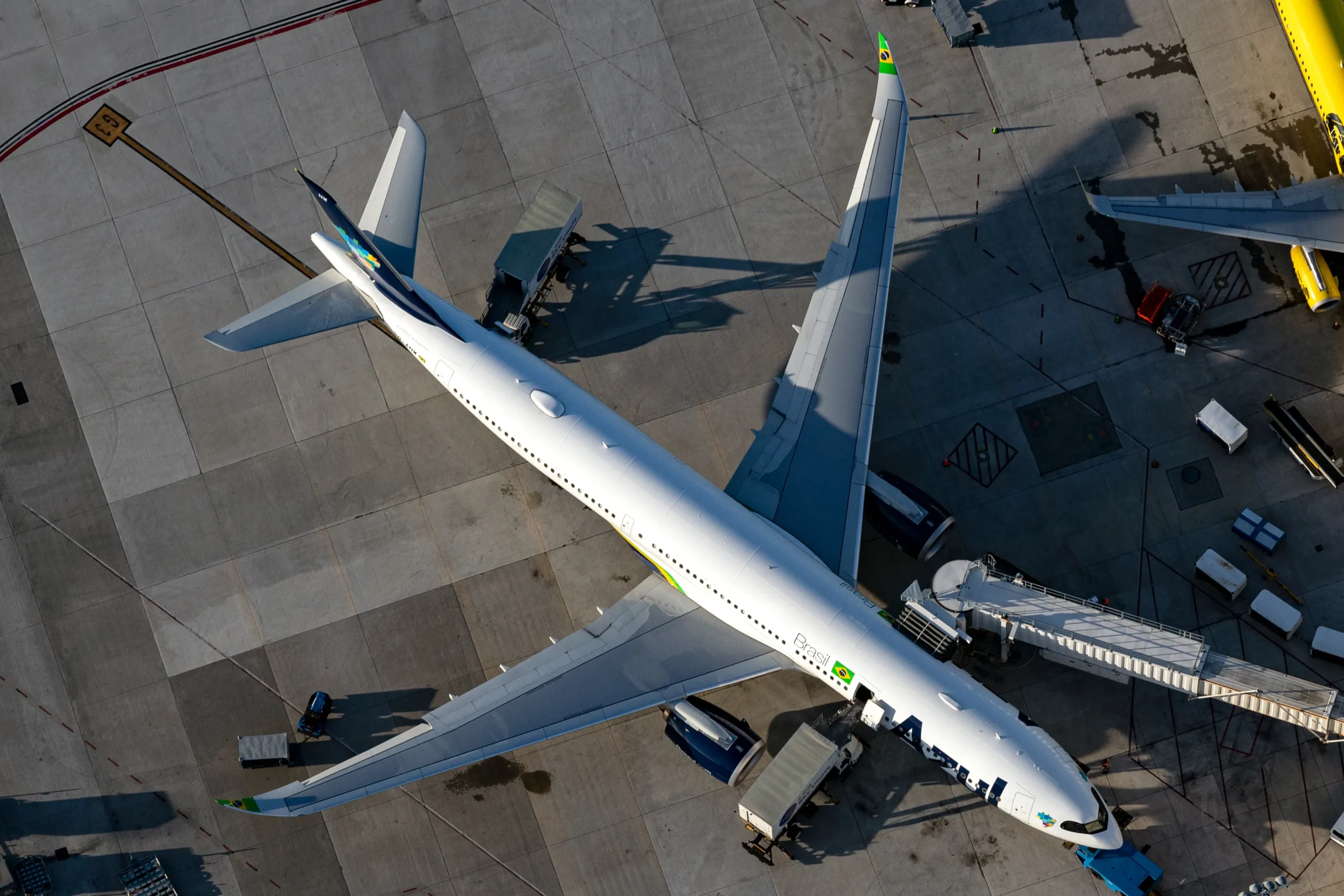
The global aviation sector finds itself at a pivotal juncture, marked by the release of Airline Weekly’s latest global earnings scoreboard revealing an unexpected leader, concurrent with crucial discussions on sustainability, economic resilience, and operational challenges at the International Air Transport Association (IATA) Annual General Meeting (AGM) held recently in Brazil. This dual narrative of individual corporate success amidst collective industry-wide headwinds paints a nuanced picture of an industry striving for stability and growth in an ever-evolving landscape.
The Unforeseen Apex: A New Contender in Global Airline Profitability
The latest Airline Weekly global earnings scoreboard for the first quarter of 2026 has delivered a significant surprise to industry observers and financial analysts alike. While major legacy carriers and established low-cost giants often dominate profitability rankings, this period saw a less conventional player ascend to the top spot. While the specific airline is the subject of detailed analysis by Airline Weekly’s experts Jay, Gordon, and Meghna, the mere fact of a surprising leader underscores several critical shifts within the global aviation market.
Typically, these scoreboards meticulously track key financial metrics such as operating profit, net income, revenue per available seat mile (RASM), and unit costs (CASM) across hundreds of airlines worldwide. The Q1 2026 results reflect a dynamic environment still heavily influenced by post-pandemic recovery patterns, volatile fuel prices, persistent labor shortages, and evolving passenger demand. For an airline, particularly one not traditionally considered a global behemoth, to outperform its larger, more entrenched competitors suggests a confluence of strategic brilliance and favorable market conditions.
Industry analysts are speculating that the success story likely stems from a combination of factors. These could include a strong focus on a robust domestic or regional market that has seen accelerated recovery, exceptional cost control measures, innovative revenue diversification strategies, or a highly effective fuel hedging program that insulated the carrier from recent price spikes. Another potential driver could be a lean operational structure coupled with a modern, fuel-efficient fleet, allowing for superior margins even with competitive pricing. The ability to quickly adapt capacity to demand fluctuations and capitalize on underserved routes in high-growth regions might also have played a significant role. This unexpected triumph serves as a powerful reminder that agility and strategic foresight can often outweigh sheer scale in today’s complex aviation ecosystem.
IATA AGM in Brazil: Charting the Course for a Sustainable Future
Parallel to the intriguing financial revelations, the global aviation community converged in Brazil for the IATA Annual General Meeting, an indispensable annual gathering that sets the agenda for the industry’s collective future. The choice of Brazil as the host nation for the 2026 AGM was particularly significant, highlighting the growing importance of Latin American markets in the global aviation landscape. Brazil, with its vast domestic market and increasing international connectivity, represents a region of immense potential and unique challenges, making it an apt backdrop for discussions on global trends.
The AGM served as a critical platform for airline CEOs, regulators, aircraft manufacturers, and other stakeholders to deliberate on the most pressing issues confronting the sector. Central to the discussions were themes of sustainability, economic outlook, operational resilience, and the future of air travel.
Key Themes and Discussions from the IATA AGM:
-
Decarbonization and Sustainable Aviation Fuels (SAF): The commitment to achieving net-zero carbon emissions by 2050 remained the overarching imperative. Discussions at the AGM largely revolved around the formidable challenge of scaling up Sustainable Aviation Fuel (SAF) production. IATA Director General Willie Walsh, in his opening address, reiterated the industry’s unwavering commitment but also stressed the urgent need for government support through incentives, regulatory frameworks, and investments in SAF infrastructure. Delegates explored various pathways, including the development of new propulsion technologies like hydrogen and electric aircraft, though acknowledging these are longer-term solutions. The consensus was that SAF represents the most immediate and impactful lever for decarbonization, yet its current production levels remain critically low, covering only a fraction of global fuel demand. Financial mechanisms to bridge the cost gap between conventional jet fuel and SAF were a hot topic, with calls for global policy alignment to avoid a patchwork of national regulations.
-
Economic Outlook and Market Dynamics: IATA economists presented updated forecasts for global passenger and cargo traffic, offering a cautiously optimistic outlook. While passenger demand has largely recovered to pre-pandemic levels in many regions, profitability remains unevenly distributed. The AGM analyzed the persistent inflationary pressures impacting operational costs, from fuel and labor to maintenance and airport charges. Geopolitical tensions were also identified as a significant variable, capable of disrupting supply chains, altering flight paths, and dampening consumer confidence. Discussions touched upon the varying pace of recovery across different regions, with Asia-Pacific markets still catching up in some segments, while North America and Europe demonstrated robust demand. The consensus among airline executives was a need for continued vigilance on cost management and agile capacity deployment.
-
Operational Resilience and Workforce Challenges: The industry’s ability to withstand shocks and maintain smooth operations was another major point of contention. Supply chain disruptions, particularly for aircraft parts and maintenance, repair, and overhaul (MRO) services, continued to plague airlines. More critically, the global shortage of skilled personnel – pilots, air traffic controllers, maintenance technicians, and ground staff – emerged as a bottleneck for growth and a significant cost driver. Airlines discussed strategies for talent acquisition, retention, and training, emphasizing the need for robust pipelines and collaborative efforts with educational institutions and governments. Infrastructure constraints at major hubs, leading to congestion and delays, also featured prominently in operational planning discussions.
-
Digital Transformation and Passenger Experience: The AGM also showcased advancements in digital technologies aimed at enhancing operational efficiency and the passenger journey. Topics included the application of artificial intelligence (AI) for predictive maintenance and personalized customer service, biometric identification for seamless airport processes, and the continued push towards paperless travel. Cybersecurity threats were acknowledged as a growing concern, necessitating increased investment in robust defense mechanisms across the aviation ecosystem.
-
Regulatory Harmonization and Taxation: A recurring theme was the call for greater international regulatory harmonization to streamline operations and reduce compliance burdens. IATA urged governments to resist imposing new taxes on air travel, particularly those aimed at funding environmental initiatives, arguing that such measures disproportionately affect consumers and hinder the industry’s ability to invest in decarbonization technologies. Instead, the focus was placed on collaborative, incentive-based approaches.
Connecting the Dots: Earnings, Strategy, and Future Outlook
The insights from the IATA AGM provide a crucial backdrop against which the global earnings scoreboard must be interpreted. The airline that defied expectations to top the profitability charts likely did so by effectively navigating many of the challenges discussed in Brazil. Their success could be attributed to proactive measures in areas such as:
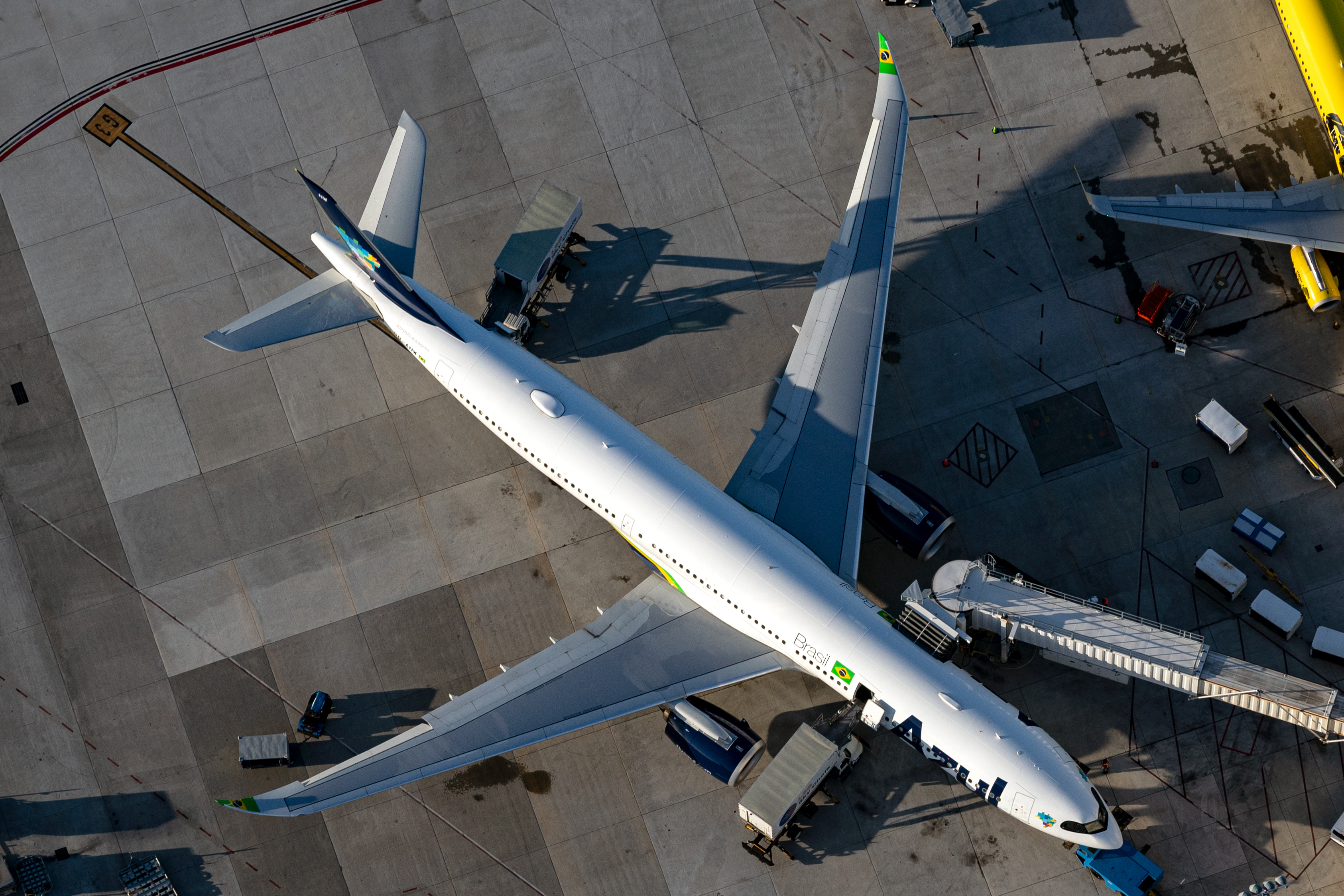
- Strategic Fleet Modernization: Investing in newer, more fuel-efficient aircraft like the Airbus A330-900 (as pictured, an Azul aircraft), which significantly reduces operational costs and emissions, aligning with sustainability goals. This also helps mitigate the impact of volatile fuel prices.
- Effective Human Capital Management: Perhaps this airline managed to retain or attract key talent through competitive compensation and positive work culture, thereby avoiding the severe operational disruptions faced by some competitors.
- Market Niche Exploitation: Identifying and dominating a specific market segment or geographical region that demonstrated strong post-pandemic recovery and less intense competition.
- Robust Digital Infrastructure: Leveraging technology to optimize operations, enhance customer service, and streamline booking processes, leading to higher efficiency and passenger satisfaction.
The broader implication is that while the industry grapples with collective challenges, individual airlines capable of executing agile and forward-thinking strategies can not only survive but thrive. The AGM discussions underscored that the future of aviation is inextricably linked to sustainability and operational resilience. Airlines that strategically invest in SAF, modernize their fleets, digitize their operations, and prioritize workforce development are better positioned for long-term success.
Expert Analysis and Industry Reactions
Financial analysts are scrutinizing these results, recognizing that they offer a glimpse into the evolving competitive landscape. "The emergence of a dark horse in the profitability race suggests that the traditional hierarchy in aviation is being challenged," noted an anonymous senior analyst at a leading investment bank. "It forces a re-evaluation of what constitutes a ‘successful’ airline model in the current environment. It’s no longer just about network size; it’s increasingly about operational efficiency, adaptability, and strategic market positioning."
Airline executives, while congratulating the unnamed top performer, are also digesting the implications for their own strategies. The prevailing sentiment is a renewed emphasis on cost discipline and prudent capacity management. Several CEOs interviewed privately after the AGM highlighted the need for greater collaboration across the industry to address systemic issues like SAF production and labor shortages, which no single airline can solve alone. The call for government partnerships, particularly in incentivizing green technologies and infrastructure development, was a consistent refrain.
The Brazilian Context and Azul’s Role
The hosting of the IATA AGM in Brazil itself underscored the country’s rising prominence in global aviation. Brazilian carriers like Azul Linhas Aéreas Brasileiras, prominently featured in the accompanying image with its Airbus A330-900, have been instrumental in connecting vast regions of Brazil and expanding international reach. Azul, known for its extensive domestic network and strategic use of diverse aircraft types, represents the kind of agile, market-responsive carrier that could potentially embody the spirit of a "surprising leader" if not the exact one in the scoreboard. The presence of such a modern, wide-body aircraft at Fort Lauderdale signifies a growing international footprint for Latin American carriers, demonstrating their ambition and investment in fleet modernization to compete on a global scale. The discussions at the AGM would undoubtedly resonate deeply with Brazilian airlines, informing their strategies for sustainable growth and operational excellence in a dynamic regional and global market.
Conclusion: A Dual Path Forward
The confluence of Airline Weekly’s surprising earnings report and the comprehensive discussions at the IATA AGM in Brazil presents a clear picture of an industry on two paths. One path highlights the individual triumphs of airlines demonstrating exceptional strategic execution and adaptability in a challenging environment. The other emphasizes the collective, often daunting, journey towards a sustainable, resilient, and globally connected future for air travel. The insights from the IATA AGM will shape policy and investment decisions for years to come, while the performance of individual carriers on the global earnings scoreboard will serve as a bellwether for what strategies are most effective in navigating the complex skies ahead. As the industry moves further into 2026, the interplay between these individual successes and collective imperatives will define the trajectory of global aviation.




 Anjar Salim
 Chandra Hamzah
 Tatiana Tantri Indah Sari
 Budi Mulyono
 Lukman Taruna Persada Ramadan
