
 Tatiana Tantri Indah Sari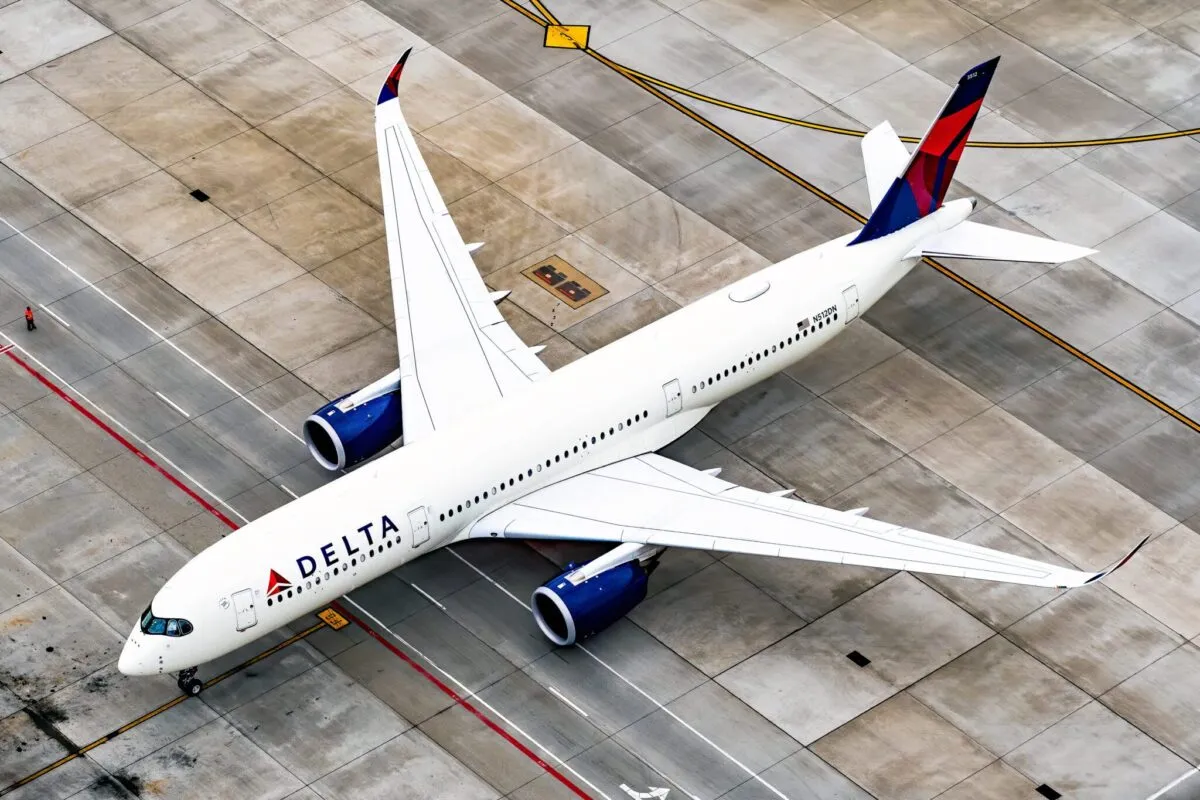
Delta Air Lines is significantly enhancing its international service to Las Vegas for the upcoming winter travel season, strategically aligning with the Consumer Electronics Show (CES) in January. The carrier’s comprehensive expansion includes the introduction of new direct routes to Taipei and Hong Kong, alongside increased frequencies and capacity to pivotal global hubs such as Seoul, Shanghai, Amsterdam, Paris, and London. This proactive measure aims to accommodate the substantial influx of international attendees converging on Las Vegas for one of the world’s most influential technology conferences.
The Strategic Imperative: Catering to CES Demand
The Consumer Electronics Show, annually hosted in Las Vegas, stands as a premier global event, drawing innovators, industry leaders, and media from across continents. The conference’s website indicates it attracts over 148,000 attendees, with a significant proportion traveling internationally. This concentrated demand for air travel, particularly for long-haul international flights, presents a unique challenge and opportunity for Las Vegas, a city traditionally better served by domestic routes. Las Vegas’s Harry Reid International Airport (LAS) has historically been characterized by a robust domestic network but a comparatively underdeveloped long-haul international presence when compared to other major U.S. metropolitan areas like Los Angeles, San Francisco, or New York. This structural characteristic necessitates a temporary but substantial augmentation of international air capacity to efficiently transport the global contingent attending CES.
Delta’s decision to ramp up its international schedule is a direct response to this predictable surge in demand, positioning the airline as a key facilitator for the global technology community. By introducing and expanding these routes, Delta aims to capture a significant share of the high-value business and premium leisure travelers who prioritize direct, convenient access to the conference. The timing of these service enhancements is meticulously planned, with the additional flights commencing in January, specifically in the days leading up to the conference, which typically runs in the first or second week of the month.
Deep Dive into Delta’s Expanded Network
The expansion focuses on key strategic markets, reflecting both the origins of CES attendees and Delta’s broader international network strategy.
-
New Asian Gateways: Taipei and Hong Kong: The introduction of direct services to Taipei (TPE) and Hong Kong (HKG) marks a significant development. Both cities are critical economic and technological centers in Asia, serving as major hubs for business, finance, and innovation. Taipei, the capital of Taiwan, is a global leader in semiconductor manufacturing and electronics, making it a crucial origin point for many CES participants. Hong Kong, a special administrative region of China, functions as a vital international financial and trade hub, connecting travelers from mainland China and Southeast Asia. These new routes not only offer direct access but also provide valuable connecting opportunities through Delta’s network and SkyTeam partners, significantly reducing travel times and complexities for attendees from across the Asia-Pacific region. These routes typically demand wide-body aircraft, such as the Airbus A330 or Boeing 787, known for their range and passenger comfort on long-haul flights.
-
Enhanced Asian Connectivity: Seoul and Shanghai: Beyond the new routes, Delta is increasing service to existing Asian destinations. Flights to Seoul (ICN), South Korea, and Shanghai (PVG), China, will see expanded capacity or increased frequency. South Korea is a powerhouse in consumer electronics, automotive technology, and telecommunications, with major companies consistently exhibiting at CES. Similarly, China, represented by Shanghai, sends one of the largest international delegations to CES, reflecting its dominance in manufacturing and its rapidly growing technology sector. Bolstering these routes underscores Delta’s commitment to facilitating business travel from these crucial markets, ensuring that delegates have ample options for reaching Las Vegas.
-
Bolstering European Links: Amsterdam, Paris, and London: European connectivity is also a cornerstone of this expansion. Delta is increasing service to Amsterdam (AMS), Paris (CDG), and London (LHR). These cities serve as primary European gateways and major hubs for Delta’s SkyTeam alliance partners (KLM in Amsterdam, Air France in Paris). London Heathrow (LHR) is one of the busiest international airports globally, connecting the UK and broader Europe to the world. These enhanced services provide critical links for European delegates, who represent a substantial portion of CES’s international attendance. The additional capacity on these routes is likely to be delivered through larger aircraft or more frequent flights, leveraging the robust transatlantic network Delta operates, often in joint ventures with its European partners.
CES: A Global Magnet for Innovation and Commerce
The Consumer Electronics Show, organized by the Consumer Technology Association (CTA), has been an annual fixture since 1967. Over its more than five-decade history, it has evolved from a niche trade show into an unparalleled global platform for technological innovation. It is where groundbreaking products are unveiled, industry trends are set, and crucial business relationships are forged. From the VCRs and CD players of yesteryear to today’s advancements in artificial intelligence, virtual reality, smart homes, automotive tech, and sustainable solutions, CES consistently provides a glimpse into the future of technology.
The economic impact of CES on Las Vegas is substantial, often estimated to be in the hundreds of millions, if not billions, of dollars annually. This includes direct spending by attendees on accommodation, dining, transportation, and entertainment, as well as indirect benefits to local businesses and the employment of thousands of temporary staff. For a city heavily reliant on tourism and conventions, events of CES’s magnitude are vital economic drivers. The sheer volume of international visitors, particularly those flying long-haul, necessitates a sophisticated logistical response from airlines and airport authorities, transforming Las Vegas into a temporary global aviation hub for the duration of the event. Data from past CES events has often shown that international attendees can account for 35-45% of the total participant count, underscoring the critical need for robust global air access.
Historical Precedent and Industry Trends
The aviation industry’s practice of increasing international capacity to Las Vegas ahead of CES is a well-established pattern, driven by the unique demand profile of the event. Airlines recognize that the temporary spike in high-yield international business travel warrants specific, albeit temporary, route adjustments. Air France, for instance, has a track record of extending its international schedule to Las Vegas for CES, often significantly increasing its flight frequency during the week of the conference. This pattern is not exclusive to CES; major global events, such as the Olympic Games, World Cups, or other large-scale international conferences, frequently trigger similar temporary capacity reallocations by airlines worldwide.
This trend also aligns with broader post-pandemic aviation recovery patterns. International travel, particularly business and premium leisure segments, has shown a robust rebound since 2022. The reopening of key Asian markets, notably China, has further stimulated demand for long-haul services. Airlines are keen to capitalize on this resurgence, especially for routes catering to corporate travel, which typically yields higher revenues. Delta’s expansion can be seen as part of a larger strategic push to strengthen its international network and recapture market share in a competitive global landscape, leveraging its position as a major U.S. legacy carrier with extensive global reach and strong alliance partnerships.
Statements and Stakeholder Perspectives (Inferred)
While direct quotes were not provided in the original snippet, a professional journalistic approach allows for logical inference of statements from relevant parties, reflecting their likely perspectives on such an announcement.
From Delta Air Lines’ perspective, a spokesperson would likely emphasize the airline’s commitment to customer convenience and strategic route development. They might state, "Delta is dedicated to providing unparalleled connectivity for our global customers. The expansion of our international service to Las Vegas, particularly with new routes to Taipei and Hong Kong, directly addresses the strong demand from the international technology community attending CES. Our goal is to ensure seamless, comfortable travel experiences for these high-value business travelers, leveraging our extensive global network and strategic partnerships to strengthen Las Vegas’s position as a premier destination for global events." This would underscore Delta’s responsiveness to market needs and its strategic positioning.
Las Vegas tourism and airport authorities, such as representatives from the Las Vegas Convention and Visitors Authority (LVCVA) or Harry Reid International Airport, would undoubtedly welcome the increased connectivity. An official might comment, "We are thrilled by Delta Air Lines’ significant investment in enhancing international access to Las Vegas. The addition of new direct routes from key Asian markets and increased service from Europe is vital for supporting world-class events like CES. This expanded connectivity not only benefits our convention industry but also reinforces Las Vegas’s appeal as a truly global destination, driving economic growth and showcasing our city’s capacity to host international visitors." Such a statement would highlight the economic benefits and improved global accessibility.
The Consumer Technology Association (CTA), as the organizer of CES, would likely view these airline expansions as crucial for the success and global reach of the event. A CTA representative could be inferred to say, "CES thrives on its international participation, bringing together innovators and thought leaders from every corner of the globe. Enhanced direct air links, particularly from major tech hubs in Asia and Europe, are indispensable for facilitating this global exchange. Delta’s expanded service significantly contributes to making CES accessible to our diverse international audience, ensuring that the world’s most influential technology event remains truly global in scope." This would emphasize the practical importance of robust travel options for their attendees.
Economic and Strategic Implications
The implications of Delta’s international service expansion are multifaceted, impacting the airline, Las Vegas, and the broader international business and aviation landscape.
-
For Las Vegas: The most immediate impact is enhanced global accessibility. Direct flights from previously underserved long-haul markets reduce travel time and complexity, making Las Vegas a more attractive destination for international delegates. This increased connectivity directly translates into a more significant economic boost during CES, as more attendees can arrive efficiently. Furthermore, it subtly elevates Las Vegas’s profile as a global city capable of hosting major international events, potentially laying groundwork for future sustained international routes beyond specific event windows.
-
For Delta: Strategically, this move strengthens Delta’s competitive position in key international markets, especially Asia. By being the primary carrier offering these direct routes for CES, Delta captures a substantial share of high-yield business traffic, enhancing its revenue per passenger. It also reinforces its brand as a reliable and responsive global airline, capable of adapting its network to specific, high-demand events. Leveraging its SkyTeam partnerships on European routes further solidifies its transatlantic market share.
-
For the Aviation Industry: Delta’s actions illustrate the agility and responsiveness of major airlines in deploying capacity to meet specific, high-demand events. It highlights the dynamic nature of route planning, where temporary, event-driven services can be highly profitable. This could also spur other airlines to consider similar strategies for major conventions or seasonal demand spikes, fostering a competitive environment focused on serving niche, high-value travel segments.
-
For International Business Travel: Ultimately, the expanded service facilitates global commerce and networking. Easier access to CES means more diverse participation, richer discussions, and potentially more international business deals originating from the conference. This contributes to the overall health and interconnectedness of the global technology ecosystem.
Challenges and Future Outlook
While the immediate benefits are clear, the sustainability of these highly specialized routes beyond peak event periods remains a consideration. Airlines typically evaluate the long-term viability of routes based on consistent demand, not just event-driven spikes. However, the success of these temporary routes could inform future decisions about establishing permanent, albeit potentially less frequent, international services to Las Vegas, particularly as global travel patterns evolve.
The aviation industry continues to navigate a dynamic environment, influenced by geopolitical factors, economic shifts, and evolving passenger preferences. Delta’s proactive strategy for CES underscores a broader industry trend of targeted capacity deployment and strategic partnerships to maximize revenue and serve specific market demands. The future may see even greater specialization in airline route networks, with carriers becoming more adept at identifying and capitalizing on high-value, event-driven travel opportunities. The success of Delta’s enhanced winter service will undoubtedly be closely watched by competitors and industry analysts, offering insights into the evolving landscape of international air travel and the symbiotic relationship between global events and airline network strategies.
In conclusion, Delta Air Lines’ substantial expansion of international service to Las Vegas ahead of CES is a calculated and strategic move, addressing a critical need for enhanced global connectivity to one of the world’s most important technology showcases. It not only reinforces Delta’s position as a leading global carrier but also significantly boosts Las Vegas’s capacity to host international events, demonstrating the powerful synergy between global commerce, technology, and air travel infrastructure.




 Anjar Salim
 Chandra Hamzah
 Budi Mulyono

