
 Tatiana Tantri Indah Sari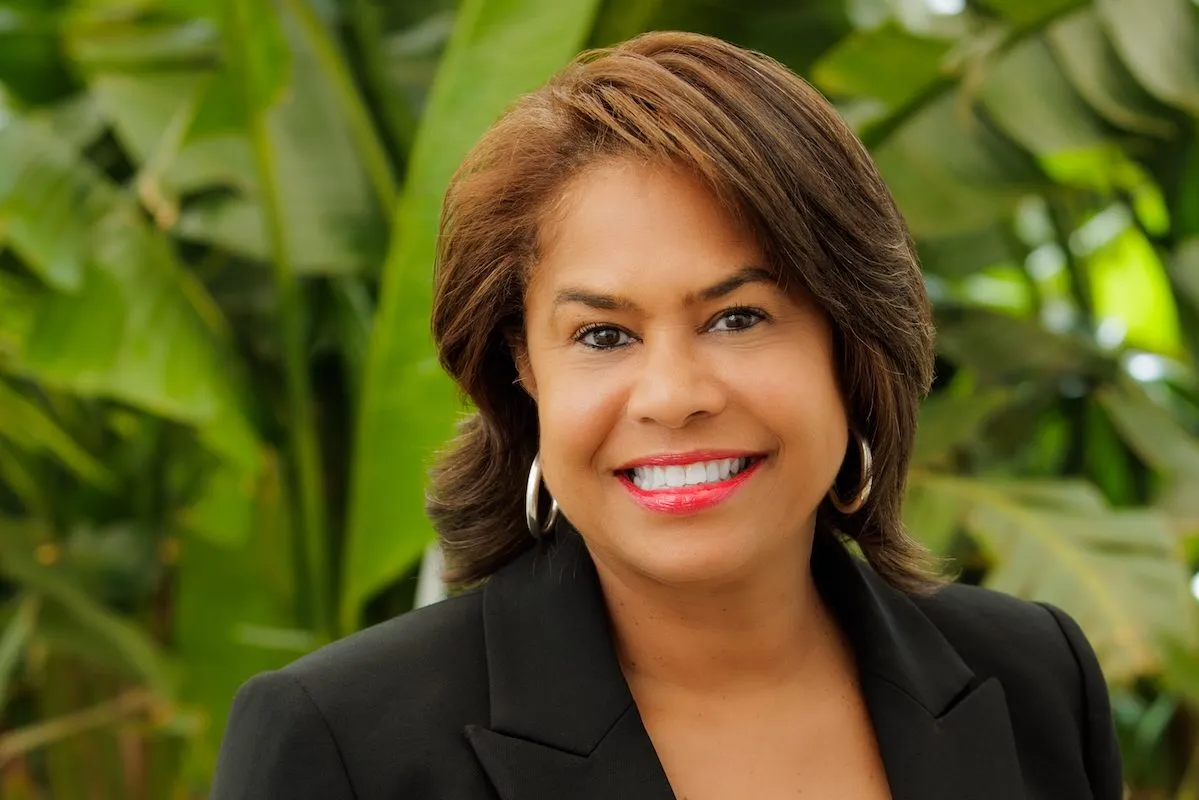
Julie Coker, the current head of New York City Tourism + Conventions, has been named the next President and CEO of Visit California, with her new role set to commence on October 1. Her departure from New York City comes after a tenure of less than two years, marking a significant leadership change for two of the United States’ most prominent destination marketing organizations (DMOs). Coker steps into a challenging yet pivotal role at Visit California, where she will be tasked with revitalizing the state’s inbound international tourism, which has faced considerable headwinds, and strategically positioning the state for the monumental opportunity presented by the 2028 Olympic and Paralympic Games in Los Angeles.
Coker’s appointment arrives at a critical juncture for California’s tourism sector. The state, renowned for its diverse landscapes ranging from pristine beaches and majestic national parks to vibrant cities and world-class wineries, has been grappling with a notable slowdown in international visitor arrivals. According to a May report from Tourism Economics, commissioned by Visit California, overseas visits to the Golden State declined by 5% last year. The situation with its northern neighbor, Canada, was even more stark, with visits plummeting by a significant 20% over the same period. These figures underscore a broader national trend but highlight specific vulnerabilities for a state that heavily relies on the economic contributions of international travelers.
The Imperative to Revitalize International Inflow
The dip in international arrivals is not merely a statistical anomaly but represents a tangible economic impact. International visitors typically stay longer and spend more per visit than domestic tourists, making them a crucial segment for local economies, supporting jobs across various sectors from hospitality and retail to transportation and attractions. Prior to the pandemic, international tourism contributed billions of dollars annually to California’s economy, supporting hundreds of thousands of jobs. The recovery of this segment is paramount for the state’s overall economic health and tax revenues.
Several factors are believed to be contributing to the sluggish recovery of international travel to California. Global economic uncertainties, the strength of the U.S. dollar making American travel more expensive, and ongoing visa processing challenges in certain key markets have all played a role. Furthermore, increased competition from other global destinations aggressively marketing their offerings post-pandemic means California must redouble its efforts to stand out. Coker’s immediate mandate will involve crafting and executing targeted international marketing campaigns designed to reverse these declining trends and re-establish California as a premier global destination. This will likely involve a multi-pronged approach, focusing on key historical markets in Europe and Asia, while also exploring emerging markets with high growth potential.
Navigating Image Challenges: Wildfires and Perception
Beyond the statistical declines, California’s tourism image has also faced challenges, particularly from the highly publicized wildfires that have become an increasingly frequent occurrence. The report specifically referenced the fires that swept through the Los Angeles area earlier this year, but these incidents are part of a larger narrative of natural disasters impacting the state. While the actual geographical footprint of these fires might be limited compared to the vastness of the state, the visual impact and news coverage often create a perception of widespread devastation or danger, deterring potential visitors.
Managing this perception is a critical aspect of destination marketing. Visit California, under Coker’s leadership, will need to implement robust communication strategies to accurately inform potential visitors about the safety of specific areas, highlight the resilience of affected communities, and showcase the overwhelming majority of the state that remains untouched and vibrant. This involves proactive public relations, working with travel trade partners, and leveraging digital platforms to disseminate accurate and reassuring information, all while promoting the state’s commitment to sustainable tourism and environmental stewardship. The goal will be to counteract negative narratives with positive, authentic experiences that remind the world of California’s enduring appeal.
The 2028 Olympic and Paralympic Games: A Defining Opportunity
Perhaps the most significant long-term strategic imperative for Coker will be the preparation for the 2028 Olympic and Paralympic Games in Los Angeles. This mega-event represents an unparalleled opportunity for California to showcase itself on a global stage, attracting millions of visitors, athletes, media, and dignitaries. The economic impact of hosting the Olympics is projected to be substantial, with estimates suggesting billions of dollars in economic activity, job creation, and infrastructure development. However, realizing this potential requires meticulous planning and strategic execution over the next four years.
Coker’s role will be crucial in ensuring that Visit California works seamlessly with the Los Angeles Organizing Committee (LA28), local tourism bureaus, state agencies, and private sector partners to maximize the tourism benefits of the Games. This involves not only promoting Los Angeles as the host city but also leveraging the global spotlight to highlight other iconic California destinations, encouraging extended stays and multi-city itineraries. Strategies will need to be developed for visitor experience, infrastructure readiness, security coordination, and post-Games legacy planning to ensure a lasting positive impact on California’s tourism brand and economy. The Games offer a unique platform to tell California’s story to billions worldwide, presenting an opportunity for a sustained surge in international interest and visitation that extends well beyond 2028.
Julie Coker’s Proven Leadership: From San Francisco to NYC and Now California
Julie Coker brings a wealth of experience to Visit California, having spent decades in the hospitality and destination marketing industries. Before her tenure at New York City Tourism + Conventions, she served as the President and CEO of the San Francisco Travel Association, a role she held for several years. Her experience leading a major California city’s DMO provides her with an intimate understanding of the state’s diverse tourism landscape, its challenges, and its opportunities.
During her time in San Francisco, Coker was credited with driving significant growth in visitor numbers and economic impact, navigating various challenges including the impact of technology industry shifts and evolving urban dynamics. Her appointment to lead NYC Tourism + Conventions in late 2022 was seen as a strategic move to guide New York City’s post-pandemic tourism recovery. In New York, she was responsible for promoting the five boroughs to domestic and international travelers, working to restore visitor volumes and spending to pre-pandemic levels. Her experience in a high-pressure, high-stakes environment like New York City, combined with her deep roots in California tourism, positions her uniquely to tackle the complexities of her new role.
While her tenure in NYC was relatively brief, it was marked by ongoing efforts to rebuild a tourism sector that was profoundly impacted by the global health crisis. She oversaw campaigns aimed at re-engaging international markets, which are vital for New York City, and collaborated with city stakeholders to enhance the visitor experience. Her move underscores the perceived importance and strategic alignment of the California role, particularly given the Olympic horizon.
The Landscape of NYC Tourism Post-Coker
Coker’s departure leaves a void at New York City Tourism + Conventions at a time when the city’s tourism recovery, while robust, is still navigating new global realities. New York City, like California, relies heavily on international visitors and faces its own set of challenges, including competition, perception management, and evolving traveler preferences. The organization will now embark on a search for a new leader to continue the momentum built over the past few years.
Industry observers will be keen to see who is appointed to fill Coker’s shoes in New York, and what strategic direction the organization will take in their continued efforts to attract a diverse global audience. NYC Tourism + Conventions has a storied history of dynamic leadership, and the next appointment will be critical in ensuring the city remains a top-tier international destination.
California’s Broader Tourism Economy: Resilience and Diverse Offerings
Despite the challenges in international inbound travel, California’s overall visitor volume is forecast to rise by a modest 1.5% this year. This growth is largely buoyed by the resilience of domestic tourism. Californians themselves, along with visitors from other U.S. states, continue to explore the vast offerings of the Golden State, from its iconic theme parks and pristine coastlines to its renowned wine regions and majestic national parks like Yosemite and Sequoia.
This domestic strength provides a critical baseline, but the full economic potential of California tourism can only be unlocked with a robust international recovery. The diversity of California’s tourism product – encompassing urban cultural experiences, outdoor adventure, culinary excellence, and entertainment – positions it well for future growth, provided strategic marketing and infrastructure investments are made. The state’s status as a global hub for innovation and culture also provides unique opportunities to attract business and convention travelers, another high-value segment.
Strategic Imperatives for Visit California Under New Leadership
Under Coker’s leadership, Visit California will likely focus on several key strategic imperatives:
- Targeted International Market Penetration: Developing bespoke campaigns for high-potential markets, utilizing data analytics to identify traveler segments with the highest propensity to visit. This includes re-engaging traditional strongholds like the UK, Germany, and Australia, while also expanding reach into emerging economies in Asia and Latin America.
- Digital Transformation and Innovation: Enhancing Visit California’s digital footprint, leveraging cutting-edge technology for personalized marketing, virtual experiences, and seamless travel planning tools. This will be crucial for reaching a global, digitally native audience.
- Sustainable Tourism Development: Promoting responsible travel practices, highlighting California’s commitment to environmental preservation, and developing tourism products that are both economically viable and ecologically sound. This is particularly relevant in the context of climate change and natural disasters.
- Stakeholder Collaboration: Strengthening partnerships with airlines, tour operators, hoteliers, local DMOs, and government entities to create a unified and compelling California brand message. The success of the 2028 Olympics will hinge on unprecedented levels of collaboration.
- Product Diversification and Development: Highlighting lesser-known regions and experiences within California to disperse tourism traffic, promote economic benefits more broadly, and offer repeat visitors new reasons to return.
The Road Ahead: High Stakes for the Golden State
Julie Coker’s move to Visit California signals a renewed focus on strategic leadership and aggressive marketing for a state whose tourism economy is both vast and vital. Her deep experience in destination management, coupled with her recent national exposure in New York, equips her with a unique perspective to tackle the complex challenges and seize the monumental opportunities ahead. The imperative to reverse sluggish international inbound travel, manage the state’s image in the face of environmental challenges, and meticulously prepare for the global spectacle of the 2028 Olympic and Paralympic Games will define her tenure. The success of these endeavors will not only shape the future of California’s tourism industry but also significantly impact the state’s broader economic prosperity for years to come.



 Anjar Salim
 Chandra Hamzah
 Budi Mulyono
 Lukman Taruna Persada Ramadan
