
 Tatiana Tantri Indah Sari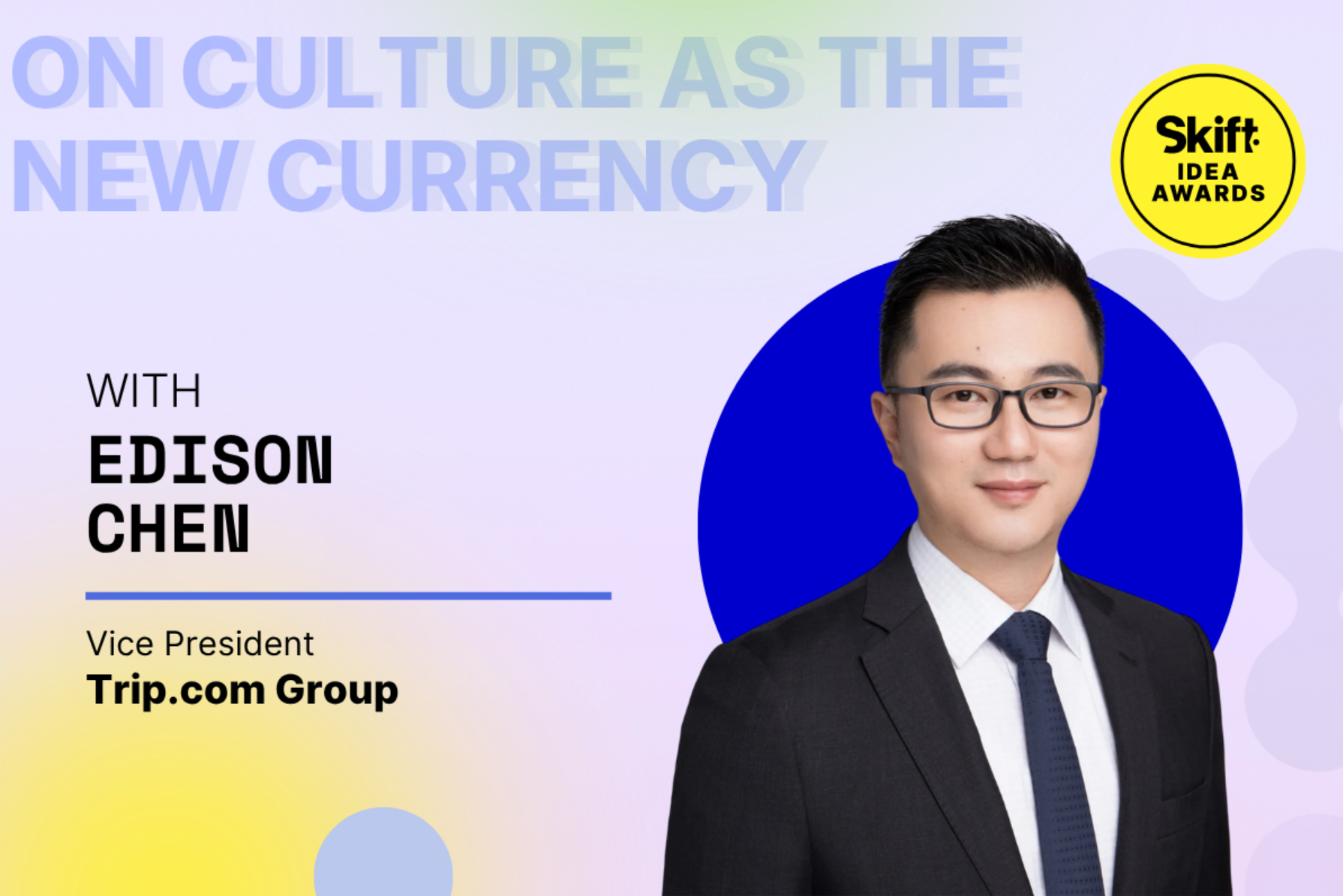
Edison Chen, Vice President at Trip.com Group, has spearheaded a decade-long transformation, pivoting the global travel giant from a conventional booking platform to a vanguard of experience-driven travel. His strategic vision, which ingeniously merges culture, large-scale events, and cutting-edge artificial intelligence, is not merely generating travel demand but is reshaping the very fabric of how modern travelers engage with destinations. As a distinguished judge for the prestigious Skift IDEA Awards, Chen is actively seeking innovations that transcend mere static bookings, prioritizing ideas that foster deep, participatory experiences and resonate profoundly within specific markets rather than simply achieving broad reach.
Chen’s extensive tenure in the industry, marked by his leadership in destination marketing, strategic alliances, branding, and sustainability across Trip.com Group’s vast global footprint, underscores a profound understanding of evolving traveler preferences. His influence has been instrumental in cultivating high-impact partnerships across the entertainment, sports, and major events sectors, consistently propelling the company towards an "experience-driven travel" paradigm. This strategic pivot reflects a broader industry shift, where the discerning modern traveler increasingly seeks authentic immersion and meaningful engagement over traditional sightseeing itineraries.
The Evolution of Travel: From Transactional to Transformative
The global travel industry has undergone a seismic shift, particularly in the wake of the pandemic. Historically, online travel agencies (OTAs) primarily focused on optimizing price, convenience, and breadth of inventory for flights, hotels, and car rentals. The pre-pandemic era was largely characterized by efficiency-driven travel, where consumers prioritized seamless booking processes and competitive rates. However, the period of restricted movement fostered a renewed appreciation for travel’s deeper values, leading to a burgeoning demand for more meaningful, authentic, and often transformative experiences.
This post-pandemic landscape sees travelers actively pursuing trips that align with their personal interests, values, and desire for cultural immersion. Sustainability, community engagement, and unique local encounters have moved from niche interests to mainstream considerations. Trip.com Group, under Chen’s guidance, recognized this fundamental shift early on. Rather than passively observing these trends, the company proactively architected a strategy to meet and anticipate these evolving demands, positioning itself at the forefront of the experiential travel movement. This involves understanding that a trip is no longer just a collection of logistical arrangements but an opportunity for personal growth, cultural exchange, and memory creation.
Edison Chen’s Vision: Architecting Experience-Driven Journeys
Edison Chen’s leadership has been pivotal in steering Trip.com Group towards this experience-centric philosophy. His belief that successful travel ventures must move beyond mere transactions and instead foster participation and deep market penetration forms the bedrock of his strategy. This approach is evident in how Trip.com Group designs its offerings, moving away from generic packages to curated experiences centered around cultural touchstones and high-profile events.
His role as a Skift IDEA Awards judge perfectly encapsulates this philosophy. He actively seeks out entries that demonstrate how locally resonant cultural moments can be transformed into scalable, concrete travel offerings. Furthermore, he scrutinizes innovations in artificial intelligence that genuinely alleviate traveler friction points, rather than merely automating existing processes. This dual focus on authentic cultural engagement and intelligent technological solutions highlights a holistic approach to modern travel.
Strategic Alliances: Converting Events into Travel Magnets
A cornerstone of Trip.com Group’s experiential strategy is its robust network of strategic alliances, particularly with global entertainment powerhouses like Live Nation Entertainment and Anschutz Entertainment Group (AEG). These partnerships are not just about cross-promotion; they represent a fundamental redefinition of destination marketing. By collaborating with entities that control access to premium events – from chart-topping concerts and international sports tournaments to major festivals – Trip.com Group transforms these occurrences into primary drivers for travel.
Through these alliances, the company crafts comprehensive, end-to-end cultural experiences. Travelers are offered exclusive event access, often bundled with top-tier hospitality and seamless transport solutions. This integrated packaging approach unlocks significant value for destination partners by creating compelling reasons for travelers to visit. The results speak for themselves: Trip.com Group has reported double-digit year-on-year increases in both passenger volume and Gross Merchandise Value (GMV) directly attributable to these event-driven packages. This success sets a new benchmark for experiential travel globally, illustrating the immense potential of merging entertainment with tourism.
The Power of Cultural Magnets: Data-Driven Insights
The impact of culture and community on traveler decisions is starkly evident in Trip.com Group’s data. The company’s "Momentum 2025" consumer report reveals that niche, high-intent journeys are expanding at twice the rate of traditional sightseeing trips. A significant 63% of Trip.com users now plan entire trips around a specific event, whether it’s a concert, a Formula 1 Grand Prix, or a fashion week. This represents a profound shift in travel motivation, where the event itself becomes the primary anchor, and the destination serves as its backdrop.
Tangible examples underscore this trend. When Milan Fashion Week, a globally renowned event, took place, Trip.com Group observed an astonishing 611% year-over-year surge in bookings to Milan. This dramatic increase illustrates the magnetic pull of cultural events that offer unique, time-sensitive experiences. Similarly, the announcement of K-pop concerts by global sensations BLACKPINK and SEVENTEEN in Hong Kong led to an unprecedented rush, with premium tickets selling out within a mere ten seconds. During peak demand, the Trip.com platform experienced traffic exceeding 300,000 users per second, demonstrating both the immense popularity of such events and the robust infrastructure required to handle such surges.
These figures are not just statistics; they are indicators of a fundamental change in traveler psychology. People no longer merely wish to observe culture; they desire active participation. This desire extends beyond attending events to immersive learning experiences. Travelers seek opportunities to engage with local crafts, master new techniques, or participate in traditional practices. Chen eloquently terms these immersive experiences "Skillvenirs" – a new kind of souvenir where travelers return home with a new skill, a deeper understanding, or a cherished memory of creation, rather than just a physical object. Examples include participating in a traditional tea ceremony in Kyoto, learning authentic regional recipes in a cooking lesson in Puglia, or mastering local artisan crafts in Indigenous communities.
To facilitate this, Trip.com Group has fundamentally re-architected its digital platform around inspiration-led commerce. The company actively captures travelers at their "moment of dreaming" – whether they are scrolling through TikTok or watching travel vlogs on YouTube – and endeavors to convert that aspirational dream into an instant booking. The platform has evolved beyond a transactional booking engine; it now curates memorable moments and journeys, effectively transforming culture and community into the new currency of travel.
The AI Revolution: From Chatbots to Agentification
The integration of new technology, particularly artificial intelligence, has presented both opportunities and surprises. Chen notes that the most striking aspect has been the sheer velocity with which AI has transitioned from theoretical conversation to tangible action within the travel industry. The real transformative potential of AI, he contends, lies far beyond conventional chatbots or basic search bar functionalities. It resides in "agentification" – the development of AI systems that don’t merely answer questions but proactively solve complex problems for travelers.
Trip.com Group’s proprietary AI assistant, TripGenie, exemplifies this advanced application. Data indicates that nearly 60% of TripGenie interactions are now directly booking-related, encompassing hotels, flights, and attractions. This high conversion rate signifies a critical shift from AI as a mere informational tool to a powerful booking facilitator. Furthermore, TripGenie’s hotel comparison feature significantly streamlines the decision-making process, reducing the number of clicks required by an impressive 80%. This enhanced efficiency fosters higher user engagement, evidenced by a 45% increase in 7-day AI revisit rates.
The implications of such agentification are profound. For travelers, it translates into a highly personalized, efficient, and intuitive planning experience, drastically reducing the friction often associated with travel research and booking. For Trip.com Group and its teams, it signifies improved operational efficiency, higher conversion rates, and the ability to serve a larger volume of customers with more sophisticated needs. Looking ahead, the potential extends to proactive itinerary adjustments based on real-time events, predictive analytics for personalized recommendations, and even autonomous problem-solving during a trip, such as rebooking disrupted flights or finding alternative accommodations.
The Power of Proximity: Local Resonance in Global Marketing
A decade of overseeing strategic planning, branding, and marketing across diverse global partners has distilled a crucial lesson for Edison Chen: "reach only matters when the message resonates locally." This principle challenges the conventional wisdom of global marketing, which often prioritizes scale and standardized messaging. Chen argues that while global reach is important, it is the depth of understanding and localized resonance that ultimately drives success.
He has witnessed multi-million dollar global campaigns falter because their messages were merely translated rather than culturally tailored. A direct translation, devoid of local context, nuances, and cultural sensitivities, can alienate target audiences and undermine brand credibility. Conversely, he has observed modest teams with limited budgets outperform industry giants by demonstrating a profound understanding of a market’s cultural fabric, extending far beyond superficial conversion metrics. These teams understood local traditions, community values, and specific communication styles, allowing their messages to land deeply and authentically.
This emphasis on "going local before going large" is strategically critical in a world that is simultaneously globalized and increasingly fragmented by distinct cultural identities. It underscores the importance of ethnographic research, local partnerships, and empowering regional teams to craft marketing strategies that speak directly to the hearts and minds of their specific audiences. In the travel industry, where experiences are inherently tied to local environments and communities, proximity to local culture is not just a marketing tactic; it is a fundamental pillar of authentic engagement and sustainable growth. As Chen aptly concludes, "In travel, as in anything human, proximity is power."
Trip.com Group’s Growth Trajectory and Competitive Positioning
Trip.com Group is now firmly focused on moving beyond vision to tangible execution, powering its next phase of growth through distinct strategic pillars. While the company outlines these pillars without explicit detail in the original context, based on Chen’s overarching philosophy and the initiatives discussed, we can infer their likely focus.
The first pillar is undoubtedly the deepening of experiential travel offerings. This involves expanding the network of strategic alliances with event organizers, cultural institutions, and local experience providers. It means investing further in the curation of "Skillvenirs" and other immersive activities that allow travelers to participate actively in local cultures. This pillar aims to solidify Trip.com Group’s position as the go-to platform for travelers seeking unique, authentic, and memorable journeys that transcend traditional tourism.
The second pillar centers on advanced AI-powered personalization and agentification. Building on the success of TripGenie, this involves further investment in AI research and development to create even more intelligent, predictive, and problem-solving agents. The goal is to anticipate traveler needs, offer hyper-personalized recommendations, streamline complex booking processes, and provide real-time, proactive support throughout the entire travel lifecycle. This technological edge will enhance user experience, drive loyalty, and create significant operational efficiencies.
The third pillar focuses on hyper-local market penetration and sustainable partnerships. This involves meticulously applying Chen’s "proximity is power" lesson across all global markets. It means investing in local teams, fostering deep community relationships, and tailoring marketing and product offerings to resonate with specific cultural contexts. This approach not only drives deeper market penetration but also aligns with growing demands for responsible and sustainable tourism, ensuring that travel benefits local communities and preserves cultural heritage.
By rigorously pursuing these interconnected pillars, Trip.com Group is strategically positioning itself to lead in an increasingly competitive landscape. This comprehensive approach, combining cultural sensitivity with technological innovation and a commitment to authentic experiences, ensures the company remains relevant and indispensable to the modern traveler.
Conclusion: A Blueprint for the Future of Travel
Edison Chen’s influence at Trip.com Group extends far beyond traditional executive functions; he is a visionary shaping the very future of travel. His strategic emphasis on transforming cultural moments into compelling travel demand, leveraging AI to resolve genuine traveler friction, and ensuring that marketing efforts land deeply within local markets, provides a powerful blueprint for the industry. His role as a Skift IDEA Awards judge further solidifies his commitment to fostering innovation that truly moves travel forward. Under his leadership, Trip.com Group is not merely adapting to change; it is actively defining the next generation of travel, one built on immersive experiences, intelligent technology, and profound local connections.




 Anjar Salim
 Chandra Hamzah
 Budi Mulyono

