
 Diana Nuri Rohmawati
Ko Lipe, a small island located in the Adang-Rawi Archipelago of the Andaman Sea, is currently undergoing a period of rapid and largely unregulated infrastructure development that environmentalists and long-term observers warn is reaching an unsustainable tipping point. Once regarded as a remote outpost within the Tarutao National Marine Park, the island has transitioned from a secluded backpacker destination characterized by limited electricity and basic amenities into a high-density tourist hub. This transformation, while lucrative for mainland developers, has raised significant concerns regarding the preservation of the island’s delicate ecosystem, the rights of its indigenous inhabitants, and the long-term viability of its tourism industry.
Historical Context and the Evolution of Tourism
The trajectory of Ko Lipe’s development serves as a case study for the "frontier" model of Thai tourism. In the early 2000s, the island remained largely off the mainstream travel radar. Infrastructure was minimal; electricity was typically provided by private generators and operated only during evening hours. Accommodations consisted primarily of bamboo bungalows, often priced at approximately $2 to $5 USD per night, catering to a small demographic of intrepid travelers. During this period, the island’s economy was deeply integrated with the local Urak Lawoi community, an indigenous group of "sea nomads" who have inhabited the Adang Archipelago for generations.
By 2006, the island began to experience a steady increase in visibility. However, it remained isolated by a lack of regular ferry services and a strict "off-season" where the island became nearly inaccessible during the monsoon months. The social fabric of the island at that time was defined by a slow pace of life, with a handful of local restaurants and a single beach bar serving as the primary social hubs.
The subsequent two decades saw an unprecedented acceleration in construction. The transition from dirt footpaths to paved concrete roads marked a definitive shift in the island’s character. As of 2024, the island features high-speed internet, 24-hour electricity, and a proliferation of luxury resorts. This development has been mirrored by a surge in logistics, including year-round ferry connections to the Thai mainland and international routes to Langkawi, Malaysia, making Ko Lipe a primary transit point for regional travel.
Environmental Degradation and Resource Scarcity
The most immediate consequence of Ko Lipe’s rapid expansion is the severe strain on the island’s natural resources. Unlike larger islands such as Phuket or Ko Samui, Ko Lipe lacks a substantial natural freshwater supply. The construction of high-end resorts, many featuring private swimming pools, has necessitated the intensive use of desalination plants and the importation of water, both of which carry high energy and environmental costs.
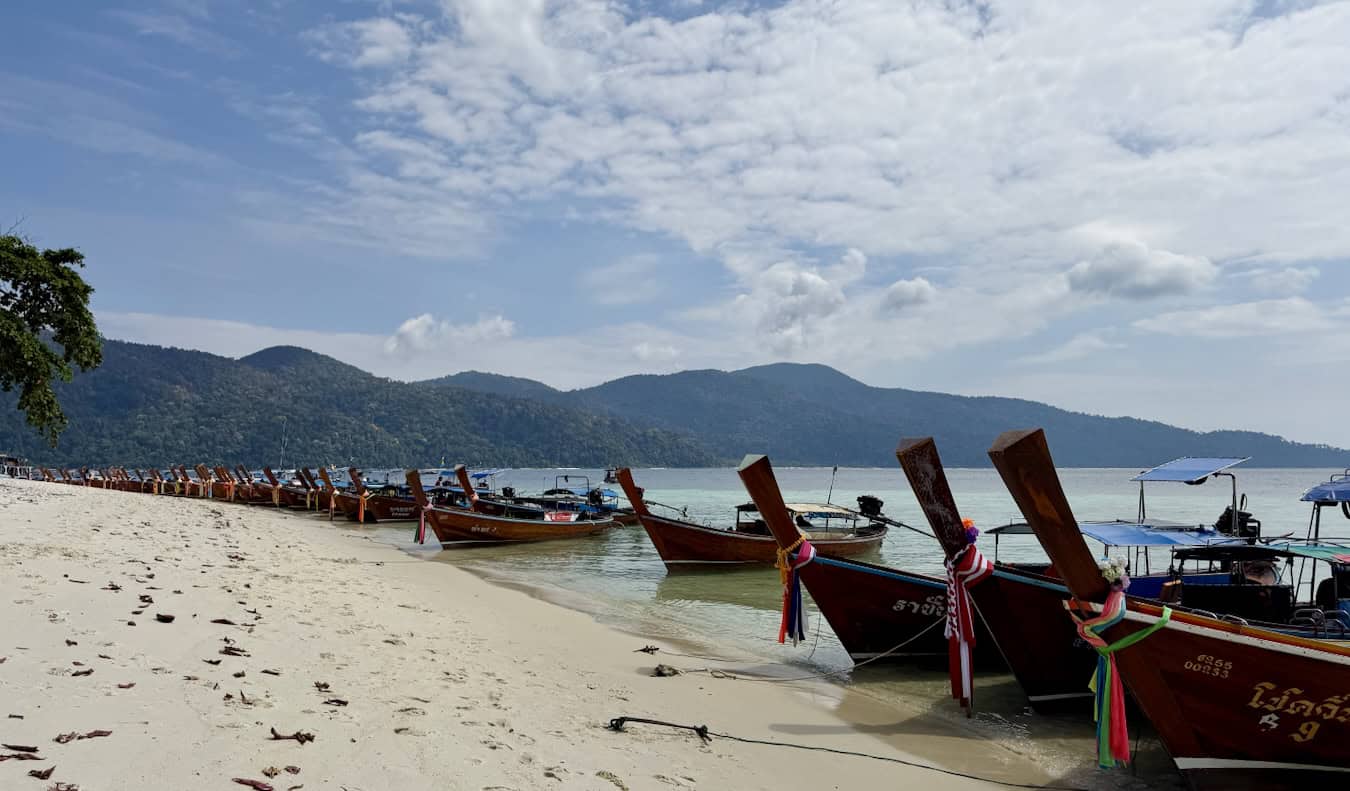
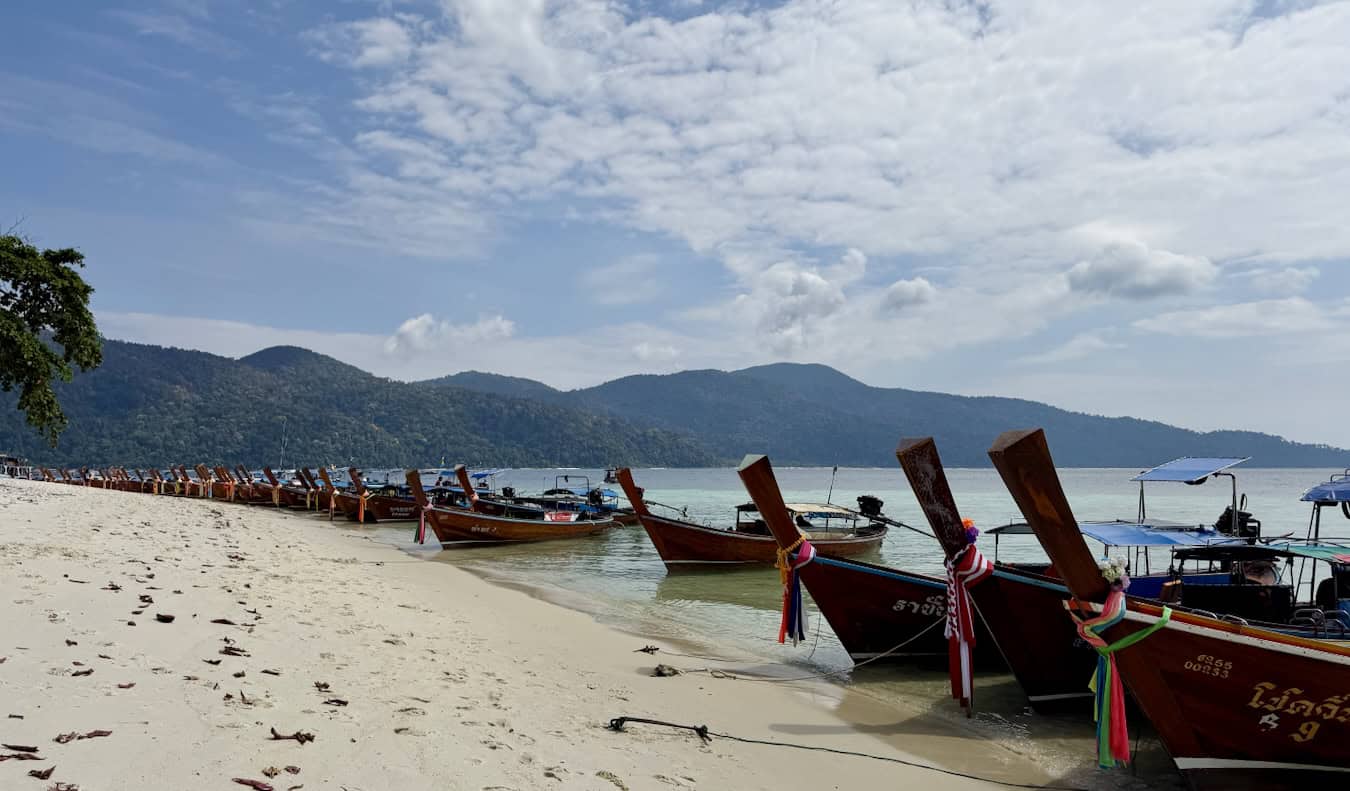
Marine biologists have noted a significant decline in the health of the coral reefs surrounding the island. The proliferation of motorized vessels, including hundreds of long-tail boats and high-speed ferries, has led to physical damage from anchors and increased sedimentation. Furthermore, the discharge of boat exhaust and inadequately treated wastewater has introduced pollutants into the azure waters that once defined the island’s appeal. Observers frequently report a visible oily film on the surface of the water near the main landing beaches, such as Pattaya Beach and Sunrise Beach.
Waste management remains a critical challenge. The volume of plastic and organic waste generated by thousands of daily visitors far exceeds the island’s processing capacity. While some waste is barged back to the mainland, a significant portion often ends up in informal landfills or enters the marine environment, threatening the biodiversity of the Tarutao National Marine Park, which is supposed to be a protected area under Thai law.
Socio-Economic Displacement and the Urak Lawoi
The "boom" in Ko Lipe’s tourism sector has not yielded equitable benefits for the island’s original inhabitants. The Urak Lawoi people, who traditionally held communal land rights, have faced systematic displacement. As land values skyrocketed, many locals were pressured or legally maneuvered into selling their ancestral plots to developers from the Thai mainland or international investment groups.
Today, much of the island’s workforce is comprised of seasonal laborers from the mainland or neighboring countries, while the Urak Lawoi have been pushed to the interior of the island, away from the lucrative beachfronts. The loss of traditional fishing grounds due to marine park restrictions and tourism-related boat traffic has further eroded their traditional way of life. Critics argue that the current model of development is extractive, where the profits are exported to mainland corporations while the local community bears the brunt of the environmental and social costs.
The commercial landscape has also shifted. The authentic Thai and Urak Lawoi culinary traditions are increasingly overshadowed by "Westernized" dining options designed to cater to short-term tourists. This homogenization of the visitor experience is a common symptom of overtourism, where the unique cultural identity of a destination is sacrificed for mass-market appeal.
Comparative Analysis: The Ko Phi Phi Precedent
Environmental analysts frequently compare the current state of Ko Lipe to Ko Phi Phi, another Thai island that suffered from extreme overdevelopment. Ko Phi Phi’s Maya Bay became a global symbol of the dangers of unregulated tourism, eventually requiring a multi-year closure by the Department of National Parks, Wildlife and Plant Conservation (DNP) to allow the ecosystem to recover.
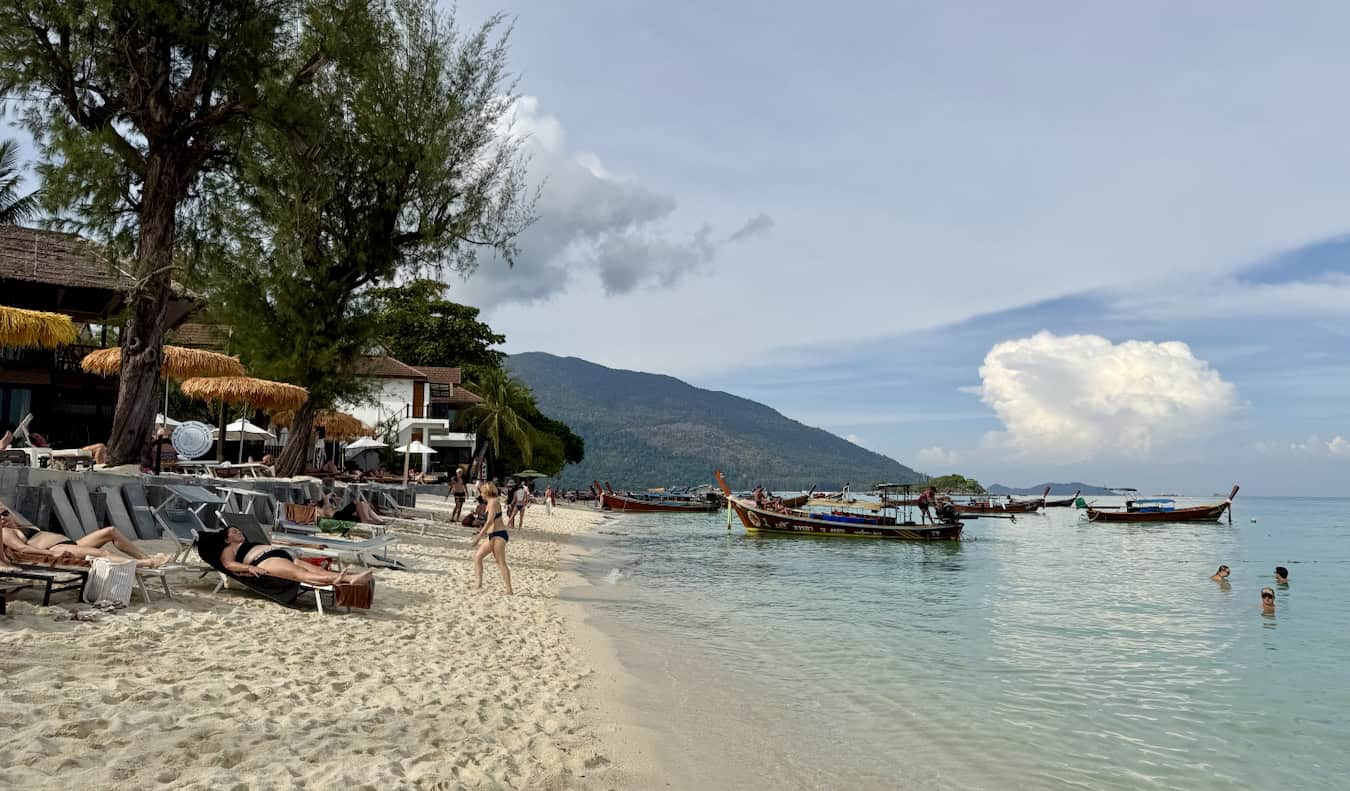
Ko Lipe appears to be following a similar trajectory. The "build-at-all-costs" mentality has resulted in a density of structures that the island’s geography cannot naturally support. While first-time visitors may still find the island’s white sands and clear waters "postcard-perfect," those with a historical perspective note a marked decline in aesthetic and ecological quality. The comparison to Ko Phi Phi serves as a warning: without immediate intervention and a cap on visitor numbers or construction permits, Ko Lipe risks a total ecological collapse that could necessitate similar drastic closures.
Regional Alternatives and Sustainable Management
In contrast to Ko Lipe, other islands in the Andaman region have adopted more conservative growth strategies. Destinations such as Ko Lanta, Ko Jum, and Ko Mook are often cited by sustainable travel advocates as better-managed alternatives. These islands have generally maintained a balance between tourism infrastructure and environmental preservation, often through stricter zoning laws and a focus on low-impact eco-tourism.
- Ko Lanta: Known for its larger size and more dispersed development, it has managed to retain significant forest cover and a more local atmosphere.
- Ko Jum: Maintains a low-key profile with limited large-scale resort development.
- Ko Mook: Part of the Hat Chao Mai National Park, it has maintained a smaller footprint, focusing on guesthouse-style accommodations rather than luxury compounds.
The success of these islands suggests that the degradation of Ko Lipe was not an inevitable outcome of tourism, but rather a result of specific policy choices and a lack of enforcement of existing environmental regulations within the national park boundaries.
Broader Implications for Thai Tourism Policy
The situation on Ko Lipe reflects a broader tension within Thailand’s tourism industry, which accounts for approximately 12-18% of the nation’s GDP. The pressure to maximize arrival numbers often conflicts with the government’s stated goals of "High-Value, Sustainable Tourism."
Industry experts suggest that the "consumer-driven" model of change may be the only viable path forward. Just as public awareness led to the decline of unethical elephant trekking and the rise of certified eco-lodges, a shift in traveler preferences away from overdeveloped hubs could force a change in management. If tourists begin to boycott islands that fail to manage their resources sustainably, developers and local authorities may be incentivized to adopt more responsible practices.
However, the "genie is out of the bottle" for Ko Lipe. The sheer amount of concrete and permanent infrastructure already in place makes a return to its 2006 state impossible. The focus now must shift toward mitigation:
- Implementing strict quotas on the number of daily arrivals.
- Enforcing rigorous wastewater treatment standards for all resorts.
- Restoring coral nurseries and establishing "no-anchor" zones.
- Formalizing land rights for the remaining Urak Lawoi population to prevent further displacement.
Conclusion
Ko Lipe stands at a crossroads. It remains a visually stunning destination for those unfamiliar with its past, but for the scientific community and long-term observers, it represents a cautionary tale of how rapidly paradise can be compromised. The island’s current path is one of diminishing returns, where the very beauty that attracts visitors is being eroded by the infrastructure built to house them.
The responsibility for Ko Lipe’s future lies not only with the Thai authorities and developers but also with the global traveling public. By choosing to visit better-managed destinations, travelers send a clear economic signal that environmental stewardship and cultural respect are non-negotiable components of the modern travel experience. Without a fundamental shift in how the island is managed, Ko Lipe may soon find itself a victim of its own success, a paved-over relic of a once-pristine wilderness.




 Anjar Salim
 Chandra Hamzah
 Tatiana Tantri Indah Sari
 Budi Mulyono
 Lukman Taruna Persada Ramadan
