
 Walid Sujud Trenggono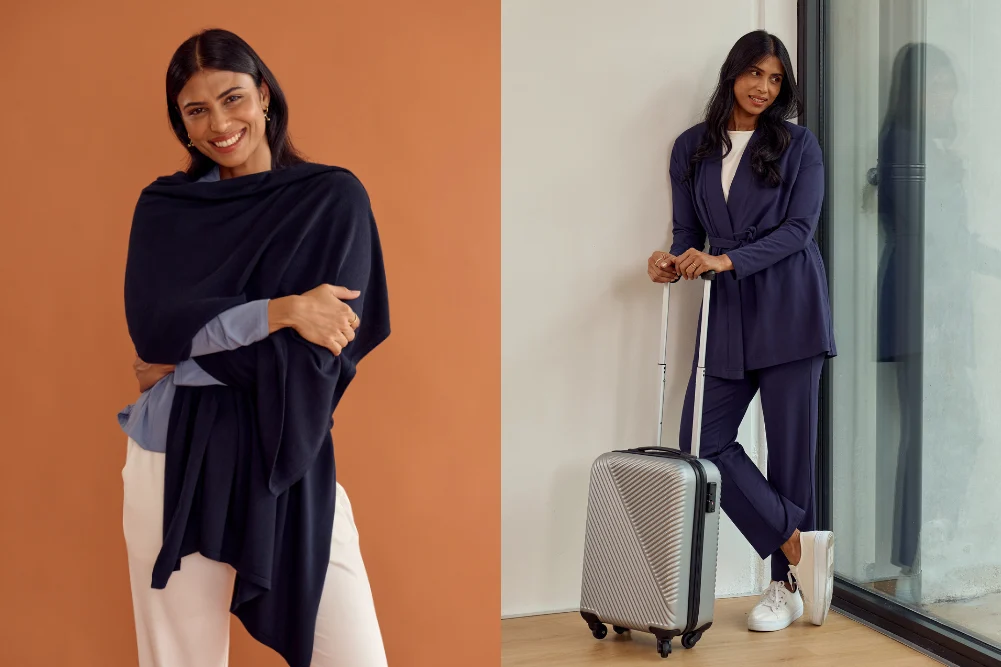
The evolution of international transit has fundamentally altered the requirements of the modern traveler, shifting the focus from the formal attire of the mid-20th century to a contemporary emphasis on physiological well-being and functional fashion. As global air traffic continues to surpass pre-pandemic levels, with the International Air Transport Association (IATA) reporting a significant resurgence in long-haul passenger numbers, the demand for specialized travel apparel has reached an all-time high. The challenge of maintaining physical comfort and aesthetic composure during journeys that can span upwards of 14 hours has led to a sophisticated intersection of textile science and ergonomic design. For nearly two decades, industry innovators such as the Australian brand Bamboo Body have spearheaded a movement toward utilizing sustainable, high-performance materials to mitigate the unique stressors of high-altitude and long-duration travel.
The Physiological Context of High-Altitude Transit
To understand the necessity of specialized travel clothing, one must first examine the environmental conditions of a modern aircraft cabin. At cruising altitudes, typically between 30,000 and 40,000 feet, cabin pressure is maintained at an equivalent of 6,000 to 8,000 feet above sea level. This environment results in lower oxygen saturation in the blood and a significant reduction in humidity, often dropping below 20 percent—drier than many of the world’s deserts. These conditions, combined with prolonged periods of sedentary behavior, contribute to various physiological issues, including peripheral edema (swelling of the limbs), restricted blood circulation, and heightened skin sensitivity.
Furthermore, the management of cabin temperature presents a constant variable for passengers. Aircraft thermal regulation systems are designed to balance the heat generated by avionics and hundreds of passengers with the extreme cold of the external atmosphere. This often results in micro-climates within the cabin where one row may experience warmth while another is subjected to a steady stream of chilled air. Consequently, the "disheveled" state many travelers experience upon landing is not merely a matter of fatigue but a direct result of the body’s struggle to regulate temperature and maintain comfort in a hostile, confined environment.
The Shift Toward Sustainable Performance Fabrics
The textile industry has responded to these challenges by moving away from traditional synthetic fibers, which often trap heat and odors, toward bio-based materials. Bamboo-derived fabrics have emerged as a primary solution in this sector. The structural properties of bamboo fiber are uniquely suited for the rigors of travel. Unlike cotton, which can become heavy when damp, or polyester, which lacks breathability, bamboo viscose is naturally hygroscopic. This means it can absorb and release moisture significantly more efficiently than traditional textiles, assisting the body’s natural thermoregulation process.
Industry data suggests that the global bamboo fiber market is expanding at a compound annual growth rate (CAGR) of approximately 5 percent, driven largely by the "athleisure" and travel-wear segments. Travelers are increasingly prioritizing "enclothed cognition"—the psychological impact that clothes have on the wearer’s confidence and state of mind. By choosing garments that offer the softness of silk with the durability of a performance weave, passengers report lower stress levels during the logistical hurdles of airport security and boarding.
Chronology of Travel Fashion: From Formality to Functionality
The history of travel attire has undergone several distinct phases. During the "Golden Age of Flight" in the 1950s and 60s, air travel was a luxury event, and passengers frequently wore their most formal clothing, including suits, ties, and high-heeled shoes. However, as aviation became democratized in the 1980s and 90s, the "casualization" of the cabin took hold. This era was marked by a decline in aesthetic standards, often leading to a trade-off where comfort was achieved through oversized, unpolished garments that did not transition well to the destination environment.
The current era, beginning in the early 2010s, is defined by "Functional Polished" attire. The modern traveler seeks a "third way"—clothing that provides the elasticity and ease of pajamas but retains the silhouette and sophistication of professional or smart-casual wear. This shift is exemplified by the rise of matching travel sets. These coordinated ensembles, popularized by brands like Bamboo Body, utilize stretchy waistbands and relaxed silhouettes to accommodate the body’s natural fluctuations during flight while ensuring the traveler appears "put together" upon arrival.
Strategic Layering: A Technical Approach to Changing Climates
Professional travel consultants and textile experts emphasize the "Three-Layer System" as the gold standard for long-distance transit. This system is designed to handle the transition from the outdoor climate of the departure city to the climate-controlled terminal, the unpredictable cabin, and finally the arrival destination.
- The Base Layer: This layer sits directly against the skin. A fitted singlet or lightweight bamboo tee serves to wick moisture away from the body, preventing the "clammy" feeling associated with synthetic shirts. Bamboo’s natural antibacterial properties are particularly beneficial here, as they inhibit the growth of odor-causing bacteria during long journeys.
- The Mid Layer: The travel set—typically consisting of trousers and a coordinating top—provides the primary thermal regulation. The use of bamboo fabric in these sets allows for a "breathable" insulation that keeps the wearer warm without the risk of overheating.
- The Outer/Accessory Layer: The most critical component for the "red-eye" or long-haul flight is the travel wrap or pashmina.
A notable innovation in this space is the integration of recycled cashmere with bamboo fibers. This blend offers an exceptional warmth-to-weight ratio, allowing a large wrap to be folded into a compact size for a carry-on bag. Such pieces function as a versatile tool: a scarf for the terminal, a shawl for the cabin, and a makeshift blanket for sleep.
The Impact of Extremity Care: Circulation and Comfort
While much focus is placed on the torso and limbs, the extremities are often the first to suffer during long flights. Research into deep vein thrombosis (DVT) and general passenger comfort highlights the importance of footwear and hosiery. As the body remains stationary, blood flow to the feet can slow, leading to a sensation of coldness and discomfort.
Soft bamboo socks have become a staple for frequent flyers. Beyond the tactile comfort, the fibers are gentle on skin that may be prone to swelling under pressure. Experts suggest that removing shoes and replacing them with clean, breathable socks not only aids in physical comfort but also signals a psychological shift to the brain, encouraging rest and relaxation during the flight.
Market Analysis and the Future of Travel Apparel
The trajectory of the travel apparel industry is increasingly tied to the broader sustainability movement. Consumers are no longer satisfied with comfort alone; they require transparency regarding the environmental footprint of their garments. Bamboo is a highly renewable resource, requiring no pesticides and significantly less water than cotton to reach maturity. This environmental alignment has made brands like Bamboo Body particularly attractive to the "conscious traveler" demographic.
Analysis of consumer behavior indicates that the "all-in-one" travel outfit is becoming a permanent fixture in the modern wardrobe. The versatility of these pieces—moving seamlessly from a transcontinental flight to a business meeting or a hotel check-in—aligns with the growing trend of "bleisure" travel, where professional and personal trips are combined.
Conclusion: The Professional Standard of Transit
The secret to arriving at a destination feeling refreshed is no longer a matter of chance but a result of deliberate, informed choices in apparel. By prioritizing fabrics that work in harmony with the body’s physiological needs and adopting a strategic approach to layering, travelers can effectively neutralize the most taxing elements of global transit.
As the travel industry continues to innovate, the focus remains clear: the journey should not be an endurance test, but a seamless transition. For the modern passenger, the perfect travel outfit represents the ultimate intersection of science, sustainability, and style, ensuring that the first step off the aircraft is taken with the same level of composure as the first step into the airport. The dedication of brands like Bamboo Body over the past two decades serves as a testament to the enduring importance of comfort in an increasingly mobile world. Through the use of soft, breathable, and thoughtfully designed pieces, the modern traveler is finally equipped to arrive not just at their destination, but at their best.



 Anjar Salim
 Chandra Hamzah
 Tatiana Tantri Indah Sari
 Budi Mulyono
 Lukman Taruna Persada Ramadan
