
 Chandra Hamzah
The United States and Iran have reportedly agreed in principle to a peace accord that will bring an end to military activities between the two nations. Sources indicate the agreement is slated for signing on Friday. President Donald Trump has expressed optimism, suggesting that "oil will flow" following the deal’s finalization, a statement that has already contributed to a noticeable dip in global oil prices. This diplomatic breakthrough is being closely watched by the international travel industry, which has experienced significant disruptions due to the heightened tensions in the Middle East.
Immediate Repercussions: Oil Prices and Travel Confidence
The prospect of de-escalation in a critical geopolitical region has had an immediate impact on commodity markets. The anticipated easing of tensions, particularly concerning the Strait of Hormuz—a vital chokepoint for global oil shipments—has led to a decrease in crude oil futures. This price adjustment reflects market sentiment that supply chain risks are diminishing.
For the travel industry, the news has been met with cautious optimism. Graham Turner, CEO of Flight Centre Travel Group, articulated this sentiment in a recent interview with Travel Daily. He posited that the travel sector could witness a swift recovery, particularly with the potential for unimpeded air travel through the Middle East. "The average seasoned traveller is reasonably comfortable already with flying through the Middle East, but obviously there are still people who will be nervous. So, assuming this [peace deal] does hold, I think it will make a major difference over the next few weeks," Turner stated. He further emphasized the crucial role of Middle Eastern carriers in connecting Australia to global destinations. "The Middle Eastern carriers are really important to Australia… pre-war they accounted for about 35% of traffic to Europe and the UK – which is a huge number."
The Middle Eastern Air Corridor: A Vital Artery for Australian Travellers
Prior to the recent escalation of conflict, major Middle Eastern airlines, including Emirates, Qatar Airways, and Etihad, played a pivotal role in facilitating travel between Australia and Europe. Collectively, these carriers were responsible for approximately 35% of the air traffic on this route, offering convenient one-stop connections via their respective hubs in Dubai, Doha, and Abu Dhabi. The disruption to Gulf airspace, a direct consequence of the escalating tensions, effectively severed one of the primary travel pathways for Australians heading to Europe, leading to widespread inconvenience and increased travel costs.
The impact of this disruption was multifaceted:
- Increased Travel Times: Passengers were forced to seek alternative routes, often involving longer journeys with multiple layovers.
- Elevated Airfares: Reduced capacity and increased demand for alternative routes inevitably led to higher ticket prices.
- Insurance Complications: Travel advisories issued by governments often impacted the availability and cost of travel insurance for affected regions.
- Logistical Challenges: For businesses reliant on international travel, the disruptions posed significant operational hurdles.
Australian Traveller Reactions and Emerging Trends
The primary reaction among Australian travellers to the news of a potential peace accord has been pragmatic. The overriding hope is for a swift return to more reliable flight schedules, a normalization of travel insurance policies, and a stabilization, if not a reduction, in airfares. Travel agents have reported a significant number of clients expressing apprehension about transiting through Dubai, Doha, and Abu Dhabi, leading many to reroute their journeys through Asian hubs.
The financial implications have been a major concern. The rise in airfares, a recurring theme in travel discussions, was a direct consequence of the conflict. Before the peace accord was announced, alternative routes through hubs like Singapore, Hong Kong, Tokyo, and across North America became more prominent. However, these options were frequently more expensive and added considerable time to journeys. The expectation is that a durable peace agreement could exert downward pressure on Australia-Europe airfares, offering much-needed relief to budget-conscious travellers.
Despite the positive developments, a degree of caution persists on travel forums and online discussion groups. The Australian government’s Smartraveller service continues to advise caution regarding travel and transit through certain parts of the region, acknowledging the potential for airports, infrastructure, and airspace to be affected with little notice. This has fostered a "wait and see" approach among many potential travellers.
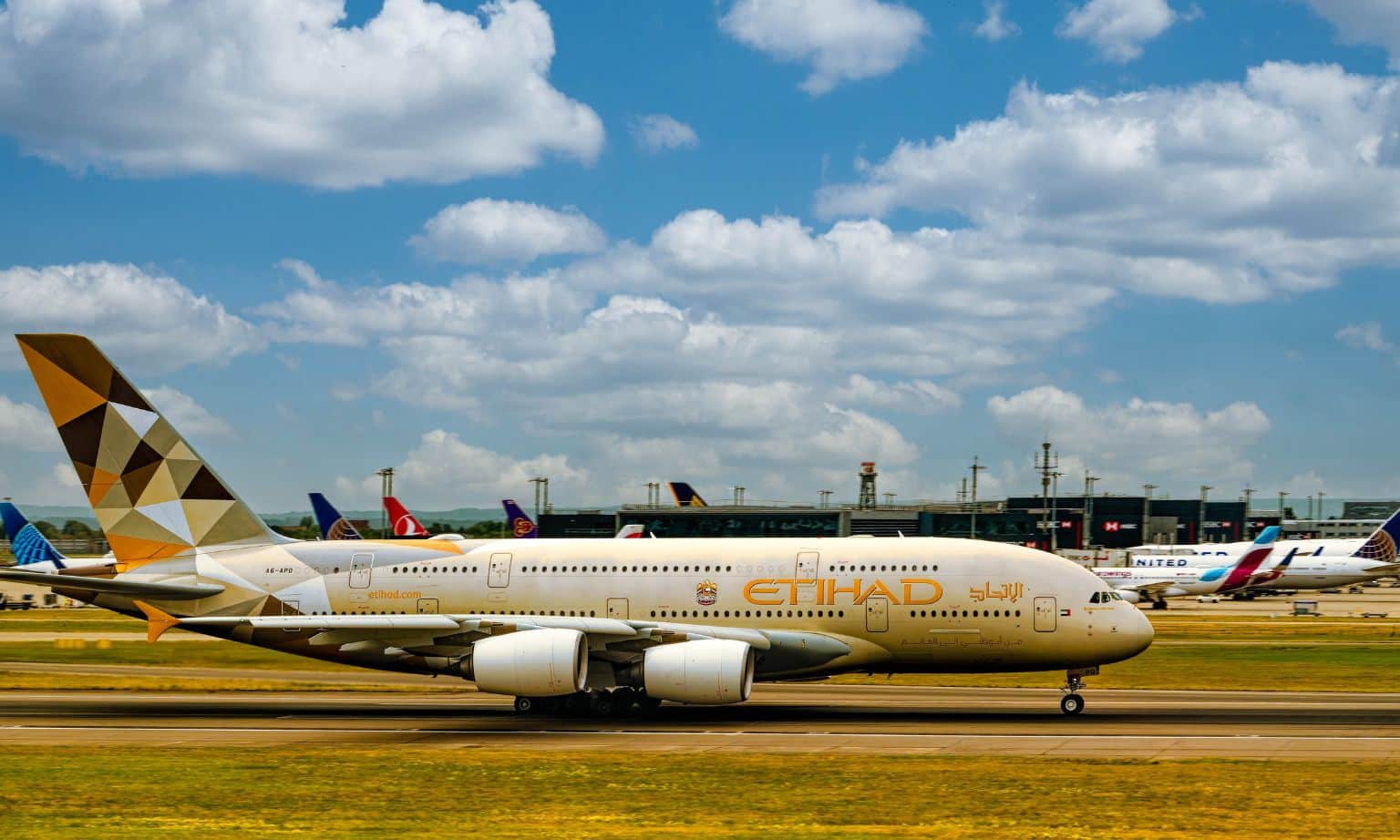
In a tangible sign of renewed confidence, Melbourne Airport has begun highlighting the return and expansion of Qatar Airways and Etihad services, underscoring the significance of these connections for Australians travelling to Europe.
Industry Calls for Relaxed Travel Advisories
The Australian travel industry, through organizations like the Australian Travel Industry Association (ATIA), has been actively advocating for the relaxation or removal of government travel warnings for Middle Eastern destinations. These warnings, particularly those pertaining to transit, have been a significant deterrent for travellers.
A spokesperson for ATIA commented, "The reported peace deal between the United States and Iran is great news for Australian travellers, including the many who have faced disruption to cruise and air bookings as a result of the conflict. The commitment to reopen the Strait of Hormuz is significant. It is a critical shipping and fuel corridor and its closure has had real flow-on effects for cruise itineraries, travel and costs worldwide. Restoring it and fully re-opening the key Middle East Air Corridors are important steps toward stability."
The spokesperson further emphasized the impact on travel advice: "This development also strengthens ATIA’s ongoing call on the Australian Government to reduce the Level 4 SmartTraveller advisory for transit passengers through Middle Eastern hubs. More than 150,000 Australians transited Dubai, Abu Dhabi, and Doha safely in the past six weeks alone. A peace deal between the US and Iran makes the case for a commonsense, proportionate advisory even stronger. We will continue to work constructively with Government to ensure Australia’s travel advice reflects the reality on the ground."
The significance of these advisories cannot be overstated. Government travel warnings, particularly the highest level of "Do Not Travel," not only influence consumer decisions but also critically affect the availability of travel insurance. Currently, the United Arab Emirates and Qatar carry a Level 4 "Do Not Travel" categorization. A downgrading of this advice, especially for transit-only travel, following the official signing of the peace deal, is anticipated to significantly boost traveller confidence and encourage a return to Middle Eastern transit routes. The travel industry is expected to lobby vigorously for swift changes to these advisories once the peace accord is formally ratified.
The Road to Normalizing Airfares: A Gradual Recovery
The conflict’s impact on fuel prices, with jet fuel costs reportedly doubling since the war began, has translated directly into increased airfares globally. While Middle Eastern carriers have been attempting to attract nervous travellers with competitive pricing, overall flight costs have seen substantial increases, often in the range of 20% to 40%.
Flight Centre’s Graham Turner anticipates that a reduction in airfares will not be instantaneous. "Fares will not come down overnight; it will take a bit of time for the capacity to really come back and for the confidence of people flying via the Middle East," he explained.
Given the global supply chain complexities and potential infrastructure damage exacerbated by the conflict, a complete return to pre-war fare levels might take an extended period. However, a more probable scenario involves a gradual but noticeable decline in prices over the coming months. Middle Eastern airlines are expected to be particularly proactive in offering promotional deals to recapture lost market share and stimulate demand. Many Australians have already been opting for less direct routes due to ongoing travel warnings.
Travellers seeking the best deals are advised to remain vigilant regarding official travel warnings and to be prepared to book quickly once advisories are eased. As capacity is restored and traveller confidence returns, available seats are likely to be filled rapidly.

Cruise Industry Outlook: Opportunities and Challenges
The disruption to travel patterns has also significantly influenced the cruise sector. Many Australian travellers, deterred from international long-haul journeys, have shifted their focus to cruises closer to home.
A peace deal could present opportunities for the European cruise market. Cruise lines with last-minute cabin availability may look to entice travellers reconsidering a European summer vacation. Historically, last-minute European cruises have been a premium offering, but the current market dynamics, influenced by the recent geopolitical events, could lead to more competitive pricing as lines aim to fill berths. Travel agencies are also expected to package flight deals with cruise promotions, potentially offering more accessible European cruise experiences.
Cruises in the Eastern Mediterranean, including destinations like Greece and Croatia, as well as Northern European itineraries to Scandinavia, were particularly affected by cancellations. These regions are anticipated to be prime locations for seeking discounted cruise deals. Savvy travellers might consider securing a cruise booking while simultaneously arranging a flexible, cancellable flight option through Asia as a contingency.
World Cruises and Itinerary Adjustments
The conflict forced many cruise lines to reroute their itineraries, often skipping Middle Eastern ports due to safety concerns and the initial blockage of key shipping lanes. This led to considerable itinerary changes, particularly for world cruise voyages. It is generally uncommon for cruise lines to reinstate previously altered itineraries due to the associated costs and complexities. Passengers who have already booked altered itineraries may find it unlikely that their original routes will be restored.
However, for future cruises not yet subject to official itinerary changes, a stable and enduring peace agreement could prompt cruise lines to reintroduce Middle Eastern ports of call. This would depend on the sustained stability of the region and the perceived safety for passengers and vessels.
Navigating Backup Bookings and Future Travel Decisions
In response to the uncertainty, many travel advisors recommended that clients secure flexible, cancellable backup flight bookings to Europe. For those who have taken this precaution, the decision to cancel these backup flights will hinge on their comfort level with flying through the Middle East post-peace accord.
The key determinant will be the specific terms and conditions of each booking. Some airlines offer refunds only within a specified window before departure (e.g., seven or 14 days), while others permit cancellations right up to the day of the flight. Prudence suggests holding onto these backup bookings for as long as possible, allowing ample time to monitor evolving travel advisories and make informed decisions. Setting calendar reminders for cancellation deadlines is advisable.
The signing of the US-Iran peace accord marks a significant turning point, potentially ushering in an era of renewed global connectivity. While the full ramifications will unfold in the coming weeks and months, the initial reactions from both the political and travel spheres suggest a hopeful outlook for a return to stability and accessibility in international travel. The coming days will be crucial in observing how quickly government advisories are updated and how effectively the travel industry can capitalize on the renewed sense of optimism to restore pre-conflict travel patterns and pricing.




 Anjar Salim
 Tatiana Tantri Indah Sari
 Budi Mulyono
