
 Walid Sujud Trenggono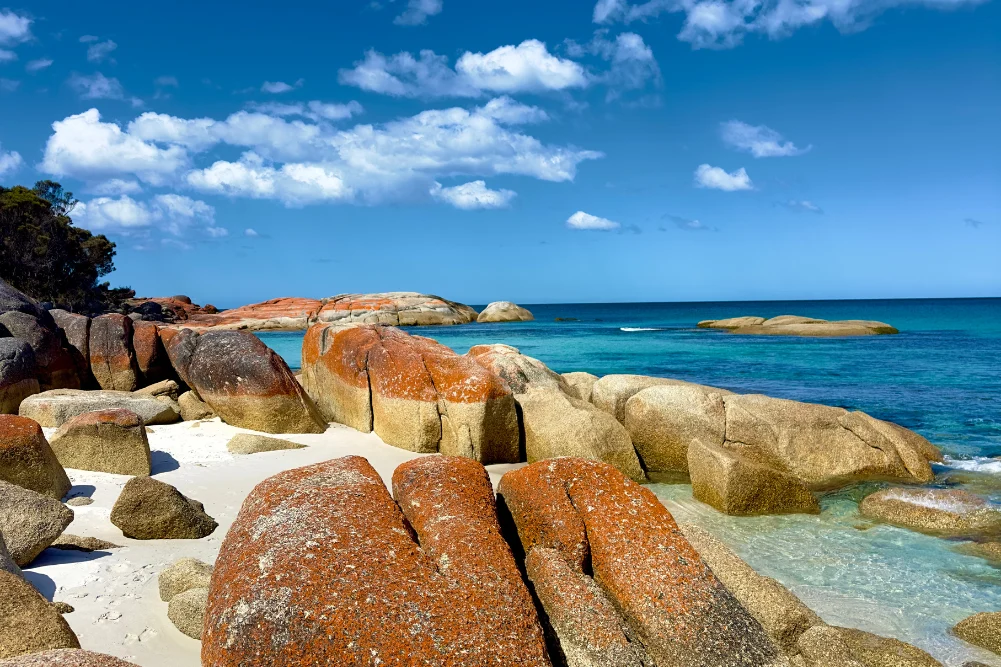
Tasmania has solidified its reputation as a premier destination for global hikers, offering a unique blend of rugged wilderness and curated luxury that caters to a diversifying demographic of travelers. At the forefront of this movement is the Bay of Fires, a coastal region in the state’s north-east known to the Aboriginal Palawa people as Larapuna. Recently designated as one of the most significant coastal trails in Australia, the region has become a focal point for "soft adventure" tourism—a sector designed for individuals seeking immersive outdoor experiences without the physical strain of traditional self-supported bushwalking. The emergence of guided treks, such as those operated by Intrepid Travel, highlights a strategic shift in the Tasmanian tourism economy toward high-value, low-impact eco-tourism that prioritizes local heritage, regional produce, and environmental conservation.
Historical and Cultural Significance of the Bay of Fires
The Bay of Fires carries a dual history that defines its modern identity. For thousands of years, the Palawa people inhabited this coastline, utilizing the abundant marine resources and maintaining the land through controlled burning. The name "Bay of Fires" was bestowed upon the region in 1773 by Captain Tobias Furneaux of the HMS Adventure. As he navigated the coastline, Furneaux observed numerous fires lit by the Palawa people, leading him to record the area as a place of constant illumination.
In the 21st century, the name remains apt, though for different reasons. The coastline is famous for its massive granite boulders encrusted with bright orange lichen. This biological phenomenon, caused by the Xanthoria parietina lichen, creates a visual spectacle that appears to glow against the backdrop of white quartz sands and turquoise waters. This geological and biological intersection has been a primary driver for the area being named Australia’s most beautiful beach for 2025, an accolade that is expected to drive significant international and domestic interest.
Chronology of the Three-Day Guided Expedition
The standard guided experience typically originates in Launceston, Tasmania’s northern hub, before transitioning to the north-east coast. The itinerary is structured to provide a graduated physical challenge, beginning with shorter coastal walks and culminating in longer, more demanding treks through national parks.
Day One: The Humbug Point Conservation Area
The journey commences with a transit to St Helens, the largest town on the north-east coast, which serves as the primary logistical base. The initial trek covers the Skeleton Bay Track to Dora Point within the Humbug Point Conservation Area. This section of the trail introduces hikers to the "coastal heath" ecosystem, characterized by a dense understory of ferns, paperbarks, and banksia. This phase of the trek is often subject to Tasmania’s volatile maritime weather, frequently characterized by "sneaky rain" or high-humidity mists that test the efficacy of waterproof gear.
Day Two: Eddystone Point and the 12-Kilometer Trek
The second day represents the expedition’s core physical challenge. Participants are transported to Eddystone Point (known as Kallatereema), home to a 35-meter-high pink granite lighthouse. The lighthouse, a critical piece of maritime infrastructure since 1889, stands as a sentinel over a coastline notorious for its historical shipwrecks. The day’s itinerary involves a 12-kilometer hike along Eddystone Beach, where wind speeds can reach up to 68 kilometers per hour. This segment emphasizes the region’s biodiversity, with sightings of Pacific gulls, sandpipers, and oystercatchers common along the shore. The trail transitions from beach walking to inland fire trails, covering approximately 25,000 steps per participant.
Day Three: Mount William National Park and Stumpy’s Bay
The final day focuses on Mount William National Park, a sanctuary for Tasmanian wildlife. The 6-kilometer loop near Stumpy’s Bay provides a final immersion into the "bulldozer of the bush" habitat—the common wombat. While the population of wombats in Tasmania is estimated to be nearly one million, their shy nature often limits sightings to paw prints and distinctive cubic droppings. The trek concludes with a return to Launceston, punctuated by visits to geological and industrial landmarks.
Flora, Fauna, and Geological Anomalies
The Bay of Fires is a biodiversity hotspot. The vegetation is a complex mix of sclerophyll forest and coastal scrub, featuring flowering paperbarks, tea trees, and various species of eucalyptus. Birdlife is particularly prolific; the region supports honeyeaters, wattlebirds, green rosellas, and the splendid fairy-wren.
One of the most striking stops on the return journey is the Little Blue Lake. Located at the site of the former Endurance tin mine, which operated from the 1870s until the 1980s, the lake is famous for its vivid, almost neon-blue hue. This color is not a natural phenomenon but a result of the mining legacy. Suspended white clay particles and specific mineral compositions reflect light in a way that creates the intense blue color. While aesthetically pleasing, the lake serves as a reminder of the region’s industrial past and the environmental changes wrought by 19th-century mining.
Similarly, the town of Derby represents a successful economic pivot. Once a rich tin-mining center, it has been transformed into a world-class mountain biking destination. This transition from extractive industry to recreational tourism is a model being studied by regional development experts across Australia.
Economic Impact and Regional Produce
The rise of guided trekking has provided a significant economic stimulus to St Helens and the surrounding Break O’Day municipality. St Helens is recognized as the game fishing capital of Tasmania, but the influx of hikers has shifted focus toward its culinary offerings. The regional economy is heavily bolstered by the aquaculture industry, specifically southern rock lobster and oysters.
Local establishments, such as the Panorama Hotel, have undergone renovations to cater to the "soft adventure" market, providing high-end accommodation and chef-prepared meals using local ingredients. The integration of local produce into the tourism experience—such as oysters from Lease 65 and artisanal truffles from local bakeries—creates a circular economy where tourism dollars directly support local primary producers. According to data from Tourism Tasmania, visitors who engage in walking and hiking activities tend to stay longer and spend more per day than the average visitor, making them a high-priority demographic for the state.
Analysis of the "Soft Adventure" Trend
The demographics of the Bay of Fires trek reflect a broader trend in the travel industry. Participants range from younger professionals, such as emergency service workers training for more grueling international treks like the Kokoda Track, to senior solo travelers in their 70s. This inclusivity is made possible by the "pack-free" model, where heavy equipment is transported by vehicle, allowing hikers to focus on the environment and personal wellness.
The psychological impact of "wilderness therapy" is a recurring theme among participants. The combination of physical exertion, solitude, and exposure to pristine natural environments is increasingly marketed as a countermeasure to the stresses of urban life. As noted by participants, the lack of logistical responsibility—deciding where to eat or sleep—allows for a "meditative" state that enhances the overall value of the experience.
Infrastructure, Logistics, and Accessibility
The logistics of the Bay of Fires trek are managed primarily through Launceston, which offers direct flight connectivity to major Australian cities including Sydney, Melbourne, and Adelaide. The seasonal window for these tours typically runs from October to April, aligning with the Australian late spring to early autumn to maximize favorable weather conditions.
Pricing for these curated experiences starts at approximately $1,680, reflecting the high cost of providing professional guides, private transport, and premium accommodation. This price point positions the Bay of Fires as a premium eco-tourism product, competing with other "Great Walks" of Australia, such as the Larapinta Trail in the Northern Territory or the Twelve Apostles Lodge Walk in Victoria.
Future Outlook and Sustainability
As the Bay of Fires prepares for a projected increase in visitor numbers following its "most beautiful beach" designation for 2025, the focus of local authorities is on sustainable management. The balance between promoting the region and protecting its fragile ecosystems—particularly the lichen-covered rocks and the nesting sites of shorebirds—remains a priority.
The success of the Bay of Fires trek suggests that the future of Tasmanian tourism lies in these hybrid models: experiences that offer the raw beauty of the wilderness alongside the comfort of modern infrastructure. For the north-east coast, the transition from a history of fires and mining to a future of conservation and curated exploration marks a new chapter in the island’s history. The ability to "bottle the air" and the "perfume of blossoms," as described by those who walk the trail, remains the intangible yet most potent drawcard for Tasmania’s burgeoning tourism sector.



 Anjar Salim
 Chandra Hamzah
 Tatiana Tantri Indah Sari
 Budi Mulyono

