
 Gabriela Annisa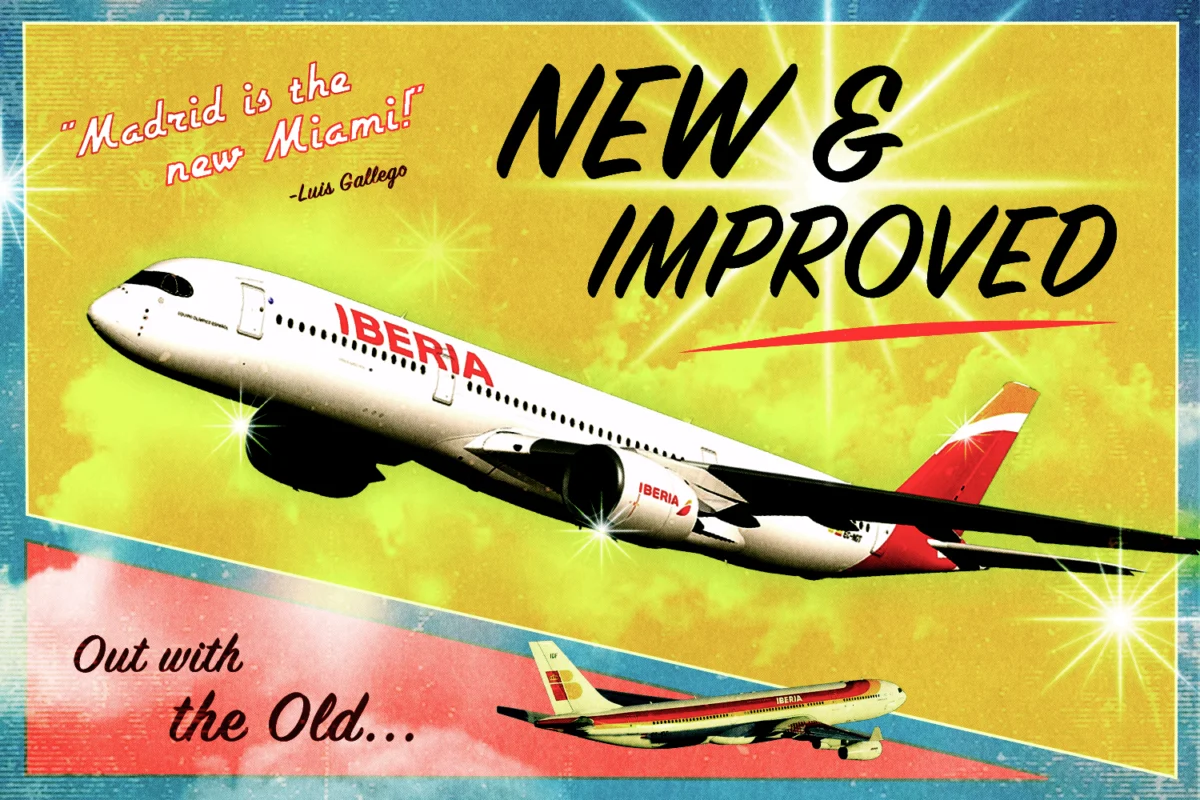
Once battling for its very existence, Spain’s flag carrier, Iberia, has engineered a remarkable transformation, shedding its image as a loss-making legacy airline to emerge as a formidable profit engine, boasting margins now frequently compared to those of low-cost powerhouses like Ryanair. This dramatic resurgence, a testament to strategic overhaul, disciplined execution, and a renewed focus on efficiency, has captivated the aviation industry, prompting close examination of the mechanisms behind such an impressive comeback and the sustainability of its newfound success.
The Precipice: Iberia’s Fight for Survival (Pre-2012 Context)
Before its meteoric rise, Iberia found itself teetering on the brink. The early 2010s were particularly brutal for the airline, following years of underperformance and structural issues that left it vulnerable to the intensifying competition from aggressive low-cost carriers (LCCs) and more agile full-service rivals. Burdened by a high operating cost base, rigid labor agreements, an aging and inefficient fleet, and a network that often prioritized historical routes over profitability, Iberia consistently reported significant financial losses.
In 2011, the year after its merger with British Airways under the umbrella of International Airlines Group (IAG), Iberia recorded an operating loss of €170 million. The situation worsened in 2012, with losses soaring to an alarming €351 million. These figures underscored a deepening crisis, threatening its long-term viability and casting a shadow over the strategic rationale of the IAG merger, which had initially promised synergistic benefits for both airlines. The airline’s market share on key European routes was eroding rapidly, and its once-dominant position in the lucrative Latin American market was facing increasing pressure from new entrants and revitalized competitors. Customer satisfaction surveys often placed Iberia in the lower tiers among European carriers, further compounding its challenges. The perception was clear: Iberia was a struggling, antiquated relic in a rapidly modernizing industry.
Architects of Change: The Strategic Overhaul (2012-2017)
The turning point for Iberia arrived with a decisive leadership change and the launch of a radical restructuring plan, often referred to internally as the "Phoenix Project" or "Plan de Transformación." Initiated in late 2012, under the stewardship of new management, this multi-faceted strategy aimed to dismantle the very foundations of its inefficiency and rebuild the airline from the ground up.
-
Phase 1: Cost Reduction and Labor Reform (2012-2014)
The immediate priority was to drastically cut costs. This involved challenging and often contentious negotiations with unions to reform outdated labor contracts. The airline sought greater flexibility in working conditions, reduced salary scales for new hires, and implemented a voluntary redundancy program. While met with significant industrial action and public protests, including a series of strikes that caused widespread disruption, the management pressed ahead, arguing these measures were indispensable for survival. By 2013, agreements were eventually reached, leading to a substantial reduction in the workforce—an estimated 3,800 employees voluntarily left the company, representing nearly 20% of its total staff at the time. This painful but necessary step was crucial in lowering personnel costs, which had long been a disproportionately high burden. -
Phase 2: Network Optimization and Fleet Modernization (2013-2016)
Simultaneously, Iberia undertook a critical review of its route network. Unprofitable routes, particularly within Europe, were either cut or transferred to its newly established low-cost subsidiary, Iberia Express, launched in 2012. Iberia Express, operating with a leaner cost structure and a focus on short-to-medium haul routes, allowed the parent company to retain market presence while freeing up its mainline operations to concentrate on long-haul profitability. This strategic segmentation proved highly effective.On the mainline front, Iberia doubled down on its historical strength in Latin America, identifying it as a core strategic pillar. It optimized flight schedules, increased frequencies, and sought joint venture agreements to strengthen its competitive position. Concurrently, a robust fleet modernization program was initiated. Older, less fuel-efficient aircraft, notably the four-engine Airbus A340s, began to be phased out in favor of newer, more efficient models. Initial orders and deliveries focused on the Airbus A330 and later the state-of-the-art A350, which offered significant improvements in fuel burn, maintenance costs, and passenger comfort. This transition was not just about cost savings; it was also about enhancing the passenger experience, making Iberia’s product more competitive.
-
Phase 3: Revenue Enhancement and Customer Experience (2015-2017 onwards)
With a more competitive cost base and a modernized fleet, Iberia shifted its focus towards revenue generation and improving its brand image. Investments were made in enhancing the onboard product, including new business class seats, upgraded in-flight entertainment systems, and improved catering options. Digital transformation became a priority, with significant investments in online booking platforms, mobile applications, and personalized customer service tools aimed at streamlining the travel experience and increasing ancillary revenue streams. The airline also worked diligently on improving operational metrics such as on-time performance and baggage handling, directly impacting customer satisfaction. Marketing efforts were ramped up to re-position Iberia as a modern, reliable, and customer-centric airline.
The Numbers Don’t Lie: Financial and Operational Performance
The efficacy of Iberia’s turnaround strategy quickly became apparent in its financial statements. After years of heavy losses, Iberia returned to profitability in 2014, reporting a modest operating profit of €50 million. This marked the first profit in six years and signaled the beginning of a sustained upward trajectory. By 2015, operating profit soared to €248 million, and by 2016, it reached an impressive €271 million.
The airline’s operating margin, once deeply negative, surged to healthy levels, frequently reaching between 8% and 10% in subsequent years (pre-pandemic), rivaling and sometimes surpassing the profitability of many low-cost carriers, a feat previously unthinkable for a legacy flag carrier. This "Ryanair-like" profitability wasn’t just a fleeting anomaly; it became a consistent benchmark for the airline.
Key performance indicators underscore this transformation:
- Unit Cost Reduction: Between 2012 and 2017, Iberia achieved an estimated 18-20% reduction in its unit costs (CASK ex-fuel), a remarkable achievement that laid the foundation for its profitability.
- Passenger Growth: Post-restructuring, passenger numbers rebounded strongly. From a low point of approximately 14 million passengers in 2013, the airline saw consistent growth, reaching over 20 million passengers annually by 2019, with strong load factors consistently above 80%.
- Fleet Efficiency: The introduction of new aircraft led to a significant decrease in fuel consumption per available seat kilometer (ASK), contributing to both cost savings and reduced environmental impact. For instance, the A350 offers a 25% reduction in fuel burn compared to previous generation aircraft.
- Balance Sheet Improvement: A stronger cash flow generation allowed Iberia to significantly reduce its net debt and invest further in fleet renewal and product improvements, creating a virtuous cycle of financial health.
Voices from the Industry: Reactions and Expert Analysis
The transformation at Iberia has garnered widespread acclaim across the aviation industry. Luis Gallego, who spearheaded much of the turnaround as Iberia’s CEO before becoming IAG’s Chief Executive, often attributed the success to "the immense effort and sacrifice of our employees, coupled with a rigorous and unwavering commitment to our strategic plan." He emphasized that "we had to make tough decisions, but they were necessary to secure Iberia’s future and its position as a leading global airline."
Willie Walsh, former IAG CEO, frequently cited Iberia as a prime example of successful restructuring within the group. "Iberia’s turnaround is a textbook case of how a legacy carrier can adapt to modern market realities," Walsh commented in a 2018 investor briefing. "It demonstrates that with the right leadership, strategy, and determination, even the most challenged airlines can not only survive but thrive."
Industry analysts have echoed this sentiment. John Strickland, a leading aviation consultant, noted, "What Iberia achieved was nothing short of miraculous. They tackled every sacred cow, from labor contracts to network design, and the results speak for themselves. Their ability to achieve LCC-like margins while maintaining a premium long-haul product is a masterclass in efficiency."
Even union representatives, who were initially staunchly opposed to the restructuring measures, eventually acknowledged the necessity of the changes. A statement from a key union leader in 2015, while still lamenting job losses, conceded, "The agreements, though difficult, have allowed Iberia to avoid collapse and secure the jobs that remain. The airline is now stronger, and that benefits us all." Spanish government officials have also lauded Iberia’s revival, recognizing its vital role in connecting Spain to the world and boosting the national economy through tourism and trade.
Challenges Ahead: Sustaining the Momentum
Despite its impressive comeback, Iberia operates in an inherently volatile industry, and sustaining its "miracle turnaround" requires continuous vigilance and adaptation.
- Competitive Pressure: The European aviation market remains intensely competitive. Low-cost carriers continue to expand their reach, while other full-service airlines are also striving for greater efficiency. Maintaining its competitive edge, particularly on short-to-medium haul routes where Iberia Express operates, will be crucial.
- Economic Volatility and Geopolitical Risks: The airline industry is highly susceptible to external shocks, including fluctuating fuel prices, global economic downturns, and geopolitical events. The recent COVID-19 pandemic served as a stark reminder of these vulnerabilities, forcing airlines worldwide to navigate unprecedented challenges. While Iberia demonstrated resilience during the recovery, future crises could test its robust model.
- Sustainability Agenda: Environmental concerns are rapidly reshaping the aviation landscape. Iberia, like all airlines, faces immense pressure to decarbonize its operations, invest in Sustainable Aviation Fuels (SAFs), and transition to more environmentally friendly aircraft. These investments are substantial and could impact profitability if not managed strategically.
- Labor Relations: While previous agreements stabilized labor relations, maintaining flexibility and productivity in the long term requires ongoing dialogue and fair practices. Any resurgence of labor unrest could jeopardize the gains made in cost efficiency.
- Digital Innovation: The pace of technological change demands continuous investment in digital platforms, AI-driven customer service, and data analytics to enhance operational efficiency and personalize the customer experience. Falling behind in this area could erode its competitive advantage.
- Balancing Efficiency with Premium Service: The comparison to "Ryanair-like profitability" highlights Iberia’s exceptional cost control. However, as a legacy carrier, it must also deliver a premium product, especially on its lucrative long-haul routes. The delicate balance between relentless cost efficiency and maintaining a high-quality customer experience is a constant challenge. Ensuring that cost-cutting does not compromise service standards or brand perception is paramount.
Broader Impact: A Blueprint for Legacy Carriers?
Iberia’s transformation offers valuable lessons for other legacy airlines struggling to adapt to the modern aviation landscape. Its success demonstrates that a comprehensive and decisive strategy, encompassing aggressive cost reduction, labor reform, fleet modernization, network optimization, and a renewed focus on the customer, can indeed reverse fortunes. It underscores the importance of:
- Decisive Leadership: Willingness to make difficult, unpopular decisions for long-term survival.
- Holistic Strategy: Addressing all facets of the business, from operations to human resources and customer experience.
- Flexibility: Adapting quickly to market demands and competitive pressures.
- Investment in Efficiency: Prioritizing fleet renewal and digital tools that drive down costs and improve service.
For IAG, Iberia’s success has been a significant boon, solidifying the group’s position as a major player in global aviation. A profitable Iberia contributes substantially to IAG’s overall financial health, providing capital for further investment across its portfolio of airlines (British Airways, Aer Lingus, Vueling, LEVEL). This strength allows IAG to pursue strategic opportunities and weather industry downturns more effectively.
Furthermore, Iberia’s resurgence has reinforced Spain’s connectivity on the global stage. As the national flag carrier, a strong and profitable Iberia enhances Spain’s trade links, supports its vital tourism industry, and maintains its status as a crucial aviation hub, particularly for traffic between Europe and Latin America. The airline’s journey from near-collapse to a benchmark of profitability is not merely a corporate success story but a powerful narrative of resilience and strategic renewal in a highly dynamic global industry. The question now is not if Iberia can survive, but how far its renewed strength can take it in the decades to come.




 Anjar Salim
 Chandra Hamzah
 Tatiana Tantri Indah Sari
 Budi Mulyono

