
 Diana Nuri Rohmawati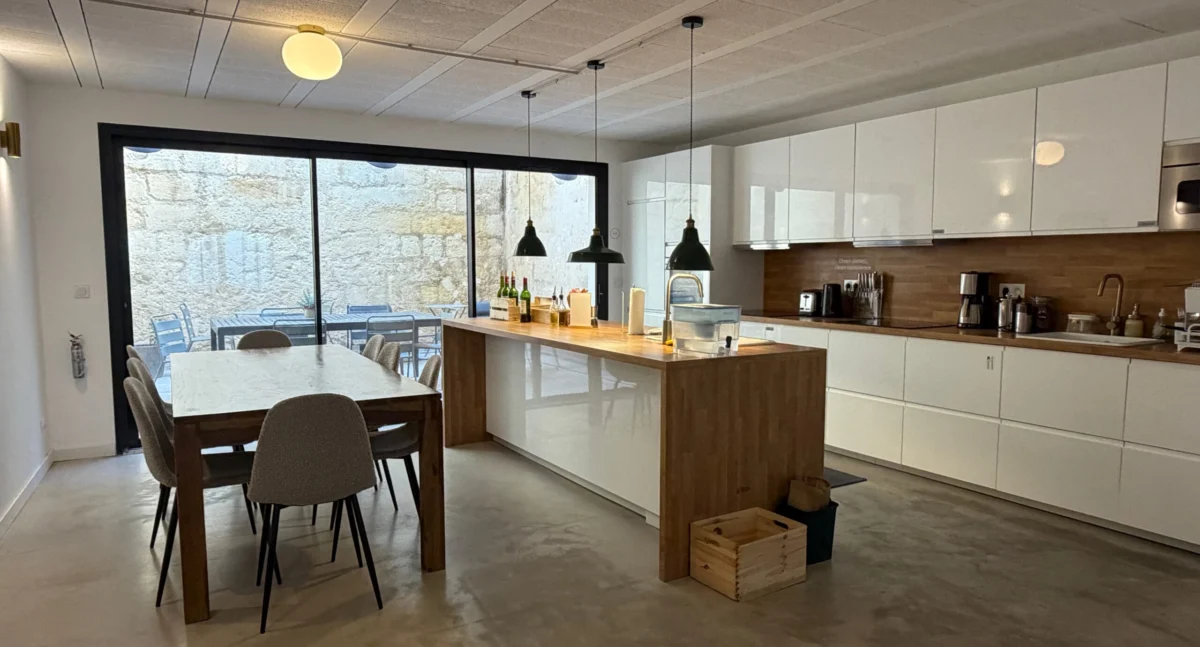
The landscape of global employment has undergone a seismic shift over the last decade, transitioning from traditional office-centric environments to a decentralized, remote-first paradigm. Central to this transformation is the rise of the "digital nomad"—a professional who leverages technology to work remotely while traveling the world. However, this lifestyle has historically been plagued by logistical inconsistencies, ranging from unreliable internet connectivity to the profound social isolation that often accompanies solo travel. In response to these challenges, the coliving industry has emerged as a specialized sector of the hospitality market. Leading this movement is Outsite, a global platform that integrates professional-grade coworking infrastructure with boutique residential living, signaling a new era in the professionalization of the nomadic lifestyle.
The Genesis and Growth of the Coliving Sector
Founded in 2015, Outsite began as a niche experiment in Santa Cruz, California. The initial concept was designed to cater to a specific demographic: professionals who sought a balance between outdoor recreation—specifically surfing—and high-level productivity. Since its inception, the company has expanded its footprint significantly, now boasting a portfolio of over 50 locations worldwide and a membership base exceeding 5,000 individuals.
The growth of Outsite mirrors a broader trend in the global economy. According to data from MBO Partners, the number of American digital nomads increased by 131% between 2019 and 2023. This surge has necessitated a more sophisticated infrastructure than what was previously provided by budget hostels or short-term rental platforms like Airbnb. While hostels often lack the privacy and quietude required for professional focus, and Airbnbs frequently suffer from inconsistent Wi-Fi and a lack of social community, coliving spaces like Outsite aim to occupy the "middle ground" of the hospitality market.
Structural Mechanics: The Outsite Membership Model
Outsite operates on a hybrid access model that combines open bookings with a tiered membership system. While the properties are accessible to the general public, the company incentivizes long-term engagement through an annual membership fee of $199 or a lifetime membership priced at $499. This membership structure is a strategic move to foster a consistent, high-quality community of "working professionals" rather than transient tourists.
Members receive a suite of benefits designed to lower the barrier to entry for frequent travelers. These perks include:
- Discounted nightly rates and significant reductions (up to 40%) for extended stays.
- Access to members-only locations and early access to new destination launches.
- A curated internal ecosystem featuring job boards, sublet listings, and "new member mixers."
- Lifestyle partnerships and credits for travel-related services.
This subscription-based approach allows Outsite to maintain a predictable revenue stream while ensuring that its residents share a common professional ethos, which is critical for maintaining a productive coworking environment.
Infrastructure and Amenities: A Deep Dive into the Bordeaux Facility
The efficacy of the Outsite model is perhaps best illustrated through its specific urban locations, such as the facility in Bordeaux, France. This property serves as a benchmark for the company’s standards, blending historic architecture with modern industrial needs. Unlike traditional hotels, the Bordeaux location is structured to function as a high-functioning home.
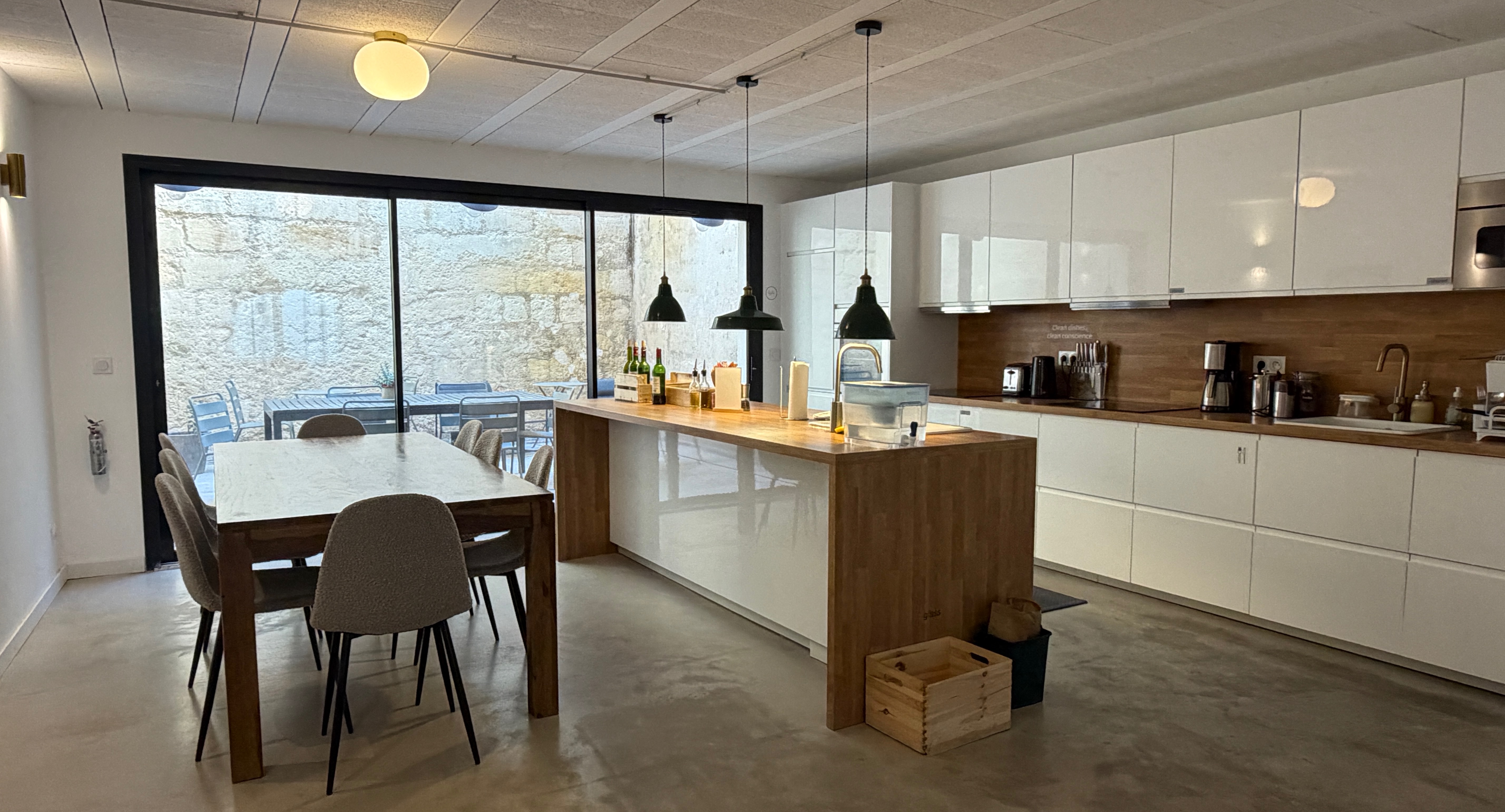
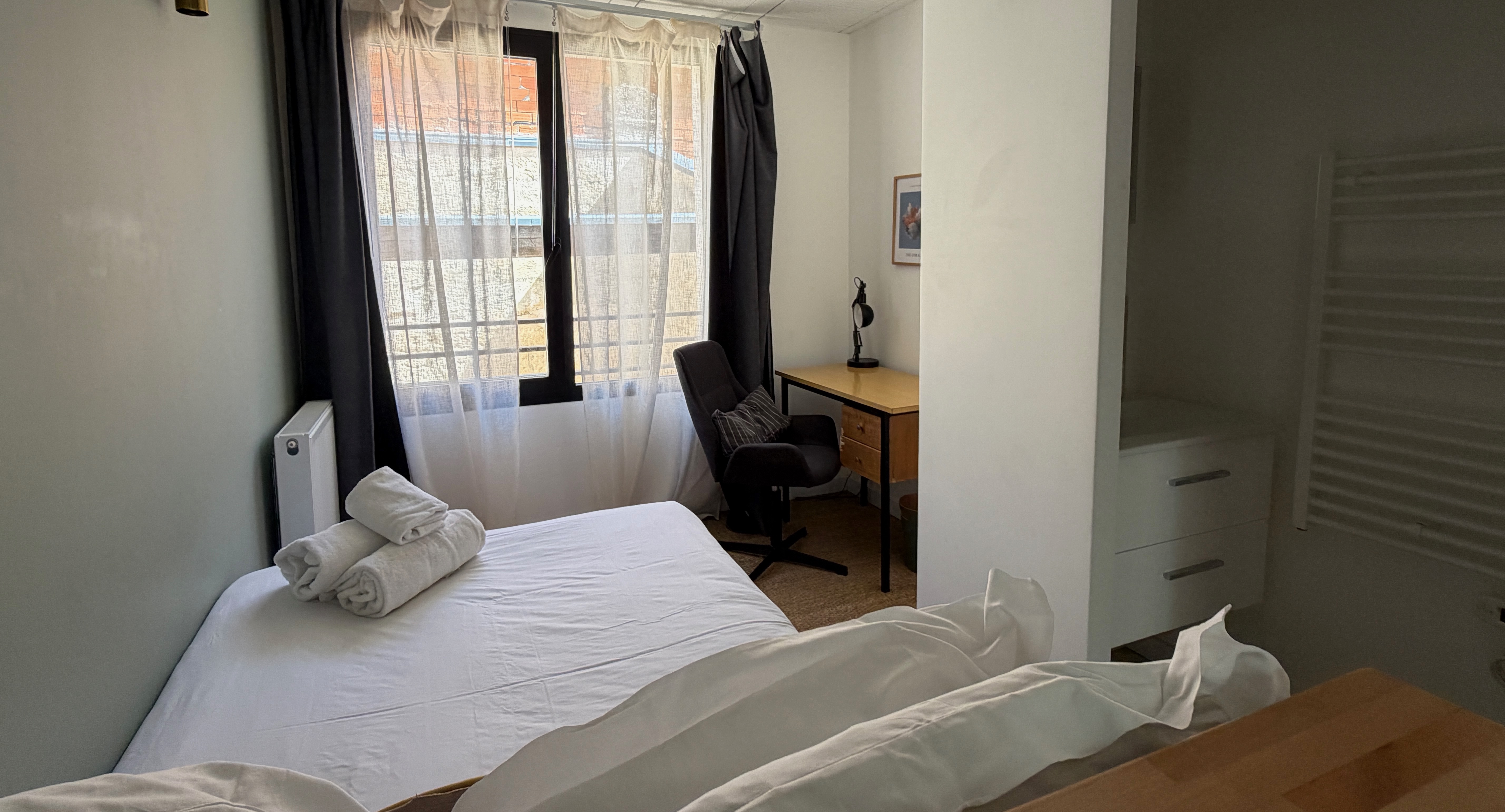
The residential quarters typically consist of private bedrooms, the majority of which feature en-suite bathrooms. This addresses one of the primary complaints regarding traditional coliving: the lack of personal space. However, the true value proposition lies in the communal areas. The Bordeaux house features a "chef’s kitchen"—a large, fully-equipped culinary space that encourages communal cooking and cost-sharing among residents. Daily professional cleaning services ensure that these shared spaces remain hygienic, a common pain point in less regulated shared-living environments.
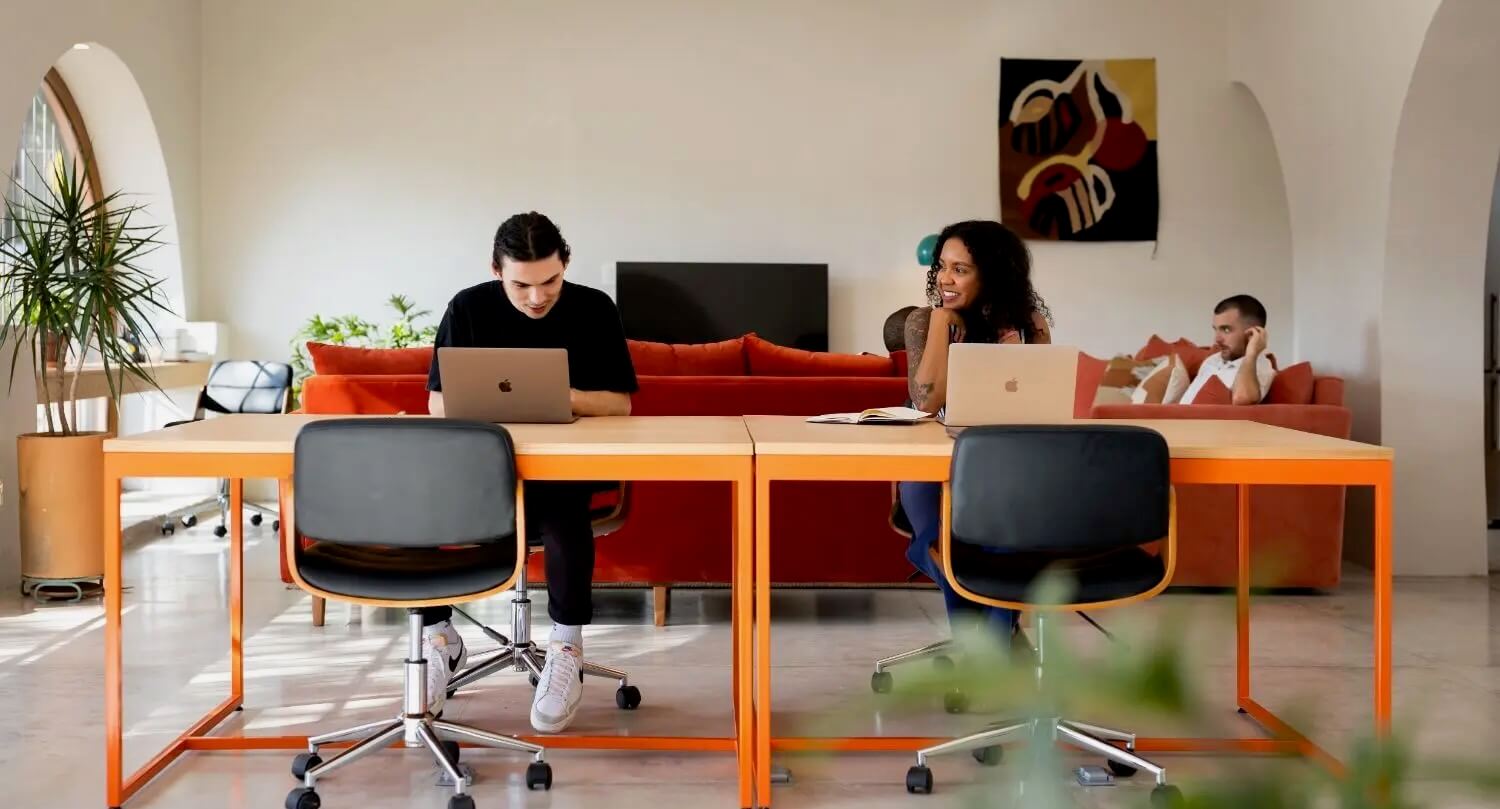
On the productivity side, the integrated coworking spaces are designed to meet enterprise-grade standards. This includes ergonomic seating, multiple power outlets, external monitors for guest use, and high-speed, redundant Wi-Fi systems. By removing the "search cost" associated with finding a suitable coffee shop or coworking space in a new city, Outsite allows nomads to maintain their billable hours without interruption.
The Role of the Community Manager and Social Cohesion
One of the most significant hurdles for remote workers is the "loneliness epidemic." A 2022 study by Buffer indicated that 24% of remote workers struggle with loneliness, which can lead to burnout and decreased productivity. Outsite addresses this through the implementation of a "Community Manager" at each location.
This role is distinct from a traditional hotel concierge. The Community Manager acts as a social architect, facilitating introductions via dedicated WhatsApp groups before a guest even arrives. They organize weekly events that range from "family-style" dinners and Friday night social excursions to morning yoga and weekend trips into the local region. In Bordeaux, for example, the Community Manager serves as a bridge to the local culture, providing curated recommendations that go beyond standard tourist traps. This structured socialization ensures that residents can quickly build a professional and personal network, effectively "outsourcing" the labor of social integration.
Comparative Analysis: Coliving vs. Traditional Accommodations
From a financial and logistical perspective, Outsite positions itself as a premium but value-driven alternative to other forms of travel.
- Vs. Budget Hostels: While a dorm bed in a hostel might cost $15–$30 per night, it rarely provides the quiet or the infrastructure necessary for a 40-hour work week. Outsite skews toward a more mature demographic (late 20s to 40s), prioritizing professional standards over low costs.
- Vs. Airbnb: While an Airbnb offers privacy, it is often isolating. Furthermore, the "digital nomad" frequently faces the "Wi-Fi lottery," where host claims of high-speed internet prove inaccurate. Outsite guarantees professional-grade connectivity as a core product feature.
- Vs. Traditional Hotels: Hotels are designed for short-term stays and lack the communal kitchens and laundry facilities necessary for long-term living. Outsite’s "wealthy friend’s house" aesthetic provides a more "lived-in" feel that supports long-term mental health on the road.
Challenges and Market Limitations
Despite its growth, the Outsite model faces several challenges. The primary issue is availability; popular locations in cities like Lisbon, New York, or coastal Costa Rica often require bookings several months in advance. This lack of spontaneity can be a deterrent for nomads who prefer a more fluid itinerary.
Additionally, the cost remains a barrier for those in the early stages of their careers or those working in lower-margin industries. Outsite is explicitly not a budget option; it is a lifestyle choice for established professionals who view their accommodation as a business expense. Furthermore, the communal nature of the living spaces means that certain restrictions—such as a general prohibition on pets—are necessary to maintain the comfort of all residents, which may exclude a segment of the nomad population.
Legal and Regional Implications
The expansion of coliving platforms like Outsite also intersects with local housing regulations. In cities with tight housing markets, such as New York, local laws often mandate a 30-day minimum stay for non-hotel accommodations. Outsite has adapted to these regulations by offering different stay requirements depending on the municipality.
From a broader economic perspective, the presence of a "nomad hub" can have a positive impact on local economies. Residents of Outsite tend to stay longer than traditional tourists (often two weeks to several months) and have higher disposable incomes, which they spend at local cafes, grocery stores, and service providers. This "slow travel" model is increasingly viewed by tourism boards as a more sustainable alternative to high-volume, short-term tourism.
Conclusion: The Future of the Remote Work Ecosystem
The success of platforms like Outsite suggests that the "digital nomad" trend is not a fleeting post-pandemic phenomenon but a structural shift in how society views work and residency. By professionalizing the coliving experience, Outsite has created a blueprint for how high-level productivity can be maintained without sacrificing the benefits of global exploration.
As the corporate world continues to grapple with "Return to Office" mandates versus "Work from Anywhere" policies, the existence of reliable infrastructure like Outsite makes the latter a much more viable and professional option for employers and employees alike. For the modern professional, the choice is no longer between a career and the world; with the right infrastructure, it is increasingly possible to have both. The continued expansion of these "tribal hubs" suggests that the future of work will not be found in a single office building, but in a global network of well-equipped homes.




 Anjar Salim
 Chandra Hamzah
 Tatiana Tantri Indah Sari
 Budi Mulyono

